

What's inside
What's inside
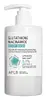 Key Ingredients
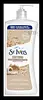
Benefits
Concerns
Ingredients Side-by-side
Water
Skin ConditioningSodium Laureth Sulfate
Cleansing



Centella Asiatica Extract 5.1%
Cleansing





Glycerin
Humectant
Propylene Glycol
Humectant
Cocamide Mea
Emulsifying
Lauramide DEA
SurfactantCocamidopropyl Betaine
Cleansing
Glutathione


Niacinamide
Smoothing



Citric Acid
Buffering
Sodium Hyaluronate
Humectant
Caprylic/Capric Triglyceride
Masking
Hydrogenated Lecithin
Emulsifying
Glyceryl Stearate
Emollient
Cholesterol
Emollient
Nelumbo Nucifera Extract
Skin ConditioningArtemisia Annua Extract
Masking
Oryza Sativa Extract
Absorbent
Saccharomyces Ferment
Skin Conditioning
Solanum Melongena Fruit Extract
Skin ConditioningMelaleuca Alternifolia Leaf Extract
Perfuming
1,2-Hexanediol
Skin Conditioning
Hydrolyzed Collagen
Emollient
Beta-Glucan
Skin Conditioning
Dipropylene Glycol
HumectantHippophae Rhamnoides Fruit Extract
Skin Conditioning
Butylene Glycol
Humectant
Styrene/Acrylates Copolymer
Xanthan Gum
EmulsifyingMadecassic Acid
Skin Conditioning
Asiaticoside
Antioxidant
Asiatic Acid
Skin Conditioning
Squalane
Emollient
Polyquaternium-10
Disodium EDTA
Sodium Benzoate
Masking
Chlorphenesin
Antimicrobial
Sodium Chloride
MaskingWater, Sodium Laureth Sulfate, Centella Asiatica Extract 5.1%, Glycerin, Propylene Glycol, Cocamide Mea, Lauramide DEA, Cocamidopropyl Betaine, Glutathione, Niacinamide, Citric Acid, Sodium Hyaluronate, Caprylic/Capric Triglyceride, Hydrogenated Lecithin, Glyceryl Stearate, Cholesterol, Nelumbo Nucifera Extract, Artemisia Annua Extract, Oryza Sativa Extract, Saccharomyces Ferment, Solanum Melongena Fruit Extract, Melaleuca Alternifolia Leaf Extract, 1,2-Hexanediol, Hydrolyzed Collagen, Beta-Glucan, Dipropylene Glycol, Hippophae Rhamnoides Fruit Extract, Butylene Glycol, Styrene/Acrylates Copolymer, Xanthan Gum, Madecassic Acid, Asiaticoside, Asiatic Acid, Squalane, Polyquaternium-10, Disodium EDTA, Sodium Benzoate, Chlorphenesin, Sodium Chloride
Water
Skin ConditioningGlycerin
Humectant
Stearic Acid
Cleansing
Glycol Stearate
Emollient
Isopropyl Palmitate
Emollient
Glycine Soja Oil
Emollient
Glyceryl Stearate
Emollient
Triethanolamine
BufferingCocos Nucifera Oil
Masking
Cetyl Alcohol
Emollient
Caprylyl Glycol
Emollient
Phenoxyethanol
Preservative
Parfum
Masking
Carbomer
Emulsion StabilisingHydroxyethylcellulose
Emulsion StabilisingStearamide Amp
BHT
Antioxidant
Disodium EDTA
Caramel
Cosmetic ColorantButyrospermum Parkii Butter
Skin Conditioning
Avena Sativa Meal Extract
SoothingPropylene Glycol
Humectant
Sodium Nitrate
SoothingDisodium Phosphate
BufferingPolysorbate 60
Emulsifying
Sodium Phosphate
BufferingCitric Acid
Buffering
Benzyl Salicylate
Perfuming
Citrus Aurantium Peel Oil
Coumarin
Perfuming
Hexyl Cinnamal
Perfuming
Limonene
Perfuming
Tetramethyl Acetyloctahydronaphthalenes
Masking
CI 17200
Cosmetic ColorantCI 19140
Cosmetic ColorantCI 15985
Cosmetic ColorantWater, Glycerin, Stearic Acid, Glycol Stearate, Isopropyl Palmitate, Glycine Soja Oil, Glyceryl Stearate, Triethanolamine, Cocos Nucifera Oil, Cetyl Alcohol, Caprylyl Glycol, Phenoxyethanol, Parfum, Carbomer, Hydroxyethylcellulose, Stearamide Amp, BHT, Disodium EDTA, Caramel, Butyrospermum Parkii Butter, Avena Sativa Meal Extract, Propylene Glycol, Sodium Nitrate, Disodium Phosphate, Polysorbate 60, Sodium Phosphate, Citric Acid, Benzyl Salicylate, Citrus Aurantium Peel Oil, Coumarin, Hexyl Cinnamal, Limonene, Tetramethyl Acetyloctahydronaphthalenes, CI 17200, CI 19140, CI 15985
Reviews
Ingredients Explained
These ingredients are found in both products.
Ingredients higher up in an ingredient list are typically present in a larger amount.
Citric Acid is an alpha hydroxy acid (AHA) naturally found in citrus fruits like oranges, lemons, and limes.
Like other AHAs, citric acid can exfoliate skin by breaking down the bonds that hold dead skin cells together. This helps reveal smoother and brighter skin underneath.
However, this exfoliating effect only happens at high concentrations (20%) which can be hard to find in cosmetic products.
Due to this, citric acid is usually included in small amounts as a pH adjuster. This helps keep products slightly more acidic and compatible with skin's natural pH.
In skincare formulas, citric acid can:
While it can provide some skin benefits, research shows lactic acid and glycolic acid are generally more effective and less irritating exfoliants.
Most citric acid used in skincare today is made by fermenting sugars (usually from molasses). This synthetic version is identical to the natural citrus form but easier to stabilize and use in formulations.
Read more about some other popular AHA's here:
Learn more about Citric AcidDisodium EDTA is a chelating agent. It grabs onto and deactivates metal ions that sneak into your products from water, packaging, or air.
This ingredient mainly works behind the scenes and helps with:
On top of that, this ingredient can counteract the effects of hard water by binding to the minerals in it.
One thing worth knowing is that Disodium EDTA has been shown to be a mild penetration enhancer. It can help other ingredients absorb into skin more effectively which can be a double-edged sword (great for actives, but can also make the active too strong if you have sensitive skin).
Clinical patch testing showed no significant skin irritation at typical use concentrations and minimal dermal absorption.
You'll most likely see this ingredient near the end of an ingredient list. It's typically found in concentrations less than 1%.
Learn more about Disodium EDTAGlycerin (or glycerol) is a compound naturally found in your skin. It's a powerhouse humectant that pulls water into the stratum corneum.
Topically, glycerin does several things at once:
Your skin makes glycerin on its own (mostly from sebaceous oil breakdown) and shuttles it to your outermost layer of skin, or your epidermis, via aquaporin-3.
Aquaporin-3 is a transporter that is essential for normal skin hydration, elasticity, and repair. Interestingly, mice lacking in AQP3 have dry and less elastic skin that can be fully corrected with glycerin.
This ingredient is non-irritating, plays well with almost every ingredient, and works across all skin types. Typical use is anywhere between 3-10% but can go up to 79% in some leave-on products.
Just know very high concentrations (>40%) can feel tacky in low humidity.
Glycerin is the name for this ingredient in American English. British English uses Glycerol/Glycerine.
Learn more about GlycerinGlyceryl Stearate is made by reacting glycerin with stearic acid (typically sourced from plant oils like palm or coconut). It's an emulsifier, emollient, and mild occlusive.
Emulsifiers help ingredients like oil and water stay mixed so your formula stays nicely blended and uniform in texture.
This ingredient is typically used in concentrations between 1-10%. Studies have found it to be non-sensitizing, non-phototoxic, and non-photoallergenic.
A close cousin of this ingredient is Glyceryl Stearate SE ("self-emulsifying"). This just has a small amount of sodium or potassium stearate added so it can emulsify without a co-emulsifier.
Since this ingredient is an ester of a C18 fatty acid, it may not be fungal acne safe. The Malassezia yeast can potentially metabolize within the C11-C24 range.
Fun fact: The human body also creates Glyceryl Stearate naturally.
Learn more about Glyceryl StearatePropylene Glycol is a synthetic, colorless, odorless liquid that has been a staple in cosmetics for decades. It is a skin conditioning agent, humectant, and solvent.
As a humectant, it draw water to the skin to reduce flaking and restore suppleness. It's also a solvent that helps dissolve other actives and keeps formulas stable across temperature changes.
The CIR Expert Panel has confirmed this ingredient to be nontoxic and clinical studies show no sensitization at cosmetic use concentrations.
True allergic reactions are quite rare: a 15-year retrospective study of 6,751 patients found only 0.31% had a positive reaction (and less than half were considered clinically relevant).
It seemed that when sensitization does occur, it's most commonly linked to topical medication (like corticosteroids) and not cosmetics. Allergic contact dermatitis also appears largely limited to individuals with underlying skin conditions.
Overall, propylene glycol is a well-studied ingredient that most people can tolerate without issue.
Learn more about Propylene GlycolWater. It's the most common cosmetic ingredient of all. You'll usually see it at the top of ingredient lists, meaning that it makes up the largest part of the product.
So why is it so popular? Water most often acts as a solvent - this means that it helps dissolve other ingredients into the formulation.
You'll also recognize water as that liquid we all need to stay alive. If you see this, drink a glass of water. Remember to stay hydrated!
Learn more about Water

