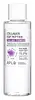
This anti-aging toner is formulated around Centella Asiatica Extract and Sh-Oligopeptide-1 to soften the look of wrinkles and strengthen the skin barrier.
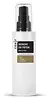
This anti-aging moisturizer is formulated around Niacinamide and Sh-Oligopeptide-1 to soften the look of wrinkles.

What's inside
What's inside
 Key Ingredients
Benefits
Concerns
Ingredients Side-by-side
Water
Skin ConditioningCentella Asiatica Extract 19.6%
Cleansing





Butylene Glycol
Humectant
Glycerin
Humectant
Dipropylene Glycol
HumectantHydroxyethyl Urea
Humectant
Allantoin
Skin Conditioning
Panthenol
Skin Conditioning
Sodium Hyaluronate
Humectant
Hydrolyzed Collagen
Emollient
Sh-Oligopeptide-1
Skin Conditioning
Nelumbo Nucifera Extract
Skin ConditioningArtemisia Annua Extract
Masking
Oryza Sativa Extract
Absorbent
Saccharomyces Ferment
Skin Conditioning

Solanum Melongena Fruit Extract
Skin ConditioningMelaleuca Alternifolia Leaf Extract
Perfuming
Squalane
Emollient
Beta-Glucan
Skin Conditioning
Hippophae Rhamnoides Fruit Extract
Skin Conditioning
Madecassic Acid
Skin Conditioning
Asiaticoside
Antioxidant
Asiatic Acid
Skin Conditioning
Trideceth-10
CleansingPropanediol
Solvent
Hydroxyacetophenone
Antioxidant
1,2-Hexanediol
Skin Conditioning
Ethylhexylglycerin
Skin ConditioningDipotassium Glycyrrhizate
Humectant
Citric Acid
Buffering

Sodium Citrate
BufferingWater, Centella Asiatica Extract 19.6%, Butylene Glycol, Glycerin, Dipropylene Glycol, Hydroxyethyl Urea, Allantoin, Panthenol, Sodium Hyaluronate, Hydrolyzed Collagen, Sh-Oligopeptide-1, Nelumbo Nucifera Extract, Artemisia Annua Extract, Oryza Sativa Extract, Saccharomyces Ferment, Solanum Melongena Fruit Extract, Melaleuca Alternifolia Leaf Extract, Squalane, Beta-Glucan, Hippophae Rhamnoides Fruit Extract, Madecassic Acid, Asiaticoside, Asiatic Acid, Trideceth-10, Propanediol, Hydroxyacetophenone, 1,2-Hexanediol, Ethylhexylglycerin, Dipotassium Glycyrrhizate, Citric Acid, Sodium Citrate
Water
Skin ConditioningButylene Glycol
Humectant
Caprylic/Capric Triglyceride
Masking
Helianthus Annuus Seed Oil
Emollient
Butylene Glycol Dicaprylate/Dicaprate
EmollientNiacinamide
Smoothing



Sodium Hyaluronate
Humectant
1,2-Hexanediol
Skin Conditioning
Arachidyl Alcohol
Emollient
Behenyl Alcohol
Emollient
Arachidyl Glucoside
EmulsifyingCyclomethicone
Emollient
Adenosine
Skin Conditioning
Glycerin
Humectant
Hydrogenated Lecithin
Emulsifying
Sh-Oligopeptide-1
Skin Conditioning
Copper Tripeptide-1
Skin Conditioning
Glyceryl Stearate
Emollient
PEG-100 Stearate
Surfactant
Polysorbate 60
Emulsifying
Diisostearyl Malate
EmollientDimethicone
Emollient
Myrciaria Dubia Fruit Extract
Skin ConditioningEuterpe Oleracea Fruit Extract
Sorbitan Stearate
Emulsifying
Allantoin
Skin Conditioning
Xanthan Gum
EmulsifyingTocopheryl Acetate
Antioxidant
Lonicera Japonica Flower Extract
Skin ConditioningSolanum Lycopersicum Fruit Extract
Antioxidant
Lilium Tigrinum Extract
Skin ConditioningNelumbo Nucifera Seed Extract
Antimicrobial
Chrysanthemum Indicum Flower Extract
Skin Conditioning
Hydrolyzed Collagen
Emollient
Acanthopanax Senticosus Root Extract
Skin ConditioningPunica Granatum Fruit Extract
Antioxidant
Panax Ginseng Root Extract
Emollient
Carthamus Tinctorius Flower Extract
Skin ConditioningCarbomer
Emulsion StabilisingDisodium EDTA
ChelatingArginine
Masking
Malva Sylvestris Flower Extract
Skin ConditioningBuddleja Davidii Extract
Skin ConditioningThymus Vulgaris Extract
Perfuming
Camellia Sinensis Callus Culture Extract
Perfuming
Phaseolus Radiatus Meristem Cell Culture Extract
Skin ConditioningPanax Ginseng Callus Culture Extract
Skin ConditioningEthylhexylglycerin
Skin ConditioningPyrus Malus Leaf Extract
Skin ConditioningTheobroma Cacao Extract
Skin ConditioningVanilla Planifolia Fruit Extract
Skin Conditioning
Fragaria Chiloensis Fruit Extract
Skin Conditioning
Prunus Persica Fruit Extract
Abrasive
Musa Sapientum Fruit Extract
Skin ConditioningCocos Nucifera Oil
Masking


Prunus Domestica Fruit Extract
MoisturisingWater, Butylene Glycol, Caprylic/Capric Triglyceride, Helianthus Annuus Seed Oil, Butylene Glycol Dicaprylate/Dicaprate, Niacinamide, Sodium Hyaluronate, 1,2-Hexanediol, Arachidyl Alcohol, Behenyl Alcohol, Arachidyl Glucoside, Cyclomethicone, Adenosine, Glycerin, Hydrogenated Lecithin, Sh-Oligopeptide-1, Copper Tripeptide-1, Glyceryl Stearate, PEG-100 Stearate, Polysorbate 60, Diisostearyl Malate, Dimethicone, Myrciaria Dubia Fruit Extract, Euterpe Oleracea Fruit Extract, Sorbitan Stearate, Allantoin, Xanthan Gum, Tocopheryl Acetate, Lonicera Japonica Flower Extract, Solanum Lycopersicum Fruit Extract, Lilium Tigrinum Extract, Nelumbo Nucifera Seed Extract, Chrysanthemum Indicum Flower Extract, Hydrolyzed Collagen, Acanthopanax Senticosus Root Extract, Punica Granatum Fruit Extract, Panax Ginseng Root Extract, Carthamus Tinctorius Flower Extract, Carbomer, Disodium EDTA, Arginine, Malva Sylvestris Flower Extract, Buddleja Davidii Extract, Thymus Vulgaris Extract, Camellia Sinensis Callus Culture Extract, Phaseolus Radiatus Meristem Cell Culture Extract, Panax Ginseng Callus Culture Extract, Ethylhexylglycerin, Pyrus Malus Leaf Extract, Theobroma Cacao Extract, Vanilla Planifolia Fruit Extract, Fragaria Chiloensis Fruit Extract, Prunus Persica Fruit Extract, Musa Sapientum Fruit Extract, Cocos Nucifera Oil, Prunus Domestica Fruit Extract
Reviews
Ingredients Explained
These ingredients are found in both products.
Ingredients higher up in an ingredient list are typically present in a larger amount.
1,2-Hexanediol is a synthetic liquid and another multi-functional powerhouse.
It is a:
- Humectant, drawing moisture into the skin
- Emollient, helping to soften skin
- Solvent, dispersing and stabilizing formulas
- Preservative booster, enhancing the antimicrobial activity of other preservatives
Allantoin is a soothing ingredient known for its protective and moisturizing properties; it's basically a quiet workhorse ingredient you can find in a huge range of cosmetics.
Though it can be derived from the comfrey plant, allantoin is produced synthetically for cosmetic products to ensure purity.
Research shows it can encourage your skin cells to turn over and renew by stimulating keratinocyte and fibroblast proliferation.
It also has mild keratolytic properties to help loosen and shed dead skin cells without being harsh.
Studies also suggest allantoin can help calm inflammation by dialing down some of the chemical signals your skin sends out when it is irritated.
This ingredient is typically used in the 0.1-0.5% range, and the FDA recognizes it as a skin protectant in OTC products up to 2%.
Overall, allantoin is a wonderful addition to most routines; it is stable across a wide pH range (~4-8), works well with other ingredients, and is considered non-sensitizing/non-irritating.
Fun fact: Allantoin is naturally occurring in comfrey root, beets, chamomile, and wheat sprouts. Our bodies even produce it as a byproduct of uric acid metabolism.
Learn more about AllantoinButylene Glycol (or BG) is used within cosmetic products for a few different reasons:
Overall, Butylene Glycol is a safe and well-rounded ingredient that works well with other ingredients.
Though this ingredient works well with most skin types, some people with sensitive skin may experience a reaction such as allergic rashes, closed comedones, or itchiness.
Learn more about Butylene GlycolEthylhexylglycerin is created from glycerin. It is a multitasker ingredient that:
The CIR Expert Panel found minimal skin absorption or sensitization of any kind in a safety assessment. Though this ingredient is considered well-tolerated, a small number of cases of allergic dermatitis have been published since 2002. Just be sure to patch test if you are unsure.
Industry-reported use ranges from 8% in rinse-off products and 2% in leave-on formulations.
Learn more about EthylhexylglycerinGlycerin (or glycerol) is a compound naturally found in your skin. It's a powerhouse humectant that pulls water into the stratum corneum.
Topically, glycerin does several things at once:
Your skin makes glycerin on its own (mostly from sebaceous oil breakdown) and shuttles it to your outermost layer of skin, or your epidermis, via aquaporin-3.
Aquaporin-3 is a transporter that is essential for normal skin hydration, elasticity, and repair. Interestingly, mice lacking in AQP3 have dry and less elastic skin that can be fully corrected with glycerin.
This ingredient is non-irritating, plays well with almost every ingredient, and works across all skin types. Typical use is anywhere between 3-10% but can go up to 79% in some leave-on products.
Just know very high concentrations (>40%) can feel tacky in low humidity.
Glycerin is the name for this ingredient in American English. British English uses Glycerol/Glycerine.
Learn more about GlycerinHydrolyzed Collagen is Collagen (usually sourced from fish, bovine, or porcine byproducts) that's been broken down into smaller peptides. This makes it water-soluble and easy to blend into formulations.
In a formula, it works mainly as a skin-conditioning and moisturizing agent.
The small peptides and amino acids (including Natural Moisturizing Factor components like Hydroxyproline, Serine, and Aspartic Acid) help the surface of the skin hold onto water, feel softer, and look temporarily plumper.
This ingredient also has mild film-forming and antioxidant properties with research showing the antioxidant effect is stronger the lower the molecular weight of the peptides.
It's worth being realistic here:
Topically applied Hydrolyzed Collagen conditions the upper layers of skin rather than rebuilding the structural collagen deep in your dermis (the wrinkle-and-firmness benefits people associate with Collagen mostly come from oral supplements in studies, not topicals).
However, recent lab and skin-model work on Hydrolyzed Fish Collagen has shown promising effects on cell viability and wound healing when used as an active.
Typical concentrations range from 0.2-2%, but the percentage can go much higher in rinse-off or hair products (sometimes even above 50%).
Clinical studies on this ingredient showed no irritation, sensitization, or phototoxicity.
If you are looking for vegan collagen, it usually goes by a different INCI name like hydrolyzed soy protein. Vegan collagen is derived from yeast, bacteria, or plant sources.
The results are varied.
A study from 2021 found hydrolyzed collagen increased elasticity and improved wrinkles in 1,125 participants between age 20 and 70. Another study found increased skin thickness in participants between the ages of 45 to 59.
However, It is difficult to prove that oral collagen will end up working on your skin. Many of the studies using hydrolyzed collagen also add several vitamins and nutrients into the test mixture as well.
Further studies are needed at this time.
Learn more about Hydrolyzed Collagensh-Oligopeptide-1 is a peptide found naturally in our bodies. Peptides are the building blocks for collagen and elastin in our skin.
In cosmetics, this ingredient is bioengineered to be identical to a human gene that codes for epidermal growth factor (EGF). EGF are signal molecules that simulate cell growth and healing.
Studies find EGF help with:
In South Korea and China, EGF is considered a controversial ingredient. The South Korean Ministry of Food and Drug Safety has cracked down on companies with products including EGF due to false advertisement claims.
According to Dr. Zoe Draelos, growth factors have some drawbacks:
There is also controversy surrounding growth factors. The controversy is due to their mitogenic activity, or their ability to increase the number of cells. It is best to avoid using growth factors if you have psoriasis or are at risk of skin cancer. However, it should be noted EGF are not mutagenic - meaning they will not cause cancer.
Learn more about Sh-Oligopeptide-1Sodium Hyaluronate is the salt form of hyaluronic acid. It is a long sugar chain that is naturally found in your skin, joints, and connective tissue that maintains hydration and elasticity.
In skincare, it works as a humectant. It pulls water from the environment and deeper layers of skin and binds it to the surface.
Interestingly, the size of the molecule affects its behavior:
Some clinical evidence links low molecular weight versions to improved wrinkle depth, elasticity, anti-inflammatory effects, and barrier repair.
Many serums use a blend of both weights so you can get surface hydration plus longer-lasting and deeper effects.
You'll typically see concentrations between 0.1-2% for this ingredient.
Learn more about Sodium HyaluronateWater. It's the most common cosmetic ingredient of all. You'll usually see it at the top of ingredient lists, meaning that it makes up the largest part of the product.
So why is it so popular? Water most often acts as a solvent - this means that it helps dissolve other ingredients into the formulation.
You'll also recognize water as that liquid we all need to stay alive. If you see this, drink a glass of water. Remember to stay hydrated!
Learn more about Water

