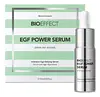
This anti-aging serum is formulated around Acetyl Glucosamine and Sh-Oligopeptide-1 to soften the look of wrinkles and fade the look of dark spots.
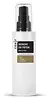
This anti-aging moisturizer is formulated around Niacinamide and Sh-Oligopeptide-1 to soften the look of wrinkles.


What's inside
What's inside
 Key Ingredients
Benefits
Concerns
No concerns
Ingredients Side-by-side


Water
Skin ConditioningButylene Glycol
Humectant

Caprylic/Capric Triglyceride
Masking
Helianthus Annuus Seed Oil
Emollient


Butylene Glycol Dicaprylate/Dicaprate
EmollientNiacinamide
Smoothing










Sodium Hyaluronate
Humectant
1,2-Hexanediol
Skin Conditioning
Arachidyl Alcohol
Emollient
Behenyl Alcohol
Emollient
Arachidyl Glucoside
EmulsifyingCyclomethicone
Emollient
Adenosine
Skin Conditioning
Glycerin
Humectant
Hydrogenated Lecithin
Emulsifying
Sh-Oligopeptide-1
Skin Conditioning
Copper Tripeptide-1
Skin Conditioning
Glyceryl Stearate
Emollient
PEG-100 Stearate
Surfactant
Polysorbate 60
Emulsifying
Diisostearyl Malate
EmollientDimethicone
Emollient
Myrciaria Dubia Fruit Extract
Skin ConditioningEuterpe Oleracea Fruit Extract
Sorbitan Stearate
Emulsifying
Allantoin
Skin Conditioning
Xanthan Gum
EmulsifyingTocopheryl Acetate
Antioxidant

Lonicera Japonica Flower Extract
Skin ConditioningSolanum Lycopersicum Fruit Extract
Antioxidant
Lilium Tigrinum Extract
Skin ConditioningNelumbo Nucifera Seed Extract
Antimicrobial
Chrysanthemum Indicum Flower Extract
Skin Conditioning
Hydrolyzed Collagen
Emollient
Acanthopanax Senticosus Root Extract
Skin ConditioningPunica Granatum Fruit Extract
Antioxidant
Panax Ginseng Root Extract
Emollient
Carthamus Tinctorius Flower Extract
Skin ConditioningCarbomer
Emulsion StabilisingDisodium EDTA
ChelatingArginine
Masking
Malva Sylvestris Flower Extract
Skin ConditioningBuddleja Davidii Extract
Skin ConditioningThymus Vulgaris Extract
Perfuming
Camellia Sinensis Callus Culture Extract
Perfuming
Phaseolus Radiatus Meristem Cell Culture Extract
Skin ConditioningPanax Ginseng Callus Culture Extract
Skin ConditioningEthylhexylglycerin
Skin ConditioningPyrus Malus Leaf Extract
Skin ConditioningTheobroma Cacao Extract
Skin ConditioningVanilla Planifolia Fruit Extract
Skin Conditioning
Fragaria Chiloensis Fruit Extract
Skin Conditioning
Prunus Persica Fruit Extract
Abrasive
Musa Sapientum Fruit Extract
Skin ConditioningCocos Nucifera Oil
Masking


Prunus Domestica Fruit Extract
MoisturisingWater, Butylene Glycol, Caprylic/Capric Triglyceride, Helianthus Annuus Seed Oil, Butylene Glycol Dicaprylate/Dicaprate, Niacinamide, Sodium Hyaluronate, 1,2-Hexanediol, Arachidyl Alcohol, Behenyl Alcohol, Arachidyl Glucoside, Cyclomethicone, Adenosine, Glycerin, Hydrogenated Lecithin, Sh-Oligopeptide-1, Copper Tripeptide-1, Glyceryl Stearate, PEG-100 Stearate, Polysorbate 60, Diisostearyl Malate, Dimethicone, Myrciaria Dubia Fruit Extract, Euterpe Oleracea Fruit Extract, Sorbitan Stearate, Allantoin, Xanthan Gum, Tocopheryl Acetate, Lonicera Japonica Flower Extract, Solanum Lycopersicum Fruit Extract, Lilium Tigrinum Extract, Nelumbo Nucifera Seed Extract, Chrysanthemum Indicum Flower Extract, Hydrolyzed Collagen, Acanthopanax Senticosus Root Extract, Punica Granatum Fruit Extract, Panax Ginseng Root Extract, Carthamus Tinctorius Flower Extract, Carbomer, Disodium EDTA, Arginine, Malva Sylvestris Flower Extract, Buddleja Davidii Extract, Thymus Vulgaris Extract, Camellia Sinensis Callus Culture Extract, Phaseolus Radiatus Meristem Cell Culture Extract, Panax Ginseng Callus Culture Extract, Ethylhexylglycerin, Pyrus Malus Leaf Extract, Theobroma Cacao Extract, Vanilla Planifolia Fruit Extract, Fragaria Chiloensis Fruit Extract, Prunus Persica Fruit Extract, Musa Sapientum Fruit Extract, Cocos Nucifera Oil, Prunus Domestica Fruit Extract
Reviews
Ingredients Explained
These ingredients are found in both products.
Ingredients higher up in an ingredient list are typically present in a larger amount.
Glycerin (or glycerol) is a compound naturally found in your skin. It's a powerhouse humectant that pulls water into the stratum corneum.
Topically, glycerin does several things at once:
Your skin makes glycerin on its own (mostly from sebaceous oil breakdown) and shuttles it to your outermost layer of skin, or your epidermis, via aquaporin-3.
Aquaporin-3 is a transporter that is essential for normal skin hydration, elasticity, and repair. Interestingly, mice lacking in AQP3 have dry and less elastic skin that can be fully corrected with glycerin.
This ingredient is non-irritating, plays well with almost every ingredient, and works across all skin types. Typical use is anywhere between 3-10% but can go up to 79% in some leave-on products.
Just know very high concentrations (>40%) can feel tacky in low humidity.
Glycerin is the name for this ingredient in American English. British English uses Glycerol/Glycerine.
Learn more about Glycerinsh-Oligopeptide-1 is a peptide found naturally in our bodies. Peptides are the building blocks for collagen and elastin in our skin.
In cosmetics, this ingredient is bioengineered to be identical to a human gene that codes for epidermal growth factor (EGF). EGF are signal molecules that simulate cell growth and healing.
Studies find EGF help with:
In South Korea and China, EGF is considered a controversial ingredient. The South Korean Ministry of Food and Drug Safety has cracked down on companies with products including EGF due to false advertisement claims.
According to Dr. Zoe Draelos, growth factors have some drawbacks:
There is also controversy surrounding growth factors. The controversy is due to their mitogenic activity, or their ability to increase the number of cells. It is best to avoid using growth factors if you have psoriasis or are at risk of skin cancer. However, it should be noted EGF are not mutagenic - meaning they will not cause cancer.
Learn more about Sh-Oligopeptide-1Sodium Hyaluronate is the salt form of hyaluronic acid. It is a long sugar chain that is naturally found in your skin, joints, and connective tissue that maintains hydration and elasticity.
In skincare, it works as a humectant. It pulls water from the environment and deeper layers of skin and binds it to the surface.
Interestingly, the size of the molecule affects its behavior:
Some clinical evidence links low molecular weight versions to improved wrinkle depth, elasticity, anti-inflammatory effects, and barrier repair.
Many serums use a blend of both weights so you can get surface hydration plus longer-lasting and deeper effects.
You'll typically see concentrations between 0.1-2% for this ingredient.
Learn more about Sodium HyaluronateWater. It's the most common cosmetic ingredient of all. You'll usually see it at the top of ingredient lists, meaning that it makes up the largest part of the product.
So why is it so popular? Water most often acts as a solvent - this means that it helps dissolve other ingredients into the formulation.
You'll also recognize water as that liquid we all need to stay alive. If you see this, drink a glass of water. Remember to stay hydrated!
Learn more about Water

