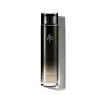
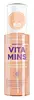
AP Prime Reserve Retrinity Essence Lotion Versus Wet n Wild Take Your Vitamins Super Nutrient Face Mist
This anti-aging essence is formulated around Niacinamide and Adenosine to soften the look of wrinkles and brighten dull-looking skin.
This brightening essence is formulated around 3-O-Ethyl Ascorbic Acid and Panthenol to brighten dull-looking skin and hydrate skin.


What's inside
What's inside
 Key Ingredients
Benefits
Concerns
Ingredients Side-by-side
Camellia Sinensis Leaf Water
Masking
Butylene Glycol
Humectant

Glycerin
Humectant
Alcohol Denat.
Antimicrobial




1,2-Hexanediol
Skin Conditioning
Water
Skin ConditioningNiacinamide
Smoothing









Glyceryl Polymethacrylate
Methyl Gluceth-20
Humectant
PPG-13-Decyltetradeceth-24
EmulsifyingCaffeine
Skin Conditioning
Bis-PEG-18 Methyl Ether Dimethyl Silane
EmollientCarbomer
Emulsion StabilisingDextrin
AbsorbentTromethamine
BufferingDisodium EDTA
ChelatingEthylhexylglycerin
Skin ConditioningParfum
Masking
Propanediol
Solvent
Haberlea Rhodopensis Leaf Extract
Skin ConditioningCyclodextrin
AbsorbentAdenosine
Skin Conditioning
Betaine
Humectant
Xanthan Gum
EmulsifyingXylitol
Humectant
Camellia Sinensis Leaf Extract
Antimicrobial
Trehalose
Humectant
Alcohol
Antimicrobial
Aureobasidium Pullulans Ferment
Skin ConditioningLactobacillus Ferment Lysate
Skin Conditioning
Theobroma Cacao Extract
Skin ConditioningBeta-Glucan
Skin Conditioning
Bioflavonoids
Skin ConditioningLinalool
Perfuming
Poloxamer 235
EmulsifyingSodium Hyaluronate
Humectant
Camellia Sinensis Root Extract
Perfuming
Epigallocatechin Gallate
Antioxidant
Ethoxydiglycol
HumectantTocophersolan
Antioxidant
Poloxamer 338
EmulsifyingTocopherol
Antioxidant
Sodium Benzoate
Masking
Lactic Acid
Buffering
Potassium Sorbate
Preservative
Diamond Powder
Abrasive
Caprylyl Glycol
Emollient
Camellia Sinensis Leaf Water, Butylene Glycol, Glycerin, Alcohol Denat., 1,2-Hexanediol, Water, Niacinamide, Glyceryl Polymethacrylate, Methyl Gluceth-20, PPG-13-Decyltetradeceth-24, Caffeine, Bis-PEG-18 Methyl Ether Dimethyl Silane, Carbomer, Dextrin, Tromethamine, Disodium EDTA, Ethylhexylglycerin, Parfum, Propanediol, Haberlea Rhodopensis Leaf Extract, Cyclodextrin, Adenosine, Betaine, Xanthan Gum, Xylitol, Camellia Sinensis Leaf Extract, Trehalose, Alcohol, Aureobasidium Pullulans Ferment, Lactobacillus Ferment Lysate, Theobroma Cacao Extract, Beta-Glucan, Bioflavonoids, Linalool, Poloxamer 235, Sodium Hyaluronate, Camellia Sinensis Root Extract, Epigallocatechin Gallate, Ethoxydiglycol, Tocophersolan, Poloxamer 338, Tocopherol, Sodium Benzoate, Lactic Acid, Potassium Sorbate, Diamond Powder, Caprylyl Glycol
Water
Skin ConditioningGlycerin
Humectant
Butylene Glycol
Humectant
Sorbitol
Humectant
Ethoxydiglycol
HumectantPhenoxyethanol
Preservative
Ethylhexylglycerin
Skin ConditioningPPG-26-Buteth-26
Skin ConditioningPEG-40 Hydrogenated Castor Oil
Emulsifying

Citric Acid
Buffering
Parfum
Masking
3-O-Ethyl Ascorbic Acid
Skin Conditioning
Disodium EDTA
ChelatingPanthenol
Skin Conditioning
Sodium Hydroxide
BufferingGalactomyces Ferment Filtrate
Humectant
Niacinamide
Smoothing
Polysorbate 20
Emulsifying
Rosa Canina Fruit Extract
Astringent
Alcohol
Antimicrobial
Citrus Aurantium Dulcis Peel Extract
Emulsion Stabilising
Collagen Amino Acids
Moisturising
Linolenic Acid
Cleansing
Oleic Acid
Emollient

Linoleic Acid
Cleansing
Citrus Limon Peel Extract
EmollientLeuconostoc/Radish Root Ferment Filtrate
Antimicrobial
Sodium Hyaluronate
Humectant
Stearic Acid
Cleansing
Tocopherol
Antioxidant
Palmitic Acid
Emollient
Myrica Rubra Fruit Extract
Skin ConditioningHydroxyacetophenone
Antioxidant
Sodium Benzoate
Masking
1,2-Hexanediol
Skin Conditioning
Caprylyl Glycol
Emollient
Akebia Quinata Stem Extract
Skin ConditioningPrunus Lannesiana Flower Extract
Skin ConditioningHelianthus Annuus Seed Oil
Emollient
Lactobacillus Ferment Lysate
Skin Conditioning
Saccharomyces Cerevisiae Extract
Skin Conditioning
Limonene
Perfuming
Water, Glycerin, Butylene Glycol, Sorbitol, Ethoxydiglycol, Phenoxyethanol, Ethylhexylglycerin, PPG-26-Buteth-26, PEG-40 Hydrogenated Castor Oil, Citric Acid, Parfum, 3-O-Ethyl Ascorbic Acid, Disodium EDTA, Panthenol, Sodium Hydroxide, Galactomyces Ferment Filtrate, Niacinamide, Polysorbate 20, Rosa Canina Fruit Extract, Alcohol, Citrus Aurantium Dulcis Peel Extract, Collagen Amino Acids, Linolenic Acid, Oleic Acid, Linoleic Acid, Citrus Limon Peel Extract, Leuconostoc/Radish Root Ferment Filtrate, Sodium Hyaluronate, Stearic Acid, Tocopherol, Palmitic Acid, Myrica Rubra Fruit Extract, Hydroxyacetophenone, Sodium Benzoate, 1,2-Hexanediol, Caprylyl Glycol, Akebia Quinata Stem Extract, Prunus Lannesiana Flower Extract, Helianthus Annuus Seed Oil, Lactobacillus Ferment Lysate, Saccharomyces Cerevisiae Extract, Limonene
Ingredients Explained
These ingredients are found in both products.
Ingredients higher up in an ingredient list are typically present in a larger amount.
1,2-Hexanediol is a synthetic liquid and another multi-functional powerhouse.
It is a:
- Humectant, drawing moisture into the skin
- Emollient, helping to soften skin
- Solvent, dispersing and stabilizing formulas
- Preservative booster, enhancing the antimicrobial activity of other preservatives
This ingredient is also called ethanol or ethyl alcohol. It is denatured, meaning made undrinkable for cosmetic use.
In formulas, it:
Is it bad for your skin?
The answer comes down to concentration. Patch and wash studies have found highly concentrated alcohol-based hand rubs (60-100%) cause less barrier disruption than washing with a basic detergent like SLS. The only measurable effect in these studies was a temporary dip in skin hydration.
Concentrations below 12-15% in leave-on cosmetics is generally well-tolerated. Concentrations above start to see increased transepidermal water loss (TEWL) and reduced hydration.
In concentrations about 58%, it creates temporary channels in your skin's lipid layers to become more permeable and allow other ingredients to slip through easily.
This ingredient can be up to 80% of the formula in alcohol-based perfumes.
Overall, this ingredient is probably harmless if found lower down an ingredients list but worth side-eyeing if it's high up (especially if your barrier is already struggling).
Alcohol can worsen dry skin, eczema, and oily skin, especially at higher concentrations. This is because it can increase transepidermal water loss and decrease hydration to disrupt the skin barrier.
According to the National Rosacea Society based in the US, you should be mindful of products with these alcohols in the top half of ingredients.
True allergic contact dermatitis to ethanol is uncommon, but be sure to patch test if you have dry or sensitive skin.
Learn more about AlcoholButylene Glycol (or BG) is used within cosmetic products for a few different reasons:
Overall, Butylene Glycol is a safe and well-rounded ingredient that works well with other ingredients.
Though this ingredient works well with most skin types, some people with sensitive skin may experience a reaction such as allergic rashes, closed comedones, or itchiness.
Learn more about Butylene GlycolCaprylyl Glycol is a humectant, skin conditioner, emollient, and preservative booster derived from either caprylic acid or synthetically created.
Typical use levels vary from 0.3-1% as a preservative booster and go up to 2% to condition skin.
Because it is not a free-fatty acid, this ingredient is fungal acne safe (there's nothing for Malassezia to feed on).
Learn more about Caprylyl GlycolDisodium EDTA is a chelating agent. It grabs onto and deactivates metal ions that sneak into your products from water, packaging, or air.
This ingredient mainly works behind the scenes and helps with:
On top of that, this ingredient can counteract the effects of hard water by binding to the minerals in it.
One thing worth knowing is that Disodium EDTA has been shown to be a mild penetration enhancer. It can help other ingredients absorb into skin more effectively which can be a double-edged sword (great for actives, but can also make the active too strong if you have sensitive skin).
Clinical patch testing showed no significant skin irritation at typical use concentrations and minimal dermal absorption.
You'll most likely see this ingredient near the end of an ingredient list. It's typically found in concentrations less than 1%.
Learn more about Disodium EDTAEthoxydiglycol (aka Diethylene Glycol Monoethyl Ether) is one of the cosmetic world's quiet problem solvers.
In a formula, it is a solvent that dissolves tricky ingredients that don't want to mix in and helps spread ingredients evenly across your skin without leaving a greasy or sticky feeling
This makes it great for hard-to-dissolve actives like vitamin C, benzoyl peroxide, and self-tanner DHA.
It also has mild humectant and penetration enhancer abilities so it can help some actives absorb a little deeper.
The penetration boost is backed by lab research: studies using human skin samples found it improved how well an active dissolves into the upper layer of skin rather than tearing down your skin barrier. Reviews of its mechanism also describe it interacting gently with the lipids and water in your outermost layer of skin.
Just know this penetration-enhancing effect is not universal. It helps a lot in some formulas and did very little in others (so the benefit really depends on the specific product).
Safety-wise, the evidence is reassuring. The Cosmetic Ingredient Review Expert Panel reviewed it and concluded it's safe for use in cosmetics and recognized it as non-irritating, non-sensitizing, and non-comedogenic in skincare.
Typical leave-on skincare usage lands around 1-10%. The EU has sets caps of 2.6% in non-spray products, 10% in rinse-offs, 7% in oxidative hair dye, and 5% in non-oxidative hair dye.
Learn more about EthoxydiglycolEthylhexylglycerin is created from glycerin. It is a multitasker ingredient that:
The CIR Expert Panel found minimal skin absorption or sensitization of any kind in a safety assessment. Though this ingredient is considered well-tolerated, a small number of cases of allergic dermatitis have been published since 2002. Just be sure to patch test if you are unsure.
Industry-reported use ranges from 8% in rinse-off products and 2% in leave-on formulations.
Learn more about EthylhexylglycerinGlycerin (or glycerol) is a compound naturally found in your skin. It's a powerhouse humectant that pulls water into the stratum corneum.
Topically, glycerin does several things at once:
Your skin makes glycerin on its own (mostly from sebaceous oil breakdown) and shuttles it to your outermost layer of skin, or your epidermis, via aquaporin-3.
Aquaporin-3 is a transporter that is essential for normal skin hydration, elasticity, and repair. Interestingly, mice lacking in AQP3 have dry and less elastic skin that can be fully corrected with glycerin.
This ingredient is non-irritating, plays well with almost every ingredient, and works across all skin types. Typical use is anywhere between 3-10% but can go up to 79% in some leave-on products.
Just know very high concentrations (>40%) can feel tacky in low humidity.
Glycerin is the name for this ingredient in American English. British English uses Glycerol/Glycerine.
Learn more about GlycerinLactobacillus Ferment Lysate is a postbiotic with skin soothing properties. Postbiotics are inactive molecules produced by probiotic bacteria that provide skin benefits.
This ingredient comes from the secretion of the bacteria, Lactobacillus.
Studies show this ingredient can help calm redness and may help treat the signs of photoaging; however, the evidence is inconclusive and further studies are needed.
Lactobacillus Ferment is generally considered safe for fungal-acne prone skin. The key thing to understand is that it comes from bacteria, not yeast or fungus.
Yeast-derived ferments (like galactomyces) have been shown to activate a protein that's linked to Malassezia-related skin issues whereas lactobacillus doesn't have that problem.
Its byproducts also don't contain the types of fatty acids (C11-24 chain lengths) that Malassezia feeds on.
Learn more about Lactobacillus Ferment LysateNiacinamide is a multitasking form of vitamin B3 that strengthens the skin barrier, reduces pores and dark spots, regulates oil, and improves signs of aging.
And the best part? It's gentle and well-tolerated by most skin types, including sensitive and reactive skin.
You might have heard of "niacin flush", or the reddening of skin that causes itchiness. Niacinamide has not been found to cause this.
In very rare cases, some individuals may not be able to tolerate niacinamide at all or experience an allergic reaction to it.
If you are experiencing flaking, irritation, and dryness with this ingredient, be sure to double check all your products as this ingredient can be found in all categories of skincare.
When incorporating niacinamide into your routine, look out for concentration amounts. Typically, 5% niacinamide provides benefits such as fading dark spots. However, if you have sensitive skin, it is better to begin with a smaller concentration.
When you apply niacinamide to your skin, your body converts it into nicotinamide adenine dinucleotide (NAD). NAD is an essential coenzyme that is already found in your cells as "fuel" and powers countless biological processes.
In your skin, NAD helps repair cell damage, produce new healthy cells, support collagen production, strengthen the skin barrier, and fight environmental stressors (like UV and pollution).
Our natural NAD levels start to decline with age, leading to slower skin repair, visible aging, and a weaker skin barrier. By providing your skin niacinamide, you're recharging your skin's NAD levels. This leads to stronger, healthier, and younger looking skin.
Another name for vitamin B3 is nicotinamide. This vitamin is water-soluble and our bodies don't store it. We obtain Vitamin B3 from either food or skincare. Meat, fish, wheat, yeast, and leafy greens contain vitamin B3.
The type of niacinamide used in skincare is synthetically created.
Learn more about NiacinamideParfum is a catch-all term for an ingredient or more that is used to give a scent to products.
Also called "fragrance", this ingredient can be a blend of hundreds of chemicals or plant oils. This means every product with "fragrance" or "parfum" in the ingredients list is a different mixture.
For instance, Habanolide is a proprietary trade name for a specific aroma chemical. When used as a fragrance ingredient in cosmetics, most aroma chemicals fall under the broad labeling category of “FRAGRANCE” or “PARFUM” according to EU and US regulations.
The term 'parfum' or 'fragrance' is not regulated in many countries. In many cases, it is up to the brand to define this term.
For instance, many brands choose to label themselves as "fragrance-free" because they are not using synthetic fragrances. However, their products may still contain ingredients such as essential oils that are considered a fragrance by INCI standards.
One example is Calendula flower extract. Calendula is an essential oil that still imparts a scent or 'fragrance'.
Depending on the blend, the ingredients in the mixture can cause allergies and sensitivities on the skin. Some ingredients that are known EU allergens include linalool and citronellol.
Parfum can also be used to mask or cover an unpleasant scent.
The bottom line is: not all fragrances/parfum/ingredients are created equally. If you are worried about fragrances, we recommend taking a closer look at an ingredient. And of course, we always recommend speaking with a professional.
Learn more about ParfumSodium Benzoate is a preservative. It's used in both cosmetic and food products to inhibit the growth of mold and bacteria. It is typically produced synthetically.
Both the US FDA and EU Health Committee have approved the use of sodium benzoate. In the US, levels of 0.1% (of the total product) are allowed.
Sodium benzoate works as a preservative by inhibiting the growth of bacteria inside of cells. It prevents the cell from fermenting a type of sugar using an enzyme called phosphofructokinase.
It is the salt of benzoic acid. Foods containing sodium benzoate include soda, salad dressings, condiments, fruit juices, wines, and snack foods.
Studies for using ascorbic acid and sodium benzoate in cosmetics are lacking, especially in skincare routines with multiple steps.
We always recommend speaking with a professional, such as a dermatologist, if you have any concerns.
Learn more about Sodium BenzoateSodium Hyaluronate is the salt form of hyaluronic acid. It is a long sugar chain that is naturally found in your skin, joints, and connective tissue that maintains hydration and elasticity.
In skincare, it works as a humectant. It pulls water from the environment and deeper layers of skin and binds it to the surface.
Interestingly, the size of the molecule affects its behavior:
Some clinical evidence links low molecular weight versions to improved wrinkle depth, elasticity, anti-inflammatory effects, and barrier repair.
Many serums use a blend of both weights so you can get surface hydration plus longer-lasting and deeper effects.
You'll typically see concentrations between 0.1-2% for this ingredient.
Learn more about Sodium HyaluronateTocopherol is a fat-soluble antioxidant known as Vitamin E.
You'll find this ingredient in the vast majority of skincare (for good reason). It works to neutralize free radicals, or unstable molecules generated by UV exposure, pollution, and other environmental stressors, before they can cause oxidative damage to your skin cells.
Topically applied tocopherol has been shown to protect against UV damage by ramping up the skin's own natural defense enzymes.
It also acts as a skin conditioning agent; some studies show that regular topical use can improve the skin's water-binding capacity over 2-4 weeks.
This ingredient is especially loved for being a team player. When combined with Vitamin C, the photoprotective effect of both ingredients roughly doubles and the combo also helps reduce UV-induced DNA damage.
This ingredient has some brightening potential but it's more of a prevention ingredient than spot-fader. Cell studies show it can slow down melanin production but it's worth noting that it's not the most powerful brightener out there.
In formulations, it also serves as a stabilizer that helps protect other oxidation-prone ingredients from degrading.
Concentrations usually range from 0.1-1% in most leave-on products.
Learn more about TocopherolWater. It's the most common cosmetic ingredient of all. You'll usually see it at the top of ingredient lists, meaning that it makes up the largest part of the product.
So why is it so popular? Water most often acts as a solvent - this means that it helps dissolve other ingredients into the formulation.
You'll also recognize water as that liquid we all need to stay alive. If you see this, drink a glass of water. Remember to stay hydrated!
Learn more about Water

