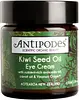
This eye moisturizer is formulated around Persea Gratissima Oil to hydrate skin.
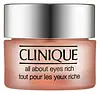
This anti-aging eye moisturizer is formulated around Butyrospermum Parkii Butter and Palmitoyl Oligopeptide to soften the look of wrinkles and hydrate skin.

What's inside
What's inside
 Key Ingredients
Benefits
Concerns
Ingredients Side-by-side
Water
Skin ConditioningPersea Gratissima Oil
Skin Conditioning





Glycerin
Humectant

Cetearyl Glucoside
Emulsifying
Cetearyl Alcohol
Emollient


Stearic Acid
Cleansing
Glyceryl Stearate
Emollient
Tocopherol
Antioxidant





Helianthus Annuus Seed Oil
Emollient
Dehydroacetic Acid
Preservative
Benzyl Alcohol
Perfuming




Daucus Carota Sativa Seed Oil
Emollient
Actinidia Chinensis Seed Oil
Emollient
Salvia Officinalis Oil
Masking
Bisabolol
Antioxidant
Vitis Vinifera Seed Extract
Antimicrobial
Water, Persea Gratissima Oil, Glycerin, Cetearyl Glucoside, Cetearyl Alcohol, Stearic Acid, Glyceryl Stearate, Tocopherol, Helianthus Annuus Seed Oil, Dehydroacetic Acid, Benzyl Alcohol, Daucus Carota Sativa Seed Oil, Actinidia Chinensis Seed Oil, Salvia Officinalis Oil, Bisabolol, Vitis Vinifera Seed Extract
Water
Skin ConditioningButyrospermum Parkii Butter
Skin Conditioning
Cetearyl Alcohol
Emollient
Butylene Glycol
Humectant
Hydrogenated Polyisobutene
EmollientPhenyl Trimethicone
Skin Conditioning
Polyglyceryl-3 Beeswax
Emulsifying
Polybutene
Sucrose
Humectant
Cetyl Esters
Emollient
Polymethyl Methacrylate

Isostearyl Neopentanoate
Emollient
Glycerin
Humectant
Cetearyl Glucoside
Emulsifying
Tocopheryl Acetate
Antioxidant
Triticum Vulgare Germ Extract
Skin ConditioningHordeum Vulgare Extract
EmollientSigesbeckia Orientalis Extract
Skin ConditioningPEG-100 Stearate
Surfactant
Coleus Barbatus Root Extract
Skin ConditioningBetula Alba Bark Extract
Masking
Polysilicone-11
Methyl Glucose Sesquistearate
Emollient
Camellia Sinensis Leaf Extract
Antimicrobial
Salvia Officinalis Leaf
MaskingGlyceryl Polymethacrylate
Faex Extract
Skin ConditioningGentiana Lutea Root Extract
Skin ConditioningStearic Acid
Cleansing
Milk Protein
Skin ConditioningWhey Protein
Skin ConditioningPalmitoyl Oligopeptide
Cleansing
Squalane
Emollient
Magnesium Ascorbyl Phosphate
Antioxidant

Cholesterol
Emollient
Caffeine
Skin Conditioning
PEG-8
HumectantPhytosphingosine
Skin Conditioning
Acrylates/C10-30 Alkyl Acrylate Crosspolymer
Emulsion StabilisingAminomethyl Propanol
BufferingDimethicone
Emollient
Isomerized Linoleic Acid
Skin Conditioning
Linoleic Acid
Cleansing
Sodium Hyaluronate
Humectant
1,2-Hexanediol
Skin Conditioning
Decarboxy Carnosine Hcl
Skin ConditioningPotassium Sulfate
Caprylyl Glycol
Emollient
Disodium EDTA
ChelatingSodium Dehydroacetate
Preservative
Phenoxyethanol
Preservative
CI 19140
Cosmetic ColorantMica
Cosmetic ColorantCI 77491
Cosmetic ColorantCI 77492
Cosmetic ColorantCI 77499
Cosmetic ColorantCI 77891
Cosmetic ColorantWater, Butyrospermum Parkii Butter, Cetearyl Alcohol, Butylene Glycol, Hydrogenated Polyisobutene, Phenyl Trimethicone, Polyglyceryl-3 Beeswax, Polybutene, Sucrose, Cetyl Esters, Polymethyl Methacrylate, Isostearyl Neopentanoate, Glycerin, Cetearyl Glucoside, Tocopheryl Acetate, Triticum Vulgare Germ Extract, Hordeum Vulgare Extract, Sigesbeckia Orientalis Extract, PEG-100 Stearate, Coleus Barbatus Root Extract, Betula Alba Bark Extract, Polysilicone-11, Methyl Glucose Sesquistearate, Camellia Sinensis Leaf Extract, Salvia Officinalis Leaf, Glyceryl Polymethacrylate, Faex Extract, Gentiana Lutea Root Extract, Stearic Acid, Milk Protein, Whey Protein, Palmitoyl Oligopeptide, Squalane, Magnesium Ascorbyl Phosphate, Cholesterol, Caffeine, PEG-8, Phytosphingosine, Acrylates/C10-30 Alkyl Acrylate Crosspolymer, Aminomethyl Propanol, Dimethicone, Isomerized Linoleic Acid, Linoleic Acid, Sodium Hyaluronate, 1,2-Hexanediol, Decarboxy Carnosine Hcl, Potassium Sulfate, Caprylyl Glycol, Disodium EDTA, Sodium Dehydroacetate, Phenoxyethanol, CI 19140, Mica, CI 77491, CI 77492, CI 77499, CI 77891
Reviews
Ingredients Explained
These ingredients are found in both products.
Ingredients higher up in an ingredient list are typically present in a larger amount.
Cetearyl alcohol is a waxy mixture of two fatty alcohols: cetyl alcohol and stearyl alcohol. It is an emollient and emulsifier.
Despite having "alcohol" in its name, it has nothing to do with drying solvent alcohols; the FDA also allows "alcohol-free" products to contain fatty alcohols like this ingredient.
It plays several roles in a formula:
Typical use levels for this ingredient sit around 1-10% and the Cosmetic Ingredient Review Expert Panel has affirmed safety at concentrations up to 25% in leave-on products.
Multiple assessments have found it to be non-irritating and non-sensitizing to most people.
However, there have been some cases of allergic contact dermatitis in patients with chronically compromised skin barriers.
Cetearyl alcohol has a comedogenic rating of 2 and irritancy rating of 1. Both of these numbers come from the 1989 study that used rabbit ears; a "2" means mildly comedogenic and a "1" means low irritancy.
Here's the catch: rabbit skin is more sensitive than human skin and throws a lot of false positives. A 1996 reappraisal found that ingredients rated 1-2 in the rabbit ear tests are generally safe for humans.
Remember comedogenic ratings are unable to assess the entire formula of a product or how it will react on your skin. Just be sure to patch test if you are unsure about certain ingredients.
This ingredient is not fungal acne safe. Cetearyl alcohol is a fatty alcohol with chain lengths that fall within the range that Malassezia can metabolize.
A 2019 study has also observed Malassezia growth in the presence of this ingredient, confirming it to be not-fungal acne safe.
Learn more about Cetearyl AlcoholCetearyl Glucoside is a sugar-based emulsifier. It is usually made by combining cetearyl alcohol and glucose.
Belonging to the aklyl polyglucoside (APG) family, Cetearyl Glucoside has a sugar "head" that loves water and a fatty "tail" that loves oil. This means it can shuffle oil and water into a stable and smooth emulsion.
Typical use levels are between 1-5% and this ingredient is considered to be non-irritating by the CIR Expert Panel Review.
Once applied, your skin's glucoside hydrolases breaks it down to the parent fatty alcohol and glucose. This is why this ingredient may not be fungal acne safe.
Learn more about Cetearyl GlucosideGlycerin (or glycerol) is a compound naturally found in your skin. It's a powerhouse humectant that pulls water into the stratum corneum.
Topically, glycerin does several things at once:
Your skin makes glycerin on its own (mostly from sebaceous oil breakdown) and shuttles it to your outermost layer of skin, or your epidermis, via aquaporin-3.
Aquaporin-3 is a transporter that is essential for normal skin hydration, elasticity, and repair. Interestingly, mice lacking in AQP3 have dry and less elastic skin that can be fully corrected with glycerin.
This ingredient is non-irritating, plays well with almost every ingredient, and works across all skin types. Typical use is anywhere between 3-10% but can go up to 79% in some leave-on products.
Just know very high concentrations (>40%) can feel tacky in low humidity.
Glycerin is the name for this ingredient in American English. British English uses Glycerol/Glycerine.
Learn more about GlycerinStearic Acid is a fatty acid that is already found in your skin. It's one of the free fatty acids that works alongside ceramides and cholesterols to maintain your barrier.
In cosmetics, it is a multitasker:
Safety-wise, the CIR Expert Panel has concluded it to be safe in cosmetics when formulated to be non-irritating and non-sensitizing.
Free stearic acid is a C18 fatty acid that the Malassezia yeast can substrate, so this ingredient may not be fungal acne safe.
Learn more about Stearic AcidWater. It's the most common cosmetic ingredient of all. You'll usually see it at the top of ingredient lists, meaning that it makes up the largest part of the product.
So why is it so popular? Water most often acts as a solvent - this means that it helps dissolve other ingredients into the formulation.
You'll also recognize water as that liquid we all need to stay alive. If you see this, drink a glass of water. Remember to stay hydrated!
Learn more about Water

