
What's inside
What's inside
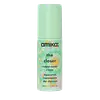 Key Ingredients
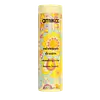
Benefits
Concerns
Ingredients Side-by-side
Water
Skin ConditioningAloe Barbadensis Leaf Juice
Skin Conditioning


Dimethicone
Emollient

Isopropyl Palmitate
Emollient




Glyceryl Stearate Se
Emulsifying
Glycerin
Humectant
Cetearyl Alcohol
Emollient

Cetearyl Glucoside
Emulsifying
Polyquaternium-55
Hippophae Rhamnoides Fruit/Seed Oil
Antimicrobial
Borago Officinalis Seed Oil
Emollient
Mangifera Indica Seed Butter
Skin Conditioning
Butyrospermum Parkii Butter
Skin Conditioning
Guar Hydroxypropyltrimonium Chloride
Skin ConditioningGalactoarabinan
Camellia Sinensis Leaf Extract
Antimicrobial




Lavandula Angustifolia Flower Extract
Cleansing

Panthenol
Skin Conditioning
Hydrolyzed Quinoa
Skin ConditioningHydrolyzed Rice Protein
Skin ConditioningHydrolyzed Adansonia Digitata Seed Extract
Hydrolyzed Vegetable Protein
Skin ConditioningCoco-Caprylate/Caprate
Emollient
Coconut Alkanes
Emollient
Olealkonium Chloride
Cinnamidopropyltrimonium Chloride
Polyquaternium-11
Coceth-7
EmulsifyingButylene Glycol
Humectant
Acrylamidopropyltrimonium Chloride/Acrylates Copolymer
Bis-PCA Dimethicone
Disodium PEG-12 Dimethicone Sulfosuccinate
Cleansing
Isohexadecane
EmollientAminomethyl Propanol
BufferingCaprylyl Glycol
Emollient
Sorbitan Isostearate
Emulsifying
Potassium Sorbate
Preservative
Sodium Benzoate
Masking
Citric Acid
Buffering
Benzyl Alcohol
Perfuming


Alcohol
Antimicrobial
Phenoxyethanol
Preservative
Parfum
Masking
Benzyl Benzoate
Antimicrobial
Hydroxycitronellal
Perfuming
Limonene
Perfuming
Citronellol
Perfuming
Coumarin
Perfuming
Water, Aloe Barbadensis Leaf Juice, Dimethicone, Isopropyl Palmitate, Glyceryl Stearate Se, Glycerin, Cetearyl Alcohol, Cetearyl Glucoside, Polyquaternium-55, Hippophae Rhamnoides Fruit/Seed Oil, Borago Officinalis Seed Oil, Mangifera Indica Seed Butter, Butyrospermum Parkii Butter, Guar Hydroxypropyltrimonium Chloride, Galactoarabinan, Camellia Sinensis Leaf Extract, Lavandula Angustifolia Flower Extract, Panthenol, Hydrolyzed Quinoa, Hydrolyzed Rice Protein, Hydrolyzed Adansonia Digitata Seed Extract, Hydrolyzed Vegetable Protein, Coco-Caprylate/Caprate, Coconut Alkanes, Olealkonium Chloride, Cinnamidopropyltrimonium Chloride, Polyquaternium-11, Coceth-7, Butylene Glycol, Acrylamidopropyltrimonium Chloride/Acrylates Copolymer, Bis-PCA Dimethicone, Disodium PEG-12 Dimethicone Sulfosuccinate, Isohexadecane, Aminomethyl Propanol, Caprylyl Glycol, Sorbitan Isostearate, Potassium Sorbate, Sodium Benzoate, Citric Acid, Benzyl Alcohol, Alcohol, Phenoxyethanol, Parfum, Benzyl Benzoate, Hydroxycitronellal, Limonene, Citronellol, Coumarin
Water
Skin ConditioningArnica Montana Flower Extract
Masking
Prunus Serotina Bark Extract
MaskingHippophae Rhamnoides Fruit/Seed Oil
Antimicrobial
Myristyl Alcohol
Emollient
Glycerin
Humectant
Ethylhexylglycerin
Skin ConditioningPEG-8 Distearate
Emulsifying
Hydroxyethyl Behenamidopropyl Dimonium Chloride
PPG-2 Myristyl Ether Propionate
Emollient
Cinnamidopropyltrimonium Chloride
Phenyl Trimethicone
Skin Conditioning
Polyacrylate-13
Polysorbate 20
Emulsifying
Polyisobutene
Caprylyl Glycol
Emollient
Sorbic Acid
Preservative
Propylene Glycol
Humectant
Sorbitan Isostearate
Emulsifying
Microcrystalline Wax
Emulsion StabilisingParaffin
Skin Conditioning
Phenoxyethanol
Preservative
Polyethylene
Abrasive
Parfum
Masking
Benzyl Benzoate
Antimicrobial
Hydroxycitronellal
Perfuming
Limonene
Perfuming
Citronellol
Perfuming
Coumarin
Perfuming
Water, Arnica Montana Flower Extract, Prunus Serotina Bark Extract, Hippophae Rhamnoides Fruit/Seed Oil, Myristyl Alcohol, Glycerin, Ethylhexylglycerin, PEG-8 Distearate, Hydroxyethyl Behenamidopropyl Dimonium Chloride, PPG-2 Myristyl Ether Propionate, Cinnamidopropyltrimonium Chloride, Phenyl Trimethicone, Polyacrylate-13, Polysorbate 20, Polyisobutene, Caprylyl Glycol, Sorbic Acid, Propylene Glycol, Sorbitan Isostearate, Microcrystalline Wax, Paraffin, Phenoxyethanol, Polyethylene, Parfum, Benzyl Benzoate, Hydroxycitronellal, Limonene, Citronellol, Coumarin
Ingredients Explained
These ingredients are found in both products.
Ingredients higher up in an ingredient list are typically present in a larger amount.
Benzyl Benzoate is usually created from the condensation of benzoic acid and benzyl alcohol. It is used as a preservative, solvent, and has a floral/balsamic scent in large amounts.
As a preservative, Benzyl Benzoate works against bacteria and fungus. It is often used to treat scabies and lice in medicine.
Solvents are used to keep ingredients together in a product. They can help dissolve ingredients to stable bases or help evenly distribute ingredients throughout the product.
Due to its fragrance, Benzyl Benzoate can be sensitizing and may cause contact dermatitis. It is a known EU allergen. We recommend speaking with a professional if you have any concerns.
Benzyl Benzoate can be naturally found in cranberries and peaches.
Learn more about Benzyl BenzoateCaprylyl Glycol is a humectant, skin conditioner, emollient, and preservative booster derived from either caprylic acid or synthetically created.
Typical use levels vary from 0.3-1% as a preservative booster and go up to 2% to condition skin.
Because it is not a free-fatty acid, this ingredient is fungal acne safe (there's nothing for Malassezia to feed on).
Learn more about Caprylyl GlycolWe don't have a description for Cinnamidopropyltrimonium Chloride yet.
Citronellol is used to add fragrance/parfum to a product. It is often derived from plants such as roses. In fact, it can be found in many essential oils including geranium, lavender, neroli, and more. The scent of Citronellol is often described as "fresh, grassy, and citrus-like".
Since the Citronellol molecule is already unstable, Citronellol becomes irritating on the skin when exposed to air.
Citronellol is a modified terpene. Terpenes are unsaturated hydrocarbons found in plants. They make up the primary part of essential oils.
Citronellol is not able to be absorbed into deeper layers of the skin. It has low permeability,
Citronellol is also a natural insect repellent.
Learn more about CitronellolCoumarins are a group of substances found naturally in plants. There are over 1300 types of coumarins identified. It has a natural vanilla scent.
Coumarin is an identified EU known allergy, meaning it may cause an allergic reaction when applied to the skin.
In many countries, coumarin is banned as a food additive. However, it can be found in soaps, tobacco products, and some alcohol drinks.
Plants use coumarins as a chemical defense. Some plants that have coumarins include lavender, tonka beans, and yellow clovers.
Learn more about CoumarinGlycerin (or glycerol) is a compound naturally found in your skin. It's a powerhouse humectant that pulls water into the stratum corneum.
Topically, glycerin does several things at once:
Your skin makes glycerin on its own (mostly from sebaceous oil breakdown) and shuttles it to your outermost layer of skin, or your epidermis, via aquaporin-3.
Aquaporin-3 is a transporter that is essential for normal skin hydration, elasticity, and repair. Interestingly, mice lacking in AQP3 have dry and less elastic skin that can be fully corrected with glycerin.
This ingredient is non-irritating, plays well with almost every ingredient, and works across all skin types. Typical use is anywhere between 3-10% but can go up to 79% in some leave-on products.
Just know very high concentrations (>40%) can feel tacky in low humidity.
Glycerin is the name for this ingredient in American English. British English uses Glycerol/Glycerine.
Learn more about GlycerinHippophae Rhamnoides Fruit/Seed Oil comes from the seabuckthorn plant. It is rich in tocopherols, tocotrienols, and plant sterols.
This oil is rich in fatty acids, including: two types of linoleic acid (~30-34%), oleic acid (17%), and palmiteic acid (35%). Note these numbers are averages, and different parts of the plant will vary.
Palmitoleic acid has been shown to help soothe inflammation and promote wound healing. It is also naturally found in the fat of our skin.
Learn more about Hippophae Rhamnoides Fruit/Seed OilHydroxycitronellal is a fragrance created from citronellal. The smell of hydroxycitronellal is often described as "citrus-like" or "melon-like".
Hydroxycitronellal is a known EU allergen and may cause irritation when applied to the skin.
Limonene is the compound that gives citrus peel its smell.
In skincare, it shows up as a standalone fragrance ingredient or as a natural compound of citrus and other essential oils.
You'll typically see this ingredient used in very small amounts; anything above 0.001% in a leave-on product or 0.01% in a rinse-off has to be named on the label in the EU. The citrus oils that carry it sit around 0.5-1% in a finished formula.
Fresh limonene is a weak allergen; the real issue is that it slowly reacts with air and then breaks down from oxidation to create hydroperoxides (which are strong sensitizers). This is why suppliers are required to keep the peroxide value below 20 mmol.
Positive reactions in people being investigated for eczema vary:
It's worth skipping if you have a known fragrance allergy or a compromised barrier, but the risk is low for most people.
Older or long-opened products are also more likely to bother you than fresh ones due to oxidation.
Learn more about LimoneneParfum is a catch-all term for an ingredient or more that is used to give a scent to products.
Also called "fragrance", this ingredient can be a blend of hundreds of chemicals or plant oils. This means every product with "fragrance" or "parfum" in the ingredients list is a different mixture.
For instance, Habanolide is a proprietary trade name for a specific aroma chemical. When used as a fragrance ingredient in cosmetics, most aroma chemicals fall under the broad labeling category of “FRAGRANCE” or “PARFUM” according to EU and US regulations.
The term 'parfum' or 'fragrance' is not regulated in many countries. In many cases, it is up to the brand to define this term.
For instance, many brands choose to label themselves as "fragrance-free" because they are not using synthetic fragrances. However, their products may still contain ingredients such as essential oils that are considered a fragrance by INCI standards.
One example is Calendula flower extract. Calendula is an essential oil that still imparts a scent or 'fragrance'.
Depending on the blend, the ingredients in the mixture can cause allergies and sensitivities on the skin. Some ingredients that are known EU allergens include linalool and citronellol.
Parfum can also be used to mask or cover an unpleasant scent.
The bottom line is: not all fragrances/parfum/ingredients are created equally. If you are worried about fragrances, we recommend taking a closer look at an ingredient. And of course, we always recommend speaking with a professional.
Learn more about ParfumPhenoxyethanol is one of the most widely used preservatives in skincare (and for good reason!).
It has a large spectrum of antimicrobial activity and especially effective bacteria, yeast, and mold while only having a weak effect on your skin's natural microbiome.
On a cellular level, it disrupts the cell membranes of microbes by poking holes that make the cell leak. This shuts down the chemical reactions the microbe needs to make energy so it can no longer survive.
Another perk of this ingredient is that it stays functional across a wide pH range (3-10).
You'll often see it paired with boosters like Ethylhexylglycerin; one study showed that a 1:9 ratio of Ethylhexylglycerin to Phenoxyethanol damages bacterial membranes as effectively as doubling the Phenoxyethanol concentration on its own.
Typical use concentrations range from 0.3-1% depending on the formula, and this ingredient is capped at 1% int the EU.
Safety-wise, the fear mongering does not hold up to the evidence. The EU's Scientific Committee on Consumer Safety and FDA consider it safe as a preservative at up to 1%, including for children of all ages.
Adverse systemic effects only showed up in animal studies at exposures roughly 200x higher than what people get from cosmetics. And despite its very widespread use, this ingredient is a rare sensitizer and allergic reactions are uncommon.
Learn more about PhenoxyethanolSorbitan Isostearate is an emulsifer. It is created from isostearic acid and sorbitol.
As an emulsifier, it keeps the water and oil ingredients from separating. This keeps formulas stable and smooth.
In a 24 hour occlusive patch test on 56 subjects, 10% sorbitan isostearate was completely non-irritating. Most formulas use less than 10%.
Because it's a fatty acid ester, it may not be fungal acne safe since the Malassezia yeast can utilize it as a nutrient source.
Learn more about Sorbitan IsostearateWater. It's the most common cosmetic ingredient of all. You'll usually see it at the top of ingredient lists, meaning that it makes up the largest part of the product.
So why is it so popular? Water most often acts as a solvent - this means that it helps dissolve other ingredients into the formulation.
You'll also recognize water as that liquid we all need to stay alive. If you see this, drink a glass of water. Remember to stay hydrated!
Learn more about Water

