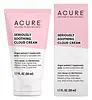
This calming moisturizer is formulated around Persea Gratissima Oil and Oenothera Biennis Oil to calm redness and hydrate skin.
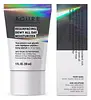
This smoothing moisturizer is formulated around Argania Spinosa Kernel Oil and Lactic Acid to refine skin texture and hydrate skin.

What's inside
What's inside
 Key Ingredients
Benefits
Concerns
Ingredients Side-by-side
Water
Skin ConditioningPersea Gratissima Oil
Skin Conditioning





Prunus Armeniaca Kernel Oil
Masking
Glyceryl Stearate Citrate
Emollient
Glycerin
Humectant

Glyceryl Stearate
Emollient
Prunus Amygdalus Dulcis Oil
Skin Conditioning
Cetyl Alcohol
Emollient

Glyceryl Laurate
Emollient
Simmondsia Chinensis Seed Oil
Emollient
Glyceryl Undecylenate
Emollient
Oenothera Biennis Oil
Emollient

Carthamus Tinctorius Seed Oil
Masking
Potassium Sorbate
Preservative
Xanthan Gum
EmulsifyingOlea Europaea Fruit Oil
Masking
Sodium Levulinate
Skin ConditioningCitric Acid
Buffering

Helianthus Annuus Seed Oil
Emollient
Sodium Phytate
ChelatingTocopherol
Antioxidant



Hypericum Perforatum Oil
Emollient
Anthemis Nobilis Flower Water
Masking
Aspalathus Linearis Leaf Extract
Skin ConditioningCalendula Officinalis Flower Extract
Masking
Chamomilla Recutita Flower Extract
Masking
Euterpe Oleracea Fruit Extract
Punica Granatum Extract
AstringentRosa Canina Fruit Extract
Astringent
Rubus Fruticosus Fruit Extract
AstringentArgania Spinosa Kernel Oil
Emollient
Isomalt
HumectantAlcohol
Antimicrobial


Gardenia Jasminoides Meristem Cell Culture
Antioxidant
Echinacea Angustifolia Extract
MoisturisingMarrubium Vulgare Meristem Cell Culture
Skin ProtectingChlorella Vulgaris Extract
Skin ConditioningPhospholipids
Skin Conditioning
Leuconostoc/Radish Root Ferment Filtrate
Antimicrobial
Hyaluronic Acid
Humectant
Argania Spinosa Callus Culture Extract
Skin ConditioningLecithin
Emollient
Ubiquinone
Antioxidant
Sodium Benzoate
Masking
Water, Persea Gratissima Oil, Prunus Armeniaca Kernel Oil, Glyceryl Stearate Citrate, Glycerin, Glyceryl Stearate, Prunus Amygdalus Dulcis Oil, Cetyl Alcohol, Glyceryl Laurate, Simmondsia Chinensis Seed Oil, Glyceryl Undecylenate, Oenothera Biennis Oil, Carthamus Tinctorius Seed Oil, Potassium Sorbate, Xanthan Gum, Olea Europaea Fruit Oil, Sodium Levulinate, Citric Acid, Helianthus Annuus Seed Oil, Sodium Phytate, Tocopherol, Hypericum Perforatum Oil, Anthemis Nobilis Flower Water, Aspalathus Linearis Leaf Extract, Calendula Officinalis Flower Extract, Chamomilla Recutita Flower Extract, Euterpe Oleracea Fruit Extract, Punica Granatum Extract, Rosa Canina Fruit Extract, Rubus Fruticosus Fruit Extract, Argania Spinosa Kernel Oil, Isomalt, Alcohol, Gardenia Jasminoides Meristem Cell Culture, Echinacea Angustifolia Extract, Marrubium Vulgare Meristem Cell Culture, Chlorella Vulgaris Extract, Phospholipids, Leuconostoc/Radish Root Ferment Filtrate, Hyaluronic Acid, Argania Spinosa Callus Culture Extract, Lecithin, Ubiquinone, Sodium Benzoate
Water
Skin ConditioningGlyceryl Stearate Citrate
Emollient
Cetearyl Alcohol
Emollient
Argania Spinosa Kernel Oil
Emollient
Carthamus Tinctorius Seed Oil
Masking
Butyrospermum Parkii Butter
Skin Conditioning
Cetyl Alcohol
Emollient
Glycerin
Humectant
Cocoglycerides
Emollient
Helianthus Annuus Seed Oil
Emollient
Glyceryl Laurate
Emollient
Phenethyl Alcohol
MaskingGlyceryl Caprylate
EmollientEthylhexylglycerin
Skin ConditioningTocopherol
Antioxidant
Lactic Acid
Buffering

Glycolic Acid
Buffering

Aloe Barbadensis Leaf Juice
Skin Conditioning
Aletris Farinosa Root Extract
Antioxidant
Quartz
Abrasive
Cannabis Sativa Seed Oil
Emollient
Euterpe Oleracea Fruit Extract
Rubus Fruticosus Fruit Extract
AstringentPunica Granatum Extract
AstringentRosa Canina Fruit Extract
Astringent
Calendula Officinalis Flower Extract
Masking
Chamomilla Recutita Flower Extract
Masking
Aspalathus Linearis Leaf Extract
Skin ConditioningCaprylic/Capric Triglyceride
Masking
Cetyl Palmitate
Emollient
Sorbitan Stearate
Emulsifying
Polysorbate 80
Emulsifying
Hydrogenated Lecithin
Emulsifying
Palmitoyl Tetrapeptide-10
Skin Conditioning
Water, Glyceryl Stearate Citrate, Cetearyl Alcohol, Argania Spinosa Kernel Oil, Carthamus Tinctorius Seed Oil, Butyrospermum Parkii Butter, Cetyl Alcohol, Glycerin, Cocoglycerides, Helianthus Annuus Seed Oil, Glyceryl Laurate, Phenethyl Alcohol, Glyceryl Caprylate, Ethylhexylglycerin, Tocopherol, Lactic Acid, Glycolic Acid, Aloe Barbadensis Leaf Juice, Aletris Farinosa Root Extract, Quartz, Cannabis Sativa Seed Oil, Euterpe Oleracea Fruit Extract, Rubus Fruticosus Fruit Extract, Punica Granatum Extract, Rosa Canina Fruit Extract, Calendula Officinalis Flower Extract, Chamomilla Recutita Flower Extract, Aspalathus Linearis Leaf Extract, Caprylic/Capric Triglyceride, Cetyl Palmitate, Sorbitan Stearate, Polysorbate 80, Hydrogenated Lecithin, Palmitoyl Tetrapeptide-10
Ingredients Explained
These ingredients are found in both products.
Ingredients higher up in an ingredient list are typically present in a larger amount.
You may know this ingredient as argan oil. It has emollient and skin conditioning properties that help soften skin and reinforce the lipid barrier.
The fatty acid profile of argan oil is roughly 45-55% oleic acid, 28-36% linoleic acid, 10-15% palmitic acid, and 5-7% stearic acid. It also contains vitamin E, sterols, squalene, and polyphenols like ferulic acid.
Two clinical studies in postmenopausal women found that applying argan oil for 60 days significantly improved skin elasticity and moisturization (reduced transepidermal water loss and increased epidermal water content).
Since it is high in oleic and linoleic acid, this ingredient may not be fungal acne safe. Both of these fall in the C11-C24 range that Malassezia yeast can metabolize.
Learn more about Argania Spinosa Kernel OilThis ingredient is also known as Rooibos tea extract. It is a caffeine-free plant rich in antioxidants such as vitamin C and polyphenols.
Calendula Officinalis Flower Extract comes from the marigold flower and has been used on skin for centuries for its calming effect.
In the lab, its active compounds appear to calm inflammation and support the early "healing" phase of minor wounds.
This is why Europe's medicines regulator has approved calendula extracts as a traditional remedy for minor skin inflammation and healing small wounds.
The stronger human evidence is around would/ulcer care rather than everyday cosmetic claims; a review that pulled together 14 studies found that calendula helped calm the early, inflamed stage of a wound and helped new skin tissue form faster.
Two studies also showed it shrank leg ulcers (the kind caused by poor circulation). Results were mixed for burns and for the skin irritation people get from radiation treatment, so it's not a sure thing there.
In cosmetics, it's mostly a skin conditioning and soothing agent.
The Cosmetic Ingredient Review panel concluded that calendula-derived ingredients are safe as used and that the ingredients are not irritating, sensitizing, or photosensitizing in clinical tests (though they may be mild eye irritants).
Typical use levels are quite low; industry data reported it used at under 0.5% (one supplier noted a 10-25% extract blend used at 1-10% in the finished product). Historical use goes up to 10%.
The only thing to keep in mind is if you have daisy/ragweed allergies. Calendula is in the same family and one patch-test study found 2% of dermatitis patients reacted to marigold. Be sure to patch test if you have sensitive or allergy-prone skin.
Learn more about Calendula Officinalis Flower ExtractCarthamus Tinctorius Seed Oil comes from the seeds of the safflower plant. It is a skin conditioning agent that helps soften skin and keep it hydrated.
This seed oil has an unusual fatty acid profile: it is one of the highest linoleic acid plant oils out there (~55-77%). It also has low amounts of oleic acid, and this high-linoleic/low-oleic ratio gets people excited.
Linoleic acid helps maintain skin barrier integrity and is a building block for the ceramides in your stratum corneum. Notably, people with acne tend to have lower linoleic acid in their skin lipids as well (and this gets worse as acne gets more severe).
Overall, it's a lightweight, fast-absorbing oil that has a long safety track record. Lab testing has found it to be non-irritating for skin or eyes.
The Malassezia yeast can metabolize the fatty acids in this oil to grow; therefore this ingredient may not be fungal acne safe.
Learn more about Carthamus Tinctorius Seed OilCetyl Alcohol is a fatty alcohol. Fatty Alcohols are most often used as an emollient or to thicken a product.
Its main roles are:
Though it has "alcohol" in the name, it is not related to denatured alcohol or ethyl alcohol.
The FDA allows products labeled "alcohol-free" to have fatty alcohols.
This ingredient may not be fungal acne safe. It is a primary fatty alcohol with a chain length above 12 carbons. A study from 2019 show Malassezia can feed on fatty alcohols in this range, so it may trigger fungal acne in those prone to it.
Learn more about Cetyl AlcoholChamomilla Recutita Flower Extract comes from the Chamomile flower.
Chamomile is rich in antioxidants and has anti-inflammatory properties. Several compounds found in chamomile help with soothing, such as bisbolol.
Antioxidant components in chamomile make it an effective ingredient to help slow the signs of aging. Antioxidants help fight free-radical molecules, or molecules that may damage your skin.
Essential oils from chamomile have been found to improve wound healing due to its antimicrobial properties.
Ancient Greeks and Egyptians used Chamomile to treat skin redness and dryness. Chamomile has also been used to help treat stomach issues.
Learn more about Chamomilla Recutita Flower ExtractThis extract comes from the Cabbage Palm, AKA the Açaí berry! It has skin soothing and antioxidant properties.
Acai berries are rich in antioxidants, including ferulic acid (The famous vitamin C stabilizer). Antioxidants protect your skin against damaging free-radical molecules.
You can also find carbohydrates, lipids, proteins, minerals, vitamin A, and Vitamin C in these berries.
Learn more about Euterpe Oleracea Fruit ExtractGlycerin (or glycerol) is a compound naturally found in your skin. It's a powerhouse humectant that pulls water into the stratum corneum.
Topically, glycerin does several things at once:
Your skin makes glycerin on its own (mostly from sebaceous oil breakdown) and shuttles it to your outermost layer of skin, or your epidermis, via aquaporin-3.
Aquaporin-3 is a transporter that is essential for normal skin hydration, elasticity, and repair. Interestingly, mice lacking in AQP3 have dry and less elastic skin that can be fully corrected with glycerin.
This ingredient is non-irritating, plays well with almost every ingredient, and works across all skin types. Typical use is anywhere between 3-10% but can go up to 79% in some leave-on products.
Just know very high concentrations (>40%) can feel tacky in low humidity.
Glycerin is the name for this ingredient in American English. British English uses Glycerol/Glycerine.
Learn more about GlycerinGlyceryl Laurate isn't fungal acne safe.
Glyceryl Stearate Citrate is a citric acid ester of glyceryl stearate.
It is an emulsifier, emollient, and a surfactant.
Emulsifiers help stabilize a product. It does this by preventing certain ingredients from separating. Common ingredients include oils and water, which do not mix naturally. Emulsifiers have properties that help keep ingredients such as these together.
Emollients help soothe and soften the skin. They do this by creating a protective film on your skin. This barrier helps trap moisture and keeps your skin hydrated. Emollients may be effective at treating dry or itchy skin.
Surfactants help gather oils, dirt, and other pollutants from the skin. This helps them to be easily rinsed away.
Learn more about Glyceryl Stearate CitrateHelianthus Annuus Seed Oil is a plant oil derived from the seeds of a sunflower.
It is rich in fatty acids, primarily linoleic acid and oleic acid. This gives it emollient and skin conditioning properties.
The reason this ingredient is so effective is because it forms a thin film on the skin that reduces transepidermal water loss (TEWL) while supplying linoleic acid to the stratum corneum to improve barrier strength.
The high linoleic acid content is particularly noteworthy for acne-prone skin.
Research suggests that acne-prone skin tends to be deficient in linoleic acid in sebum. Topical application may help replenish this to support a healthier follicular environment and less comedone-promoting sebum.
One randomized study found sunflower seed oil preserved skin barrier integrity in adult volunteers with and without atopic dermatitis (outperforming olive oil).
This ingredient is well-studied, gentle, and an effective emollient suitable for most skin types.
On fungal acne: This ingredient may not be Fungal acne (Malassezia folliculitis) safe. This is because it contains fatty acids with carbon chain lengths in the C11-C24 range.
Learn more about Helianthus Annuus Seed OilThis ingredient comes from the pomegranate plant. It's rich in antioxidants (punicalagins, ellagic acid, and anthocyanins) that also give pomegranates their vivid color and reputation as a "superfruit".
Research on skin cells, reconstructed skin models, and in small human trials is pretty encouraging, this extract:
Ellagic acid has also been shown to slow the enzyme that makes pigment so it can help even out dark spots and uneven skin tone over time.
A 2025 study where 60 women used either a pomegranate extract or a placebo backed this up; the pomegranate group had less redness, less extra pigment, and better-hydrated skin after UV exposure. Needless to say, this ingredient should not be replacing your sunscreen.
Learn more about Punica Granatum ExtractRosa Canina Fruit Extract is from Rosehip. Rosehips are a fruit from a wild rose bush native to Eurasia and Africa.
Rosehip contains Vitamin C, Vitamin E, fatty acids and linolenic acids that hydrate skin. Having hydrated skin helps reduce the appearance of fine-lines and wrinkles.
Vitamins C and E are potent antioxidants and may help with anti-aging. The fatty acids are emollients that help soften and hydrate your skin.
Another potent vitamin found in rosehip is Vitamin A, or retinol. Retinol encourages collagen production in the skin.
Rosehip extract may help with brightening the skin. Several components, such as beta-carotene, are able to reduce pigmentation caused by sun damage.
Learn more about Rosa Canina Fruit ExtractBlackberry extract is rich in antioxidants and Vitamin C. The majority of antioxidants include flavonoid, phenolic, and anthocyanins.
Antioxidants help fight free-radicals. Free-radicals are molecules that may damage your skin cells, such as pollution. This may help reduce the symptoms related to aging.
Vitamin C contains many skin benefits.
Learn more about Rubus Fruticosus Fruit ExtractTocopherol is a fat-soluble antioxidant known as Vitamin E.
You'll find this ingredient in the vast majority of skincare (for good reason). It works to neutralize free radicals, or unstable molecules generated by UV exposure, pollution, and other environmental stressors, before they can cause oxidative damage to your skin cells.
Topically applied tocopherol has been shown to protect against UV damage by ramping up the skin's own natural defense enzymes.
It also acts as a skin conditioning agent; some studies show that regular topical use can improve the skin's water-binding capacity over 2-4 weeks.
This ingredient is especially loved for being a team player. When combined with Vitamin C, the photoprotective effect of both ingredients roughly doubles and the combo also helps reduce UV-induced DNA damage.
This ingredient has some brightening potential but it's more of a prevention ingredient than spot-fader. Cell studies show it can slow down melanin production but it's worth noting that it's not the most powerful brightener out there.
In formulations, it also serves as a stabilizer that helps protect other oxidation-prone ingredients from degrading.
Concentrations usually range from 0.1-1% in most leave-on products.
Learn more about TocopherolWater. It's the most common cosmetic ingredient of all. You'll usually see it at the top of ingredient lists, meaning that it makes up the largest part of the product.
So why is it so popular? Water most often acts as a solvent - this means that it helps dissolve other ingredients into the formulation.
You'll also recognize water as that liquid we all need to stay alive. If you see this, drink a glass of water. Remember to stay hydrated!
Learn more about Water

