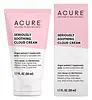
This calming moisturizer is formulated around Persea Gratissima Oil and Oenothera Biennis Oil to calm redness and hydrate skin.
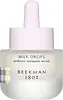
This barrier-repair serum is formulated around Ceramide NP and Bifida Ferment Lysate to strengthen the skin barrier and hydrate skin.

What's inside
What's inside
 Key Ingredients
Benefits
Concerns
Ingredients Side-by-side
Water
Skin ConditioningPersea Gratissima Oil
Skin Conditioning





Prunus Armeniaca Kernel Oil
Masking
Glyceryl Stearate Citrate
Emollient
Glycerin
Humectant

Glyceryl Stearate
Emollient
Prunus Amygdalus Dulcis Oil
Skin Conditioning
Cetyl Alcohol
Emollient

Glyceryl Laurate
Emollient
Simmondsia Chinensis Seed Oil
Emollient
Glyceryl Undecylenate
Emollient
Oenothera Biennis Oil
Emollient

Carthamus Tinctorius Seed Oil
Masking
Potassium Sorbate
Preservative
Xanthan Gum
EmulsifyingOlea Europaea Fruit Oil
Masking
Sodium Levulinate
Skin ConditioningCitric Acid
Buffering

Helianthus Annuus Seed Oil
Emollient
Sodium Phytate
ChelatingTocopherol
Antioxidant



Hypericum Perforatum Oil
Emollient
Anthemis Nobilis Flower Water
Masking
Aspalathus Linearis Leaf Extract
Skin ConditioningCalendula Officinalis Flower Extract
Masking
Chamomilla Recutita Flower Extract
Masking
Euterpe Oleracea Fruit Extract
Punica Granatum Extract
AstringentRosa Canina Fruit Extract
Astringent
Rubus Fruticosus Fruit Extract
AstringentArgania Spinosa Kernel Oil
Emollient
Isomalt
HumectantAlcohol
Antimicrobial


Gardenia Jasminoides Meristem Cell Culture
Antioxidant
Echinacea Angustifolia Extract
MoisturisingMarrubium Vulgare Meristem Cell Culture
Skin ProtectingChlorella Vulgaris Extract
Skin ConditioningPhospholipids
Skin Conditioning
Leuconostoc/Radish Root Ferment Filtrate
Antimicrobial
Hyaluronic Acid
Humectant
Argania Spinosa Callus Culture Extract
Skin ConditioningLecithin
Emollient
Ubiquinone
Antioxidant
Sodium Benzoate
Masking
Water, Persea Gratissima Oil, Prunus Armeniaca Kernel Oil, Glyceryl Stearate Citrate, Glycerin, Glyceryl Stearate, Prunus Amygdalus Dulcis Oil, Cetyl Alcohol, Glyceryl Laurate, Simmondsia Chinensis Seed Oil, Glyceryl Undecylenate, Oenothera Biennis Oil, Carthamus Tinctorius Seed Oil, Potassium Sorbate, Xanthan Gum, Olea Europaea Fruit Oil, Sodium Levulinate, Citric Acid, Helianthus Annuus Seed Oil, Sodium Phytate, Tocopherol, Hypericum Perforatum Oil, Anthemis Nobilis Flower Water, Aspalathus Linearis Leaf Extract, Calendula Officinalis Flower Extract, Chamomilla Recutita Flower Extract, Euterpe Oleracea Fruit Extract, Punica Granatum Extract, Rosa Canina Fruit Extract, Rubus Fruticosus Fruit Extract, Argania Spinosa Kernel Oil, Isomalt, Alcohol, Gardenia Jasminoides Meristem Cell Culture, Echinacea Angustifolia Extract, Marrubium Vulgare Meristem Cell Culture, Chlorella Vulgaris Extract, Phospholipids, Leuconostoc/Radish Root Ferment Filtrate, Hyaluronic Acid, Argania Spinosa Callus Culture Extract, Lecithin, Ubiquinone, Sodium Benzoate
Water
Skin ConditioningRosa Damascena Flower Extract
Masking
Glycerin
Humectant
Ceramide NP
Skin Conditioning
Caprae Lac
Skin ConditioningColostrum
Skin Conditioning
Bifida Ferment Lysate
Skin Conditioning
Lactose
HumectantMilk Protein
Skin ConditioningSodium Hyaluronate
Humectant
Squalane
Emollient
Ubiquinone
Antioxidant
Cucumis Sativus Fruit Extract
Emollient
Aloe Barbadensis Leaf Juice
Skin Conditioning
Chamomilla Recutita Flower Extract
Masking
Honey
Humectant
Eryngium Alpinum Flower Extract
Skin ConditioningPyrus Malus Fruit Extract
Skin Conditioning
Salix Alba Bark Extract
Astringent
Leuconostoc/Radish Root Ferment Filtrate
Antimicrobial
Symphytum Officinale Rhizome/Root Extract
Skin ConditioningVaccinium Myrtillus Fruit Extract
Skin ConditioningPopulus Tremuloides Bark Extract
AntiseborrhoeicWhey Protein
Skin ConditioningPotassium Sorbate
Preservative
Sodium Benzoate
Masking
Xanthan Gum
EmulsifyingCitric Acid
Buffering
Sclerotium Gum
Emulsion StabilisingLecithin
Emollient
Hydrogenated Lecithin
Emulsifying
Pullulan
Silica
Abrasive

C10-18 Triglycerides
Emollient
Water, Rosa Damascena Flower Extract, Glycerin, Ceramide NP, Caprae Lac, Colostrum, Bifida Ferment Lysate, Lactose, Milk Protein, Sodium Hyaluronate, Squalane, Ubiquinone, Cucumis Sativus Fruit Extract, Aloe Barbadensis Leaf Juice, Chamomilla Recutita Flower Extract, Honey, Eryngium Alpinum Flower Extract, Pyrus Malus Fruit Extract, Salix Alba Bark Extract, Leuconostoc/Radish Root Ferment Filtrate, Symphytum Officinale Rhizome/Root Extract, Vaccinium Myrtillus Fruit Extract, Populus Tremuloides Bark Extract, Whey Protein, Potassium Sorbate, Sodium Benzoate, Xanthan Gum, Citric Acid, Sclerotium Gum, Lecithin, Hydrogenated Lecithin, Pullulan, Silica, C10-18 Triglycerides
Reviews
Ingredients Explained
These ingredients are found in both products.
Ingredients higher up in an ingredient list are typically present in a larger amount.
Chamomilla Recutita Flower Extract comes from the Chamomile flower.
Chamomile is rich in antioxidants and has anti-inflammatory properties. Several compounds found in chamomile help with soothing, such as bisbolol.
Antioxidant components in chamomile make it an effective ingredient to help slow the signs of aging. Antioxidants help fight free-radical molecules, or molecules that may damage your skin.
Essential oils from chamomile have been found to improve wound healing due to its antimicrobial properties.
Ancient Greeks and Egyptians used Chamomile to treat skin redness and dryness. Chamomile has also been used to help treat stomach issues.
Learn more about Chamomilla Recutita Flower ExtractCitric Acid is an alpha hydroxy acid (AHA) naturally found in citrus fruits like oranges, lemons, and limes.
Like other AHAs, citric acid can exfoliate skin by breaking down the bonds that hold dead skin cells together. This helps reveal smoother and brighter skin underneath.
However, this exfoliating effect only happens at high concentrations (20%) which can be hard to find in cosmetic products.
Due to this, citric acid is usually included in small amounts as a pH adjuster. This helps keep products slightly more acidic and compatible with skin's natural pH.
In skincare formulas, citric acid can:
While it can provide some skin benefits, research shows lactic acid and glycolic acid are generally more effective and less irritating exfoliants.
Most citric acid used in skincare today is made by fermenting sugars (usually from molasses). This synthetic version is identical to the natural citrus form but easier to stabilize and use in formulations.
Rosacea skin has a lower threshold for acids generally, with 62.5% of rosacea subjects in one study reacting to lactic acid in a sting test. This is why we mark citric acid as a potential rosacea trigger.
However, this ingredient shows up as a pH adjuster or chelator at roughly 0.1-1% in many products. These low levels are unlikely to be an issue for rosacea skin and becomes a potential trigger at exfoliating concentrations (20%). Because everybody's skin is unique, we recommend a patch test if you are unsure.
Learn more about Citric AcidGlycerin (or glycerol) is a compound naturally found in your skin. It's a powerhouse humectant that pulls water into the stratum corneum.
Topically, glycerin does several things at once:
Your skin makes glycerin on its own (mostly from sebaceous oil breakdown) and shuttles it to your outermost layer of skin, or your epidermis, via aquaporin-3.
Aquaporin-3 is a transporter that is essential for normal skin hydration, elasticity, and repair. Interestingly, mice lacking in AQP3 have dry and less elastic skin that can be fully corrected with glycerin.
This ingredient is non-irritating, plays well with almost every ingredient, and works across all skin types. Typical use is anywhere between 3-10% but can go up to 79% in some leave-on products.
Just know very high concentrations (>40%) can feel tacky in low humidity.
Glycerin is the name for this ingredient in American English. British English uses Glycerol/Glycerine.
Learn more about GlycerinLecithin is a term for a group of substances found in the cell membranes of plants, animals, and humans. They are made up of phospholipids.
Thanks to its amphiphilic structure (water-loving head and oil-loving tail), it is a true multitasker:
It plays well with most ingredients and is typically used at 0.1-1%. However, concentrations up to 50% have been reported in moisturizers.
Learn more about LecithinLeuconostoc/Radish Root Ferment Filtrate is a natural preservative. It comes from fermenting radish roots with a bacteria called leuconostoc. The trade name for this ingredient is Leucidal.
Leuconostoc comes from lactic acid.
This ingredient has antimicrobial properties and helps prevent the growth of bacteria in a product.
Leuconostoc is used to make the traditional Korean side-dish, kimchi. It is also used to make sourdough bread (both incredibly yummy foods).
Learn more about Leuconostoc/Radish Root Ferment FiltratePotassium Sorbate is a preservative used to prevent yeast and mold in products. It is commonly found in both cosmetic and food products.
This ingredient comes from potassium salt derived from sorbic acid. Sorbic acid is a natural antibiotic and effective against fungus.
Both potassium sorbate and sorbic acid can be found in baked goods, cheeses, dried meats, dried fruit, ice cream, pickles, wine, yogurt, and more.
You'll often find this ingredient used with other preservatives.
Learn more about Potassium SorbateSodium Benzoate is a preservative. It's used in both cosmetic and food products to inhibit the growth of mold and bacteria. It is typically produced synthetically.
Both the US FDA and EU Health Committee have approved the use of sodium benzoate. In the US, levels of 0.1% (of the total product) are allowed.
Sodium benzoate works as a preservative by inhibiting the growth of bacteria inside of cells. It prevents the cell from fermenting a type of sugar using an enzyme called phosphofructokinase.
It is the salt of benzoic acid. Foods containing sodium benzoate include soda, salad dressings, condiments, fruit juices, wines, and snack foods.
Studies for using ascorbic acid and sodium benzoate in cosmetics are lacking, especially in skincare routines with multiple steps.
We always recommend speaking with a professional, such as a dermatologist, if you have any concerns.
Learn more about Sodium BenzoateUbiquinone (Coenzyme Q10) is a molecule already found in our bodies. It is a potent antioxidant and skin-soothing ingredient.
Aging and environmental exposure diminishes our skin's natural ubiquinone levels. This is much like our natural collagen and elastin.
The good news is: studies show applying this ingredient topically replenishes ubiquinone levels in our skin. This also comes with a ton of skin benefits. These benefits include:
Ubiquinone is considered a large molecule and cannot be absorbed into the lower layers of skin. This is why it is believed to be such an effective antioxidant: it protects our skin in the upper layers and prevents damage in the deeper layers.
When used in sunscreen, ubiquinone is shown to increase ingredient stability, increase SPF factor, and add to infrared protection.
Fun fact: ubiquinone is fat-soluble.
Learn more about UbiquinoneWater. It's the most common cosmetic ingredient of all. You'll usually see it at the top of ingredient lists, meaning that it makes up the largest part of the product.
So why is it so popular? Water most often acts as a solvent - this means that it helps dissolve other ingredients into the formulation.
You'll also recognize water as that liquid we all need to stay alive. If you see this, drink a glass of water. Remember to stay hydrated!
Learn more about WaterXanthan gum is used as a stabilizer and thickener within cosmetic products. It helps give products a sticky, thick feeling - preventing them from being too runny.
On the technical side of things, xanthan gum is a polysaccharide - a combination consisting of multiple sugar molecules bonded together.
Xanthan gum is a pretty common and great ingredient. It is a natural, non-toxic, non-irritating ingredient that is also commonly used in food products.
Learn more about Xanthan Gum

