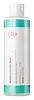
This calming toner is formulated around Centella Asiatica Leaf Water and Niacinamide to calm redness and strengthen the skin barrier.
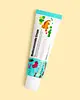
This calming moisturizer is formulated around Centella Asiatica Leaf Water and Niacinamide to calm redness and strengthen the skin barrier.

What's inside
What's inside
 Key Ingredients
Benefits
Concerns
Ingredients Side-by-side
Water
Skin ConditioningCentella Asiatica Leaf Water
Skin Conditioning


Glycerin
Humectant

1,2-Hexanediol
Skin Conditioning
Niacinamide
Smoothing







Bis-PEG-18 Methyl Ether Dimethyl Silane
EmollientMadecassoside
Antioxidant
Dioscorea Japonica Root Extract
Skin Conditioning
Ceramide NP
Skin Conditioning
Adenosine
Skin Conditioning
Glycereth-26
Humectant
PEG/PPG-17/6 Copolymer
SolventPEG-60 Hydrogenated Castor Oil
Emulsifying


Styrene/Vp Copolymer
Tromethamine
BufferingButylene Glycol
Humectant
Acrylates/C10-30 Alkyl Acrylate Crosspolymer
Emulsion StabilisingAllantoin
Skin Conditioning
Carbomer
Emulsion StabilisingPropylene Glycol
Humectant
Hydrolyzed Corn Starch
HumectantBeta-Glucan
Skin Conditioning
Asiaticoside
Antioxidant
Citrus Grandis Peel Oil
Masking



Sucrose
Humectant
Pvm/Ma Copolymer
Emulsion StabilisingCitrus Limon Peel Oil
Masking
Sodium Polyacrylate
Absorbent
Hydrogenated Lecithin
Emulsifying
Caprylic/Capric Triglyceride
Masking
Lavandula Hybrida Oil
Emollient
Pelargonium Graveolens Flower Oil
Masking
Citrus Nobilis Peel Oil
Masking
Juniperus Mexicana Oil
Masking
Disodium EDTA
ChelatingChlorphenesin
Antimicrobial
Water, Centella Asiatica Leaf Water, Glycerin, 1,2-Hexanediol, Niacinamide, Bis-PEG-18 Methyl Ether Dimethyl Silane, Madecassoside, Dioscorea Japonica Root Extract, Ceramide NP, Adenosine, Glycereth-26, PEG/PPG-17/6 Copolymer, PEG-60 Hydrogenated Castor Oil, Styrene/Vp Copolymer, Tromethamine, Butylene Glycol, Acrylates/C10-30 Alkyl Acrylate Crosspolymer, Allantoin, Carbomer, Propylene Glycol, Hydrolyzed Corn Starch, Beta-Glucan, Asiaticoside, Citrus Grandis Peel Oil, Sucrose, Pvm/Ma Copolymer, Citrus Limon Peel Oil, Sodium Polyacrylate, Hydrogenated Lecithin, Caprylic/Capric Triglyceride, Lavandula Hybrida Oil, Pelargonium Graveolens Flower Oil, Citrus Nobilis Peel Oil, Juniperus Mexicana Oil, Disodium EDTA, Chlorphenesin
Centella Asiatica Leaf Water
Skin Conditioning
Water
Skin ConditioningCyclopentasiloxane
Emollient
Propanediol
Solvent
Phenyl Trimethicone
Skin Conditioning
Glycerin
Humectant
PEG-10 Dimethicone
Skin Conditioning
Niacinamide
Smoothing
Cyclohexasiloxane
Emollient
Panthenol
Skin Conditioning
Ethoxydiglycol
HumectantDisteardimonium Hectorite
StabilisingSodium Chloride
MaskingRubus Suavissimus Leaf Extract
Skin ConditioningCentella Asiatica Extract
Cleansing
Caprylyl Glycol
Emollient
Pinus Densiflora Leaf Extract
Antimicrobial
Hamamelis Virginiana Leaf Extract
Skin Conditioning
Dimethicone Crosspolymer
Emulsion Stabilising
Camellia Sinensis Leaf Extract
Antimicrobial
Butylene Glycol
Humectant
Madecassoside
Antioxidant
Pentylene Glycol
Skin Conditioning
Caprylhydroxamic Acid
ChelatingAdenosine
Skin Conditioning
Lactic Acid
Buffering
Sodium Lactate
Buffering
Urea
Buffering
Serine
Masking
Disodium EDTA
ChelatingSorbitol
Humectant
Citrus Grandis Peel Oil
Masking
Asiaticoside
Antioxidant
Citrus Limon Peel Oil
Masking
Pelargonium Graveolens Flower Oil
Masking
Lavandula Hybrida Oil
Emollient
Juniperus Mexicana Oil
Masking
Citrus Nobilis Peel Oil
Masking
Allantoin
Skin Conditioning
Chlorphenesin
Antimicrobial
Phenoxyethanol
Preservative
Centella Asiatica Leaf Water, Water, Cyclopentasiloxane, Propanediol, Phenyl Trimethicone, Glycerin, PEG-10 Dimethicone, Niacinamide, Cyclohexasiloxane, Panthenol, Ethoxydiglycol, Disteardimonium Hectorite, Sodium Chloride, Rubus Suavissimus Leaf Extract, Centella Asiatica Extract, Caprylyl Glycol, Pinus Densiflora Leaf Extract, Hamamelis Virginiana Leaf Extract, Dimethicone Crosspolymer, Camellia Sinensis Leaf Extract, Butylene Glycol, Madecassoside, Pentylene Glycol, Caprylhydroxamic Acid, Adenosine, Lactic Acid, Sodium Lactate, Urea, Serine, Disodium EDTA, Sorbitol, Citrus Grandis Peel Oil, Asiaticoside, Citrus Limon Peel Oil, Pelargonium Graveolens Flower Oil, Lavandula Hybrida Oil, Juniperus Mexicana Oil, Citrus Nobilis Peel Oil, Allantoin, Chlorphenesin, Phenoxyethanol
Reviews
Ingredients Explained
These ingredients are found in both products.
Ingredients higher up in an ingredient list are typically present in a larger amount.
Adenosine is a purine nucleoside that your body already makes in every cell. In skincare, it acts mainly as a skin conditioning and anti-aging agent.
The way it works is fairly well mapped out:
Your skin has cells called fibroblasts that build collagen (the stuff that keeps skin firm and smooth). Adenosine basically flips a switch on these cells that tells them to get to work making more collagen and other proteins. These cells slow down on their own as skin ages, so Adenosine helps give them a little nudge to keep going.
The clinical backing is pretty solid too.
A blind, randomized, placebo-controlled trial of 126 women aged 45-65 tested a 0.1% cream twice daily and found real improvements in crow's feet and frown lines using a precise 3D skin-mapping technique; these changes showed up by week 3 and held at 2 months.
A later study using Adenosine-loaded dissolving microneedle patches reported gains in wrinkle depth, dermal density, elasticity, and hydration.
On concentrations, South Korea's Ministry of Food and Drug Safety has set 0.04% as the approved functional anti-wrinkle level. You'll typically see this ingredient used somewhere in the 0.04-0.1% range since it works at low doses.
This ingredient has been found safe for cosmetics with the data showing no irritation or sensitization.
Overall, this is a great ingredient for any anti-aging routine and has no photosensitizing effect, so it suits both AM and PM use.
Learn more about AdenosineAllantoin is a soothing ingredient known for its protective and moisturizing properties; it's basically a quiet workhorse ingredient you can find in a huge range of cosmetics.
Though it can be derived from the comfrey plant, allantoin is produced synthetically for cosmetic products to ensure purity.
Research shows it can encourage your skin cells to turn over and renew by stimulating keratinocyte and fibroblast proliferation.
It also has mild keratolytic properties to help loosen and shed dead skin cells without being harsh.
Studies also suggest allantoin can help calm inflammation by dialing down some of the chemical signals your skin sends out when it is irritated.
This ingredient is typically used in the 0.1-0.5% range, and the FDA recognizes it as a skin protectant in OTC products up to 2%.
Overall, allantoin is a wonderful addition to most routines; it is stable across a wide pH range (~4-8), works well with other ingredients, and is considered non-sensitizing/non-irritating.
Fun fact: Allantoin is naturally occurring in comfrey root, beets, chamomile, and wheat sprouts. Our bodies even produce it as a byproduct of uric acid metabolism.
Learn more about AllantoinAsiaticoside comes from the super popular skin-soothing ingredient, Centella asiatica. It's the reason centella-based products have a strong reputation for repairing and calming skin, along with its sibling compound Madecassoside.
Research from 2016-2025 supports its role in:
You'll usually find this in concentrations between 0.2-5%.
Learn more about AsiaticosideButylene Glycol (or BG) is used within cosmetic products for a few different reasons:
Overall, Butylene Glycol is a safe and well-rounded ingredient that works well with other ingredients.
Though this ingredient works well with most skin types, some people with sensitive skin may experience a reaction such as allergic rashes, closed comedones, or itchiness.
Learn more about Butylene GlycolCentella Asiatica Leaf Water is created by distilling centella asiatica leaves. Centella Asiatica is a herb native to Southeast Asia.
Many active components found in Centella Asiatica Extract, such as Madecassic Acid and Asiaticoside, encourage the skin to naturally produce hyaluronic acid. This helps keep our skin hydrated. Many of these components also show antioxidant activity and may help reduce the signs of aging.
Other components of Centella Asiatic Extract include Vitamin A, vitamin C, several B vitamins, and Asiatic Acid.
Learn more about Centella Asiatica Leaf WaterChlorphenesin is a synthetic preservative. It helps protect a product against bacteria in order to extend shelf life. In most cases, Chlorphenesin is paired with other preservatives such as phenoxyethanol and caprylyl glycol.
Chlorphenesin is a biocide. This means it is able to help fight the microorganisms on our skin. It is also able to fight odor-releasing bacteria.
Chlorphenesin is soluble in both water and glycerin.
Studies show Chlorphenesin is easily absorbed by our skin. You should speak with a skincare professional if you have concerns about using Chlorphenesin.
Learn more about ChlorphenesinCitrus Grandis Peel Oil is an essential oil that is derived from the peel of a Grapefruit. It is composed largely of limonene, which is a fragrance that can cause irritation for sensitive skin.
Citrus Limon Peel Oil is created from the peels of the lemon. It is used to add a lemon-scent to products. Lemon peel oil also has antibacterial, antifungal, and antioxidant properties. However, it may also cause phototoxicity and sensitize skin.
Lemon peel oil contains limonene, a skin sensitizing ingredient. Another component is furanocoumarin, which induces phototoxicity in skin.
Furanocoumarins bind and destabilize your DNA to increase the rate of sunburn.
Most reputable companies will remove furanocoumarins from their formulations.
Learn more about Citrus Limon Peel OilMandarin peel oil is an essential oil made by distilling the peel of mandarin oranges. It is primarily used for fragrance but has some secondary skin conditioning effects.
This ingredient is rich in limonene and is generally considered milder than some other citrus oils (like lemon or bergamot). It is not strongly phototoxic because it contains little to no furocoumarins when properly produced.
Like other essential oils, this ingredient can be a fragrance allergen.
Learn more about Citrus Nobilis Peel OilDisodium EDTA is a chelating agent. It grabs onto and deactivates metal ions that sneak into your products from water, packaging, or air.
This ingredient mainly works behind the scenes and helps with:
On top of that, this ingredient can counteract the effects of hard water by binding to the minerals in it.
One thing worth knowing is that Disodium EDTA has been shown to be a mild penetration enhancer. It can help other ingredients absorb into skin more effectively which can be a double-edged sword (great for actives, but can also make the active too strong if you have sensitive skin).
Clinical patch testing showed no significant skin irritation at typical use concentrations and minimal dermal absorption.
You'll most likely see this ingredient near the end of an ingredient list. It's typically found in concentrations less than 1%.
Learn more about Disodium EDTAGlycerin (or glycerol) is a compound naturally found in your skin. It's a powerhouse humectant that pulls water into the stratum corneum.
Topically, glycerin does several things at once:
Your skin makes glycerin on its own (mostly from sebaceous oil breakdown) and shuttles it to your outermost layer of skin, or your epidermis, via aquaporin-3.
Aquaporin-3 is a transporter that is essential for normal skin hydration, elasticity, and repair. Interestingly, mice lacking in AQP3 have dry and less elastic skin that can be fully corrected with glycerin.
This ingredient is non-irritating, plays well with almost every ingredient, and works across all skin types. Typical use is anywhere between 3-10% but can go up to 79% in some leave-on products.
Just know very high concentrations (>40%) can feel tacky in low humidity.
Glycerin is the name for this ingredient in American English. British English uses Glycerol/Glycerine.
Learn more about GlycerinThis essential oil is steam-distilled from the wood of the Juniperus tree. It's mainly a fragrance ingredient used to cover the scent of other ingredients. It has a warm, woody scent.
Be sure to patch test if you are sensitive to essential oils or fragrance.
Another name for this ingredient is Texas Cedarwood oil.
Learn more about Juniperus Mexicana OilLavandula Hybrida Oil is an oil.
Madecassoside is one of four active compounds found in Centella asiatica and is one of the main reasons Centella is so effective at calming irritated skin and supporting the moisture barrier.
There's a solid body of peer-reviewed research backing Madecassoside for several skin benefits. Studies have found:
Madecassoside pairs well with other hydrating or antioxidant ingredients like Ascorbic Acid or Hyaluronic Acid.
Learn more about MadecassosideNiacinamide is a multitasking form of vitamin B3 that strengthens the skin barrier, reduces pores and dark spots, regulates oil, and improves signs of aging.
And the best part? It's gentle and well-tolerated by most skin types, including sensitive and reactive skin.
You might have heard of "niacin flush", or the reddening of skin that causes itchiness. Niacinamide has not been found to cause this.
In very rare cases, some individuals may not be able to tolerate niacinamide at all or experience an allergic reaction to it.
If you are experiencing flaking, irritation, and dryness with this ingredient, be sure to double check all your products as this ingredient can be found in all categories of skincare.
When incorporating niacinamide into your routine, look out for concentration amounts. Typically, 5% niacinamide provides benefits such as fading dark spots. However, if you have sensitive skin, it is better to begin with a smaller concentration.
When you apply niacinamide to your skin, your body converts it into nicotinamide adenine dinucleotide (NAD). NAD is an essential coenzyme that is already found in your cells as "fuel" and powers countless biological processes.
In your skin, NAD helps repair cell damage, produce new healthy cells, support collagen production, strengthen the skin barrier, and fight environmental stressors (like UV and pollution).
Our natural NAD levels start to decline with age, leading to slower skin repair, visible aging, and a weaker skin barrier. By providing your skin niacinamide, you're recharging your skin's NAD levels. This leads to stronger, healthier, and younger looking skin.
Another name for vitamin B3 is nicotinamide. This vitamin is water-soluble and our bodies don't store it. We obtain Vitamin B3 from either food or skincare. Meat, fish, wheat, yeast, and leafy greens contain vitamin B3.
The type of niacinamide used in skincare is synthetically created.
Learn more about NiacinamidePelargonium Graveolens Flower Oil is the pressed oil of the Rose Geranium plant. It is volatile, meaning it evaporates off the skin.
Fragrant components of Rose Geranium include citronellol and geraniol. These may cause allergies and skin-sensitivity. We recommend speaking with a professional if you have any concerns.
The scent of Rose Geranium closely resembles traditional roses.
Learn more about Pelargonium Graveolens Flower OilWater. It's the most common cosmetic ingredient of all. You'll usually see it at the top of ingredient lists, meaning that it makes up the largest part of the product.
So why is it so popular? Water most often acts as a solvent - this means that it helps dissolve other ingredients into the formulation.
You'll also recognize water as that liquid we all need to stay alive. If you see this, drink a glass of water. Remember to stay hydrated!
Learn more about Water

