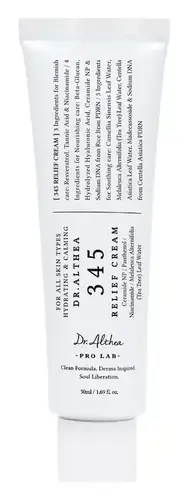
Zarqa Dag- en Nachtcrème Clear Skin (Day and Night Cream Clear Skin) Versus Obagi Hydrate Light Weightless Gel Cream
This acne moisturizer is formulated around Zinc PCA and Inulin to clear breakouts and balance excess oil.
This barrier-repair moisturizer is formulated around Niacinamide and Saccharide Isomerate to strengthen the skin barrier and hydrate skin.


What's inside
What's inside
 Key Ingredients
Benefits
Concerns
Ingredients Side-by-side
Water
Skin ConditioningDicaprylyl Ether
Emollient
Cetearyl Isononanoate
Emollient
Caprylic/Capric Triglyceride
Masking

Glyceryl Stearate
Emollient

Glycerin
Humectant
Distarch Phosphate
AbsorbentMicrocrystalline Cellulose
AbsorbentZinc PCA
Humectant




Inulin
Skin Conditioning
Caprylyl Glycol
Emollient
Sodium Stearoyl Lactylate
EmulsifyingCetearyl Alcohol
Emollient

Cellulose Gum
Emulsion StabilisingXanthan Gum
EmulsifyingCetearyl Glucoside
Emulsifying
Inulin Lauryl Carbamate
Emulsion StabilisingFructose
Humectant
Ethylhexylglycerin
Skin ConditioningCitric Acid
Buffering

Sodium Hydroxide
BufferingBiosaccharide Gum-1
Humectant
Glyceryl Caprylate
EmollientSodium Levulinate
Skin ConditioningSodium Anisate
AntimicrobialTocopherol
Antioxidant



Maris Sal
Skin ConditioningWater, Dicaprylyl Ether, Cetearyl Isononanoate, Caprylic/Capric Triglyceride, Glyceryl Stearate, Glycerin, Distarch Phosphate, Microcrystalline Cellulose, Zinc PCA, Inulin, Caprylyl Glycol, Sodium Stearoyl Lactylate, Cetearyl Alcohol, Cellulose Gum, Xanthan Gum, Cetearyl Glucoside, Inulin Lauryl Carbamate, Fructose, Ethylhexylglycerin, Citric Acid, Sodium Hydroxide, Biosaccharide Gum-1, Glyceryl Caprylate, Sodium Levulinate, Sodium Anisate, Tocopherol, Maris Sal
Water
Skin ConditioningDimethicone
Emollient
Dimethyl Isosorbide
SolventGlycerin
Humectant
Isododecane
EmollientIsononyl Isononanoate
EmollientNiacinamide
Smoothing


Cetearyl Alcohol
Emollient
Jojoba Esters
Emollient
Saccharide Isomerate
Humectant
Coco-Glucoside
Cleansing
Hydroxyethyl Acrylate/Sodium Acryloyldimethyl Taurate Copolymer
Emulsion StabilisingIsohexadecane
EmollientHelianthus Annuus Seed Wax
Skin Conditioning
Propanediol
Solvent
Hydrolyzed Caesalpinia Spinosa Gum
AbsorbentPanthenol
Skin Conditioning
Xanthan Gum
EmulsifyingGlycine Soja Seed Extract
Skin Conditioning
Polysorbate 60
Emulsifying
Saccharomyces Lysate Extract
Humectant
Wine Extract
Antioxidant
Sclerotium Gum
Emulsion StabilisingBisabolol
Antioxidant
Lecithin
Emollient
Pullulan
Caesalpinia Spinosa Gum
Skin ConditioningDimethicone Crosspolymer
Emulsion Stabilising
Dimethicone/Vinyl Dimethicone Crosspolymer
Skin Conditioning
Sodium Lauroyl Lactylate
EmulsifyingPolyglutamic Acid
Skin Conditioning
Silica
Abrasive
Ceramide NP
Skin Conditioning
Ceramide AP
Skin Conditioning
Phytosphingosine
Skin Conditioning
Cholesterol
Emollient
Carbomer
Emulsion StabilisingCeramide EOP
Skin Conditioning
Ethylhexylglycerin
Skin ConditioningPhenoxyethanol
Preservative
Citric Acid
Buffering
Sodium Citrate
BufferingPotassium Sorbate
Preservative
Water, Dimethicone, Dimethyl Isosorbide, Glycerin, Isododecane, Isononyl Isononanoate, Niacinamide, Cetearyl Alcohol, Jojoba Esters, Saccharide Isomerate, Coco-Glucoside, Hydroxyethyl Acrylate/Sodium Acryloyldimethyl Taurate Copolymer, Isohexadecane, Helianthus Annuus Seed Wax, Propanediol, Hydrolyzed Caesalpinia Spinosa Gum, Panthenol, Xanthan Gum, Glycine Soja Seed Extract, Polysorbate 60, Saccharomyces Lysate Extract, Wine Extract, Sclerotium Gum, Bisabolol, Lecithin, Pullulan, Caesalpinia Spinosa Gum, Dimethicone Crosspolymer, Dimethicone/Vinyl Dimethicone Crosspolymer, Sodium Lauroyl Lactylate, Polyglutamic Acid, Silica, Ceramide NP, Ceramide AP, Phytosphingosine, Cholesterol, Carbomer, Ceramide EOP, Ethylhexylglycerin, Phenoxyethanol, Citric Acid, Sodium Citrate, Potassium Sorbate
Reviews
Ingredients Explained
These ingredients are found in both products.
Ingredients higher up in an ingredient list are typically present in a larger amount.
Cetearyl alcohol is a waxy mixture of two fatty alcohols: cetyl alcohol and stearyl alcohol. It is an emollient and emulsifier.
Despite having "alcohol" in its name, it has nothing to do with drying solvent alcohols; the FDA also allows "alcohol-free" products to contain fatty alcohols like this ingredient.
It plays several roles in a formula:
Typical use levels for this ingredient sit around 1-10% and the Cosmetic Ingredient Review Expert Panel has affirmed safety at concentrations up to 25% in leave-on products.
Multiple assessments have found it to be non-irritating and non-sensitizing to most people.
However, there have been some cases of allergic contact dermatitis in patients with chronically compromised skin barriers.
Cetearyl alcohol has a comedogenic rating of 2 and irritancy rating of 1. Both of these numbers come from the 1989 study that used rabbit ears; a "2" means mildly comedogenic and a "1" means low irritancy.
Here's the catch: rabbit skin is more sensitive than human skin and throws a lot of false positives. A 1996 reappraisal found that ingredients rated 1-2 in the rabbit ear tests are generally safe for humans.
Remember comedogenic ratings are unable to assess the entire formula of a product or how it will react on your skin. Just be sure to patch test if you are unsure about certain ingredients.
This ingredient is not fungal acne safe. Cetearyl alcohol is a fatty alcohol with chain lengths that fall within the range that Malassezia can metabolize.
A 2019 study has also observed Malassezia growth in the presence of this ingredient, confirming it to be not-fungal acne safe.
Learn more about Cetearyl AlcoholCitric Acid is an alpha hydroxy acid (AHA) naturally found in citrus fruits like oranges, lemons, and limes.
Like other AHAs, citric acid can exfoliate skin by breaking down the bonds that hold dead skin cells together. This helps reveal smoother and brighter skin underneath.
However, this exfoliating effect only happens at high concentrations (20%) which can be hard to find in cosmetic products.
Due to this, citric acid is usually included in small amounts as a pH adjuster. This helps keep products slightly more acidic and compatible with skin's natural pH.
In skincare formulas, citric acid can:
While it can provide some skin benefits, research shows lactic acid and glycolic acid are generally more effective and less irritating exfoliants.
Most citric acid used in skincare today is made by fermenting sugars (usually from molasses). This synthetic version is identical to the natural citrus form but easier to stabilize and use in formulations.
Rosacea skin has a lower threshold for acids generally, with 62.5% of rosacea subjects in one study reacting to lactic acid in a sting test. This is why we mark citric acid as a potential rosacea trigger.
However, this ingredient shows up as a pH adjuster or chelator at roughly 0.1-1% in many products. These low levels are unlikely to be an issue for rosacea skin and becomes a potential trigger at exfoliating concentrations (20%). Because everybody's skin is unique, we recommend a patch test if you are unsure.
Learn more about Citric AcidEthylhexylglycerin is created from glycerin. It is a multitasker ingredient that:
The CIR Expert Panel found minimal skin absorption or sensitization of any kind in a safety assessment. Though this ingredient is considered well-tolerated, a small number of cases of allergic dermatitis have been published since 2002. Just be sure to patch test if you are unsure.
Industry-reported use ranges from 8% in rinse-off products and 2% in leave-on formulations.
Learn more about EthylhexylglycerinGlycerin (or glycerol) is a compound naturally found in your skin. It's a powerhouse humectant that pulls water into the stratum corneum.
Topically, glycerin does several things at once:
Your skin makes glycerin on its own (mostly from sebaceous oil breakdown) and shuttles it to your outermost layer of skin, or your epidermis, via aquaporin-3.
Aquaporin-3 is a transporter that is essential for normal skin hydration, elasticity, and repair. Interestingly, mice lacking in AQP3 have dry and less elastic skin that can be fully corrected with glycerin.
This ingredient is non-irritating, plays well with almost every ingredient, and works across all skin types. Typical use is anywhere between 3-10% but can go up to 79% in some leave-on products.
Just know very high concentrations (>40%) can feel tacky in low humidity.
Glycerin is the name for this ingredient in American English. British English uses Glycerol/Glycerine.
Learn more about GlycerinWater. It's the most common cosmetic ingredient of all. You'll usually see it at the top of ingredient lists, meaning that it makes up the largest part of the product.
So why is it so popular? Water most often acts as a solvent - this means that it helps dissolve other ingredients into the formulation.
You'll also recognize water as that liquid we all need to stay alive. If you see this, drink a glass of water. Remember to stay hydrated!
Learn more about WaterXanthan gum is used as a stabilizer and thickener within cosmetic products. It helps give products a sticky, thick feeling - preventing them from being too runny.
On the technical side of things, xanthan gum is a polysaccharide - a combination consisting of multiple sugar molecules bonded together.
Xanthan gum is a pretty common and great ingredient. It is a natural, non-toxic, non-irritating ingredient that is also commonly used in food products.
Learn more about Xanthan Gum