
What's inside
What's inside
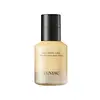 Key Ingredients
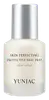
Benefits
Concerns
Ingredients Side-by-side
Water
Skin ConditioningDipropylene Glycol
HumectantAlcohol Denat.
Antimicrobial




Niacinamide
Smoothing











Betaine
Humectant
Glycerin
Humectant
1,2-Hexanediol
Skin Conditioning
Polyglyceryl-10 Stearate
Skin Conditioning
Glycereth-26
Humectant
Polyurethane-15
Propanediol
Solvent
Cetearyl Alcohol
Emollient



Tromethamine
BufferingCarbomer
Emulsion StabilisingHydroxyethylcellulose
Emulsion StabilisingCeramide NP
Skin Conditioning
Acrylates/C10-30 Alkyl Acrylate Crosspolymer
Emulsion StabilisingTriethylhexanoin
MaskingButylene Glycol
Humectant
Adenosine
Skin Conditioning
Lactobacillus
Skin ConditioningSqualane
Emollient
Saccharomyces/Potato Extract Ferment Filtrate
Humectant
Saccharomyces/Coix Lacryma-Jobi Ma-Yuen Seed Ferment Filtrate
Skin Conditioning
Phospholipids
Skin Conditioning
Lactobacillus/Soybean Ferment Extract
Skin ConditioningLactobacillus/Rice Ferment
Skin Conditioning
Hydrogenated Polydecene
EmollientDisodium EDTA
Calcium Titanium Borosilicate
Abrasive
Cholesterol
Emollient
Phytosphingosine
Skin Conditioning
Hydrogenated Lecithin
Emulsifying
Theobroma Cacao Extract
Skin ConditioningAquilaria Agallocha Wood Extract
Skin ConditioningGardenia Florida Flower Extract
Skin ConditioningTin Oxide
Abrasive
Iron Oxides
CI 77491
Cosmetic ColorantCI 19140
Cosmetic ColorantDextrin
AbsorbentCI 77891
Cosmetic ColorantParfum
Masking

Limonene
Perfuming
Citronellol
Perfuming
Geraniol
Perfuming
Linalool
Perfuming
Water, Dipropylene Glycol, Alcohol Denat., Niacinamide, Betaine, Glycerin, 1,2-Hexanediol, Polyglyceryl-10 Stearate, Glycereth-26, Polyurethane-15, Propanediol, Cetearyl Alcohol, Tromethamine, Carbomer, Hydroxyethylcellulose, Ceramide NP, Acrylates/C10-30 Alkyl Acrylate Crosspolymer, Triethylhexanoin, Butylene Glycol, Adenosine, Lactobacillus, Squalane, Saccharomyces/Potato Extract Ferment Filtrate, Saccharomyces/Coix Lacryma-Jobi Ma-Yuen Seed Ferment Filtrate, Phospholipids, Lactobacillus/Soybean Ferment Extract, Lactobacillus/Rice Ferment, Hydrogenated Polydecene, Disodium EDTA, Calcium Titanium Borosilicate, Cholesterol, Phytosphingosine, Hydrogenated Lecithin, Theobroma Cacao Extract, Aquilaria Agallocha Wood Extract, Gardenia Florida Flower Extract, Tin Oxide, Iron Oxides, CI 77491, CI 19140, Dextrin, CI 77891, Parfum, Limonene, Citronellol, Geraniol, Linalool
Water
Skin ConditioningDimethicone
Emollient
Silica
Abrasive
Butylene Glycol
Humectant
Methyl Trimethicone
Skin Conditioning
Glycerin
Humectant
Caprylyl Methicone
Skin Conditioning
Cetyl Ethylhexanoate
EmollientIsododecane
EmollientDipropylene Glycol
HumectantPEG-9 Polydimethylsiloxyethyl Dimethicone
Emulsifying
Dimethicone/Vinyl Dimethicone Crosspolymer
Skin Conditioning
Dicaprylyl Ether
Emollient
1,2-Hexanediol
Skin Conditioning
Cetyl PEG/PPG-10/1 Dimethicone
Emulsifying
Sodium Chloride
MaskingDimethicone Crosspolymer
Emulsion Stabilising
Oryza Sativa Extract
Absorbent
Camellia Sinensis Leaf Extract
Antimicrobial
Lactobacillus/Panax Ginseng Root Extract Ferment Filtrate
Skin ConditioningLactobacillus/Rice Ferment
Skin Conditioning
Lactobacillus/Soybean Ferment Extract
Skin ConditioningSaccharomyces/Coix Lacryma-Jobi Ma-Yuen Seed Ferment Filtrate
Skin Conditioning
Saccharomyces/Potato Extract Ferment Filtrate
Humectant
Disteardimonium Hectorite
StabilisingSorbitan Isostearate
Emulsifying
Dimethicone/PEG-10/15 Crosspolymer
Trisodium Ethylenediamine Disuccinate
Propanediol
Solvent
Inositol
Humectant
Panthenol
Skin Conditioning
Sodium Citrate
BufferingTocopherol
Antioxidant
Polyurethane-15
Caprylyl Glycol
Emollient
Acetyl Hexapeptide-1
Skin Conditioning
Parfum
Masking
Limonene
Perfuming
Citronellol
Perfuming
Geraniol
Perfuming
Linalool
Perfuming
Water, Dimethicone, Silica, Butylene Glycol, Methyl Trimethicone, Glycerin, Caprylyl Methicone, Cetyl Ethylhexanoate, Isododecane, Dipropylene Glycol, PEG-9 Polydimethylsiloxyethyl Dimethicone, Dimethicone/Vinyl Dimethicone Crosspolymer, Dicaprylyl Ether, 1,2-Hexanediol, Cetyl PEG/PPG-10/1 Dimethicone, Sodium Chloride, Dimethicone Crosspolymer, Oryza Sativa Extract, Camellia Sinensis Leaf Extract, Lactobacillus/Panax Ginseng Root Extract Ferment Filtrate, Lactobacillus/Rice Ferment, Lactobacillus/Soybean Ferment Extract, Saccharomyces/Coix Lacryma-Jobi Ma-Yuen Seed Ferment Filtrate, Saccharomyces/Potato Extract Ferment Filtrate, Disteardimonium Hectorite, Sorbitan Isostearate, Dimethicone/PEG-10/15 Crosspolymer, Trisodium Ethylenediamine Disuccinate, Propanediol, Inositol, Panthenol, Sodium Citrate, Tocopherol, Polyurethane-15, Caprylyl Glycol, Acetyl Hexapeptide-1, Parfum, Limonene, Citronellol, Geraniol, Linalool
Reviews
Ingredients Explained
These ingredients are found in both products.
Ingredients higher up in an ingredient list are typically present in a larger amount.
1,2-Hexanediol is a synthetic liquid and another multi-functional powerhouse.
It is a:
- Humectant, drawing moisture into the skin
- Emollient, helping to soften skin
- Solvent, dispersing and stabilizing formulas
- Preservative booster, enhancing the antimicrobial activity of other preservatives
Butylene Glycol (or BG) is used within cosmetic products for a few different reasons:
Overall, Butylene Glycol is a safe and well-rounded ingredient that works well with other ingredients.
Though this ingredient works well with most skin types, some people with sensitive skin may experience a reaction such as allergic rashes, closed comedones, or itchiness.
Learn more about Butylene GlycolCitronellol is used to add fragrance/parfum to a product. It is often derived from plants such as roses. In fact, it can be found in many essential oils including geranium, lavender, neroli, and more. The scent of Citronellol is often described as "fresh, grassy, and citrus-like".
Since the Citronellol molecule is already unstable, Citronellol becomes irritating on the skin when exposed to air.
Citronellol is a modified terpene. Terpenes are unsaturated hydrocarbons found in plants. They make up the primary part of essential oils.
Citronellol is not able to be absorbed into deeper layers of the skin. It has low permeability,
Citronellol is also a natural insect repellent.
Learn more about CitronellolDipropylene Glycol is a synthetically created humectant, stabilizer, and solvent.
This ingredient helps:
Dipropylene glycol is technically an alcohol, but it belongs to the glycol family (often considered part of the ‘good’ alcohols). This means it is hydrating and gentle on skin unlike drying solvent alcohols like denatured alcohol.
As a masking agent, Dipropylene Glycol can be used to cover the smell of other ingredients. However, it does not have a scent.
Studies show Dipropylene Glycol is considered safe to use in skincare.
Learn more about Dipropylene GlycolGeraniol is used to add fragrance/parfum to a product. It is the main component of citronellol. It is a monoterpenoid and an alcohol.
Monoterpenes are naturally found in many parts of different plants.
Geraniol can be found in many essential oils including Rose Oil and Citronella Oil. The scent of Geraniol is often described as "rose-like". Many foods also contain Geraniol for fruit flavoring.
Geraniol can irritate the skin when exposed to air. However, irritation depends on the ability of geraniol to penetrate into the skin. In general, geraniol is not able to penetrate skin easily.
Geraniol is colorless and has low water-solubility. However, it is soluble in common organic solvents.
Like citronellol, it is a natural insect repellent.
2,6-Octadien-1-ol, 3,7-dimethyl-, (2E)-
Learn more about GeraniolGlycerin (or glycerol) is a compound naturally found in your skin. It's a powerhouse humectant that pulls water into the stratum corneum.
Topically, glycerin does several things at once:
Your skin makes glycerin on its own (mostly from sebaceous oil breakdown) and shuttles it to your outermost layer of skin, or your epidermis, via aquaporin-3.
Aquaporin-3 is a transporter that is essential for normal skin hydration, elasticity, and repair. Interestingly, mice lacking in AQP3 have dry and less elastic skin that can be fully corrected with glycerin.
This ingredient is non-irritating, plays well with almost every ingredient, and works across all skin types. Typical use is anywhere between 3-10% but can go up to 79% in some leave-on products.
Just know very high concentrations (>40%) can feel tacky in low humidity.
Glycerin is the name for this ingredient in American English. British English uses Glycerol/Glycerine.
Learn more about GlycerinThis ingredient is created by fermenting the lactobacillus bacteria with rice.
Lactobacillus is a great ingredient at keeping skin barrier healthy and rice ferment has great anti-aging benefits.
Lactobacillus/Soybean Ferment Extract is the result of fermenting soybeans with the Lactobacillus bacteria. It mainly acts as a skin conditioning agent in a formula, and the interesting part is what fermentation does to the soy.
Fermenting soy:
The isoflavones are the workhorses behind the common claims; lab and animal studies show they mop up free radicals, help protect skin cells from UVB damage, and nudge fibroblasts to make more collagen while slowing the enzymes that break collagen down.
One controlled clinical study using an isoflavone cream reported softer wrinkles and better skin texture over time. A topical fermented soy extract also improved hydration and elasticity in an animal aging model.
The big caveat is that most of this evidence comes from soy isoflavones and related fermented soy extracts rather than this exact INCI. Some of the strongest data also comes from oral studies.
So it's best to think of this ingredient as a gentle, antioxidant-leaning conditioning agent rather than a proven wrinkle eraser.
At this time, there's no published concentration levels for this specific ferment but it usually shows up at modest levels in real products (~1% or less).
One last thing for people with soy allergies: it's always worth patch testing this ingredient despite the lowered allergy risk.
Learn more about Lactobacillus/Soybean Ferment ExtractLimonene is a fragrance that adds scent and taste to a formulation.
It's found in the peel oil of citrus fruits and other plants such as lavender and eucalyptus. The scent of limonene is generally described as "sweet citrus".
Limonene acts as an antioxidant, meaning it helps neutralize free radicals.
When exposed to air, oxidized limonene may sensitize the skin. Because of this, limonene is often avoided by people with sensitive skin.
The term 'fragrance' is not regulated in many countries. In many cases, it is up to the brand to define this term. For instance, many brands choose to label themselves as "fragrance-free" because they are not using synthetic fragrances. However, their products may still contain ingredients such as essential oils that are considered a fragrance.
Learn more about LimoneneLinalool is a fragrance and helps add scent to products. It's derived from common plants such as cinnamon, mint, citrus, and lavender.
Like Limonene, this ingredient oxidizes when exposed to air. Oxidized linalool can cause allergies and skin sensitivity.
This ingredient has a scent that is floral, spicy tropical, and citrus-like.
Learn more about LinaloolParfum is a catch-all term for an ingredient or more that is used to give a scent to products.
Also called "fragrance", this ingredient can be a blend of hundreds of chemicals or plant oils. This means every product with "fragrance" or "parfum" in the ingredients list is a different mixture.
For instance, Habanolide is a proprietary trade name for a specific aroma chemical. When used as a fragrance ingredient in cosmetics, most aroma chemicals fall under the broad labeling category of “FRAGRANCE” or “PARFUM” according to EU and US regulations.
The term 'parfum' or 'fragrance' is not regulated in many countries. In many cases, it is up to the brand to define this term.
For instance, many brands choose to label themselves as "fragrance-free" because they are not using synthetic fragrances. However, their products may still contain ingredients such as essential oils that are considered a fragrance by INCI standards.
One example is Calendula flower extract. Calendula is an essential oil that still imparts a scent or 'fragrance'.
Depending on the blend, the ingredients in the mixture can cause allergies and sensitivities on the skin. Some ingredients that are known EU allergens include linalool and citronellol.
Parfum can also be used to mask or cover an unpleasant scent.
The bottom line is: not all fragrances/parfum/ingredients are created equally. If you are worried about fragrances, we recommend taking a closer look at an ingredient. And of course, we always recommend speaking with a professional.
Learn more about ParfumWe don't have a description for Polyurethane-15 yet.
Propanediol is an all-star ingredient. It softens, hydrates, and smooths the skin.
It’s often used to:
Propanediol is not likely to cause sensitivity and considered safe to use. It is derived from corn or petroleum with a clear color and no scent.
Learn more about PropanediolSaccharomyces/Coix Lacryma-Jobi Ma-Yuen Seed Ferment Filtrate isn't fungal acne safe.
Saccharomyces/Potato Extract Ferment Filtrate isn't fungal acne safe.
Water. It's the most common cosmetic ingredient of all. You'll usually see it at the top of ingredient lists, meaning that it makes up the largest part of the product.
So why is it so popular? Water most often acts as a solvent - this means that it helps dissolve other ingredients into the formulation.
You'll also recognize water as that liquid we all need to stay alive. If you see this, drink a glass of water. Remember to stay hydrated!
Learn more about Water

