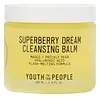
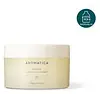
This oil-based makeup remover is made to dissolve makeup, sunscreen, and daily buildup.
This oil-based makeup remover is made to dissolve makeup, sunscreen, and daily buildup.


What's inside
What's inside
 Key Ingredients
Benefits
Concerns
Ingredients Side-by-side
Helianthus Annuus Seed Oil
Emollient



Caprylic/Capric Triglyceride
Masking

Oryza Sativa Bran Wax
Skin Conditioning
Polyglyceryl-2 Sesquicaprylate
EmulsifyingPolyglyceryl-6 Distearate
Emulsifying
Water
Skin ConditioningPolyhydroxystearic Acid
Emulsifying
Simmondsia Chinensis Seed Oil
Emollient
Moringa Oleifera Seed Oil
Emollient


Sorbitan Olivate
Emulsifying
Hydrolyzed Sodium Hyaluronate
Skin Conditioning
Sodium Hyaluronate
Humectant


Opuntia Ficus-Indica Stem Extract
Skin Conditioning
Aristotelia Chilensis Fruit Extract
Skin ConditioningEuterpe Oleracea Fruit Extract
Lycium Barbarum Fruit Extract
Astringent
Moringa Oleifera Leaf Extract
Skin ConditioningOpuntia Tuna Flower/Stem Extract
Skin ConditioningMelia Azadirachta Flower Extract
Skin ConditioningMelia Azadirachta Leaf Extract
Skin ConditioningOcimum Sanctum Leaf Extract
Skin ConditioningCurcuma Longa Root Extract
Antioxidant

Ocimum Basilicum Flower/Leaf Extract
TonicCorallina Officinalis Extract
Skin Conditioning
Ricinus Communis Seed Oil
Masking
Hydrogenated Castor Oil
Emollient
Tocopherol
Antioxidant


Sodium Laurylglucosides Hydroxypropylsulfonate
CleansingCaprylyl Glycol
Emollient
Sodium Chloride
MaskingEthylhexylglycerin
Skin ConditioningPhenoxyethanol
Preservative
Hexylene Glycol
EmulsifyingParfum
Masking

Helianthus Annuus Seed Oil, Caprylic/Capric Triglyceride, Oryza Sativa Bran Wax, Polyglyceryl-2 Sesquicaprylate, Polyglyceryl-6 Distearate, Water, Polyhydroxystearic Acid, Simmondsia Chinensis Seed Oil, Moringa Oleifera Seed Oil, Sorbitan Olivate, Hydrolyzed Sodium Hyaluronate, Sodium Hyaluronate, Opuntia Ficus-Indica Stem Extract, Aristotelia Chilensis Fruit Extract, Euterpe Oleracea Fruit Extract, Lycium Barbarum Fruit Extract, Moringa Oleifera Leaf Extract, Opuntia Tuna Flower/Stem Extract, Melia Azadirachta Flower Extract, Melia Azadirachta Leaf Extract, Ocimum Sanctum Leaf Extract, Curcuma Longa Root Extract, Ocimum Basilicum Flower/Leaf Extract, Corallina Officinalis Extract, Ricinus Communis Seed Oil, Hydrogenated Castor Oil, Tocopherol, Sodium Laurylglucosides Hydroxypropylsulfonate, Caprylyl Glycol, Sodium Chloride, Ethylhexylglycerin, Phenoxyethanol, Hexylene Glycol, Parfum
Tocopherol
Antioxidant
Prunus Armeniaca Kernel Oil
Masking
Viola Odorata Oil
Masking
Sorbitan Olivate
Emulsifying
Orbignya Oleifera Seed Oil
Emollient
Citrus Aurantifolia Oil
Cleansing
Polyglyceryl-3 Caprate
EmulsifyingSorbitan Palmitate
Emulsifying
Citrus Aurantium Dulcis Peel Oil
Masking
Euphorbia Cerifera Cera
Astringent
Pelargonium Graveolens Oil
Masking
Cedrus Atlantica Bark Oil
Masking
Cetyl Palmitate
Emollient
Helianthus Annuus Seed Oil
Emollient
Geraniol
Perfuming
Polyethylene
Abrasive
Sorbeth-30 Tetraoleate
Emulsifying
Polyglyceryl-10 Oleate
Skin Conditioning
Benzyl Benzoate
Antimicrobial
Polyglyceryl-2 Sesquioleate
Emulsifying
Citronellol
Perfuming
Limonene
Perfuming
Hydrogenated Vegetable Oil
Emollient
Linalool
Perfuming
Aniba Rosodora Wood Oil
Astringent
Citrus Aurantium Bergamia Fruit Oil
Masking
Tocopherol, Prunus Armeniaca Kernel Oil, Viola Odorata Oil, Sorbitan Olivate, Orbignya Oleifera Seed Oil, Citrus Aurantifolia Oil, Polyglyceryl-3 Caprate, Sorbitan Palmitate, Citrus Aurantium Dulcis Peel Oil, Euphorbia Cerifera Cera, Pelargonium Graveolens Oil, Cedrus Atlantica Bark Oil, Cetyl Palmitate, Helianthus Annuus Seed Oil, Geraniol, Polyethylene, Sorbeth-30 Tetraoleate, Polyglyceryl-10 Oleate, Benzyl Benzoate, Polyglyceryl-2 Sesquioleate, Citronellol, Limonene, Hydrogenated Vegetable Oil, Linalool, Aniba Rosodora Wood Oil, Citrus Aurantium Bergamia Fruit Oil
Reviews
Ingredients Explained
These ingredients are found in both products.
Ingredients higher up in an ingredient list are typically present in a larger amount.
Helianthus Annuus Seed Oil is a plant oil derived from the seeds of a sunflower.
It is rich in fatty acids, primarily linoleic acid and oleic acid. This gives it emollient and skin conditioning properties.
The reason this ingredient is so effective is because it forms a thin film on the skin that reduces transepidermal water loss (TEWL) while supplying linoleic acid to the stratum corneum to improve barrier strength.
The high linoleic acid content is particularly noteworthy for acne-prone skin.
Research suggests that acne-prone skin tends to be deficient in linoleic acid in sebum. Topical application may help replenish this to support a healthier follicular environment and less comedone-promoting sebum.
One randomized study found sunflower seed oil preserved skin barrier integrity in adult volunteers with and without atopic dermatitis (outperforming olive oil).
This ingredient is well-studied, gentle, and an effective emollient suitable for most skin types.
On fungal acne: This ingredient may not be Fungal acne (Malassezia folliculitis) safe. This is because it contains fatty acids with carbon chain lengths in the C11-C24 range.
Learn more about Helianthus Annuus Seed OilSorbitan Olivate is created from the fatty acids in olive oil and sorbitol.
This ingredient is an oil in water emulsifier. It helps stabilize a product by preventing oils and waters from separating. Sorbitan Olivate also helps hydrate the skin.
This ingredient is also known as part of Olivem 1000, with Cetearyl Olivate being the other part.
According to a manufacturer, this ingredient helps preserve the natural microbiome of skin. Having a healthy microbiome helps keep our skin healthy and protects against harmful bacteria.
Please note, having a healthy microbiome is different from fungal acne; a healthy microbiome includes small amounts of yeast that normally live on your skin without causing problems.
Fungal acne happens when one type of yeast (Malassezia) grows out of control. This is usually because it's feeding on certain oils or fatty acids. Due to the olive oil base, this ingredient may not be fungal acne safe.
Learn more about Sorbitan OlivateTocopherol is a fat-soluble antioxidant known as Vitamin E.
You'll find this ingredient in the vast majority of skincare (for good reason). It works to neutralize free radicals, or unstable molecules generated by UV exposure, pollution, and other environmental stressors, before they can cause oxidative damage to your skin cells.
Topically applied tocopherol has been shown to protect against UV damage by ramping up the skin's own natural defense enzymes.
It also acts as a skin conditioning agent; some studies show that regular topical use can improve the skin's water-binding capacity over 2-4 weeks.
This ingredient is especially loved for being a team player. When combined with Vitamin C, the photoprotective effect of both ingredients roughly doubles and the combo also helps reduce UV-induced DNA damage.
This ingredient has some brightening potential but it's more of a prevention ingredient than spot-fader. Cell studies show it can slow down melanin production but it's worth noting that it's not the most powerful brightener out there.
In formulations, it also serves as a stabilizer that helps protect other oxidation-prone ingredients from degrading.
Concentrations usually range from 0.1-1% in most leave-on products.
Learn more about Tocopherol

