This oil-based makeup remover is made to dissolve makeup, sunscreen, and daily buildup.
This oil-based makeup remover is made to dissolve makeup, sunscreen, and daily buildup.

What's inside
What's inside
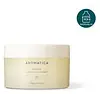 Key Ingredients
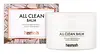
Benefits
Concerns
Ingredients Side-by-side
Tocopherol
Antioxidant







Prunus Armeniaca Kernel Oil
Masking




Viola Odorata Oil
Masking
Sorbitan Olivate
Emulsifying
Orbignya Oleifera Seed Oil
Emollient
Citrus Aurantifolia Oil
Cleansing


Polyglyceryl-3 Caprate
EmulsifyingSorbitan Palmitate
Emulsifying
Citrus Aurantium Dulcis Peel Oil
Masking
Euphorbia Cerifera Cera
Astringent
Pelargonium Graveolens Oil
Masking
Cedrus Atlantica Bark Oil
Masking
Cetyl Palmitate
Emollient
Helianthus Annuus Seed Oil
Emollient
Geraniol
Perfuming
Polyethylene
Abrasive
Sorbeth-30 Tetraoleate
Emulsifying
Polyglyceryl-10 Oleate
Skin Conditioning
Benzyl Benzoate
Antimicrobial
Polyglyceryl-2 Sesquioleate
Emulsifying
Citronellol
Perfuming
Limonene
Perfuming
Hydrogenated Vegetable Oil
Emollient
Linalool
Perfuming
Aniba Rosodora Wood Oil
Astringent
Citrus Aurantium Bergamia Fruit Oil
Masking
Tocopherol, Prunus Armeniaca Kernel Oil, Viola Odorata Oil, Sorbitan Olivate, Orbignya Oleifera Seed Oil, Citrus Aurantifolia Oil, Polyglyceryl-3 Caprate, Sorbitan Palmitate, Citrus Aurantium Dulcis Peel Oil, Euphorbia Cerifera Cera, Pelargonium Graveolens Oil, Cedrus Atlantica Bark Oil, Cetyl Palmitate, Helianthus Annuus Seed Oil, Geraniol, Polyethylene, Sorbeth-30 Tetraoleate, Polyglyceryl-10 Oleate, Benzyl Benzoate, Polyglyceryl-2 Sesquioleate, Citronellol, Limonene, Hydrogenated Vegetable Oil, Linalool, Aniba Rosodora Wood Oil, Citrus Aurantium Bergamia Fruit Oil
Ethylhexyl Palmitate
Emollient
Cetyl Ethylhexanoate
EmollientPEG-20 Glyceryl Triisostearate
Emollient
Polyethylene
Abrasive
PEG-8 Isostearate
Emulsifying
1,2-Hexanediol
Skin Conditioning
Butyrospermum Parkii Butter
Skin Conditioning
Tocopheryl Acetate
Antioxidant
Citrus Aurantium Dulcis Peel Oil
Masking
Lavandula Angustifolia Oil
Masking
Pelargonium Graveolens Flower Oil
Masking
Amyris Balsamifera Bark Oil
Masking
Eucalyptus Globulus Leaf Oil
Perfuming
Melaleuca Alternifolia Leaf Oil
Antioxidant

Citrus Paradisi Peel Oil
Masking
Citrus Aurantium Bergamia Fruit Oil
Masking
Boswellia Carterii Oil
Masking
Juniperus Mexicana Oil
Masking
Water
Skin ConditioningCocos Nucifera Fruit Extract
Emollient
Butylene Glycol
Humectant
Citrus Aurantifolia Fruit Extract
Skin ConditioningCitric Acid
Buffering
Phenoxyethanol
Preservative
Nelumbium Speciosum Flower Extract
Skin ConditioningFreesia Refracta Extract
Skin ConditioningRose Extract
Skin ConditioningLeontopodium Alpinum Extract
Skin ConditioningJasminum Officinale Extract
Masking
Narcissus Pseudo-Narcissus Flower Extract
Skin ConditioningLilium Tigrinum Extract
Skin ConditioningIris Versicolor Extract
EmollientEthylhexylglycerin
Skin ConditioningLimonene
Perfuming
Citral
Perfuming
Linalool
Perfuming
Ethylhexyl Palmitate, Cetyl Ethylhexanoate, PEG-20 Glyceryl Triisostearate, Polyethylene, PEG-8 Isostearate, 1,2-Hexanediol, Butyrospermum Parkii Butter, Tocopheryl Acetate, Citrus Aurantium Dulcis Peel Oil, Lavandula Angustifolia Oil, Pelargonium Graveolens Flower Oil, Amyris Balsamifera Bark Oil, Eucalyptus Globulus Leaf Oil, Melaleuca Alternifolia Leaf Oil, Citrus Paradisi Peel Oil, Citrus Aurantium Bergamia Fruit Oil, Boswellia Carterii Oil, Juniperus Mexicana Oil, Water, Cocos Nucifera Fruit Extract, Butylene Glycol, Citrus Aurantifolia Fruit Extract, Citric Acid, Phenoxyethanol, Nelumbium Speciosum Flower Extract, Freesia Refracta Extract, Rose Extract, Leontopodium Alpinum Extract, Jasminum Officinale Extract, Narcissus Pseudo-Narcissus Flower Extract, Lilium Tigrinum Extract, Iris Versicolor Extract, Ethylhexylglycerin, Limonene, Citral, Linalool
Reviews
Ingredients Explained
These ingredients are found in both products.
Ingredients higher up in an ingredient list are typically present in a larger amount.
Citrus Aurantium Bergamia Fruit Oil is the oil from the bergamot orange and is primarily used as a fragrance. It has a "fresh" and "bright orange" scent.
The main aroma compounds found in this ingredient are limonene (~27-52%), linalool (~2-22%), and linalyl acetate (~27-40%). These are known EU fragrance allergens.
The term 'fragrance' is not regulated in many countries. In many cases, it is up to the brand to define this term. For instance, many brands choose to label themselves as "fragrance-free" because they are not using synthetic fragrances. However, their products may still contain ingredients such as essential oils that are considered a fragrance.
When used topically, Citrus Aurantium Bergamia Fruit Oil is a photosensitizer due to the furanocoumarin content. Furanocoumarins absorb UV-A and cause phytophotodermatitis; this can look like redness, blistering, and lasting brown pigmentation on sun-exposed skin.
Due to this, this ingredient is capped at 0.4% in leave-on products applied to sun exposed skin.
Many modern formulas used a "furanocoumarin-free" version that sidesteps the phototoxicity issue, but still contains the fragrance allergens.
Learn more about Citrus Aurantium Bergamia Fruit OilCitrus Aurantium Dulcis Peel Oil is oil from the peel of an orange fruit.
Limonene and linalool make up the majority of oils from citrus peels. Limonene has a "citrus" fragrance. Citrus peels also contain flavonoids, which have anti-inflammatory properties.
Citrus peel is also a rich source of flavonoids. Flavonoids are natural antioxidants and help protect your skin against damage. Flavonoids are a group of compounds naturally found in vegetables and fruits.
The term 'fragrance' is not regulated in many countries. In many cases, it is up to the brand to define this term. For instance, many brands choose to label themselves as "fragrance-free" because they are not using synthetic fragrances. However, their products may still contain ingredients such as essential oils that are considered a fragrance.
Learn more about Citrus Aurantium Dulcis Peel OilLimonene is the compound that gives citrus peel its smell.
In skincare, it shows up as a standalone fragrance ingredient or as a natural compound of citrus and other essential oils.
You'll typically see this ingredient used in very small amounts; anything above 0.001% in a leave-on product or 0.01% in a rinse-off has to be named on the label in the EU. The citrus oils that carry it sit around 0.5-1% in a finished formula.
Fresh limonene is a weak allergen; the real issue is that it slowly reacts with air and then breaks down from oxidation to create hydroperoxides (which are strong sensitizers). This is why suppliers are required to keep the peroxide value below 20 mmol.
Positive reactions in people being investigated for eczema vary:
It's worth skipping if you have a known fragrance allergy or a compromised barrier, but the risk is low for most people.
Older or long-opened products are also more likely to bother you than fresh ones due to oxidation.
Learn more about LimoneneLinalool is a small, naturally occurring scent molecule found in plants like lavender, coriander, bergamot, and more.
It is one of the two most-used fragrance ingredients in cosmetics and added purely for smell. Since it's not used for a skin benefit, there's no "effective dose". Concentration depends on the fragrance load of the product.
The EU requires it to be named on the label above 0.001% in leave-on and 0.01% in rinse-off products.
Fresh linalool is a weak sensitizer but air exposure turns some of it into hydroperoxides, which are strong sensitizers. Those oxidation products are the actual allergy concern.
Patch-test clinics see positive reactions to linalool hydroperoxides in about 4% to 12% of dermatitis patients depending on country and test concentration.
Resassuringly, one analytical study found hydroperoxide levels in real fragranced products to be orders of magnitude below what induced sensitization in animal studies with no evidence of oxidation building up during normal storage.
The practical takeaway is that linalool is fine for most people but worth avoiding if you have a confirmed fragrance contact allergy or a badly compromised barrier.
Products stored a long time after opening are also the high-risk scenario since that is when oxidation happens.
The scent of linalool is described as floral, spicy tropical, and citrus-like.
Learn more about LinaloolPolyethylene is a synthetic ingredient that helps the skin retain moisture. It is a polymer.
It is also typically used within product formulations to help bind solid ingredients together and thicken oil-based ingredients. When added to balms and emulsions, it helps increase the melting point temperature.


