Muji Cleansing Balm Versus heimish All Clean Balm
This oil-based makeup remover is made to dissolve makeup, sunscreen, and daily buildup.
This oil-based makeup remover is made to dissolve makeup, sunscreen, and daily buildup.


What's inside
What's inside
 Key Ingredients
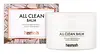
Benefits
Concerns
Ingredients Side-by-side
Ethylhexyl Palmitate
Emollient




Caprylic Acid
CleansingPolyglyceryl-2 Triisostearate
Emulsifying
Synthetic Wax
Abrasive
Triethylhexanoin
MaskingMicrocrystalline Wax
Emulsion StabilisingBrassica Campestris Seed Oil
Skin Conditioning

Butyrospermum Parkii Oil
Emollient
Camellia Japonica Seed Oil
Emollient
Corylus Avellana Seed Oil
Emollient
Limnanthes Alba Seed Oil
Skin Conditioning
Macadamia Ternifolia Seed Oil
Emollient
Melaleuca Alternifolia Leaf Oil
Antioxidant





Oenothera Biennis Oil
Emollient


Oryza Sativa Germ Oil
Emollient
Persea Gratissima Oil
Skin Conditioning
Prunus Amygdalus Dulcis Oil
Skin Conditioning
Rosa Canina Fruit Oil
Emollient
Simmondsia Chinensis Seed Oil
Emollient
Vitis Vinifera Seed Oil
Emollient
Tocopherol
Antioxidant



CI 77288
Cosmetic ColorantPhenoxyethanol
Preservative
Ethylhexyl Palmitate, Caprylic Acid, Polyglyceryl-2 Triisostearate, Synthetic Wax, Triethylhexanoin, Microcrystalline Wax, Brassica Campestris Seed Oil, Butyrospermum Parkii Oil, Camellia Japonica Seed Oil, Corylus Avellana Seed Oil, Limnanthes Alba Seed Oil, Macadamia Ternifolia Seed Oil, Melaleuca Alternifolia Leaf Oil, Oenothera Biennis Oil, Oryza Sativa Germ Oil, Persea Gratissima Oil, Prunus Amygdalus Dulcis Oil, Rosa Canina Fruit Oil, Simmondsia Chinensis Seed Oil, Vitis Vinifera Seed Oil, Tocopherol, CI 77288, Phenoxyethanol
Ethylhexyl Palmitate
Emollient
Cetyl Ethylhexanoate
EmollientPEG-20 Glyceryl Triisostearate
Emollient
Polyethylene
Abrasive
PEG-8 Isostearate
Emulsifying
1,2-Hexanediol
Skin Conditioning
Butyrospermum Parkii Butter
Skin Conditioning
Tocopheryl Acetate
Antioxidant
Citrus Aurantium Dulcis Peel Oil
Masking
Lavandula Angustifolia Oil
Masking
Pelargonium Graveolens Flower Oil
Masking
Amyris Balsamifera Bark Oil
Masking
Eucalyptus Globulus Leaf Oil
Perfuming
Melaleuca Alternifolia Leaf Oil
Antioxidant
Citrus Paradisi Peel Oil
Masking
Citrus Aurantium Bergamia Fruit Oil
Masking
Boswellia Carterii Oil
Masking
Juniperus Mexicana Oil
Masking
Water
Skin ConditioningCocos Nucifera Fruit Extract
Emollient
Butylene Glycol
Humectant
Citrus Aurantifolia Fruit Extract
Skin ConditioningCitric Acid
Buffering
Phenoxyethanol
Preservative
Nelumbium Speciosum Flower Extract
Skin ConditioningFreesia Refracta Extract
Skin ConditioningRose Extract
Skin ConditioningLeontopodium Alpinum Extract
Skin ConditioningJasminum Officinale Extract
Masking
Narcissus Pseudo-Narcissus Flower Extract
Skin ConditioningLilium Tigrinum Extract
Skin ConditioningIris Versicolor Extract
EmollientEthylhexylglycerin
Skin ConditioningLimonene
Perfuming
Citral
Perfuming
Linalool
Perfuming
Ethylhexyl Palmitate, Cetyl Ethylhexanoate, PEG-20 Glyceryl Triisostearate, Polyethylene, PEG-8 Isostearate, 1,2-Hexanediol, Butyrospermum Parkii Butter, Tocopheryl Acetate, Citrus Aurantium Dulcis Peel Oil, Lavandula Angustifolia Oil, Pelargonium Graveolens Flower Oil, Amyris Balsamifera Bark Oil, Eucalyptus Globulus Leaf Oil, Melaleuca Alternifolia Leaf Oil, Citrus Paradisi Peel Oil, Citrus Aurantium Bergamia Fruit Oil, Boswellia Carterii Oil, Juniperus Mexicana Oil, Water, Cocos Nucifera Fruit Extract, Butylene Glycol, Citrus Aurantifolia Fruit Extract, Citric Acid, Phenoxyethanol, Nelumbium Speciosum Flower Extract, Freesia Refracta Extract, Rose Extract, Leontopodium Alpinum Extract, Jasminum Officinale Extract, Narcissus Pseudo-Narcissus Flower Extract, Lilium Tigrinum Extract, Iris Versicolor Extract, Ethylhexylglycerin, Limonene, Citral, Linalool
Reviews
Ingredients Explained
These ingredients are found in both products.
Ingredients higher up in an ingredient list are typically present in a larger amount.
Ethylhexyl Palmitate, also known as octyl palmitate, is created from 2-ethylhexyl alcohol and palmitic acid.
In cosmetics, it plays many roles:
One thing worth noting: a controlled study found this ingredient applied under occlusion to acne-prone subjects increased microcomedones. Just keep in mind this was under occlusive conditions and don't reflect how most products are used day-to-day.
For most people, this is a well-tolerated and lightweight ingredient.
This ingredient may not be fungal acne safe because it is an ester of palmitic acid, a C16 fatty acid that falls within the C11-24 range that Malassezia can metabolize.
You'll see this one rated 4 comedogenic all over the internet. That number isn't from a single study, and the actual research is more interesting.
The original rating comes from 1980s rabbit ear tests (which are a shaky basis for anything). But Ethylhexyl Palmitate is one of the few ingredients with real human data behind it. A 2021 controlled trial found this ingredient increased microcomedones by an average of 365% over four weeks.
Just know that test used the pure ingredient under an occlusive pad on back skin; most products use it at much lower levels alongside other ingredients and plenty of people use those with no issue.
Learn more about Ethylhexyl PalmitateThis ingredient is also known as tea tree oil. It has antioxidant, anti-inflammatory, and antimicrobial properties.
Tea tree oil is a complex lipophilic (fat-loving) oil that contains around 100 compounds with terpinen-4-ol being the most abundant (~40%).
Terpinen-4-ol is responsible for tea tree oil's broad-spectrum antimicrobial activity and makes it a well-researched option for acne.
Clinical studies support 5% tea tree oil as an effective topical treatment for mild to moderate acne. A study with 124 patients compared 5% tea tree oil gel to 5% benzoyl peroxide and both reduced acne (though tea tree oil worked more slowly).
Besides acne, it is also seen in anti-dandruff shampoos and scalp treatments for it's antimicrobial and anti-seborrheic properties.
Safety-wise, the allergic potential of low concentrations on healthy skin is considered low. However, oxidized (old or improperly stored) tea tree oil is a stronger sensitizer.
Irritation can also occur if using the undiluted oil on skin; it's best to use this ingredient as part of a carefully crafted cosmetic formula. This is because regulations require tea tree oil in cosmetics to be stabilized to prevent degradation.
This ingredient has been deemed safe up to 2% in shampoo, 1% in cleansers, and 0.1% in face cream by the EU's Scientific Committee on Consumer Safety (SCCS).
There is some lab evidence that tea tree oil is antifungal against Malassezia, but it is a supportive option at best and not a replacement for proven antifungal treatments.
Learn more about Melaleuca Alternifolia Leaf OilPhenoxyethanol is one of the most widely used preservatives in skincare (and for good reason!).
It has a large spectrum of antimicrobial activity and especially effective bacteria, yeast, and mold while only having a weak effect on your skin's natural microbiome.
On a cellular level, it disrupts the cell membranes of microbes by poking holes that make the cell leak. This shuts down the chemical reactions the microbe needs to make energy so it can no longer survive.
Another perk of this ingredient is that it stays functional across a wide pH range (3-10).
You'll often see it paired with boosters like Ethylhexylglycerin; one study showed that a 1:9 ratio of Ethylhexylglycerin to Phenoxyethanol damages bacterial membranes as effectively as doubling the Phenoxyethanol concentration on its own.
Typical use concentrations range from 0.3-1% depending on the formula, and this ingredient is capped at 1% int the EU.
Safety-wise, the fear mongering does not hold up to the evidence. The EU's Scientific Committee on Consumer Safety and FDA consider it safe as a preservative at up to 1%, including for children of all ages.
Adverse systemic effects only showed up in animal studies at exposures roughly 200x higher than what people get from cosmetics. And despite its very widespread use, this ingredient is a rare sensitizer and allergic reactions are uncommon.
Learn more about Phenoxyethanol

