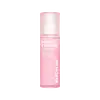
This anti-aging treatment is formulated around Collagen Water and Niacinamide to soften the look of wrinkles.
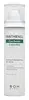
This barrier-repair toner is formulated around Centella Asiatica Extract and Panthenol to strengthen the skin barrier and calm redness.

What's inside
What's inside
 Key Ingredients
Benefits
Concerns
Ingredients Side-by-side
Collagen Water
Humectant
Water
Skin ConditioningGlycerin
Humectant


1,2-Hexanediol
Skin Conditioning
Niacinamide
Smoothing








Polyglycerin-3
Humectant
Madecassoside
Antioxidant
Asiaticoside
Antioxidant
Maltodextrin
Absorbent
Centella Asiatica Extract
Cleansing
Cynanchum Atratum Extract
Skin ConditioningFicus Carica Fruit Extract
Humectant
Punica Granatum Fruit Extract
Antioxidant
Morus Alba Fruit Extract
Antioxidant
Ginkgo Biloba Nut Extract
Skin ConditioningLactobacillus/Collagen Ferment Filtrate
Humectant
Hydrolyzed Collagen
Emollient
Sodium DNA
Skin Conditioning
Soluble Collagen
Humectant
Collagen
Moisturising
Collagen Amino Acids
Moisturising
Aloe Barbadensis Leaf Extract
Emollient
Hydrogenated Lecithin
Emulsifying
Whey Filtrate
Skin ConditioningFructan
Skin ConditioningAtelocollagen
Skin Conditioning
Desamido Collagen
Skin Conditioning
Sodium Ascorbyl Phosphate
Antioxidant
Procollagen
Skin Conditioning
Hexapeptide-9
Skin Conditioning
Acetyl Hexapeptide-8
Humectant
Milk Exosomes
EmollientCoptis Japonica Root Extract
Skin ConditioningTripeptide-1
Skin Conditioning
Tripeptide-29
Skin Conditioning
Biotin
AntiseborrhoeicAscorbic Acid
Antioxidant
Riboflavin
Cosmetic ColorantThiamine Hcl
MaskingFolic Acid
Skin ConditioningPyridoxine
Skin ConditioningAdenosine
Skin Conditioning
Mangifera Indica Seed Butter
Skin Conditioning

Astrocaryum Murumuru Seed Butter
Emollient

Theobroma Grandiflorum Seed Butter
Skin Conditioning
Sodium Surfactin
CleansingButylene Glycol
Humectant
Macadamia Ternifolia Seed Oil
Emollient
Caprylic/Capric Triglyceride
Masking
Butyrospermum Parkii Butter
Skin Conditioning
Propanediol
Solvent
Pentylene Glycol
Skin Conditioning
Sodium Palmitoyl Sarcosinate
CleansingIsopentyldiol
Humectant
Gellan Gum
Calcium Lactate
AstringentCyanocobalamin
Skin ConditioningPolyglyceryl-10 Laurate
Skin Conditioning
Inulin Lauryl Carbamate
Emulsion StabilisingCaprylyl Glycol
Emollient
Ethylhexylglycerin
Skin ConditioningParfum
Masking


Collagen Water, Water, Glycerin, 1,2-Hexanediol, Niacinamide, Polyglycerin-3, Madecassoside, Asiaticoside, Maltodextrin, Centella Asiatica Extract, Cynanchum Atratum Extract, Ficus Carica Fruit Extract, Punica Granatum Fruit Extract, Morus Alba Fruit Extract, Ginkgo Biloba Nut Extract, Lactobacillus/Collagen Ferment Filtrate, Hydrolyzed Collagen, Sodium DNA, Soluble Collagen, Collagen, Collagen Amino Acids, Aloe Barbadensis Leaf Extract, Hydrogenated Lecithin, Whey Filtrate, Fructan, Atelocollagen, Desamido Collagen, Sodium Ascorbyl Phosphate, Procollagen, Hexapeptide-9, Acetyl Hexapeptide-8, Milk Exosomes, Coptis Japonica Root Extract, Tripeptide-1, Tripeptide-29, Biotin, Ascorbic Acid, Riboflavin, Thiamine Hcl, Folic Acid, Pyridoxine, Adenosine, Mangifera Indica Seed Butter, Astrocaryum Murumuru Seed Butter, Theobroma Grandiflorum Seed Butter, Sodium Surfactin, Butylene Glycol, Macadamia Ternifolia Seed Oil, Caprylic/Capric Triglyceride, Butyrospermum Parkii Butter, Propanediol, Pentylene Glycol, Sodium Palmitoyl Sarcosinate, Isopentyldiol, Gellan Gum, Calcium Lactate, Cyanocobalamin, Polyglyceryl-10 Laurate, Inulin Lauryl Carbamate, Caprylyl Glycol, Ethylhexylglycerin, Parfum
Water
Skin ConditioningGlycerin
Humectant
Centella Asiatica Extract 10%
Cleansing
Triethylhexanoin
MaskingHydrogenated Poly(C6-14 Olefin)
EmollientButylene Glycol
Humectant
Pentylene Glycol
Skin Conditioning
Methylpropanediol
SolventPanthenol 1%
Skin Conditioning
Beta-Sitosterol
Emulsion Stabilising
Centella Asiatica Leaf Extract
Skin Conditioning
Acetyl Hexapeptide-8
Humectant
Ascorbic Acid Polypeptide
Antioxidant
Acetyl Octapeptide-3
Humectant
Acetyl Tetrapeptide-2
Skin Conditioning
Acetyl Tetrapeptide-3
Skin Protecting
Acetyl Tetrapeptide-5
Humectant
Acetyl Tetrapeptide-9
Skin Conditioning
Copper Tripeptide-1
Skin Conditioning
Nonapeptide-1
Skin Conditioning
Palmitoyl Pentapeptide-4
Skin Conditioning
Palmitoyl Tripeptide-1
Skin Conditioning
Palmitoyl Tripeptide-5
Skin Conditioning
Streptococcus Thermophilus Ferment
Humectant
Tocopherol
Antioxidant
Chondrus Crispus Extract
Skin Conditioning
Saccharum Officinarum Extract
MoisturisingPyrus Malus Juice
Skin ConditioningCandida Bombicola/Glucose/Methyl Rapeseedate Ferment
AntimicrobialHelianthus Annuus Seed Oil
Emollient
1,2-Hexanediol
Skin Conditioning
Betaine
Humectant
Trilaureth-4 Phosphate
EmulsifyingEthylhexylglycerin
Skin ConditioningPolyquaternium-51
Skin Conditioning
Sodium Phytate
ChelatingCitric Acid
Buffering
Lecithin
Emollient
Escin
TonicDipropylene Glycol
HumectantCarnosine
Skin Conditioning
Water, Glycerin, Centella Asiatica Extract 10%, Triethylhexanoin, Hydrogenated Poly(C6-14 Olefin), Butylene Glycol, Pentylene Glycol, Methylpropanediol, Panthenol 1%, Beta-Sitosterol, Centella Asiatica Leaf Extract, Acetyl Hexapeptide-8, Ascorbic Acid Polypeptide, Acetyl Octapeptide-3, Acetyl Tetrapeptide-2, Acetyl Tetrapeptide-3, Acetyl Tetrapeptide-5, Acetyl Tetrapeptide-9, Copper Tripeptide-1, Nonapeptide-1, Palmitoyl Pentapeptide-4, Palmitoyl Tripeptide-1, Palmitoyl Tripeptide-5, Streptococcus Thermophilus Ferment, Tocopherol, Chondrus Crispus Extract, Saccharum Officinarum Extract, Pyrus Malus Juice, Candida Bombicola/Glucose/Methyl Rapeseedate Ferment, Helianthus Annuus Seed Oil, 1,2-Hexanediol, Betaine, Trilaureth-4 Phosphate, Ethylhexylglycerin, Polyquaternium-51, Sodium Phytate, Citric Acid, Lecithin, Escin, Dipropylene Glycol, Carnosine
Reviews
Ingredients Explained
These ingredients are found in both products.
Ingredients higher up in an ingredient list are typically present in a larger amount.
1,2-Hexanediol is a synthetic liquid and another multi-functional powerhouse.
It is a:
- Humectant, drawing moisture into the skin
- Emollient, helping to soften skin
- Solvent, dispersing and stabilizing formulas
- Preservative booster, enhancing the antimicrobial activity of other preservatives
Acetyl Hexapeptide-8 (also known as Argireline) is a synthetic hexapeptide that is often called a "topical Botox alternative".
It works by mimicking how Botox relaxes muscles; it interferes with the signaling process that tells your facial muscles to contract. This can help soften expression lines like forehead wrinkles or crow's feet over time.
The comparison to Botox does have limits because the molecule is water-loving and relatively large.
Acetyl Hexapeptide-8 has a hard time absorbing deeply enough through the skin's outer barrier to actually reach the muscles.
So whether it truly works the way Botox does at a biological level is still up for debate, but early clinical outcomes are fairly encouraging.
A 12 week human study of a multi-ingredient regimen containing this ingredient saw:
While some studies have observed improvements in wrinkle appearance, it is important to note that more consistent results are seen in multi-ingredient formulations (vs just Acetyl Hexapeptide-8 alone).
Some research studies also used higher concentrations (up to 10%) while this ingredient is usually found in concentrations up to 0.005% in leave-on formulations.
Learn more about Acetyl Hexapeptide-8Butylene Glycol (or BG) is used within cosmetic products for a few different reasons:
Overall, Butylene Glycol is a safe and well-rounded ingredient that works well with other ingredients.
Though this ingredient works well with most skin types, some people with sensitive skin may experience a reaction such as allergic rashes, closed comedones, or itchiness.
Learn more about Butylene GlycolCentella Asiatica Extract (Centella) is one of the most researched botanical extracts in skincare with decades of studies backing its effects on inflammation, collagen, and the skin barrier.
That research keeps pointing back to the same four triterpenoid saponins: Asiaticoside, Madecassoside, Asiatic Acid, and Madecassic Acid.
These compounds allow centella to dial back inflammation, encourage the skin to build and hold onto collagen, support the barrier and hydration, and bring solid antioxidant activity to protect against signs of aging.
Centella also carries a nice supporting cast of Vitamin A, vitamin C, several B vitamins, and amino acids. Put it all together and you get an ingredient that soothes, hydrates, and protects, all at once.
Most of centella's magic comes from the four big compounds (Asiaticoside, Madecassoside, Asiatic Acid, and Madecassic Acid). These are the actives doing the heavy lifting in almost every centella study.
Here is the short version of what they do in the skin:
So it is not just soothing for the sake of soothing. Centella calms the skin AND helps it rebuild.
Just FYI, not all centella on an ingredient list is the same. What you are getting actually depends on the extract:
Fun fact on the ratios: the leaves tend to be richest in Madecassoside and Asiaticoside, and lower in the two acids. The exact amounts shift with where the plant is grown and how it is processed. This means purity really does vary brand to brand.
Centella is one of the most easygoing actives out there.
It layers well with basically everything: niacinamide, hyaluronic acid, peptides, and vitamin C, and also pairs nicely with stronger actives like retinoids and exfoliating acids where it can help take the edge off irritation.
On the safety side, centella and its triterpenes are classified as weak sensitizers, meaning allergic reactions are possible but uncommon.
Patch tests at 1% and 5% came back negative in test panels, and creams at typical use levels did not cause allergic reactions across large groups of people.
But as with any new active, a patch test is still a smart move for very reactive skin.
Centella is widely used because it is effective at low percentages. For context, human safety testing found no meaningful irritation from creams containing centella extract at everyday use levels (the tested amounts were well under 1%).
The irritancy threshold in animal testing was also above 30% (so real-world formulas sit far below anything concerning).
In collagen lab studies, higher concentrations drove more collagen synthesis, so serums built around centella tend to feature it more prominently.
Bottom line: you will find centella working nicely anywhere from a fraction of a percent up to hero-ingredient levels depending on whether it is a supporting soother or the main event.
Fun fact: Centella has been used as a medicine and in food for many centuries. As a medicine, it is used to treat burns, scratches, and wounds.
Learn more about Centella Asiatica ExtractEthylhexylglycerin is created from glycerin. It is a multitasker ingredient that:
The CIR Expert Panel found minimal skin absorption or sensitization of any kind in a safety assessment. Though this ingredient is considered well-tolerated, a small number of cases of allergic dermatitis have been published since 2002. Just be sure to patch test if you are unsure.
Industry-reported use ranges from 8% in rinse-off products and 2% in leave-on formulations.
Learn more about EthylhexylglycerinGlycerin (or glycerol) is a compound naturally found in your skin. It's a powerhouse humectant that pulls water into the stratum corneum.
Topically, glycerin does several things at once:
Your skin makes glycerin on its own (mostly from sebaceous oil breakdown) and shuttles it to your outermost layer of skin, or your epidermis, via aquaporin-3.
Aquaporin-3 is a transporter that is essential for normal skin hydration, elasticity, and repair. Interestingly, mice lacking in AQP3 have dry and less elastic skin that can be fully corrected with glycerin.
This ingredient is non-irritating, plays well with almost every ingredient, and works across all skin types. Typical use is anywhere between 3-10% but can go up to 79% in some leave-on products.
Just know very high concentrations (>40%) can feel tacky in low humidity.
Glycerin is the name for this ingredient in American English. British English uses Glycerol/Glycerine.
Learn more about GlycerinPentylene Glycol (1,2-pentanediol) is a multitasking little diol with three main roles in a formula:
Research on alkanediols (the family pentylene glycol belongs to) show they work by disrupting microbial cell membranes. This disruption helps the primary preservative system in a product work more effectively at lower doses.
On the safety side, the Cosmetic Ingredient Review Expert Panel has concluded this ingredient to be safe as used in current cosmetic practices + concentrations.
Typical use levels in a formula run about 1-5%.
Learn more about Pentylene GlycolWater. It's the most common cosmetic ingredient of all. You'll usually see it at the top of ingredient lists, meaning that it makes up the largest part of the product.
So why is it so popular? Water most often acts as a solvent - this means that it helps dissolve other ingredients into the formulation.
You'll also recognize water as that liquid we all need to stay alive. If you see this, drink a glass of water. Remember to stay hydrated!
Learn more about Water

