
What's inside
What's inside
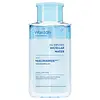 Key Ingredients
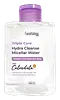
Benefits
Concerns
Ingredients Side-by-side
Water
Skin ConditioningCyclopentasiloxane
Emollient
Isohexadecane
EmollientHexylene Glycol
EmulsifyingSodium Chloride
MaskingPhenoxyethanol
Preservative
Paraffinum Liquidum
Emollient


Niacinamide
Smoothing











Allantoin
Skin Conditioning
Benzalkonium Chloride
Antimicrobial

Cetrimonium Bromide
Antimicrobial
Ethylhexylglycerin
Skin ConditioningParfum
Masking


Propylene Glycol
Humectant
Prunus Amygdalus Dulcis Oil
Skin Conditioning
Disodium EDTA
Decyl Glucoside
Cleansing
Cucumis Sativus Fruit Extract
Emollient
Ethylhexyl Salicylate
UV Absorber

Ethylhexyl Methoxycinnamate
UV Absorber
Macadamia Ternifolia Seed Oil
Emollient
Glycine Soja Oil
Emollient
BHT
Antioxidant
Persea Gratissima Oil
Skin Conditioning
Simmondsia Chinensis Seed Oil
Emollient
Bisabolol
Antioxidant
Isobornyl Acetate
Masking
Calendula Officinalis Flower Extract
Masking
Chamomilla Recutita Flower Extract
Masking
Fucus Vesiculosus Extract
Emollient
Triticum Vulgare Bran Extract
Skin ConditioningLinoleic Acid
Cleansing
Tocopherol
Antioxidant
CI 61565
Cosmetic ColorantWater, Cyclopentasiloxane, Isohexadecane, Hexylene Glycol, Sodium Chloride, Phenoxyethanol, Paraffinum Liquidum, Niacinamide, Allantoin, Benzalkonium Chloride, Cetrimonium Bromide, Ethylhexylglycerin, Parfum, Propylene Glycol, Prunus Amygdalus Dulcis Oil, Disodium EDTA, Decyl Glucoside, Cucumis Sativus Fruit Extract, Ethylhexyl Salicylate, Ethylhexyl Methoxycinnamate, Macadamia Ternifolia Seed Oil, Glycine Soja Oil, BHT, Persea Gratissima Oil, Simmondsia Chinensis Seed Oil, Bisabolol, Isobornyl Acetate, Calendula Officinalis Flower Extract, Chamomilla Recutita Flower Extract, Fucus Vesiculosus Extract, Triticum Vulgare Bran Extract, Linoleic Acid, Tocopherol, CI 61565
Water
Skin ConditioningButylene Glycol
Humectant
Disodium Cocoamphodiacetate
CleansingBetaine
Humectant
Sodium Chloride
MaskingSodium Glycolate
BufferingDMDM Hydantoin
Preservative
Allantoin
Skin Conditioning
Tetrasodium EDTA
Citric Acid
Buffering
Glycerin
Humectant
Calendula Officinalis Flower Extract
Masking
Propylene Glycol
Humectant
Panthenol
Skin Conditioning
1,2-Hexanediol
Skin Conditioning
Pentylene Glycol
Skin Conditioning
Sodium Benzoate
Masking
Potassium Sorbate
Preservative
Sodium Acetylated Hyaluronate
Humectant
Sodium Hyaluronate
Humectant
Sodium Hyaluronate Crosspolymer
Humectant
Pyridoxine
Skin ConditioningThiamine Hcl
MaskingHydrolyzed Sodium Hyaluronate
Skin Conditioning
Ethylhexylglycerin
Skin ConditioningAscorbic Acid
Antioxidant
Bioflavonoids
Skin ConditioningBiotin
AntiseborrhoeicCyanocobalamin
Skin ConditioningFolic Acid
Skin ConditioningGlutathione
Menadione
MaskingRiboflavin
Cosmetic ColorantTocopheryl Acetate
Antioxidant
Water, Butylene Glycol, Disodium Cocoamphodiacetate, Betaine, Sodium Chloride, Sodium Glycolate, DMDM Hydantoin, Allantoin, Tetrasodium EDTA, Citric Acid, Glycerin, Calendula Officinalis Flower Extract, Propylene Glycol, Panthenol, 1,2-Hexanediol, Pentylene Glycol, Sodium Benzoate, Potassium Sorbate, Sodium Acetylated Hyaluronate, Sodium Hyaluronate, Sodium Hyaluronate Crosspolymer, Pyridoxine, Thiamine Hcl, Hydrolyzed Sodium Hyaluronate, Ethylhexylglycerin, Ascorbic Acid, Bioflavonoids, Biotin, Cyanocobalamin, Folic Acid, Glutathione, Menadione, Riboflavin, Tocopheryl Acetate
Reviews
Ingredients Explained
These ingredients are found in both products.
Ingredients higher up in an ingredient list are typically present in a larger amount.
Allantoin is a soothing ingredient known for its protective and moisturizing properties; it's basically a quiet workhorse ingredient you can find in a huge range of cosmetics.
Though it can be derived from the comfrey plant, allantoin is produced synthetically for cosmetic products to ensure purity.
Research shows it can encourage your skin cells to turn over and renew by stimulating keratinocyte and fibroblast proliferation.
It also has mild keratolytic properties to help loosen and shed dead skin cells without being harsh.
Studies also suggest allantoin can help calm inflammation by dialing down some of the chemical signals your skin sends out when it is irritated.
This ingredient is typically used in the 0.1-0.5% range, and the FDA recognizes it as a skin protectant in OTC products up to 2%.
Overall, allantoin is a wonderful addition to most routines; it is stable across a wide pH range (~4-8), works well with other ingredients, and is considered non-sensitizing/non-irritating.
Fun fact: Allantoin is naturally occurring in comfrey root, beets, chamomile, and wheat sprouts. Our bodies even produce it as a byproduct of uric acid metabolism.
Learn more about AllantoinCalendula Officinalis Flower Extract comes from the marigold flower and has been used on skin for centuries for its calming effect.
In the lab, its active compounds appear to calm inflammation and support the early "healing" phase of minor wounds.
This is why Europe's medicines regulator has approved calendula extracts as a traditional remedy for minor skin inflammation and healing small wounds.
The stronger human evidence is around would/ulcer care rather than everyday cosmetic claims; a review that pulled together 14 studies found that calendula helped calm the early, inflamed stage of a wound and helped new skin tissue form faster.
Two studies also showed it shrank leg ulcers (the kind caused by poor circulation). Results were mixed for burns and for the skin irritation people get from radiation treatment, so it's not a sure thing there.
In cosmetics, it's mostly a skin conditioning and soothing agent.
The Cosmetic Ingredient Review panel concluded that calendula-derived ingredients are safe as used and that the ingredients are not irritating, sensitizing, or photosensitizing in clinical tests (though they may be mild eye irritants).
Typical use levels are quite low; industry data reported it used at under 0.5% (one supplier noted a 10-25% extract blend used at 1-10% in the finished product). Historical use goes up to 10%.
The only thing to keep in mind is if you have daisy/ragweed allergies. Calendula is in the same family and one patch-test study found 2% of dermatitis patients reacted to marigold. Be sure to patch test if you have sensitive or allergy-prone skin.
Learn more about Calendula Officinalis Flower ExtractEthylhexylglycerin is created from glycerin. It is a multitasker ingredient that:
The CIR Expert Panel found minimal skin absorption or sensitization of any kind in a safety assessment. Though this ingredient is considered well-tolerated, a small number of cases of allergic dermatitis have been published since 2002. Just be sure to patch test if you are unsure.
Industry-reported use ranges from 8% in rinse-off products and 2% in leave-on formulations.
Learn more about EthylhexylglycerinPropylene Glycol is a synthetic, colorless, odorless liquid that has been a staple in cosmetics for decades. It is a skin conditioning agent, humectant, and solvent.
As a humectant, it draw water to the skin to reduce flaking and restore suppleness. It's also a solvent that helps dissolve other actives and keeps formulas stable across temperature changes.
The CIR Expert Panel has confirmed this ingredient to be nontoxic and clinical studies show no sensitization at cosmetic use concentrations.
True allergic reactions are quite rare: a 15-year retrospective study of 6,751 patients found only 0.31% had a positive reaction (and less than half were considered clinically relevant).
It seemed that when sensitization does occur, it's most commonly linked to topical medication (like corticosteroids) and not cosmetics. Allergic contact dermatitis also appears largely limited to individuals with underlying skin conditions.
Overall, propylene glycol is a well-studied ingredient that most people can tolerate without issue.
Learn more about Propylene GlycolChances are, you eat sodium chloride every day. Sodium Chloride is also known as table salt. This ingredient has many purposes in skincare: thickener, emulsifier, and exfoliator.
You'll most likely find this ingredient in cleansers where it is used to create a gel-like texture. As an emulsifier, it also prevents ingredients from separating.
You might see people debate whether Sodium Chloride is comedogenic, but there actually haven't been any comedogenic tests done on it. Either way, the overall formulation of a product matters a lot more than any single ingredient.
You might see this ingredient used in scrubs as a primary exfoliating ingredient.
Learn more about Sodium ChlorideWater. It's the most common cosmetic ingredient of all. You'll usually see it at the top of ingredient lists, meaning that it makes up the largest part of the product.
So why is it so popular? Water most often acts as a solvent - this means that it helps dissolve other ingredients into the formulation.
You'll also recognize water as that liquid we all need to stay alive. If you see this, drink a glass of water. Remember to stay hydrated!
Learn more about Water

