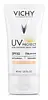
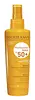
Vichy Skin Defense Daily Care - Anti-Dullness BB Cream SPF50 PA++++ Versus Bioderma Photoderm Max SPF 50+ Spray, Fragrance-free
This hybrid sunscreen covers the full UV range and blocks ~98% of UVB at SPF 50.
This chemical sunscreen covers the full UV range and blocks ~98% of UVB at SPF 50.

What's inside
What's inside
 Key Ingredients
Benefits
Concerns
No concerns
Ingredients Side-by-side
Water
Skin ConditioningEthylhexyl Methoxycinnamate
UV Absorber


CI 77891
Cosmetic ColorantGlycerin
Humectant


Dimethicone
Emollient
Drometrizole Trisiloxane
UV Absorber
Terephthalylidene Dicamphor Sulfonic Acid
UV Absorber
Titanium Dioxide
Cosmetic Colorant
Isocetyl Stearate
Emollient




Alcohol Denat.
Antimicrobial

Propylene Glycol
Humectant
Triethanolamine
BufferingStearic Acid
Cleansing
Potassium Cetyl Phosphate
EmulsifyingTocopherol
Antioxidant





Acrylamide/Sodium Acryloyldimethyltaurate Copolymer
Emulsion StabilisingAluminum Hydroxide
EmollientBHT
Antioxidant
Bis-Ethylhexyloxyphenol Methoxyphenyl Triazine
UV Absorber
Butylene Glycol
Humectant
Butyrospermum Parkii Seedcake Extract
Skin Protecting
Caprylyl Glycol
Emollient
Carbomer
Emulsion StabilisingCetyl Alcohol
Emollient
CI 42090
Cosmetic ColorantCI 77163
Cosmetic Colorant
CI 77491
Cosmetic ColorantCI 77492
Cosmetic ColorantCI 77499
Cosmetic ColorantDiethylamino Hydroxybenzoyl Hexyl Benzoate
UV Filter
Disodium EDTA
Ethylhexyl Hydroxystearate
Emollient
Glyceryl Stearate
Emollient
Hydroxyethyl Acrylate/Sodium Acryloyldimethyl Taurate Copolymer
Emulsion StabilisingIsohexadecane
EmollientMyristic Acid
Cleansing
Palmitic Acid
Emollient
PEG-100 Stearate
Surfactant
Phenoxyethanol
Preservative
Polysorbate 60
Emulsifying
Polysorbate 80
Emulsifying
Scutellaria Baicalensis Extract
AntimicrobialScutellaria Baicalensis Root Extract
Astringent
Sodium Chloride
MaskingSodium Cocoyl Sarcosinate
Cleansing
Sorbitan Isostearate
Emulsifying
Sorbitan Oleate
Emulsifying
Xanthan Gum
EmulsifyingParfum
Masking

Water, Ethylhexyl Methoxycinnamate, CI 77891, Glycerin, Dimethicone, Drometrizole Trisiloxane, Terephthalylidene Dicamphor Sulfonic Acid, Titanium Dioxide, Isocetyl Stearate, Alcohol Denat., Propylene Glycol, Triethanolamine, Stearic Acid, Potassium Cetyl Phosphate, Tocopherol, Acrylamide/Sodium Acryloyldimethyltaurate Copolymer, Aluminum Hydroxide, BHT, Bis-Ethylhexyloxyphenol Methoxyphenyl Triazine, Butylene Glycol, Butyrospermum Parkii Seedcake Extract, Caprylyl Glycol, Carbomer, Cetyl Alcohol, CI 42090, CI 77163, CI 77491, CI 77492, CI 77499, Diethylamino Hydroxybenzoyl Hexyl Benzoate, Disodium EDTA, Ethylhexyl Hydroxystearate, Glyceryl Stearate, Hydroxyethyl Acrylate/Sodium Acryloyldimethyl Taurate Copolymer, Isohexadecane, Myristic Acid, Palmitic Acid, PEG-100 Stearate, Phenoxyethanol, Polysorbate 60, Polysorbate 80, Scutellaria Baicalensis Extract, Scutellaria Baicalensis Root Extract, Sodium Chloride, Sodium Cocoyl Sarcosinate, Sorbitan Isostearate, Sorbitan Oleate, Xanthan Gum, Parfum
Water
Skin ConditioningDiethylamino Hydroxybenzoyl Hexyl Benzoate
UV Filter
Homosalate
Skin Conditioning
Diisopropyl Sebacate
EmollientBis-Ethylhexyloxyphenol Methoxyphenyl Triazine
UV Absorber
Dibutyl Adipate
EmollientPropanediol
Solvent
Ethylhexyl Salicylate
UV Absorber
Ethylhexyl Triazone
UV Absorber
Methylpropanediol
SolventMicrocrystalline Cellulose
AbsorbentC20-22 Alkyl Phosphate
EmulsifyingC20-22 Alcohols
Emulsion Stabilising
C14-22 Alcohols
Emulsion Stabilising
Capryloyl Glycine
CleansingSodium Citrate
BufferingCellulose Gum
Emulsion StabilisingCitric Acid
Buffering
C12-20 Alkyl Glucoside
EmulsifyingEctoin
Skin Conditioning

Mannitol
Humectant
Xylitol
Humectant
Sodium Hydroxide
BufferingRhamnose
HumectantFructooligosaccharides
Humectant
Caprylic/Capric Triglyceride
Masking
Water, Diethylamino Hydroxybenzoyl Hexyl Benzoate, Homosalate, Diisopropyl Sebacate, Bis-Ethylhexyloxyphenol Methoxyphenyl Triazine, Dibutyl Adipate, Propanediol, Ethylhexyl Salicylate, Ethylhexyl Triazone, Methylpropanediol, Microcrystalline Cellulose, C20-22 Alkyl Phosphate, C20-22 Alcohols, C14-22 Alcohols, Capryloyl Glycine, Sodium Citrate, Cellulose Gum, Citric Acid, C12-20 Alkyl Glucoside, Ectoin, Mannitol, Xylitol, Sodium Hydroxide, Rhamnose, Fructooligosaccharides, Caprylic/Capric Triglyceride
Reviews
Ingredients Explained
These ingredients are found in both products.
Ingredients higher up in an ingredient list are typically present in a larger amount.
This ingredient is better known as bemotrizinol or Tinosorb S and is one of the best broad-spectrum UV filters in modern sunscreen.
It works by absorbing UV light across a whole range (280-400 nm) with peaks around 310 nm (UVB) and 340-345 nm (UVA). This means it covers UVB plus the deeper UVA wavelengths that drive photoaging and pigmentation.
Another pro?
It's exceptionally photostable, barely degrades in sunlight, and acts as a "bodyguard" for less stable filters.
That's why you'll see it paired with avobenzone or octinoxate; this team up ensures they keep working through sun exposure.
Safety reviews have been reassuring across the board. This ingredient shows low absorption through the skin, rarely irritates, and lab studies found it doesn't act like a hormone in the body (a concern that's been raised about some older sunscreen filters).
On maximum concentrations:
In 2026, the US F.D.A finally added it as an OTC sunscreen ingredient at concentrations up to 6% for adults / children 6 months and older
Learn more about Bis-Ethylhexyloxyphenol Methoxyphenyl TriazineDiethylamino Hydroxybenzoyl Hexyl Benzoate (DHHB) is a chemical UV-A absorber. It is formulated for high UVA protection (320-400 nm).
DHHB is well-liked for:
DHHB has been approved by the EU, Japan, Taiwan, and South America for use up to 10%. Unfortunately, it has not been approved for use in the US or Canada due to slow regulatory processes.
This ingredient is soluble in oils, fats, and lipids.
Learn more about Diethylamino Hydroxybenzoyl Hexyl BenzoateWater. It's the most common cosmetic ingredient of all. You'll usually see it at the top of ingredient lists, meaning that it makes up the largest part of the product.
So why is it so popular? Water most often acts as a solvent - this means that it helps dissolve other ingredients into the formulation.
You'll also recognize water as that liquid we all need to stay alive. If you see this, drink a glass of water. Remember to stay hydrated!
Learn more about Water

