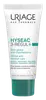
This acne moisturizer is formulated around Polymethyl Methacrylate and Glycolic Acid to clear breakouts and refine skin texture.
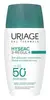
This hybrid sunscreen covers the full UV range and blocks ~98% of UVB at SPF 50.

What's inside
What's inside
 Key Ingredients
Benefits
Concerns
Ingredients Side-by-side
Water
Skin ConditioningDi-C12-13 Alkyl Malate
EmollientPolymethyl Methacrylate

Dicaprylyl Ether
Emollient
Tapioca Starch
Glycolic Acid
Buffering










Sodium Hydroxide
BufferingDiglycerin
Humectant
Glycerin
Humectant
Malic Acid
Buffering
Steareth-2
EmulsifyingSteareth-21
CleansingLactic Acid
Buffering
Pentaerythrityl Distearate
Emulsifying
Butylene Glycol
Humectant
Acrylates/C10-30 Alkyl Acrylate Crosspolymer
Emulsion StabilisingJojoba Esters
Emollient
Dimethicone
Emollient
Glyceryl Stearate
Emollient
Parfum
Masking

PEG-100 Stearate
Surfactant
Propanediol
Solvent
Tocopheryl Acetate
Antioxidant

Helianthus Annuus Seed Cera
Emollient
Piroctone Olamine
Preservative
Xanthan Gum
EmulsifyingPentylene Glycol
Skin Conditioning
Phytosphingosine
Skin Conditioning

Lens Esculenta Seed Extract
Skin ProtectingPolymethylsilsesquioxane
Salicylic Acid
Masking

Zinc Lactate
Asiaticoside
Antioxidant
Acacia Decurrens Flower Cera
Emollient
Polyglycerin-3
Humectant
Glycyrrhiza Inflata Root Extract
Skin Conditioning
Sodium Benzoate
Masking
Rhamnose
HumectantGlucose
Humectant
Glucuronic Acid
Buffering
Tocopherol
Antioxidant
Water, Di-C12-13 Alkyl Malate, Polymethyl Methacrylate, Dicaprylyl Ether, Tapioca Starch, Glycolic Acid, Sodium Hydroxide, Diglycerin, Glycerin, Malic Acid, Steareth-2, Steareth-21, Lactic Acid, Pentaerythrityl Distearate, Butylene Glycol, Acrylates/C10-30 Alkyl Acrylate Crosspolymer, Jojoba Esters, Dimethicone, Glyceryl Stearate, Parfum, PEG-100 Stearate, Propanediol, Tocopheryl Acetate, Helianthus Annuus Seed Cera, Piroctone Olamine, Xanthan Gum, Pentylene Glycol, Phytosphingosine, Lens Esculenta Seed Extract, Polymethylsilsesquioxane, Salicylic Acid, Zinc Lactate, Asiaticoside, Acacia Decurrens Flower Cera, Polyglycerin-3, Glycyrrhiza Inflata Root Extract, Sodium Benzoate, Rhamnose, Glucose, Glucuronic Acid, Tocopherol
Water
Skin ConditioningDibutyl Adipate
EmollientPropylene Glycol Dicaprylate/Dicaprate
EmollientSilica
Abrasive
Isododecane
EmollientButyl Methoxydibenzoylmethane
UV Absorber
Ethylhexyl Salicylate
UV Absorber
Ethylhexyl Triazone
UV Absorber
Diisopropyl Sebacate
EmollientPhenylbenzimidazole Sulfonic Acid
UV Absorber
Caprylic/Capric Triglyceride
Masking
Bis-Ethylhexyloxyphenol Methoxyphenyl Triazine
UV Absorber
Propanediol
Solvent
Arginine
Masking
Polyglyceryl-6 Polyhydroxystearate
Emulsifying
Glycerin
Humectant
Polyglyceryl-6 Polyricinoleate
Emulsifying
Titanium Dioxide
Cosmetic Colorant
1,2-Hexanediol
Skin Conditioning
Sodium Chloride
MaskingStearalkonium Hectorite
Gel FormingHydroxyacetophenone
Antioxidant
Polyglyceryl-2 Dipolyhydroxystearate
Skin Conditioning
Trimethylpentanediol/Adipic Acid/Glycerin Crosspolymer
Skin ConditioningPolyglyceryl-3 Diisostearate
Emulsifying

Polyglyceryl-3 Polyricinoleate
Emulsifying
Piroctone Olamine
Preservative
Gossypium Herbaceum Seed Extract
Skin ConditioningPunica Granatum Seed Extract
Skin ConditioningPolyglycerin-6
HumectantSalicylic Acid
Masking
Tocopheryl Acetate
Antioxidant
Zinc Lactate
Tetrasodium Glutamate Diacetate
ChelatingTrehalose
Humectant
Glyceryl Stearate
Emollient
Pentylene Glycol
Skin Conditioning
Asiaticoside
Antioxidant
Glycyrrhiza Inflata Root Extract
Skin Conditioning
Phytosphingosine
Skin Conditioning
Rhamnose
HumectantFructooligosaccharides
Humectant
Glucose
Humectant
Glucuronic Acid
Buffering
Phytic Acid
Chelating
Tocopherol
Antioxidant
Ascorbyl Palmitate
Antioxidant
Water, Dibutyl Adipate, Propylene Glycol Dicaprylate/Dicaprate, Silica, Isododecane, Butyl Methoxydibenzoylmethane, Ethylhexyl Salicylate, Ethylhexyl Triazone, Diisopropyl Sebacate, Phenylbenzimidazole Sulfonic Acid, Caprylic/Capric Triglyceride, Bis-Ethylhexyloxyphenol Methoxyphenyl Triazine, Propanediol, Arginine, Polyglyceryl-6 Polyhydroxystearate, Glycerin, Polyglyceryl-6 Polyricinoleate, Titanium Dioxide, 1,2-Hexanediol, Sodium Chloride, Stearalkonium Hectorite, Hydroxyacetophenone, Polyglyceryl-2 Dipolyhydroxystearate, Trimethylpentanediol/Adipic Acid/Glycerin Crosspolymer, Polyglyceryl-3 Diisostearate, Polyglyceryl-3 Polyricinoleate, Piroctone Olamine, Gossypium Herbaceum Seed Extract, Punica Granatum Seed Extract, Polyglycerin-6, Salicylic Acid, Tocopheryl Acetate, Zinc Lactate, Tetrasodium Glutamate Diacetate, Trehalose, Glyceryl Stearate, Pentylene Glycol, Asiaticoside, Glycyrrhiza Inflata Root Extract, Phytosphingosine, Rhamnose, Fructooligosaccharides, Glucose, Glucuronic Acid, Phytic Acid, Tocopherol, Ascorbyl Palmitate
Ingredients Explained
These ingredients are found in both products.
Ingredients higher up in an ingredient list are typically present in a larger amount.
Asiaticoside comes from the super popular skin-soothing ingredient, Centella asiatica. It's the reason centella-based products have a strong reputation for repairing and calming skin, along with its sibling compound Madecassoside.
Research from 2016-2025 supports its role in:
You'll usually find this in concentrations between 0.2-5%.
Learn more about AsiaticosideGlucose is a simple sugar (a monosaccharide). In skincare, it is mostly a humectant and skin conditioning agent.
Mechanistically, it has multiple hydroxyl groups that hydrogen-bond to water. This pulls moisture into the upper layers of skin to keep the surface soft and hydrated.
It's worth knowing sugars are already a natural component of the skin's NMF (natural moisturizing factor) so it's a molecule that your stratum corneum is well-acquainted with.
Just so you know, glucose is hydrophilic (water-loving) and the stratum corneum is a strong barrier to hydrophilic compounds. This just means penetration is slow and most of the action is happening on the surface.
Gram-to-gram, glucose is not as efficient as a humectant as glycerin. This is why you'll likely see glycose paired with stronger humectants for a bigger hydration payoff.
In skincare, glucose is typically derived from corn or other starch sources.
Learn more about GlucoseGlucuronic Acid is a type of sugar used by our bodies to expel harmful substances via urine. In skincare, it is used as a humectant to boost skin moisture.
Fun fact: This ingredient is a precursor of ascorbic acid. It is also found in fermentation products such as kombucha.
Glycerin (or glycerol) is a compound naturally found in your skin. It's a powerhouse humectant that pulls water into the stratum corneum.
Topically, glycerin does several things at once:
Your skin makes glycerin on its own (mostly from sebaceous oil breakdown) and shuttles it to your outermost layer of skin, or your epidermis, via aquaporin-3.
Aquaporin-3 is a transporter that is essential for normal skin hydration, elasticity, and repair. Interestingly, mice lacking in AQP3 have dry and less elastic skin that can be fully corrected with glycerin.
This ingredient is non-irritating, plays well with almost every ingredient, and works across all skin types. Typical use is anywhere between 3-10% but can go up to 79% in some leave-on products.
Just know very high concentrations (>40%) can feel tacky in low humidity.
Glycerin is the name for this ingredient in American English. British English uses Glycerol/Glycerine.
Learn more about GlycerinGlyceryl Stearate is made by reacting glycerin with stearic acid (typically sourced from plant oils like palm or coconut). It's an emulsifier, emollient, and mild occlusive.
Emulsifiers help ingredients like oil and water stay mixed so your formula stays nicely blended and uniform in texture.
This ingredient is typically used in concentrations between 1-10%. Studies have found it to be non-sensitizing, non-phototoxic, and non-photoallergenic.
A close cousin of this ingredient is Glyceryl Stearate SE ("self-emulsifying"). This just has a small amount of sodium or potassium stearate added so it can emulsify without a co-emulsifier.
Since this ingredient is an ester of a C18 fatty acid, it may not be fungal acne safe. The Malassezia yeast can potentially metabolize within the C11-C24 range.
Fun fact: The human body also creates Glyceryl Stearate naturally.
Learn more about Glyceryl StearateThis ingredient comes from the Chinese licorice species, Glycyrrhiza Inflata. It has skin conditioning, soothing, and antioxidant properties.
The flavonoids in this ingredient show anti-inflammatory and antioxidant activities in lab studies. These compounds may also play a role in supporting a more even skin tone and helping to control microbial activity on acne-prone skin.
Pentylene Glycol (1,2-pentanediol) is a multitasking little diol with three main roles in a formula:
Research on alkanediols (the family pentylene glycol belongs to) show they work by disrupting microbial cell membranes. This disruption helps the primary preservative system in a product work more effectively at lower doses.
On the safety side, the Cosmetic Ingredient Review Expert Panel has concluded this ingredient to be safe as used in current cosmetic practices + concentrations.
Typical use levels in a formula run about 1-5%.
Learn more about Pentylene GlycolPhytosphingosine is a phospholipid naturally found in our skin as a building block for ceramides.. It helps moisturize, soothe, and protect skin.
Phytosphingosine contributes to your skin's natural moisturizing factor (NMF). The NMF is responsible for hydration, a strong barrier, and plasticity. Our NMF decreases with age. Increasing NMF leads to more healthy and hydrated skin.
Studies show products formulated with NMF ingredients help strengthen our skin's barrier. Having a healthy skin barrier reduces irritation and increases hydration. Our skin barrier is responsible for having plump and firm skin. It also helps protect our skin against infection, allergies, and inflammation.
Fun fact: Phytosphingosine is abundant in plants and fungi.
More ingredients that help boost collagen in skin:
Learn more about PhytosphingosinePiroctone Olamine is a synthetic antifungal and preservative ingredient.
Its main job is to keep the yeast, Malassezia, in check; this yeast is linked to dandruff, seborrheic dermatitis, and fungal acne (a.k.a. Malassezia folliculitis).
The way it works is pretty neat:
It slips into the fungal cell and grabs onto iron ions that the yeast needs for its energy metabolism; this basically starves it out. But the full mechanism isn't 100% pinned down and some research also points it to interfering with ergosterol (a building block of the fungal cell membrane).
Besides antifungal action, it also has mild anti-inflammatory and soothing effects to help calm itchiness in the scalp.
Typical usage concentrations are low. The EU permits it to be a preservative up to 1% in rinse-off products and 0.5% in leave-on products.
Though it's generally well-tolerated, a small number of people may notice itching or irritation (as with any active).
Learn more about Piroctone OlaminePropanediol is an all-star ingredient. It softens, hydrates, and smooths the skin.
It’s often used to:
Propanediol is not likely to cause sensitivity and considered safe to use. It is derived from corn or petroleum with a clear color and no scent.
Learn more about PropanediolWe don't have a description for Rhamnose yet.
Salicylic Acid (also known as beta hydroxy acid or BHA) is a well-known ingredient for treating skin that struggles with acne and clogged pores. It exfoliates both the skin's surface and deep within the pores to help clear out buildup, control oil, and reduce inflammation.
Unlike AHAs (alpha hydroxy acids), salicylic acid is oil-soluble. This allows it to penetrate into pores which makes it especially effective for treating blackheads and preventing future breakouts.
Salicylic acid is also known for its soothing properties. It has a similar structure to aspirin and can calm inflamed or irritated skin, making it a good option for acne-prone skin that is also sensitive.
Concentrations of 0.5-2% are recognized by the U.S. FDA as an over-the-counter topical acne product.
It can cause irritation and/or dryness if one's skin already has a compromised moisture barrier, so it's best to focus on repairing that before introducing this ingredient into your routine.
While salicylic acid does not increase sun sensitivity, it’s still important to wear sunscreen daily to protect your skin.
If you are looking for the ingredient called BHA or Butylated Hydroxyanisole, click here.
Learn more about Salicylic AcidTocopherol is a fat-soluble antioxidant known as Vitamin E.
You'll find this ingredient in the vast majority of skincare (for good reason). It works to neutralize free radicals, or unstable molecules generated by UV exposure, pollution, and other environmental stressors, before they can cause oxidative damage to your skin cells.
Topically applied tocopherol has been shown to protect against UV damage by ramping up the skin's own natural defense enzymes.
It also acts as a skin conditioning agent; some studies show that regular topical use can improve the skin's water-binding capacity over 2-4 weeks.
This ingredient is especially loved for being a team player. When combined with Vitamin C, the photoprotective effect of both ingredients roughly doubles and the combo also helps reduce UV-induced DNA damage.
This ingredient has some brightening potential but it's more of a prevention ingredient than spot-fader. Cell studies show it can slow down melanin production but it's worth noting that it's not the most powerful brightener out there.
In formulations, it also serves as a stabilizer that helps protect other oxidation-prone ingredients from degrading.
Concentrations usually range from 0.1-1% in most leave-on products.
Learn more about TocopherolTocopheryl Acetate is a stable, shelf-friendly form of vitamin E.
Formulators love it because plain vitamin E oxidizes quickly once it hits air. This acetate version stays stable and resists going off, helping to extend a product's shelf life.
It's actually inactive on its own and works like a slow-release "storage" form; the enzymes in your skin called esterases gradually convert it into active vitamin E over time.
One in vivo study showed 5% of the acetate in the living layer of the epidermis converted to vitamin E after 5 days of application. This study also found the skin gained protection against UV damage even though the conversion was slow and small.
Once converted, vitamin E acts as a skin's main fat-soluble antioxidant that fights free radicals to protect skin from damage.
Topical vitamin E generally boosts the skin's photoprotection, and it reduced UV-damage in animal models.
This ingredient has some brightening potential but it's more of a prevention ingredient than spot-fader. Cell studies show it can slow down melanin production but it's worth noting that it's not the most powerful brightener out there.
Overall, it has a pretty solid safety profile and has been found to be non-irritating and non-comedogenic. Allergic reactions may happen but stay rare due to how widely the ingredient gets used.
The concentration will vary depending on the formula; industry data shows 0.1% in baby lotions, 3% in lipsticks, and 5% in foot powders. You can also find this ingredient at 100% in a pure vitamin E oil.
Most leave-on skincare keeps it at the lower end, often between 0.5-1%.
Learn more about Tocopheryl AcetateWater. It's the most common cosmetic ingredient of all. You'll usually see it at the top of ingredient lists, meaning that it makes up the largest part of the product.
So why is it so popular? Water most often acts as a solvent - this means that it helps dissolve other ingredients into the formulation.
You'll also recognize water as that liquid we all need to stay alive. If you see this, drink a glass of water. Remember to stay hydrated!
Learn more about WaterWe don't have a description for Zinc Lactate yet.


