

What's inside
What's inside
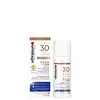 Key Ingredients
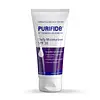
Benefits
Concerns
Ingredients Side-by-side
Water
Skin ConditioningCaprylic/Capric Triglyceride
Masking
Pentylene Glycol
Skin ConditioningMethylene Bis-Benzotriazolyl Tetramethylbutylphenol
UV Filter
Titanium Dioxide
Cosmetic Colorant
Ethylhexyl Salicylate
UV Absorber
Glycerin
Humectant


Bis-Ethylhexyloxyphenol Methoxyphenyl Triazine
Skin Conditioning
C12-15 Alkyl Benzoate
AntimicrobialDiethylamino Hydroxybenzoyl Hexyl Benzoate
UV Filter
Acrylates Copolymer
Ethylhexyl Triazone
UV Absorber
Silica
Abrasive

C8-22 Alkyl Acrylates/Methacrylic Acid Crosspolymer
Squalane
Emollient
Ectoin
Skin Conditioning


Cocoglycerides
Emollient
Hydrogenated Phosphatidylcholine
EmulsifyingVitis Vinifera Seed Extract
Antimicrobial

Decyl Glucoside
CleansingPropyl Alcohol
SolventCetyl Alcohol
Emollient
Sodium Hydroxide
BufferingAlcohol
Antimicrobial



Cetyl Phosphate
EmulsifyingXanthan Gum
EmulsifyingPropylene Glycol
Humectant
Lecithin
Emollient
Tocopheryl Acetate
Antioxidant
Ascorbyl Tetraisopalmitate
Antioxidant

Tocopherol
Antioxidant
Diisopropyl Adipate
EmollientUbiquinone
Antioxidant
Mica
Cosmetic Colorant
CI 77492
Cosmetic ColorantCI 77491
Cosmetic ColorantCI 77891
Cosmetic ColorantCI 77499
Cosmetic ColorantWater, Caprylic/Capric Triglyceride, Pentylene Glycol, Methylene Bis-Benzotriazolyl Tetramethylbutylphenol, Titanium Dioxide, Ethylhexyl Salicylate, Glycerin, Bis-Ethylhexyloxyphenol Methoxyphenyl Triazine, C12-15 Alkyl Benzoate, Diethylamino Hydroxybenzoyl Hexyl Benzoate, Acrylates Copolymer, Ethylhexyl Triazone, Silica, C8-22 Alkyl Acrylates/Methacrylic Acid Crosspolymer, Squalane, Ectoin, Cocoglycerides, Hydrogenated Phosphatidylcholine, Vitis Vinifera Seed Extract, Decyl Glucoside, Propyl Alcohol, Cetyl Alcohol, Sodium Hydroxide, Alcohol, Cetyl Phosphate, Xanthan Gum, Propylene Glycol, Lecithin, Tocopheryl Acetate, Ascorbyl Tetraisopalmitate, Tocopherol, Diisopropyl Adipate, Ubiquinone, Mica, CI 77492, CI 77491, CI 77891, CI 77499
Water
Skin ConditioningOctocrylene
UV Absorber
Isopropyl Lauroyl Sarcosinate
Skin ConditioningGlycerin
Humectant
Ethylhexyl Salicylate
UV Absorber
Dimethicone
Emollient
Butyl Methoxydibenzoylmethane
UV Absorber
Diisopropyl Sebacate
EmollientSilica
Abrasive
Polymethyl Methacrylate
Sucrose Tristearate
Emollient
Aluminum Starch Octenylsuccinate
Absorbent
Pentylene Glycol
Skin ConditioningPolysorbate 61
Emulsifying
Allantoin
Skin Conditioning
Caprylyl Glycol
Emollient
Carbomer
Emulsion StabilisingDimethiconol
Emollient
Disodium EDTA
Glycyrrhetinic Acid
Skin ConditioningHydroxypalmitoyl Sphinganine
Skin Conditioning
Panthenol
Skin Conditioning
Phenoxyethanol
Preservative
Potassium Sorbate
Preservative
Sodium Stearoyl Glutamate
CleansingTocopheryl Acetate
Antioxidant
Triethanolamine
BufferingXanthan Gum
EmulsifyingZinc Gluconate
Skin Conditioning

Water, Octocrylene, Isopropyl Lauroyl Sarcosinate, Glycerin, Ethylhexyl Salicylate, Dimethicone, Butyl Methoxydibenzoylmethane, Diisopropyl Sebacate, Silica, Polymethyl Methacrylate, Sucrose Tristearate, Aluminum Starch Octenylsuccinate, Pentylene Glycol, Polysorbate 61, Allantoin, Caprylyl Glycol, Carbomer, Dimethiconol, Disodium EDTA, Glycyrrhetinic Acid, Hydroxypalmitoyl Sphinganine, Panthenol, Phenoxyethanol, Potassium Sorbate, Sodium Stearoyl Glutamate, Tocopheryl Acetate, Triethanolamine, Xanthan Gum, Zinc Gluconate
Ingredients Explained
These ingredients are found in both products.
Ingredients higher up in an ingredient list are typically present in a larger amount.
Ethylhexyl Salicylate is an organic compound used to block UV rays. It primarily absorbs UVB rays but offers a small amount of UVA protection as well.
Commonly found in sunscreens, Ethylhexyl Salicylate is created from salicylic acid and 2-ethylhexanol. You might know salicylic acid as the effective acne fighter ingredient and BHA.
The ethylhexanol in this ingredient is a fatty alcohol and helps hydrate your skin, similar to oils. It is an emollient, which means it traps moisture into the skin.
According to manufacturers, Ethylhexyl Salicylate absorbs UV wavelength of 295-315 nm, with a peak absorption at 307-310 nm. UVA rays are linked to long term skin damage, such as hyperpigmentation. UVB rays emit more energy and are capable of damaging our DNA. UVB rays cause sunburn.
Learn more about Ethylhexyl SalicylateGlycerin is already naturally found in your skin. It helps moisturize and protect your skin.
A study from 2016 found glycerin to be more effective as a humectant than AHAs and hyaluronic acid.
As a humectant, it helps the skin stay hydrated by pulling moisture to your skin. The low molecular weight of glycerin allows it to pull moisture into the deeper layers of your skin.
Hydrated skin improves your skin barrier; Your skin barrier helps protect against irritants and bacteria.
Glycerin has also been found to have antimicrobial and antiviral properties. Due to these properties, glycerin is often used in wound and burn treatments.
In cosmetics, glycerin is usually derived from plants such as soybean or palm. However, it can also be sourced from animals, such as tallow or animal fat.
This ingredient is organic, colorless, odorless, and non-toxic.
Glycerin is the name for this ingredient in American English. British English uses Glycerol/Glycerine.
Learn more about GlycerinPentylene glycol is typically used within a product to thicken it. It also adds a smooth, soft, and moisturizing feel to the product. It is naturally found in plants such as sugar beets.
The hydrophilic trait of Pentylene Glycol makes it a humectant. As a humectant, Pentylene Glycol helps draw moisture from the air to your skin. This can help keep your skin hydrated.
This property also makes Pentylene Glycol a great texture enhancer. It can also help thicken or stabilize a product.
Pentylene Glycol also acts as a mild preservative and helps to keep a product microbe-free.
Some people may experience mild eye and skin irritation from Pentylene Glycol. We always recommend speaking with a professional about using this ingredient in your routine.
Pentylene Glycol has a low molecular weight and is part of the 1,2-glycol family.
Learn more about Pentylene GlycolSilica, also known as silicon dioxide, is a naturally occurring mineral. It is used as a fine, spherical, and porous powder in cosmetics.
Though it has exfoliant properties, the function of silica varies depending on the product.
The unique structure of silica enhances the spreadability and adds smoothness, making it a great texture enhancer.
It is also used as an active carrier, emulsifier, and mattifier due to its ability to absorb excess oil.
In some products, tiny microneedles called spicules are made from silica or hydrolyzed sponge. When you rub them in, they lightly polish away dead skin layers and enhance the penetration of active ingredients.
Learn more about SilicaTocopheryl Acetate is AKA Vitamin E. It is an antioxidant and protects your skin from free radicals. Free radicals damage the skin by breaking down collagen.
One study found using Tocopheryl Acetate with Vitamin C decreased the number of sunburned cells.
Tocopheryl Acetate is commonly found in both skincare and dietary supplements.
Learn more about Tocopheryl AcetateWater. It's the most common cosmetic ingredient of all. You'll usually see it at the top of ingredient lists, meaning that it makes up the largest part of the product.
So why is it so popular? Water most often acts as a solvent - this means that it helps dissolve other ingredients into the formulation.
You'll also recognize water as that liquid we all need to stay alive. If you see this, drink a glass of water. Stay hydrated!
Learn more about WaterXanthan gum is used as a stabilizer and thickener within cosmetic products. It helps give products a sticky, thick feeling - preventing them from being too runny.
On the technical side of things, xanthan gum is a polysaccharide - a combination consisting of multiple sugar molecules bonded together.
Xanthan gum is a pretty common and great ingredient. It is a natural, non-toxic, non-irritating ingredient that is also commonly used in food products.
Learn more about Xanthan Gum
