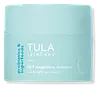
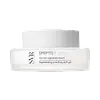
Tula Skincare 24-7 Weightless Moisture Day & Night Gel Cream Versus SVR [Pepti] Biotic Regenerating Smoothing Gel-Mat
This barrier-repair moisturizer is formulated around Niacinamide and Lactococcus Ferment Lysate to strengthen the skin barrier.
This anti-aging moisturizer is formulated around Ascorbyl Tetraisopalmitate and Dipeptide Diaminobutyroyl Benzylamide Diacetate to soften the look of wrinkles.


What's inside
What's inside
 Key Ingredients
Benefits
Concerns
Ingredients Side-by-side
Water
Skin ConditioningGlycerin
Humectant


C13-15 Alkane
SolventPropanediol
Solvent
Sodium Acrylates Copolymer
Maris Aqua
HumectantCollagen Amino Acids
Moisturising
Citrullus Lanatus Fruit Extract
Skin Conditioning
Pyrus Malus Fruit Extract
Skin Conditioning
Hydrolyzed Rice Protein
Skin ConditioningPunica Granatum Pericarp Extract
Skin ConditioningNiacinamide
Smoothing







Lactococcus Ferment Lysate
Skin Conditioning
Lactobacillus
Skin ConditioningLactobacillus Ferment
Skin Conditioning
Curcuma Longa Root Extract
Antioxidant

Lactic Acid
Buffering



Alpha-Glucan Oligosaccharide
Cleansing
Beta Vulgaris Root Extract
Skin ConditioningSodium Hyaluronate
Humectant
Lens Esculenta Fruit Extract
Skin ConditioningPolymnia Sonchifolia Root Juice
Skin ConditioningSodium Acetylated Hyaluronate
Humectant
Hydrolyzed Sodium Hyaluronate
Skin Conditioning
Sodium Hyaluronate Crosspolymer
Humectant
Tetrahexyldecyl Ascorbate
Antioxidant
Inulin
Skin Conditioning
Leuconostoc/Radish Root Ferment Filtrate
Antimicrobial
Vaccinium Myrtillus Leaf Extract
AstringentPterocarpus Marsupium Bark/Wood Extract
Sodium PCA
Humectant
Coco-Caprylate/Caprate
Emollient
Lecithin
Emollient
1,2-Hexanediol
Skin Conditioning
Urea
Buffering
Lysolecithin
EmulsifyingPentylene Glycol
Skin Conditioning
Hydroxyacetophenone
Antioxidant
Caprylhydroxamic Acid
Trisodium Ethylenediamine Disuccinate
Sodium Lactate
Buffering
Citric Acid
Buffering
Phenethyl Alcohol
MaskingTocopheryl Acetate
Antioxidant
Caprylyl Glycol
Emollient
Maltodextrin
Absorbent
Sodium Benzoate
Masking
Potassium Sorbate
Preservative
Phytic Acid
Sodium Hydroxide
BufferingButylene Glycol
Humectant
Tocopherol
Antioxidant
Sodium Chloride
MaskingEthylhexylglycerin
Skin ConditioningCI 42090
Cosmetic ColorantWater, Glycerin, C13-15 Alkane, Propanediol, Sodium Acrylates Copolymer, Maris Aqua, Collagen Amino Acids, Citrullus Lanatus Fruit Extract, Pyrus Malus Fruit Extract, Hydrolyzed Rice Protein, Punica Granatum Pericarp Extract, Niacinamide, Lactococcus Ferment Lysate, Lactobacillus, Lactobacillus Ferment, Curcuma Longa Root Extract, Lactic Acid, Alpha-Glucan Oligosaccharide, Beta Vulgaris Root Extract, Sodium Hyaluronate, Lens Esculenta Fruit Extract, Polymnia Sonchifolia Root Juice, Sodium Acetylated Hyaluronate, Hydrolyzed Sodium Hyaluronate, Sodium Hyaluronate Crosspolymer, Tetrahexyldecyl Ascorbate, Inulin, Leuconostoc/Radish Root Ferment Filtrate, Vaccinium Myrtillus Leaf Extract, Pterocarpus Marsupium Bark/Wood Extract, Sodium PCA, Coco-Caprylate/Caprate, Lecithin, 1,2-Hexanediol, Urea, Lysolecithin, Pentylene Glycol, Hydroxyacetophenone, Caprylhydroxamic Acid, Trisodium Ethylenediamine Disuccinate, Sodium Lactate, Citric Acid, Phenethyl Alcohol, Tocopheryl Acetate, Caprylyl Glycol, Maltodextrin, Sodium Benzoate, Potassium Sorbate, Phytic Acid, Sodium Hydroxide, Butylene Glycol, Tocopherol, Sodium Chloride, Ethylhexylglycerin, CI 42090
Water
Skin ConditioningGlycerin
Humectant
Squalane
Emollient
Ascorbyl Tetraisopalmitate
Antioxidant
Lauroyl Lysine
Skin Conditioning
Prunus Amygdalus Dulcis Oil
Skin Conditioning

Silica
Abrasive
Sodium Polyacrylate
Absorbent
PEG-7 Glyceryl Cocoate
Emulsifying
Pentylene Glycol
Skin Conditioning
Maltodextrin
Absorbent
1,2-Hexanediol
Skin Conditioning
Caprylyl Glycol
Emollient
Carbomer
Emulsion StabilisingParfum
Masking
Sodium Hydroxide
BufferingCitric Acid
Buffering
Lactobacillus Ferment
Skin Conditioning
Pentaerythrityl Tetra-Di-T-Butyl Hydroxyhydrocinnamate
Antioxidant
Sodium Acetylated Hyaluronate
Humectant
Dipeptide Diaminobutyroyl Benzylamide Diacetate
Skin Conditioning
Water, Glycerin, Squalane, Ascorbyl Tetraisopalmitate, Lauroyl Lysine, Prunus Amygdalus Dulcis Oil, Silica, Sodium Polyacrylate, PEG-7 Glyceryl Cocoate, Pentylene Glycol, Maltodextrin, 1,2-Hexanediol, Caprylyl Glycol, Carbomer, Parfum, Sodium Hydroxide, Citric Acid, Lactobacillus Ferment, Pentaerythrityl Tetra-Di-T-Butyl Hydroxyhydrocinnamate, Sodium Acetylated Hyaluronate, Dipeptide Diaminobutyroyl Benzylamide Diacetate
Reviews
Ingredients Explained
These ingredients are found in both products.
Ingredients higher up in an ingredient list are typically present in a larger amount.
1,2-Hexanediol is a synthetic liquid and another multi-functional powerhouse.
It is a:
- Humectant, drawing moisture into the skin
- Emollient, helping to soften skin
- Solvent, dispersing and stabilizing formulas
- Preservative booster, enhancing the antimicrobial activity of other preservatives
Caprylyl Glycol is a humectant, skin conditioner, emollient, and preservative booster derived from either caprylic acid or synthetically created.
Typical use levels vary from 0.3-1% as a preservative booster and go up to 2% to condition skin.
Because it is not a free-fatty acid, this ingredient is fungal acne safe (there's nothing for Malassezia to feed on).
Learn more about Caprylyl GlycolCitric Acid is an alpha hydroxy acid (AHA) naturally found in citrus fruits like oranges, lemons, and limes.
Like other AHAs, citric acid can exfoliate skin by breaking down the bonds that hold dead skin cells together. This helps reveal smoother and brighter skin underneath.
However, this exfoliating effect only happens at high concentrations (20%) which can be hard to find in cosmetic products.
Due to this, citric acid is usually included in small amounts as a pH adjuster. This helps keep products slightly more acidic and compatible with skin's natural pH.
In skincare formulas, citric acid can:
While it can provide some skin benefits, research shows lactic acid and glycolic acid are generally more effective and less irritating exfoliants.
Most citric acid used in skincare today is made by fermenting sugars (usually from molasses). This synthetic version is identical to the natural citrus form but easier to stabilize and use in formulations.
Rosacea skin has a lower threshold for acids generally, with 62.5% of rosacea subjects in one study reacting to lactic acid in a sting test. This is why we mark citric acid as a potential rosacea trigger.
However, this ingredient shows up as a pH adjuster or chelator at roughly 0.1-1% in many products. These low levels are unlikely to be an issue for rosacea skin and becomes a potential trigger at exfoliating concentrations (20%). Because everybody's skin is unique, we recommend a patch test if you are unsure.
Learn more about Citric AcidGlycerin (or glycerol) is a compound naturally found in your skin. It's a powerhouse humectant that pulls water into the stratum corneum.
Topically, glycerin does several things at once:
Your skin makes glycerin on its own (mostly from sebaceous oil breakdown) and shuttles it to your outermost layer of skin, or your epidermis, via aquaporin-3.
Aquaporin-3 is a transporter that is essential for normal skin hydration, elasticity, and repair. Interestingly, mice lacking in AQP3 have dry and less elastic skin that can be fully corrected with glycerin.
This ingredient is non-irritating, plays well with almost every ingredient, and works across all skin types. Typical use is anywhere between 3-10% but can go up to 79% in some leave-on products.
Just know very high concentrations (>40%) can feel tacky in low humidity.
Glycerin is the name for this ingredient in American English. British English uses Glycerol/Glycerine.
Learn more about GlycerinThis ingredient is made when the Lactobacillus bacteria (the same kind that makes yogurt and kimchi) are allowed to ferment a nutrient medium.
As it ferments, it collects lactic acid, peptides, enzymes, and other bioactive metabolites to provide:
A 2023 review noted that probiotic fermentation ingredients like this one can enhance antioxidant capacity, reduce UV-induced oxidative damage, and support barrier function.
One clinical study from the same year showed a Lactobacillus ferment lysate significantly reduced transepidermal water loss and improved skin hydration.
Another review highlighted that topical Lactobacillus-based preparations can improve ceramide levels in the stratum corneum, support barrier integrity, and even help reduce S. aureus colonization in atopic dermatitis.
Why is this so cool?
Basically, your skin's outer layer works as a brick wall; skin cells are bricks and ceramides are the mortar holding it together. Moisture escapes, irritants get in, and your skin gets dry and reactive when ceramide levels drop. On top of that, "bad" skin bacteria S. aureus loves to move in when your barrier is weak to make inflammation and irritation worse.
So Lactobacillus ferment is basically patching the wall and evicting the troublemaker when it boosts ceramide production and help keep S. aureus in check.
On top of all this, it also acts as a mild antimicrobial preservative booster.
Just so you know, most studies focus on specific strains or the lysate form rather than this generic "Lactobacillus Ferment", so results can vary.
Though it's a promising ingredient, it doesn't have decades of robust clinical data behind it just yet.
Lactobacillus Ferment is generally considered safe for fungal-acne prone skin. The key thing to understand is that it comes from bacteria, not yeast or fungus.
Yeast-derived ferments (like galactomyces) have been shown to activate a protein that's linked to Malassezia-related skin issues whereas lactobacillus doesn't have that problem.
Its byproducts also don't contain the types of fatty acids (C11-24 chain lengths) that Malassezia feeds on.
Learn more about Lactobacillus FermentMaltodextrin is a plant-derived carbohydrate made by breaking down starch (usually from corn, potato, or rice). In cosmetic formulas, it's a multitasking absorbent, emulsion stabilizer, and skin conditioner.
This ingredient is mostly used to stabilize emulsions and improve the powdery, non-greasy feel of products (like dry shampoos).
Safety-wise, this ingredient is pretty solid; it's even recognized as a food additive. Both animal and clinical studies found no adverse effects at the levels used in cosmetics.
Industry data shows this ingredient is used up to 45.7% in spray products and up to 33% in powder products.
Learn more about MaltodextrinPentylene Glycol (1,2-pentanediol) is a multitasking little diol with three main roles in a formula:
Research on alkanediols (the family pentylene glycol belongs to) show they work by disrupting microbial cell membranes. This disruption helps the primary preservative system in a product work more effectively at lower doses.
On the safety side, the Cosmetic Ingredient Review Expert Panel has concluded this ingredient to be safe as used in current cosmetic practices + concentrations.
Typical use levels in a formula run about 1-5%.
Learn more about Pentylene GlycolSodium Acetylated Hyaluronate is a type of Hyaluronic Acid.
Hyaluronic Acids help moisturize, soothe, and protect the skin.
Read about common types of Hyaluronic Acid here:
Learn more about Sodium Acetylated HyaluronateSodium Hydroxide is also known as lye or caustic soda. It is used to adjust the pH of products; many ingredients require a specific pH to be effective.
In small amounts, sodium hydroxide is considered safe to use. However, large amounts may cause chemical burns due to its high alkaline.
Your skin has a natural pH and acid mantle. This acid mantle helps prevent harmful bacteria from breaking through. The acid mantle also helps keep your skin hydrated.
"Alkaline" refers to a high pH level. A low pH level would be considered acidic.
Learn more about Sodium HydroxideWater. It's the most common cosmetic ingredient of all. You'll usually see it at the top of ingredient lists, meaning that it makes up the largest part of the product.
So why is it so popular? Water most often acts as a solvent - this means that it helps dissolve other ingredients into the formulation.
You'll also recognize water as that liquid we all need to stay alive. If you see this, drink a glass of water. Remember to stay hydrated!
Learn more about Water

