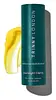
This acne serum is formulated around Niacinamide and Potassium Azeloyl Diglycinate to clear breakouts and refine skin texture.
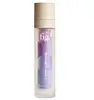
This anti-aging night moisturizer is formulated around Retinol and Palmitoyl Tripeptide-1 to soften the look of wrinkles and refine skin texture.


What's inside
What's inside
 Key Ingredients
Benefits
Concerns
Ingredients Side-by-side
Water
Skin ConditioningCaprylic/Capric Triglyceride
Masking


Niacinamide
Smoothing










Potassium Azeloyl Diglycinate
Skin Conditioning
Propanediol
Solvent
Coco-Caprylate
Emollient
Cyclodextrin
AbsorbentUndecane
EmollientTridecane
Perfuming

Arachidyl Alcohol
Emollient
Behenyl Alcohol
Emollient
Arachidyl Glucoside
EmulsifyingChlorella Vulgaris Extract
Skin ConditioningAzelamidopropyl Dimethyl Amine
AntimicrobialRubus Chamaemorus Seed Oil
Skin Conditioning


Pentylene Glycol
Skin Conditioning
Retinal
Skin Conditioning

Polyacrylate Crosspolymer-6
Emulsion StabilisingSodium Stearoyl Glutamate
CleansingButylene Glycol
Humectant
Glutathione
Lonicera Caprifolium Flower Extract
Perfuming
Lonicera Japonica Flower Extract
Skin ConditioningGlucose
Humectant
Tocopherol
Antioxidant

Sodium Phytate
ChelatingLactic Acid
Buffering

Sodium Lactate
Buffering
Hydroxyacetophenone
Antioxidant
Benzyl Alcohol
Perfuming


Water, Caprylic/Capric Triglyceride, Niacinamide, Potassium Azeloyl Diglycinate, Propanediol, Coco-Caprylate, Cyclodextrin, Undecane, Tridecane, Arachidyl Alcohol, Behenyl Alcohol, Arachidyl Glucoside, Chlorella Vulgaris Extract, Azelamidopropyl Dimethyl Amine, Rubus Chamaemorus Seed Oil, Pentylene Glycol, Retinal, Polyacrylate Crosspolymer-6, Sodium Stearoyl Glutamate, Butylene Glycol, Glutathione, Lonicera Caprifolium Flower Extract, Lonicera Japonica Flower Extract, Glucose, Tocopherol, Sodium Phytate, Lactic Acid, Sodium Lactate, Hydroxyacetophenone, Benzyl Alcohol
Water
Skin ConditioningGlycerin
Humectant
Hydrogenated Ethylhexyl Olivate
EmollientLimnanthes Alba Seed Oil
Skin Conditioning
Squalane
Emollient
Cetyl Alcohol
Emollient
Cetearyl Alcohol
Emollient

Propanediol
Solvent
Glyceryl Stearate Se
Emulsifying
Behenyl Alcohol
Emollient
Glyceryl Stearate
Emollient
Sorbitan Stearate
Emulsifying
Oenothera Biennis Oil
Emollient
Vitis Vinifera Seed Oil
Emollient
Borago Officinalis Seed Oil
Emollient
Sodium Stearoyl Glutamate
CleansingTriolein
Skin Conditioning
Cetearyl Glucoside
Emulsifying
Hydrogenated Olive Oil Unsaponifiables
Emollient
Butylene Glycol
Humectant
Astrocaryum Vulgare Kernel Oil
Skin Conditioning
Benzyl Alcohol
Perfuming
Hydrogenated Lecithin
Emulsifying
Palmitic Acid
Emollient
Caprylyl Glycol
Emollient
Caprylic/Capric Triglyceride
Masking
Sodium Polyacrylate
Absorbent
Allyl Methacrylates Crosspolymer
Emulsion StabilisingTocopherol
Antioxidant
Ceramide NP
Skin Conditioning
Glyceryl Dioleate
Emollient
Ammonium Acryloyldimethyltaurate/Vp Copolymer
Polysorbate 20
Emulsifying
Retinol
Skin Conditioning
Benzoic Acid
Masking
Disodium EDTA
ChelatingLinoleic Acid
Cleansing
Phospholipids
Skin Conditioning
Phytosterols
Skin Conditioning
Sodium Lactate
Buffering
Carbomer
Emulsion StabilisingSodium Hyaluronate
Humectant
T-Butyl Alcohol
Perfuming
Palmitoyl Tripeptide-1
Skin Conditioning
Palmitoyl Tetrapeptide-7
Skin Conditioning
Water, Glycerin, Hydrogenated Ethylhexyl Olivate, Limnanthes Alba Seed Oil, Squalane, Cetyl Alcohol, Cetearyl Alcohol, Propanediol, Glyceryl Stearate Se, Behenyl Alcohol, Glyceryl Stearate, Sorbitan Stearate, Oenothera Biennis Oil, Vitis Vinifera Seed Oil, Borago Officinalis Seed Oil, Sodium Stearoyl Glutamate, Triolein, Cetearyl Glucoside, Hydrogenated Olive Oil Unsaponifiables, Butylene Glycol, Astrocaryum Vulgare Kernel Oil, Benzyl Alcohol, Hydrogenated Lecithin, Palmitic Acid, Caprylyl Glycol, Caprylic/Capric Triglyceride, Sodium Polyacrylate, Allyl Methacrylates Crosspolymer, Tocopherol, Ceramide NP, Glyceryl Dioleate, Ammonium Acryloyldimethyltaurate/Vp Copolymer, Polysorbate 20, Retinol, Benzoic Acid, Disodium EDTA, Linoleic Acid, Phospholipids, Phytosterols, Sodium Lactate, Carbomer, Sodium Hyaluronate, T-Butyl Alcohol, Palmitoyl Tripeptide-1, Palmitoyl Tetrapeptide-7
Ingredients Explained
These ingredients are found in both products.
Ingredients higher up in an ingredient list are typically present in a larger amount.
Behenyl Alcohol is a type of fatty alcohol (these are different from the drying, solvent alcohols).
Fatty Alcohols have hydrating properties and are most often used as an emollient or to thicken a product. They are usually derived from natural fats and oils; behenyl alcohol is derived from the fats of vegetable oils.
Emollients help keep your skin soft and hydrated by creating a film that traps moisture in.
In 2000, Behenyl Alcohol was approved by the US as medicine to reduce the duration of cold sores.
Learn more about Behenyl AlcoholBenzyl Alcohol is an aromatic alcohol with several roles: it's a preservative, solvent, and mild fragrance component with a floral scent.
This ingredient has been deemed safe for use in cosmetic formulations at concentrations up to 5%, and up to 10% in hair dyes. You'll typically see 0.5-2% in most rinse-off or leave-on products.
As a preservative, it works by disrupting the membrane of microbial proteins. This helps keep bacteria and fungi from growing in your products.
The sensitization picture is actually quite assuring as well:of nearly 71,000 patients patch tested with benzyl alcohol, only 0.21% showed a positive reaction with most of them being weakly positive.
This led researchers to conclude that benzyl alcohol cannot be regarded as a significant contact allergen.
It is worth noting this ingredient is classified as one of the EU's regulated fragrance allergens and restricted to 1% in finished products.
Labels must also declare it in concentrations above 0.001% in leave-on products and 0.01% in rinse-off products.
At concentrations around 5%, localized redness and itching can appear as a direct irritant response and not as a true allergic reaction.
Learn more about Benzyl AlcoholButylene Glycol (or BG) is used within cosmetic products for a few different reasons:
Overall, Butylene Glycol is a safe and well-rounded ingredient that works well with other ingredients.
Though this ingredient works well with most skin types, some people with sensitive skin may experience a reaction such as allergic rashes, closed comedones, or itchiness.
Learn more about Butylene GlycolCaprylic/Capric Triglyceride (aka MCT Oil) is a lightweight emollient, solvent, and texture enhancer. It is considered a skin-softener by helping to prevent moisture loss.
Though it behaves like an oil, it is not technically one due to its chemical composition. One perk of this ingredient is that it is very stable, resistant to oxidation, and unlikely to go rancid.
In practice, that translates to a long shelf life and a consistently elegant skin feel.
While there is an assumption Caprylic Triglyceride can clog pores due to it being derived from coconut oil, there is no research supporting this. Just patch test if you have concerns.
Fractionated coconut oil and MCT Oil are both listed as Caprylic/Capric Triglyceride according to INCI. This is because INCI names are based on the ingredient’s final chemical composition and not its marketing name or source.
This ingredient is treated as the gold standard fungal acne safe oil. Even though it is coconut derived, the problematic lauric acid is stripped out.
This leaves just caprylic (C8) and capric (C10) acid. These chain lengths actually trend antifungal; a 2020 study found caprylic acid was enough to disrupt Malassezia furfur cell membrane, with a caprylic acid derivative damaging membrane structures at concentrations as low as 0.2%.
Learn more about Caprylic/Capric TriglyceridePropanediol is an all-star ingredient. It softens, hydrates, and smooths the skin.
It’s often used to:
Propanediol is not likely to cause sensitivity and considered safe to use. It is derived from corn or petroleum with a clear color and no scent.
Learn more about PropanediolSodium Lactate is the sodium salt of lactic acid, an AHA. It is a humectant and sometimes used to adjust the pH of a product.
This ingredient is part of our skin's NMF, or natural moisturizing factor. Our NMF is essential for the hydration of our top skin layers and plasticity of skin. NMF also influences our skin's natural acid mantle and pH, which protects our skin from harmful bacteria.
High percentages of Sodium Lactate can have an exfoliating effect.
Fun fact: Sodium Lactate is produced from fermented sugar.
Learn more about Sodium LactateSodium Stearoyl Glutamate is an amino-acid based emulsifier. It is made by combining stearic acid with L-glutamic acid and neutralizing it to a sodium salt.
As an emulsifier, it works mainly as an oil-in-water one and helps keep the oil and water in your formulas blended. It also contributes to a smooth, non-greasy skin feel.
This ingredient is biodegradable and commonly available in natural/COSMOS-certified grades.
Learn more about Sodium Stearoyl GlutamateTocopherol is a fat-soluble antioxidant known as Vitamin E.
You'll find this ingredient in the vast majority of skincare (for good reason). It works to neutralize free radicals, or unstable molecules generated by UV exposure, pollution, and other environmental stressors, before they can cause oxidative damage to your skin cells.
Topically applied tocopherol has been shown to protect against UV damage by ramping up the skin's own natural defense enzymes.
It also acts as a skin conditioning agent; some studies show that regular topical use can improve the skin's water-binding capacity over 2-4 weeks.
This ingredient is especially loved for being a team player. When combined with Vitamin C, the photoprotective effect of both ingredients roughly doubles and the combo also helps reduce UV-induced DNA damage.
This ingredient has some brightening potential but it's more of a prevention ingredient than spot-fader. Cell studies show it can slow down melanin production but it's worth noting that it's not the most powerful brightener out there.
In formulations, it also serves as a stabilizer that helps protect other oxidation-prone ingredients from degrading.
Concentrations usually range from 0.1-1% in most leave-on products.
Learn more about TocopherolWater. It's the most common cosmetic ingredient of all. You'll usually see it at the top of ingredient lists, meaning that it makes up the largest part of the product.
So why is it so popular? Water most often acts as a solvent - this means that it helps dissolve other ingredients into the formulation.
You'll also recognize water as that liquid we all need to stay alive. If you see this, drink a glass of water. Remember to stay hydrated!
Learn more about Water

