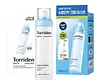
This hydrating toner is formulated around Panthenol and Hyaluronic Acid to hydrate skin and strengthen the skin barrier.
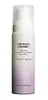
This barrier-repair serum is formulated around Galactomyces Ferment Filtrate and Oryza Sativa Extract to strengthen the skin barrier and calm redness.

What's inside
What's inside
 Key Ingredients
Benefits
Concerns
Ingredients Side-by-side
Water
Skin ConditioningTriethylhexanoin
MaskingGlycerin
Humectant


Butylene Glycol
Humectant
1,2-Hexanediol
Skin Conditioning
Panthenol
Skin Conditioning

Hyaluronic Acid
Humectant

Sodium Hyaluronate Crosspolymer
Humectant
Hydrolyzed Glycosaminoglycans
HumectantHydrolyzed Hyaluronic Acid
Humectant
Sodium Hyaluronate
Humectant
Allantoin
Skin Conditioning
Glutathione


Hydrogenated Lecithin
Emulsifying
C13-16 Isoalkane
SolventBetaine
Humectant
Sodium Phytate
ChelatingTrilaureth-4 Phosphate
EmulsifyingHeptyl Undecylenate
EmollientPolyglyceryl-10 Laurate
Skin Conditioning

Benzyl Glycol
SolventPolyglyceryl-10 Myristate
Skin Conditioning
Hydroxyacetophenone
Antioxidant
Propanediol
Solvent
Ethylhexylglycerin
Skin ConditioningGluconolactone
Chelating




Tocopherol
Antioxidant
Water, Triethylhexanoin, Glycerin, Butylene Glycol, 1,2-Hexanediol, Panthenol, Hyaluronic Acid, Sodium Hyaluronate Crosspolymer, Hydrolyzed Glycosaminoglycans, Hydrolyzed Hyaluronic Acid, Sodium Hyaluronate, Allantoin, Glutathione, Hydrogenated Lecithin, C13-16 Isoalkane, Betaine, Sodium Phytate, Trilaureth-4 Phosphate, Heptyl Undecylenate, Polyglyceryl-10 Laurate, Benzyl Glycol, Polyglyceryl-10 Myristate, Hydroxyacetophenone, Propanediol, Ethylhexylglycerin, Gluconolactone, Tocopherol
Water
Skin ConditioningButylene Glycol
Humectant
Nicotinamide Adenine Dinucleotide
Skin Conditioning1,2-Hexanediol
Skin Conditioning
Coco-Caprylate/Caprate
Emollient
Potassium Cetyl Phosphate
EmulsifyingLimnanthes Alba Seed Oil
Skin Conditioning
Galactomyces Ferment Filtrate
Humectant
Hydroxyacetophenone
Antioxidant
Glycerin
Humectant
Caprylic/Capric Triglyceride
Masking
Oryza Sativa Extract
Absorbent
Sodium Citrate
BufferingSqualane
Emollient
Hydrogenated Polyisobutene
EmollientPhyllostachys Pubescens Shoot Bark Extract
Skin ConditioningGlyceryl Stearate
Emollient
Propanediol
Solvent
Panthenol
Skin Conditioning
Bifida Ferment Filtrate
Skin Conditioning
Aspergillus Ferment
Skin ConditioningCetyl Alcohol
Emollient
Hydrogenated Lecithin
Emulsifying
Ethylhexylglycerin
Skin ConditioningPolyglyceryl-10 Laurate
Skin Conditioning
Polyglyceryl-3 Methylglucose Distearate
Emulsifying
Stearyl Alcohol
Emollient
Disodium EDTA
ChelatingAcrylates/C10-30 Alkyl Acrylate Crosspolymer
Emulsion StabilisingOryza Sativa Lees Extract
Skin ConditioningPanax Ginseng Root Extract
Emollient
Myristyl Alcohol
Emollient


Lauryl Alcohol
Emollient
Ceramide NP
Skin Conditioning
Cetearyl Alcohol
Emollient
Stearic Acid
Cleansing
Cyclodextrin
AbsorbentCeramide Ns
Skin Conditioning
Phytosphingosine
Skin Conditioning
Cholesterol
Emollient
Ceramide As
Skin Conditioning
Ceramide AP
Skin Conditioning
Ceramide EOP
Skin Conditioning
Water, Butylene Glycol, Nicotinamide Adenine Dinucleotide, 1,2-Hexanediol, Coco-Caprylate/Caprate, Potassium Cetyl Phosphate, Limnanthes Alba Seed Oil, Galactomyces Ferment Filtrate, Hydroxyacetophenone, Glycerin, Caprylic/Capric Triglyceride, Oryza Sativa Extract, Sodium Citrate, Squalane, Hydrogenated Polyisobutene, Phyllostachys Pubescens Shoot Bark Extract, Glyceryl Stearate, Propanediol, Panthenol, Bifida Ferment Filtrate, Aspergillus Ferment, Cetyl Alcohol, Hydrogenated Lecithin, Ethylhexylglycerin, Polyglyceryl-10 Laurate, Polyglyceryl-3 Methylglucose Distearate, Stearyl Alcohol, Disodium EDTA, Acrylates/C10-30 Alkyl Acrylate Crosspolymer, Oryza Sativa Lees Extract, Panax Ginseng Root Extract, Myristyl Alcohol, Lauryl Alcohol, Ceramide NP, Cetearyl Alcohol, Stearic Acid, Cyclodextrin, Ceramide Ns, Phytosphingosine, Cholesterol, Ceramide As, Ceramide AP, Ceramide EOP
Reviews
Ingredients Explained
These ingredients are found in both products.
Ingredients higher up in an ingredient list are typically present in a larger amount.
1,2-Hexanediol is a synthetic liquid and another multi-functional powerhouse.
It is a:
- Humectant, drawing moisture into the skin
- Emollient, helping to soften skin
- Solvent, dispersing and stabilizing formulas
- Preservative booster, enhancing the antimicrobial activity of other preservatives
Butylene Glycol (or BG) is used within cosmetic products for a few different reasons:
Overall, Butylene Glycol is a safe and well-rounded ingredient that works well with other ingredients.
Though this ingredient works well with most skin types, some people with sensitive skin may experience a reaction such as allergic rashes, closed comedones, or itchiness.
Learn more about Butylene GlycolEthylhexylglycerin is created from glycerin. It is a multitasker ingredient that:
The CIR Expert Panel found minimal skin absorption or sensitization of any kind in a safety assessment. Though this ingredient is considered well-tolerated, a small number of cases of allergic dermatitis have been published since 2002. Just be sure to patch test if you are unsure.
Industry-reported use ranges from 8% in rinse-off products and 2% in leave-on formulations.
Learn more about EthylhexylglycerinGlycerin (or glycerol) is a compound naturally found in your skin. It's a powerhouse humectant that pulls water into the stratum corneum.
Topically, glycerin does several things at once:
Your skin makes glycerin on its own (mostly from sebaceous oil breakdown) and shuttles it to your outermost layer of skin, or your epidermis, via aquaporin-3.
Aquaporin-3 is a transporter that is essential for normal skin hydration, elasticity, and repair. Interestingly, mice lacking in AQP3 have dry and less elastic skin that can be fully corrected with glycerin.
This ingredient is non-irritating, plays well with almost every ingredient, and works across all skin types. Typical use is anywhere between 3-10% but can go up to 79% in some leave-on products.
Just know very high concentrations (>40%) can feel tacky in low humidity.
Glycerin is the name for this ingredient in American English. British English uses Glycerol/Glycerine.
Learn more about GlycerinHydrogenated Lecithin is a more stable version of lecithin.
It's made by taking lecithin (a phospholipid commonly found in soybeans and egg yolks) and hydrogenating it. This just means the unsaturated fatty acids are turned into saturated ones so they don't go bad as easily.
This ingredient is an emollient, emulsifier, and penetration enhancer. As an emollient, it helps soften and hydrate skin by trapping moisture within. As an emulsifier, it prevents oil and water ingredients from separating.
Hydrogenated Lecithin can form tiny spherical structures made of phospholipid bilayers called liposomes. These liposomes are able to capture compounds inside their structure and deliver them through the skin barrier.
Because phospholipids are a natural component of our cell membranes, this ingredient is inherently compatible with skin.
A 2021 study found lecithin-based surfactants were less harsh and more tolerable comared to Sodium Lauryl Sulfate (SLS).
Learn more about Hydrogenated LecithinHydroxyacetophenone is a small phenolic molecule that earns its place in a formulas as an antioxidant and preservative booster.
As a phenol, it is able to neutralize free radicals to protect both the product and the skin from oxidative stress.
Though it can't kill microbes on its own, it works as a good supporting agent when combined with other preservatives like Phenoxyethanol or 1,2-Hexanediol.
This ingredient naturally occurs as piceol in Norwegian spruce needles (~0.4-1.1% dry weight and in cloudberries). Though the cosmetic-grade material is synthesized for purity and consistency.
You'll usually see it used at low levels and suppliers recommend up to 1% added to a water phase.
Safety testing was done at concentrations like 0.05% in SPF products and 0.5% in a Human Repeated Insult Patch Test. The safety evidence is assuring; this ingredient is safe for cosmetics in current use and also holds safety status as a food flavoring as well.
An honest caveat: the "soothing" and "anti-inflammatory" claims come mostly from supplier marketing rather than published clinical trials. The Cosmetic Ingredient Review's own literature search found no useful efficacy studies on this ingredient.
So the antioxidant and preservative-boosting roles are the well supported ones while the calming benefit is plausible but thinly evidenced.
Overall, this is a well-tolerated, low-irritation multitasker that quietly helps a formula stay fresh and stable.
Learn more about HydroxyacetophenonePanthenol is a common ingredient that helps hydrate and soothe the skin. It is found naturally in our skin and hair.
There are two forms of panthenol: D and L.
D-panthenol is also known as dexpanthenol. Most cosmetics use dexpanthenol or a mixture of D and L-panthenol.
Panthenol is famous due to its ability to go deeper into the skin's layers. Using this ingredient has numerous pros (and no cons):
Like hyaluronic acid, panthenol is a humectant. Humectants are able to bind and hold large amounts of water to keep skin hydrated.
This ingredient works well for wound healing. It works by increasing tissue in the wound and helps close open wounds.
Once oxidized, panthenol converts to pantothenic acid. Panthothenic acid is found in all living cells.
This ingredient is also referred to as pro-vitamin B5.
Learn more about PanthenolPolyglyceryl-10 Laurate is a cleansing agent and emulsifier.
It rounds up dirt, oil, and grime, so they can be rinsed off easily as a cleanser.
On the emulsifier side, it keeps your formula smooth and well-mixed by playing peacekeeper for ingredients that don't naturally get along (like oil and water).
Because it has a C12 (lauric acid) fatty acid chain, this ingredient can potentially feed the Malassezia yeast that causes fungal acne. The Malassezia yeast prefers esters with C11-C24 fatty acids.
This ingredient is an ester of lauric acid and Polyglycerin-10.
Learn more about Polyglyceryl-10 LauratePropanediol is an all-star ingredient. It softens, hydrates, and smooths the skin.
It’s often used to:
Propanediol is not likely to cause sensitivity and considered safe to use. It is derived from corn or petroleum with a clear color and no scent.
Learn more about PropanediolWater. It's the most common cosmetic ingredient of all. You'll usually see it at the top of ingredient lists, meaning that it makes up the largest part of the product.
So why is it so popular? Water most often acts as a solvent - this means that it helps dissolve other ingredients into the formulation.
You'll also recognize water as that liquid we all need to stay alive. If you see this, drink a glass of water. Remember to stay hydrated!
Learn more about Water

