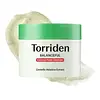
Torriden Balanceful Control Pack Cleanser Versus Anua 8 Hyaluronic Acid Moisturizing Gentle Gel Cleanser
This mild gel cleanser is made to cleanse without leaving your skin tight or dry.

What's inside
What's inside
 Key Ingredients

Benefits
Concerns
No concerns
Ingredients Side-by-side
Water
Skin ConditioningGlycerin
Humectant


Potassium Laurate
EmulsifyingPotassium Myristate
EmulsifyingCellulose
Absorbent
Acrylates Copolymer
1,2-Hexanediol
Skin Conditioning
Panthenol
Skin Conditioning

Centella Asiatica Leaf Extract
Skin Conditioning
Centella Asiatica Root Extract
Skin Conditioning
Centella Asiatica Extract
Cleansing
Madecassoside
Antioxidant
Asiaticoside
Antioxidant
Asiatic Acid
Skin Conditioning
Madecassic Acid
Skin Conditioning
Swertia Japonica Extract
Skin ConditioningNymphaea Caerulea Flower Extract
Skin ConditioningLactobacillus Ferment
Skin Conditioning
Althaea Rosea Flower Extract
Skin ConditioningHydrolyzed Sodium Hyaluronate
Skin Conditioning
Squalane
Emollient
Capryloyl Salicylic Acid
Exfoliating



Mentha Arvensis Powder
MaskingCeramide NP
Skin Conditioning
Betaine
Humectant
Calamine
AbsorbentPalmitoyl Dipeptide-7
Skin Conditioning
Dipotassium Glycyrrhizate
Humectant
Arginine
Masking
Beta-Glucan
Skin Conditioning
Glycine
Buffering
Hydroxypropyl Methylcellulose
Emulsion StabilisingButylene Glycol
Humectant
Hydroxyacetophenone
Antioxidant
Potassium Hydroxide
BufferingSodium Phytate
ChelatingTetrahydroxypropyl Ethylenediamine
ChelatingGlucomannan
Skin ConditioningZea Mays Starch
Absorbent
Saccharomyces Ferment
Skin Conditioning

Hydrogenated Lecithin
Emulsifying
Glyceryl Glucoside
Humectant
Tromethamine
BufferingSodium Acetate
BufferingEthylhexylglycerin
Skin ConditioningCI 77491
Cosmetic ColorantCI 77499
Cosmetic ColorantFicus Carica Fruit Extract
Humectant
Paeonia Suffruticosa Root Extract
Skin ProtectingCoptis Japonica Root Extract
Skin ConditioningMalachite Extract
Antioxidant
Water, Glycerin, Potassium Laurate, Potassium Myristate, Cellulose, Acrylates Copolymer, 1,2-Hexanediol, Panthenol, Centella Asiatica Leaf Extract, Centella Asiatica Root Extract, Centella Asiatica Extract, Madecassoside, Asiaticoside, Asiatic Acid, Madecassic Acid, Swertia Japonica Extract, Nymphaea Caerulea Flower Extract, Lactobacillus Ferment, Althaea Rosea Flower Extract, Hydrolyzed Sodium Hyaluronate, Squalane, Capryloyl Salicylic Acid, Mentha Arvensis Powder, Ceramide NP, Betaine, Calamine, Palmitoyl Dipeptide-7, Dipotassium Glycyrrhizate, Arginine, Beta-Glucan, Glycine, Hydroxypropyl Methylcellulose, Butylene Glycol, Hydroxyacetophenone, Potassium Hydroxide, Sodium Phytate, Tetrahydroxypropyl Ethylenediamine, Glucomannan, Zea Mays Starch, Saccharomyces Ferment, Hydrogenated Lecithin, Glyceryl Glucoside, Tromethamine, Sodium Acetate, Ethylhexylglycerin, CI 77491, CI 77499, Ficus Carica Fruit Extract, Paeonia Suffruticosa Root Extract, Coptis Japonica Root Extract, Malachite Extract
Water
Skin ConditioningCoco-Betaine
Cleansing
Sodium Cocoyl Alaninate
Surfactant
Potassium Cocoyl Glycinate
Surfactant
Acrylates Copolymer
Glycerin
Humectant
1,2-Hexanediol
Skin Conditioning
Propanediol
Solvent
Polyglyceryl-4 Caprate
EmulsifyingCaprylyl Glycol
Emollient
Hydroxyacetophenone
Antioxidant
Tromethamine
BufferingGlyceryl Glucoside
Humectant
Disodium EDTA
ChelatingHydrolyzed Hyaluronic Acid
Humectant
Squalane
Emollient
Ectoin
Skin Conditioning
Citric Acid
Buffering

Hydrolyzed Vegetable Protein
Skin ConditioningMaltodextrin
Absorbent
Hydrogenated Lecithin
Emulsifying
Ceramide NP
Skin Conditioning
Butylene Glycol
Humectant
Hyaluronic Acid
Humectant
Hydrolyzed Sodium Hyaluronate
Skin Conditioning
Sodium Hyaluronate
Humectant
Potassium Hyaluronate
Skin ConditioningHydroxypropyltrimonium Hyaluronate
Sodium Hyaluronate Crosspolymer
Humectant
Sodium Acetylated Hyaluronate
Humectant
Water, Coco-Betaine, Sodium Cocoyl Alaninate, Potassium Cocoyl Glycinate, Acrylates Copolymer, Glycerin, 1,2-Hexanediol, Propanediol, Polyglyceryl-4 Caprate, Caprylyl Glycol, Hydroxyacetophenone, Tromethamine, Glyceryl Glucoside, Disodium EDTA, Hydrolyzed Hyaluronic Acid, Squalane, Ectoin, Citric Acid, Hydrolyzed Vegetable Protein, Maltodextrin, Hydrogenated Lecithin, Ceramide NP, Butylene Glycol, Hyaluronic Acid, Hydrolyzed Sodium Hyaluronate, Sodium Hyaluronate, Potassium Hyaluronate, Hydroxypropyltrimonium Hyaluronate, Sodium Hyaluronate Crosspolymer, Sodium Acetylated Hyaluronate
Reviews
Ingredients Explained
These ingredients are found in both products.
Ingredients higher up in an ingredient list are typically present in a larger amount.
1,2-Hexanediol is a synthetic liquid and another multi-functional powerhouse.
It is a:
- Humectant, drawing moisture into the skin
- Emollient, helping to soften skin
- Solvent, dispersing and stabilizing formulas
- Preservative booster, enhancing the antimicrobial activity of other preservatives
Acrylates Copolymer is used as a film-forming agent and texture enhancer.
After applied, Acrylates Copolymer forms a thin film cover that helps skin feel more soft. It can help sunscreens become more water-resistant.
It is also used to make a product more thick.
Learn more about Acrylates CopolymerButylene Glycol (or BG) is used within cosmetic products for a few different reasons:
Overall, Butylene Glycol is a safe and well-rounded ingredient that works well with other ingredients.
Though this ingredient works well with most skin types, some people with sensitive skin may experience a reaction such as allergic rashes, closed comedones, or itchiness.
Learn more about Butylene GlycolCeramide NP (formerly known as Ceramide 3) is one of the skin's naturally occurring lipids.
Since ceramides are the major lipid components of the skin, they are crucial for maintaining skin barrier and hydration. Ceramide NP most closely mirrors the dominant kind in human skin amongst ceramide subtypes.
This ceramide works by slotting into gaps within the stratum corneum's lipid matrix to limit trans-epidermal water loss (TEWL) and shield the skin against external irritants.
A study with 312 patients found that using a ceramide-containing routine for 4 weeks reduced the severity of atopic dermatitis by over 61%.
Another clinical study in subjects aged 60 and older found that a ceramide body wash and moisturizer improved skin dryness and itchy skin in 15 days.
Overall, ceramides are considered non-irritating and safety tests have found little to no observable adverse effects from using this ingredient.
Ceramide NP is usually sourced from plants (like soybean or rice bran), or produced synthetically.
Learn more about Ceramide NPGlycerin (or glycerol) is a compound naturally found in your skin. It's a powerhouse humectant that pulls water into the stratum corneum.
Topically, glycerin does several things at once:
Your skin makes glycerin on its own (mostly from sebaceous oil breakdown) and shuttles it to your outermost layer of skin, or your epidermis, via aquaporin-3.
Aquaporin-3 is a transporter that is essential for normal skin hydration, elasticity, and repair. Interestingly, mice lacking in AQP3 have dry and less elastic skin that can be fully corrected with glycerin.
This ingredient is non-irritating, plays well with almost every ingredient, and works across all skin types. Typical use is anywhere between 3-10% but can go up to 79% in some leave-on products.
Just know very high concentrations (>40%) can feel tacky in low humidity.
Glycerin is the name for this ingredient in American English. British English uses Glycerol/Glycerine.
Learn more about GlycerinGlyceryl Glucoside is made from glycerol and glucose.
It is a humectant. Humectants help hydrate your skin by drawing moisture to it from the air.
Some foods that contain glyceryl glucoside include sake, miso, and wines.
Learn more about Glyceryl GlucosideHydrogenated Lecithin is a more stable version of lecithin.
It's made by taking lecithin (a phospholipid commonly found in soybeans and egg yolks) and hydrogenating it. This just means the unsaturated fatty acids are turned into saturated ones so they don't go bad as easily.
This ingredient is an emollient, emulsifier, and penetration enhancer. As an emollient, it helps soften and hydrate skin by trapping moisture within. As an emulsifier, it prevents oil and water ingredients from separating.
Hydrogenated Lecithin can form tiny spherical structures made of phospholipid bilayers called liposomes. These liposomes are able to capture compounds inside their structure and deliver them through the skin barrier.
Because phospholipids are a natural component of our cell membranes, this ingredient is inherently compatible with skin.
A 2021 study found lecithin-based surfactants were less harsh and more tolerable comared to Sodium Lauryl Sulfate (SLS).
Learn more about Hydrogenated LecithinThis ingredient is created by putting sodium hyaluronate through hydrolysis.
You might know this as 'mini' or 'ultra low-molecular weight' hyaluronic acid. The small molecule size means it is able to travel deeper in the skin.
According to studies, low molecular-weight hyaluronic acid can:
One study from 2011 found ultra-low weight HA to show pro-inflammatory properties. Another study from 2022 found it to downregulate UV-B induced inflammation.
Hydrolysis is a process of changing a molecule using water or enzymes.
This ingredient is water-soluble.
Learn more about Hydrolyzed Sodium HyaluronateHydroxyacetophenone is a small phenolic molecule that earns its place in a formulas as an antioxidant and preservative booster.
As a phenol, it is able to neutralize free radicals to protect both the product and the skin from oxidative stress.
Though it can't kill microbes on its own, it works as a good supporting agent when combined with other preservatives like Phenoxyethanol or 1,2-Hexanediol.
This ingredient naturally occurs as piceol in Norwegian spruce needles (~0.4-1.1% dry weight and in cloudberries). Though the cosmetic-grade material is synthesized for purity and consistency.
You'll usually see it used at low levels and suppliers recommend up to 1% added to a water phase.
Safety testing was done at concentrations like 0.05% in SPF products and 0.5% in a Human Repeated Insult Patch Test. The safety evidence is assuring; this ingredient is safe for cosmetics in current use and also holds safety status as a food flavoring as well.
An honest caveat: the "soothing" and "anti-inflammatory" claims come mostly from supplier marketing rather than published clinical trials. The Cosmetic Ingredient Review's own literature search found no useful efficacy studies on this ingredient.
So the antioxidant and preservative-boosting roles are the well supported ones while the calming benefit is plausible but thinly evidenced.
Overall, this is a well-tolerated, low-irritation multitasker that quietly helps a formula stay fresh and stable.
Learn more about HydroxyacetophenoneSqualane is the hydrogenated and shelf-stable form of squalene (a lipid that naturally occurs in human sebum).
It is an emollient and skin conditioning agent that is able to integrate seamlessly into the skin's lipid barrier without clogging pores.
This is due to how structurally similar it is to what your skin already produces.
Though it is mostly an emollient that helps soften and hydrate skin, it also has some humectant and occlusive action. Humectants help the skin retain moisture while occlusives seal it in, making squalane a triple-threat moisturizer.
Research shows it has antioxidant capabilities that help protect against stressors like UV exposure, specifically UVA induced oxidative stress. This study also found that it supports collagen biosynthesis in human dermal fibroblasts.
No clinical study has reported significant adverse effects and irritation reactions are very rare from this ingredient (even at 100% concentration).
Overall, it's a fantastic ingredient for hydration and is suitable for all skin types.
This depends on the source. Squalane can be derived from both plants and animals. Most squalane used in skincare comes from plants.
Please note: the source of squalane is only known if disclosed by the brand. We recommend reaching out to the brand if you have any questions about their squalane.
Read more about squalene with an "e".
Though squalane is often called an oil, it’s technically not one. It is a hydrocarbon, meaning it is only made of carbon and hydrogen. True oils are triglycerides and made of fatty acids and glycerol.
The term “oil-free” isn’t regulated so companies can define it however they want. Some exclude all oils, while others just avoid mineral oil or comedogenic oils.
Squalane has a comedogenic rating of 1 from the original 1972 study that tested raw ingredients under occlusion on rabbit ears. This system is not standardized or peer-reviewed, and using the raw ingredients is very different from how diluted cosmetic formulations are used on human skin.
A comedogenic rating of 1 means it is "unlikely to clog pores" according to the original rating system.
The overall formula of a product matters more than the individual ingredients on whether or not it will cause clogged pores.
Learn more about SqualaneTromethamine (aka THAM) is a synthetic amino acid that shows up in skincare as a helper ingredient.
It functions as a pH adjuster to help neutralize acidic ingredients and set a formula's pH to the right spot.
This matters a lot because a lot of actives (like vitamin C) needs a specific pH to work well and feel comfortable on skin.
Concentration use ranges from 0.1-1.0% depending on the formula.
Learn more about TromethamineWater. It's the most common cosmetic ingredient of all. You'll usually see it at the top of ingredient lists, meaning that it makes up the largest part of the product.
So why is it so popular? Water most often acts as a solvent - this means that it helps dissolve other ingredients into the formulation.
You'll also recognize water as that liquid we all need to stay alive. If you see this, drink a glass of water. Remember to stay hydrated!
Learn more about Water

