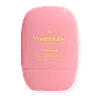
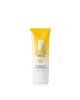
Timebeam Beauty Sunbeam Daily Mineral Sunscreen Broad Spectrum SPF 50 Versus Clinique UV Solutions Mattifying Broad Spectrum SPF 50 Sunscreen
This sunscreen offers SPF 50 protection with a lightweight finish.
This chemical sunscreen covers most of the UV range, lighter on the deep UVA that drives aging.

What's inside
What's inside
 Key Ingredients
Benefits
Concerns
Ingredients Side-by-side
Water
Skin ConditioningIsoamyl Laurate
Emollient

Propanediol
Solvent

Butyloctyl Salicylate
Skin Conditioning

C13-15 Alkane
SolventNiacinamide
Smoothing










Sodium Polyacryloyldimethyl Taurate
Emulsion Stabilising1,2-Hexanediol
Skin Conditioning
Ascorbyl Palmitate
Antioxidant

Astaxanthin
Skin Conditioning
Butylene Glycol
Humectant
Camellia Oleifera Leaf Extract
AstringentCaprylyl Glycol
Emollient
Ethyl Ferulate
Antioxidant
Eugenia Caryophyllus Bud Extract
Perfuming
Glycerin
Humectant
Haematococcus Pluvialis Extract
Antioxidant
Hydrogenated Lecithin
Emulsifying
Hydroxyacetophenone
Antioxidant
CI 77491
Cosmetic ColorantLauryl Glucoside
CleansingMica
Cosmetic ColorantMyristyl Glucoside
CleansingPolyglyceryl-6 Laurate
Emulsifying
Polyglyceryl-6 Polyricinoleate
Emulsifying
Polyhydroxystearic Acid
Emulsifying
Pongamia Pinnata Seed Extract
Skin ConditioningSilica
Abrasive
Sodium Citrate
BufferingSolidago Virgaurea Extract
Skin ConditioningCI 77891
Cosmetic ColorantTocopheryl Acetate
Antioxidant
Xanthan Gum
EmulsifyingWater, Isoamyl Laurate, Propanediol, Butyloctyl Salicylate, C13-15 Alkane, Niacinamide, Sodium Polyacryloyldimethyl Taurate, 1,2-Hexanediol, Ascorbyl Palmitate, Astaxanthin, Butylene Glycol, Camellia Oleifera Leaf Extract, Caprylyl Glycol, Ethyl Ferulate, Eugenia Caryophyllus Bud Extract, Glycerin, Haematococcus Pluvialis Extract, Hydrogenated Lecithin, Hydroxyacetophenone, CI 77491, Lauryl Glucoside, Mica, Myristyl Glucoside, Polyglyceryl-6 Laurate, Polyglyceryl-6 Polyricinoleate, Polyhydroxystearic Acid, Pongamia Pinnata Seed Extract, Silica, Sodium Citrate, Solidago Virgaurea Extract, CI 77891, Tocopheryl Acetate, Xanthan Gum
Homosalate 7%
Skin Conditioning
Octocrylene 7%
UV Absorber

Ethylhexyl Salicylate 4.5%
UV Absorber
Butyl Methoxydibenzoylmethane 3%
UV Absorber
Water
Skin ConditioningGlycerin
Humectant
Phenyl Trimethicone
Skin Conditioning
Silica
Abrasive
Dextrin Palmitate
Emulsifying
Butyloctyl Salicylate
Skin Conditioning
Butylene Glycol
Humectant
Triacontanyl Pvp
HumectantHydrogenated Lecithin
Emulsifying
Hydroxyethyl Acrylate/Sodium Acryloyldimethyl Taurate Copolymer
Emulsion StabilisingTocopheryl Acetate
Antioxidant
Salicylic Acid
Masking


Glyceryl Stearate
Emollient
PEG-100 Stearate
Surfactant
Polysorbate 20
Emulsifying
Caprylyl Glycol
Emollient
Algae Extract
Emollient
Phenoxyethanol
Preservative
Xanthan Gum
EmulsifyingIsododecane
EmollientAmmonium Acryloyldimethyltaurate/Beheneth-25 Methacrylate Crosspolymer
Emulsion StabilisingSodium Benzoate
Masking
Acrylates/Dimethicone Copolymer
Skin Conditioning
Tocopherol
Antioxidant
Disodium EDTA
ChelatingOryzanol
Skin ConditioningSodium Hyaluronate
Humectant
Dextrin
AbsorbentLitchi Chinensis Seed Extract
Skin ConditioningPolysorbate 60
Emulsifying
Dicetyldimonium Chloride
EmulsifyingSorbitan Isostearate
Emulsifying
Phosphatidylcholine
Emulsifying7-Dehydrocholesterol
Emulsion StabilisingHomosalate 7%, Octocrylene 7%, Ethylhexyl Salicylate 4.5%, Butyl Methoxydibenzoylmethane 3%, Water, Glycerin, Phenyl Trimethicone, Silica, Dextrin Palmitate, Butyloctyl Salicylate, Butylene Glycol, Triacontanyl Pvp, Hydrogenated Lecithin, Hydroxyethyl Acrylate/Sodium Acryloyldimethyl Taurate Copolymer, Tocopheryl Acetate, Salicylic Acid, Glyceryl Stearate, PEG-100 Stearate, Polysorbate 20, Caprylyl Glycol, Algae Extract, Phenoxyethanol, Xanthan Gum, Isododecane, Ammonium Acryloyldimethyltaurate/Beheneth-25 Methacrylate Crosspolymer, Sodium Benzoate, Acrylates/Dimethicone Copolymer, Tocopherol, Disodium EDTA, Oryzanol, Sodium Hyaluronate, Dextrin, Litchi Chinensis Seed Extract, Polysorbate 60, Dicetyldimonium Chloride, Sorbitan Isostearate, Phosphatidylcholine, 7-Dehydrocholesterol
Ingredients Explained
These ingredients are found in both products.
Ingredients higher up in an ingredient list are typically present in a larger amount.
Butylene Glycol (or BG) is used within cosmetic products for a few different reasons:
Overall, Butylene Glycol is a safe and well-rounded ingredient that works well with other ingredients.
Though this ingredient works well with most skin types, some people with sensitive skin may experience a reaction such as allergic rashes, closed comedones, or itchiness.
Learn more about Butylene GlycolButyloctyl Salicylate is a chemical UV filter structurally similar to octisalate. It is a photostabilizer, SPF booster, emollient and solvent. This ingredient helps evenly spread out ingredients.
According to a manufacturer, it is suitable for pairing with micro Titanium Dioxide, Zinc Oxide, and pigments.
Photostabilizers help stabilize UV-filters and prevents them from degrading quickly.
Learn more about Butyloctyl SalicylateCaprylyl Glycol is a humectant, skin conditioner, emollient, and preservative booster derived from either caprylic acid or synthetically created.
Typical use levels vary from 0.3-1% as a preservative booster and go up to 2% to condition skin.
Because it is not a free-fatty acid, this ingredient is fungal acne safe (there's nothing for Malassezia to feed on).
Learn more about Caprylyl GlycolGlycerin (or glycerol) is a compound naturally found in your skin. It's a powerhouse humectant that pulls water into the stratum corneum.
Topically, glycerin does several things at once:
Your skin makes glycerin on its own (mostly from sebaceous oil breakdown) and shuttles it to your outermost layer of skin, or your epidermis, via aquaporin-3.
Aquaporin-3 is a transporter that is essential for normal skin hydration, elasticity, and repair. Interestingly, mice lacking in AQP3 have dry and less elastic skin that can be fully corrected with glycerin.
This ingredient is non-irritating, plays well with almost every ingredient, and works across all skin types. Typical use is anywhere between 3-10% but can go up to 79% in some leave-on products.
Just know very high concentrations (>40%) can feel tacky in low humidity.
Glycerin is the name for this ingredient in American English. British English uses Glycerol/Glycerine.
Learn more about GlycerinHydrogenated Lecithin is a more stable version of lecithin.
It's made by taking lecithin (a phospholipid commonly found in soybeans and egg yolks) and hydrogenating it. This just means the unsaturated fatty acids are turned into saturated ones so they don't go bad as easily.
This ingredient is an emollient, emulsifier, and penetration enhancer. As an emollient, it helps soften and hydrate skin by trapping moisture within. As an emulsifier, it prevents oil and water ingredients from separating.
Hydrogenated Lecithin can form tiny spherical structures made of phospholipid bilayers called liposomes. These liposomes are able to capture compounds inside their structure and deliver them through the skin barrier.
Because phospholipids are a natural component of our cell membranes, this ingredient is inherently compatible with skin.
A 2021 study found lecithin-based surfactants were less harsh and more tolerable comared to Sodium Lauryl Sulfate (SLS).
Learn more about Hydrogenated LecithinSilica, also known as silicon dioxide, is a naturally occurring mineral. It is used as a fine, spherical, and porous powder in cosmetics.
Though it has exfoliant properties, the function of silica varies depending on the product.
The unique structure of silica enhances the spreadability and adds smoothness, making it a great texture enhancer.
It is also used as an active carrier, emulsifier, and mattifier due to its ability to absorb excess oil.
In some products, tiny microneedles called spicules are made from silica or hydrolyzed sponge. When you rub them in, they lightly polish away dead skin layers and enhance the penetration of active ingredients.
Learn more about SilicaTocopheryl Acetate is a stable, shelf-friendly form of vitamin E.
Formulators love it because plain vitamin E oxidizes quickly once it hits air. This acetate version stays stable and resists going off, helping to extend a product's shelf life.
It's actually inactive on its own and works like a slow-release "storage" form; the enzymes in your skin called esterases gradually convert it into active vitamin E over time.
One in vivo study showed 5% of the acetate in the living layer of the epidermis converted to vitamin E after 5 days of application. This study also found the skin gained protection against UV damage even though the conversion was slow and small.
Once converted, vitamin E acts as a skin's main fat-soluble antioxidant that fights free radicals to protect skin from damage.
Topical vitamin E generally boosts the skin's photoprotection, and it reduced UV-damage in animal models.
This ingredient has some brightening potential but it's more of a prevention ingredient than spot-fader. Cell studies show it can slow down melanin production but it's worth noting that it's not the most powerful brightener out there.
Overall, it has a pretty solid safety profile and has been found to be non-irritating and non-comedogenic. Allergic reactions may happen but stay rare due to how widely the ingredient gets used.
The concentration will vary depending on the formula; industry data shows 0.1% in baby lotions, 3% in lipsticks, and 5% in foot powders. You can also find this ingredient at 100% in a pure vitamin E oil.
Most leave-on skincare keeps it at the lower end, often between 0.5-1%.
Learn more about Tocopheryl AcetateWater. It's the most common cosmetic ingredient of all. You'll usually see it at the top of ingredient lists, meaning that it makes up the largest part of the product.
So why is it so popular? Water most often acts as a solvent - this means that it helps dissolve other ingredients into the formulation.
You'll also recognize water as that liquid we all need to stay alive. If you see this, drink a glass of water. Remember to stay hydrated!
Learn more about WaterXanthan gum is used as a stabilizer and thickener within cosmetic products. It helps give products a sticky, thick feeling - preventing them from being too runny.
On the technical side of things, xanthan gum is a polysaccharide - a combination consisting of multiple sugar molecules bonded together.
Xanthan gum is a pretty common and great ingredient. It is a natural, non-toxic, non-irritating ingredient that is also commonly used in food products.
Learn more about Xanthan Gum

