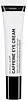
This anti-aging eye moisturizer is formulated around Caffeine and Palmitoyl Tetrapeptide-7 to soften the look of wrinkles.
This anti-aging eye moisturizer is formulated around Niacinamide to soften the look of wrinkles.


What's inside
What's inside
 Key Ingredients
Benefits
Concerns
Ingredients Side-by-side
Water
Skin ConditioningGlycerin
Humectant


Dicaprylyl Carbonate
EmollientPropanediol
Solvent
Polyglyceryl-6 Distearate
Emulsifying

Cetyl Alcohol
Emollient

Glyceryl Behenate
Emollient
Phenoxyethanol
Preservative
Hydroxyethyl Acrylate/Sodium Acryloyldimethyl Taurate Copolymer
Emulsion StabilisingJojoba Esters
Emollient
Albizia Julibrissin Bark Extract
MaskingSqualane
Emollient
Caffeine
Skin Conditioning
Polyglyceryl-3 Beeswax
Emulsifying
Phospholipids
Skin Conditioning
Ethylhexylglycerin
Skin ConditioningXanthan Gum
EmulsifyingGlycine Soja Oil
Emollient




Polysorbate 60
Emulsifying
Sodium Phytate
ChelatingGlycolipids
Skin ConditioningSorbitan Isostearate
Emulsifying
Butylene Glycol
Humectant
Citric Acid
Buffering

Glycine Soja Sterols
Emollient
Leuconostoc/Radish Root Ferment Filtrate
Antimicrobial
Hyaluronic Acid
Humectant
Sodium Benzoate
Masking
Tocopherol
Antioxidant


Carbomer
Emulsion StabilisingDarutoside
Skin ConditioningSodium Lactate
Buffering
Polysorbate 20
Emulsifying
Palmitoyl Tetrapeptide-7
Skin Conditioning

Palmitoyl Tripeptide-1
Skin Conditioning
Water, Glycerin, Dicaprylyl Carbonate, Propanediol, Polyglyceryl-6 Distearate, Cetyl Alcohol, Glyceryl Behenate, Phenoxyethanol, Hydroxyethyl Acrylate/Sodium Acryloyldimethyl Taurate Copolymer, Jojoba Esters, Albizia Julibrissin Bark Extract, Squalane, Caffeine, Polyglyceryl-3 Beeswax, Phospholipids, Ethylhexylglycerin, Xanthan Gum, Glycine Soja Oil, Polysorbate 60, Sodium Phytate, Glycolipids, Sorbitan Isostearate, Butylene Glycol, Citric Acid, Glycine Soja Sterols, Leuconostoc/Radish Root Ferment Filtrate, Hyaluronic Acid, Sodium Benzoate, Tocopherol, Carbomer, Darutoside, Sodium Lactate, Polysorbate 20, Palmitoyl Tetrapeptide-7, Palmitoyl Tripeptide-1
Phyllostachys Bambusoides Juice
Skin ConditioningWater
Skin ConditioningMethylpropanediol
SolventPolyglycerin-3
Humectant
1,2-Hexanediol
Skin Conditioning
Niacinamide
Smoothing



Glycerin
Humectant
Nymphoides Indica Extract
HumectantBetaine
Humectant
Laminaria Japonica Extract
Skin Protecting
Eclipta Prostrata Leaf Extract
Skin ConditioningCentella Asiatica Extract
Cleansing
Ficus Carica Fruit Extract
Humectant
Piper Methysticum Leaf/Root/Stem Extract
Skin ConditioningBambusa Vulgaris Shoot Extract
Antioxidant
Bambusa Vulgaris Leaf/Stem Extract
HumectantGanoderma Lucidum Stem Extract
Skin ConditioningGlycine Soja Seed Extract
Skin Conditioning
Trifolium Pratense Extract
Skin ConditioningHydrogenated Lecithin
Emulsifying
Bambusa Vulgaris Water
Skin ConditioningCitrus Aurantium Bergamia Fruit Oil
Masking


Sodium Hyaluronate
Humectant
Soluble Collagen
Humectant
Ammonium Acryloyldimethyltaurate/Vp Copolymer
Collagen
Moisturising
Octyldodeceth-16
EmulsifyingLeuconostoc/Radish Root Ferment Filtrate
Antimicrobial
Carbomer
Emulsion StabilisingButylene Glycol
Humectant
Fructan
Skin ConditioningTromethamine
BufferingAdenosine
Skin Conditioning
Fructooligosaccharides
Humectant
Disodium EDTA
ChelatingSodium Polyacrylate
Absorbent
Pvm/Ma Copolymer
Emulsion StabilisingBeta-Glucan
Skin Conditioning
Hydrolyzed Hyaluronic Acid
Humectant
Propanediol
Solvent
Ceramide NP
Skin Conditioning
Polyglyceryl-10 Myristate
Skin Conditioning
Sucrose Polystearate
EmollientGlyceryl Stearate Se
Emulsifying
Cetyl Alcohol
Emollient
Stearyl Alcohol
Emollient
Sodium Stearoyl Glutamate
CleansingOleanolic Acid
Skin ConditioningTetrahydropiperine
Skin ConditioningPhloretin
Antioxidant
Hydrogenated Polyisobutene
EmollientCrithmum Maritimum Callus Culture Filtrate
Skin ProtectingArginine
Masking
Potassium Cetyl Phosphate
EmulsifyingEthylhexylglycerin
Skin ConditioningPentylene Glycol
Skin Conditioning
Limonene
Perfuming
Linalool
Perfuming
Phyllostachys Bambusoides Juice, Water, Methylpropanediol, Polyglycerin-3, 1,2-Hexanediol, Niacinamide, Glycerin, Nymphoides Indica Extract, Betaine, Laminaria Japonica Extract, Eclipta Prostrata Leaf Extract, Centella Asiatica Extract, Ficus Carica Fruit Extract, Piper Methysticum Leaf/Root/Stem Extract, Bambusa Vulgaris Shoot Extract, Bambusa Vulgaris Leaf/Stem Extract, Ganoderma Lucidum Stem Extract, Glycine Soja Seed Extract, Trifolium Pratense Extract, Hydrogenated Lecithin, Bambusa Vulgaris Water, Citrus Aurantium Bergamia Fruit Oil, Sodium Hyaluronate, Soluble Collagen, Ammonium Acryloyldimethyltaurate/Vp Copolymer, Collagen, Octyldodeceth-16, Leuconostoc/Radish Root Ferment Filtrate, Carbomer, Butylene Glycol, Fructan, Tromethamine, Adenosine, Fructooligosaccharides, Disodium EDTA, Sodium Polyacrylate, Pvm/Ma Copolymer, Beta-Glucan, Hydrolyzed Hyaluronic Acid, Propanediol, Ceramide NP, Polyglyceryl-10 Myristate, Sucrose Polystearate, Glyceryl Stearate Se, Cetyl Alcohol, Stearyl Alcohol, Sodium Stearoyl Glutamate, Oleanolic Acid, Tetrahydropiperine, Phloretin, Hydrogenated Polyisobutene, Crithmum Maritimum Callus Culture Filtrate, Arginine, Potassium Cetyl Phosphate, Ethylhexylglycerin, Pentylene Glycol, Limonene, Linalool
Reviews
Ingredients Explained
These ingredients are found in both products.
Ingredients higher up in an ingredient list are typically present in a larger amount.
Butylene Glycol (or BG) is used within cosmetic products for a few different reasons:
Overall, Butylene Glycol is a safe and well-rounded ingredient that works well with other ingredients.
Though this ingredient works well with most skin types, some people with sensitive skin may experience a reaction such as allergic rashes, closed comedones, or itchiness.
Learn more about Butylene GlycolCarbomer is a synthetic thickening and gelling agent. It's basically the ingredient that gives a lot of serums, gels, creams, and sunscreens their smooth, non-sticky texture.
Although legally permitted at very high levels, carbomers are normally used at concentrations below 1%.
It also needs to be neutralized to actually thicken, and because it is a large molecule, it doesn't really penetrate the skin barrier.
Allergy-wise, the risk is very low. Clinical studies show carbomers have low potential for skin irritation/sensitization even at concentrations up to 100%.
A 2024 UK study patch-tested 1,302 patients and found true allergy to the parent group of carbomer to be rare with no confirmed relevant reactions.
Learn more about CarbomerCetyl Alcohol is a fatty alcohol. Fatty Alcohols are most often used as an emollient or to thicken a product.
Its main roles are:
Though it has "alcohol" in the name, it is not related to denatured alcohol or ethyl alcohol.
The FDA allows products labeled "alcohol-free" to have fatty alcohols.
This ingredient may not be fungal acne safe. It is a primary fatty alcohol with a chain length above 12 carbons. A study from 2019 show Malassezia can feed on fatty alcohols in this range, so it may trigger fungal acne in those prone to it.
Learn more about Cetyl AlcoholEthylhexylglycerin is created from glycerin. It is a multitasker ingredient that:
The CIR Expert Panel found minimal skin absorption or sensitization of any kind in a safety assessment. Though this ingredient is considered well-tolerated, a small number of cases of allergic dermatitis have been published since 2002. Just be sure to patch test if you are unsure.
Industry-reported use ranges from 8% in rinse-off products and 2% in leave-on formulations.
Learn more about EthylhexylglycerinGlycerin (or glycerol) is a compound naturally found in your skin. It's a powerhouse humectant that pulls water into the stratum corneum.
Topically, glycerin does several things at once:
Your skin makes glycerin on its own (mostly from sebaceous oil breakdown) and shuttles it to your outermost layer of skin, or your epidermis, via aquaporin-3.
Aquaporin-3 is a transporter that is essential for normal skin hydration, elasticity, and repair. Interestingly, mice lacking in AQP3 have dry and less elastic skin that can be fully corrected with glycerin.
This ingredient is non-irritating, plays well with almost every ingredient, and works across all skin types. Typical use is anywhere between 3-10% but can go up to 79% in some leave-on products.
Just know very high concentrations (>40%) can feel tacky in low humidity.
Glycerin is the name for this ingredient in American English. British English uses Glycerol/Glycerine.
Learn more about GlycerinLeuconostoc/Radish Root Ferment Filtrate is a natural preservative. It comes from fermenting radish roots with a bacteria called leuconostoc. The trade name for this ingredient is Leucidal.
Leuconostoc comes from lactic acid.
This ingredient has antimicrobial properties and helps prevent the growth of bacteria in a product.
Leuconostoc is used to make the traditional Korean side-dish, kimchi. It is also used to make sourdough bread (both incredibly yummy foods).
Learn more about Leuconostoc/Radish Root Ferment FiltratePropanediol is an all-star ingredient. It softens, hydrates, and smooths the skin.
It’s often used to:
Propanediol is not likely to cause sensitivity and considered safe to use. It is derived from corn or petroleum with a clear color and no scent.
Learn more about PropanediolWater. It's the most common cosmetic ingredient of all. You'll usually see it at the top of ingredient lists, meaning that it makes up the largest part of the product.
So why is it so popular? Water most often acts as a solvent - this means that it helps dissolve other ingredients into the formulation.
You'll also recognize water as that liquid we all need to stay alive. If you see this, drink a glass of water. Remember to stay hydrated!
Learn more about Water

