Philosophy Dose Of Wisdom Dark Circle Brightening Eye Cream Versus The INKEY List Caffeine Eye Cream
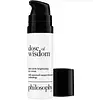
This brightening eye moisturizer is formulated around 3-O-Ethyl Ascorbic Acid and Caffeine to brighten dull-looking skin and fade the look of dark spots.
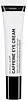
This anti-aging eye moisturizer is formulated around Caffeine and Palmitoyl Tetrapeptide-7 to soften the look of wrinkles.


What's inside
What's inside
 Key Ingredients
Benefits
Concerns
Ingredients Side-by-side
Water
Skin ConditioningGlycerin
Humectant


Pentaerythrityl Tetraethylhexanoate
Emollient
Propanediol
Solvent
Hydroxyethyl Acrylate/Sodium Acryloyldimethyl Taurate Copolymer
Emulsion StabilisingSqualane
Emollient
3-O-Ethyl Ascorbic Acid
Skin Conditioning




Butylene Glycol
Humectant
Xanthan Gum
EmulsifyingBoron Nitride
Absorbent
Hydroxyacetophenone
Antioxidant
Caprylic/Capric Triglyceride
Masking
Carbomer
Emulsion StabilisingCetyl Stearate
Emollient

1,2-Hexanediol
Skin Conditioning
Caprylyl Glycol
Emollient
Propylene Glycol
Humectant
Polysorbate 60
Emulsifying
Caffeine
Skin Conditioning
Cetyl Alcohol
Emollient
Isostearyl Isostearate
Emollient

Methylpropanediol
SolventPotassium Cetyl Phosphate
EmulsifyingMaltodextrin
Absorbent
Sodium Hydroxide
BufferingSorbitan Isostearate
Emulsifying
Mica
Cosmetic ColorantLaureth-3
EmulsifyingAdenosine
Skin Conditioning
Lactobacillus
Skin ConditioningGinkgo Biloba Leaf Extract
Skin Conditioning
Trisodium Ethylenediamine Disuccinate
ChelatingAesculus Hippocastanum Seed Extract
Skin ConditioningHydroxyethylcellulose
Emulsion StabilisingSilica
Abrasive
Glucose
Humectant
Acetyl Dipeptide-1 Cetyl Ester
Skin Conditioning
Stearic Acid
Cleansing
Lactic Acid
Buffering


Dimethylmethoxy Chromanol
Antioxidant
Hordeum Vulgare Leaf Extract
Skin ConditioningSambucus Nigra Flower Extract
RefreshingPotassium Sorbate
Preservative
Hyaluronic Acid
Humectant
Silanetriol
Sodium Benzoate
Masking
Citric Acid
Buffering
Biosaccharide Gum-4
Skin Conditioning
Rosmarinus Officinalis Leaf Extract
AntimicrobialBiotin
AntiseborrhoeicCI 77891
Cosmetic ColorantWater, Glycerin, Pentaerythrityl Tetraethylhexanoate, Propanediol, Hydroxyethyl Acrylate/Sodium Acryloyldimethyl Taurate Copolymer, Squalane, 3-O-Ethyl Ascorbic Acid, Butylene Glycol, Xanthan Gum, Boron Nitride, Hydroxyacetophenone, Caprylic/Capric Triglyceride, Carbomer, Cetyl Stearate, 1,2-Hexanediol, Caprylyl Glycol, Propylene Glycol, Polysorbate 60, Caffeine, Cetyl Alcohol, Isostearyl Isostearate, Methylpropanediol, Potassium Cetyl Phosphate, Maltodextrin, Sodium Hydroxide, Sorbitan Isostearate, Mica, Laureth-3, Adenosine, Lactobacillus, Ginkgo Biloba Leaf Extract, Trisodium Ethylenediamine Disuccinate, Aesculus Hippocastanum Seed Extract, Hydroxyethylcellulose, Silica, Glucose, Acetyl Dipeptide-1 Cetyl Ester, Stearic Acid, Lactic Acid, Dimethylmethoxy Chromanol, Hordeum Vulgare Leaf Extract, Sambucus Nigra Flower Extract, Potassium Sorbate, Hyaluronic Acid, Silanetriol, Sodium Benzoate, Citric Acid, Biosaccharide Gum-4, Rosmarinus Officinalis Leaf Extract, Biotin, CI 77891
Water
Skin ConditioningGlycerin
Humectant
Dicaprylyl Carbonate
EmollientPropanediol
Solvent
Polyglyceryl-6 Distearate
Emulsifying
Cetyl Alcohol
Emollient
Glyceryl Behenate
Emollient
Phenoxyethanol
Preservative
Hydroxyethyl Acrylate/Sodium Acryloyldimethyl Taurate Copolymer
Emulsion StabilisingJojoba Esters
Emollient
Albizia Julibrissin Bark Extract
MaskingSqualane
Emollient
Caffeine
Skin Conditioning
Polyglyceryl-3 Beeswax
Emulsifying
Phospholipids
Skin Conditioning
Ethylhexylglycerin
Skin ConditioningXanthan Gum
EmulsifyingGlycine Soja Oil
Emollient
Polysorbate 60
Emulsifying
Sodium Phytate
ChelatingGlycolipids
Skin ConditioningSorbitan Isostearate
Emulsifying
Butylene Glycol
Humectant
Citric Acid
Buffering
Glycine Soja Sterols
Emollient
Leuconostoc/Radish Root Ferment Filtrate
Antimicrobial
Hyaluronic Acid
Humectant
Sodium Benzoate
Masking
Tocopherol
Antioxidant
Carbomer
Emulsion StabilisingDarutoside
Skin ConditioningSodium Lactate
Buffering
Polysorbate 20
Emulsifying
Palmitoyl Tetrapeptide-7
Skin Conditioning
Palmitoyl Tripeptide-1
Skin Conditioning
Water, Glycerin, Dicaprylyl Carbonate, Propanediol, Polyglyceryl-6 Distearate, Cetyl Alcohol, Glyceryl Behenate, Phenoxyethanol, Hydroxyethyl Acrylate/Sodium Acryloyldimethyl Taurate Copolymer, Jojoba Esters, Albizia Julibrissin Bark Extract, Squalane, Caffeine, Polyglyceryl-3 Beeswax, Phospholipids, Ethylhexylglycerin, Xanthan Gum, Glycine Soja Oil, Polysorbate 60, Sodium Phytate, Glycolipids, Sorbitan Isostearate, Butylene Glycol, Citric Acid, Glycine Soja Sterols, Leuconostoc/Radish Root Ferment Filtrate, Hyaluronic Acid, Sodium Benzoate, Tocopherol, Carbomer, Darutoside, Sodium Lactate, Polysorbate 20, Palmitoyl Tetrapeptide-7, Palmitoyl Tripeptide-1
Reviews
Ingredients Explained
These ingredients are found in both products.
Ingredients higher up in an ingredient list are typically present in a larger amount.
Butylene Glycol (or BG) is used within cosmetic products for a few different reasons:
Overall, Butylene Glycol is a safe and well-rounded ingredient that works well with other ingredients.
Though this ingredient works well with most skin types, some people with sensitive skin may experience a reaction such as allergic rashes, closed comedones, or itchiness.
Learn more about Butylene GlycolCaffeine is a naturally occurring plant compound found in coffee beans, tea leaves, cocoa pods, and guarana.
As an antioxidant, caffeine protects your skin from free radical damage caused by UV exposure and envionrmnetal stressors.
Early research also shows that caffeine can help calm redness, soothe irritated skin, and support hair growth by stimulating microcirculation in the scalp.
You might have seen eye creams marketing caffeine as a depuffing ingredient. This is because it is a vasoconstrictor meaning it can temporarily constrict blood vessels, though clinical evidence for this specific use is still limited.
Most skincare products contain this ingredient at concentrations between 1-6%. It is able to penetrate skin easily regardless of skin type or thickness.
Just so you know, a very small number of case reports describe caffeine-induced allergy. This ingredient is generally well-tolerated, non-irritating, and non-sensitizing for the majority of people.
Learn more about CaffeineCarbomer is a synthetic thickening and gelling agent. It's basically the ingredient that gives a lot of serums, gels, creams, and sunscreens their smooth, non-sticky texture.
Although legally permitted at very high levels, carbomers are normally used at concentrations below 1%.
It also needs to be neutralized to actually thicken, and because it is a large molecule, it doesn't really penetrate the skin barrier.
Allergy-wise, the risk is very low. Clinical studies show carbomers have low potential for skin irritation/sensitization even at concentrations up to 100%.
A 2024 UK study patch-tested 1,302 patients and found true allergy to the parent group of carbomer to be rare with no confirmed relevant reactions.
Learn more about CarbomerCetyl Alcohol is a fatty alcohol. Fatty Alcohols are most often used as an emollient or to thicken a product.
Its main roles are:
Though it has "alcohol" in the name, it is not related to denatured alcohol or ethyl alcohol.
The FDA allows products labeled "alcohol-free" to have fatty alcohols.
This ingredient may not be fungal acne safe. It is a primary fatty alcohol with a chain length above 12 carbons. A study from 2019 show Malassezia can feed on fatty alcohols in this range, so it may trigger fungal acne in those prone to it.
Learn more about Cetyl AlcoholCitric Acid is an alpha hydroxy acid (AHA) naturally found in citrus fruits like oranges, lemons, and limes.
Like other AHAs, citric acid can exfoliate skin by breaking down the bonds that hold dead skin cells together. This helps reveal smoother and brighter skin underneath.
However, this exfoliating effect only happens at high concentrations (20%) which can be hard to find in cosmetic products.
Due to this, citric acid is usually included in small amounts as a pH adjuster. This helps keep products slightly more acidic and compatible with skin's natural pH.
In skincare formulas, citric acid can:
While it can provide some skin benefits, research shows lactic acid and glycolic acid are generally more effective and less irritating exfoliants.
Most citric acid used in skincare today is made by fermenting sugars (usually from molasses). This synthetic version is identical to the natural citrus form but easier to stabilize and use in formulations.
Rosacea skin has a lower threshold for acids generally, with 62.5% of rosacea subjects in one study reacting to lactic acid in a sting test. This is why we mark citric acid as a potential rosacea trigger.
However, this ingredient shows up as a pH adjuster or chelator at roughly 0.1-1% in many products. These low levels are unlikely to be an issue for rosacea skin and becomes a potential trigger at exfoliating concentrations (20%). Because everybody's skin is unique, we recommend a patch test if you are unsure.
Learn more about Citric AcidGlycerin (or glycerol) is a compound naturally found in your skin. It's a powerhouse humectant that pulls water into the stratum corneum.
Topically, glycerin does several things at once:
Your skin makes glycerin on its own (mostly from sebaceous oil breakdown) and shuttles it to your outermost layer of skin, or your epidermis, via aquaporin-3.
Aquaporin-3 is a transporter that is essential for normal skin hydration, elasticity, and repair. Interestingly, mice lacking in AQP3 have dry and less elastic skin that can be fully corrected with glycerin.
This ingredient is non-irritating, plays well with almost every ingredient, and works across all skin types. Typical use is anywhere between 3-10% but can go up to 79% in some leave-on products.
Just know very high concentrations (>40%) can feel tacky in low humidity.
Glycerin is the name for this ingredient in American English. British English uses Glycerol/Glycerine.
Learn more about GlycerinHyaluronic acid (HA) is a glycosaminoglycan (basically a long sugar chain) that your skin already makes on its own. In your skin, HA lives in the extracellular matrix and acts as the body's moisture reservoir.
Topically, HA is a humectant that binds water and helps skin look more plump, smooth, and hydrated.
The only catch is that HA isn't a single thing; it actually comes in a wide range of molecular weights (~50 - 2,000+ kDA) and size matters.
Some clinical evidence links low molecular weight versions to improved wrinkle depth, elasticity, anti-inflammatory effects, and barrier repair.
This is why the best HA serums blend the two sizes together so you get the best of both worlds.
The majority of cosmetic HA is produced by bacterial fermentation, typically using Streptococcus or Bacillus strains. Typical use levels in skincare sit around 0.1-2%.
A clinical study using a 0.2% low-molecular weight HA gel showed improvement in facial seborrheic dermatitis with excellent tolerance.
These are some other common types of Hyaluronic Acid:
Learn more about Hyaluronic AcidThis is a synthetic polymer. It helps improve the texture of products by adding thickness and gel-like feel.
It is also an emulsifer, meaning it prevents ingredients such as oil and water from separating. It also helps evenly disperse other ingredients.
Polysorbate 60 is used to help stabilize products. It is a surfactant and emulsifier. These properties help keep ingredients together in a product. Surfactants help reduce surface tension between ingredients with different states, such as liquids and solids. Emulsifiers help prevent oils and waters from separating.
Polysorbate 60 is sorbitol-based and created from the ethoxylation of sorbitan. Ethoxylation is a chemical reaction used to add ethylene oxide. Sorbitan is a the dehydrated version of sorbitol, a sugar found in fruits.
In this case, the 60 comes from reacting 60 units of ethylene oxide with sorbitan.
Polysorbates are commonly used in medicine and foods.
Learn more about Polysorbate 60Propanediol is an all-star ingredient. It softens, hydrates, and smooths the skin.
It’s often used to:
Propanediol is not likely to cause sensitivity and considered safe to use. It is derived from corn or petroleum with a clear color and no scent.
Learn more about PropanediolSodium Benzoate is a preservative. It's used in both cosmetic and food products to inhibit the growth of mold and bacteria. It is typically produced synthetically.
Both the US FDA and EU Health Committee have approved the use of sodium benzoate. In the US, levels of 0.1% (of the total product) are allowed.
Sodium benzoate works as a preservative by inhibiting the growth of bacteria inside of cells. It prevents the cell from fermenting a type of sugar using an enzyme called phosphofructokinase.
It is the salt of benzoic acid. Foods containing sodium benzoate include soda, salad dressings, condiments, fruit juices, wines, and snack foods.
Studies for using ascorbic acid and sodium benzoate in cosmetics are lacking, especially in skincare routines with multiple steps.
We always recommend speaking with a professional, such as a dermatologist, if you have any concerns.
Learn more about Sodium BenzoateSorbitan Isostearate is an emulsifer. It is created from isostearic acid and sorbitol.
As an emulsifier, it keeps the water and oil ingredients from separating. This keeps formulas stable and smooth.
In a 24 hour occlusive patch test on 56 subjects, 10% sorbitan isostearate was completely non-irritating. Most formulas use less than 10%.
Because it's a fatty acid ester, it may not be fungal acne safe since the Malassezia yeast can utilize it as a nutrient source.
Learn more about Sorbitan IsostearateSqualane is the hydrogenated and shelf-stable form of squalene (a lipid that naturally occurs in human sebum).
It is an emollient and skin conditioning agent that is able to integrate seamlessly into the skin's lipid barrier without clogging pores.
This is due to how structurally similar it is to what your skin already produces.
Though it is mostly an emollient that helps soften and hydrate skin, it also has some humectant and occlusive action. Humectants help the skin retain moisture while occlusives seal it in, making squalane a triple-threat moisturizer.
Research shows it has antioxidant capabilities that help protect against stressors like UV exposure, specifically UVA induced oxidative stress. This study also found that it supports collagen biosynthesis in human dermal fibroblasts.
No clinical study has reported significant adverse effects and irritation reactions are very rare from this ingredient (even at 100% concentration).
Overall, it's a fantastic ingredient for hydration and is suitable for all skin types.
This depends on the source. Squalane can be derived from both plants and animals. Most squalane used in skincare comes from plants.
Please note: the source of squalane is only known if disclosed by the brand. We recommend reaching out to the brand if you have any questions about their squalane.
Read more about squalene with an "e".
Though squalane is often called an oil, it’s technically not one. It is a hydrocarbon, meaning it is only made of carbon and hydrogen. True oils are triglycerides and made of fatty acids and glycerol.
The term “oil-free” isn’t regulated so companies can define it however they want. Some exclude all oils, while others just avoid mineral oil or comedogenic oils.
Squalane has a comedogenic rating of 1 from the original 1972 study that tested raw ingredients under occlusion on rabbit ears. This system is not standardized or peer-reviewed, and using the raw ingredients is very different from how diluted cosmetic formulations are used on human skin.
A comedogenic rating of 1 means it is "unlikely to clog pores" according to the original rating system.
The overall formula of a product matters more than the individual ingredients on whether or not it will cause clogged pores.
Learn more about SqualaneWater. It's the most common cosmetic ingredient of all. You'll usually see it at the top of ingredient lists, meaning that it makes up the largest part of the product.
So why is it so popular? Water most often acts as a solvent - this means that it helps dissolve other ingredients into the formulation.
You'll also recognize water as that liquid we all need to stay alive. If you see this, drink a glass of water. Remember to stay hydrated!
Learn more about WaterXanthan gum is used as a stabilizer and thickener within cosmetic products. It helps give products a sticky, thick feeling - preventing them from being too runny.
On the technical side of things, xanthan gum is a polysaccharide - a combination consisting of multiple sugar molecules bonded together.
Xanthan gum is a pretty common and great ingredient. It is a natural, non-toxic, non-irritating ingredient that is also commonly used in food products.
Learn more about Xanthan Gum

