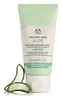
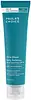
The Body Shop Aloe Soothing Moisture Lotion SPF 15 Versus Paula's Choice Skin Balancing Ultra-Sheer Daily Defense Broad Spectrum SPF 30
This calming day moisturizer is formulated around Aloe Barbadensis Leaf Juice Powder and Panthenol to calm redness and hydrate skin.
This oil-control day moisturizer is formulated around Aluminum Starch Octenylsuccinate and Camellia Sinensis Leaf Extract to balance excess oil and soften the look of wrinkles.


What's inside
What's inside
 Key Ingredients
Benefits
Concerns
Ingredients Side-by-side
Ethylhexyl Salicylate 5%
UV Absorber

Butyl Methoxydibenzoylmethane 3%
UV Absorber
Ethylhexyl Methoxycinnamate 2.9%
UV Absorber
Octocrylene 2.2%
UV Absorber
Water
Skin ConditioningC12-15 Alkyl Benzoate
AntimicrobialGlyceryl Stearate
Emollient

Glycerin
Humectant


Butylene Glycol
Humectant
Caprylic/Capric Triglyceride
Masking
Sorbitol
Humectant
Cetearyl Alcohol
Emollient


Potassium Cetyl Phosphate
EmulsifyingSesamum Indicum Seed Oil
Emollient
Dimethicone
Emollient
Phenoxyethanol
Preservative
Caprylyl Glycol
Emollient
Panthenol
Skin Conditioning

Butyrospermum Parkii Butter
Skin Conditioning
Aloe Barbadensis Leaf Juice Powder
Skin Conditioning
Xanthan Gum
EmulsifyingCarbomer
Emulsion StabilisingBisabolol
Antioxidant
Potassium Sorbate
Preservative
Tetrasodium EDTA
ChelatingSodium Hydroxide
BufferingAcrylates/C10-30 Alkyl Acrylate Crosspolymer
Emulsion StabilisingPentylene Glycol
Skin Conditioning
BHT
Antioxidant
Avena Sativa Kernel Extract
Abrasive
Citric Acid
Buffering

Ethylhexyl Salicylate 5%, Butyl Methoxydibenzoylmethane 3%, Ethylhexyl Methoxycinnamate 2.9%, Octocrylene 2.2%, Water, C12-15 Alkyl Benzoate, Glyceryl Stearate, Glycerin, Butylene Glycol, Caprylic/Capric Triglyceride, Sorbitol, Cetearyl Alcohol, Potassium Cetyl Phosphate, Sesamum Indicum Seed Oil, Dimethicone, Phenoxyethanol, Caprylyl Glycol, Panthenol, Butyrospermum Parkii Butter, Aloe Barbadensis Leaf Juice Powder, Xanthan Gum, Carbomer, Bisabolol, Potassium Sorbate, Tetrasodium EDTA, Sodium Hydroxide, Acrylates/C10-30 Alkyl Acrylate Crosspolymer, Pentylene Glycol, BHT, Avena Sativa Kernel Extract, Citric Acid
Water
Skin ConditioningHomosalate
Skin Conditioning
Butylene Glycol
Humectant
Benzophenone-3
UV Absorber
Butyl Methoxydibenzoylmethane
UV Absorber
Silica
Abrasive

Octocrylene
UV Absorber
Aluminum Starch Octenylsuccinate
Absorbent
Cetyl Dimethicone
Emollient
Camellia Sinensis Leaf Extract
Antimicrobial
Aloe Barbadensis Leaf Juice Powder
Skin Conditioning
Ascorbyl Palmitate
Antioxidant
Phospholipids
Skin Conditioning
Superoxide Dismutase
Antioxidant
Adenosine
Skin Conditioning
Tocopherol
Antioxidant

Bisabolol
Antioxidant
Boerhavia Diffusa Root Extract
Skin Protecting
Avena Sativa Kernel Extract
Abrasive
Panthenol
Skin Conditioning
Ginkgo Biloba Leaf Extract
Skin Conditioning
Salix Alba Bark Extract
Astringent
Acrylates/C10-30 Alkyl Acrylate Crosspolymer
Emulsion StabilisingTitanium Dioxide
Cosmetic Colorant
Sodium Hydroxide
BufferingSteareth-21
CleansingSteareth-2
EmulsifyingPolysorbate 20
Emulsifying
Disodium EDTA
ChelatingPhenoxyethanol
Preservative
Sorbic Acid
Preservative
Water, Homosalate, Butylene Glycol, Benzophenone-3, Butyl Methoxydibenzoylmethane, Silica, Octocrylene, Aluminum Starch Octenylsuccinate, Cetyl Dimethicone, Camellia Sinensis Leaf Extract, Aloe Barbadensis Leaf Juice Powder, Ascorbyl Palmitate, Phospholipids, Superoxide Dismutase, Adenosine, Tocopherol, Bisabolol, Boerhavia Diffusa Root Extract, Avena Sativa Kernel Extract, Panthenol, Ginkgo Biloba Leaf Extract, Salix Alba Bark Extract, Acrylates/C10-30 Alkyl Acrylate Crosspolymer, Titanium Dioxide, Sodium Hydroxide, Steareth-21, Steareth-2, Polysorbate 20, Disodium EDTA, Phenoxyethanol, Sorbic Acid
Ingredients Explained
These ingredients are found in both products.
Ingredients higher up in an ingredient list are typically present in a larger amount.
Acrylates/C10-30 Alkyl Acrylate Crosspolymer is a synthetic polymer. It is used to thicken, emulsify, and improve the texture of products.
As an emulsifier, it helps stabilize oil-in-water emulsions to give products an elegant feel when applied.
It can also form a thin protective film on skin. One study found that a formula using this polymer helped slow down how quickly other ingredients (like DEET) were absorbed through skin.
A 2024 study of over 1,300 patients confirmed that sensitization to this ingredient is rare. It is also non-mutagenic and has a clean track record.
Learn more about Acrylates/C10-30 Alkyl Acrylate CrosspolymerAloe Barbadensis Leaf Juice Powder comes from the aloe plant.
You may know Aloe to be a good sunburn reliever and inflammation reducer. This is because it contains many components that are known to help reduce irritation and itchiness.
Aloe leaves are also great moisturizers. They are naturally rich in polysaccharides, a carbohydrate made of sugars. Polysaccharides are able to mimic the carbs found in the top layer of your skin. This can help keep your skin hydrated.
Aloe contains the antioxidants Vitamins A, C, and E. These vitamins neutralize free radicals. Free-radicals are molecules that may damage your skin cells, such as pollution.
Aloe does not protect against UV rays, despite it soothing sunburns.
Learn more about Aloe Barbadensis Leaf Juice PowderAvena Sativa Kernel Extract is is derived from colloidal oatmeal. Besides being a healthy breakfast, oats have many benefits in skincare too.
This ingredient helps sooth, hydrate, and protect the skin. The starches in colloidal oatmeal are able to bind water, keeping the skin hydrated.
The cellulose and fiber in colloidal oatmeal help reduce inflammation. This can also help the skin feel softer.
Colloidal Oatmeal is also an antioxidant. Antioxidants protect our skin from free-radical damage.
Oatmeal also contains beneficial compounds:
This ingredient is created by mixing grounded oatmeal and a liquid base.
Learn more about Avena Sativa Kernel ExtractBisabolol is a gentle skin conditioner, antioxidant, and soothing ingredient.
It's primary claim to fame is soothing and research shows topically applied bisabolol can quiet the chemical messengers that cause your skin to become inflamed, helping to sooth any irritation.
A clinical study found that applying 0.5% bisabolol daily for 8 weeks produced an average 9% decrease in skin pigmentation. Researchers found it can also suppress the process that leads to excess melanin production in skin.
In vitro studies found that bisabolol combined with propylene glycol significantly increased skin permeability by increasing lipid fluidity in the stratum corneum.
You'll likely see use concentrations quite low, usually 0.1-0.2%.
Overall, this is a well-tolerated ingredient that works well in formulas designed for sensitive, reactive, or post-procedure skin.
Learn more about BisabololAlso known as Avobenzone, this ingredient is an oil-soluble used to absorb the full spectrum of UVA rays (peak 357 nm).
It's one of the most effective UVA filters available but has a major caveat of photostability: avobenzone is susceptible to photodegradation.
This means it can lose efficacy when exposed to sunlight without the help of a stabilizing agent.
Studies show antioxidants (like vitamin E or vitamin C) and some UV filters (like octocrylene and Tinosorb S) can meaningfully improve its stability in a formulation.
The maximum allowable concentration according to regulation is 3% in the US + Canada, and 5% in the EU, Australia, China, Korea, and ASEAN countries.
It has a well-support safety profile: a comprehensive 2025 review found minimal toxicity with no evidence of carcinogenicity.
Overall, avobenzone is a safe and regulated ingredient used in sunscreen for over 40 years.
Learn more about Butyl MethoxydibenzoylmethaneButylene Glycol (or BG) is used within cosmetic products for a few different reasons:
Overall, Butylene Glycol is a safe and well-rounded ingredient that works well with other ingredients.
Though this ingredient works well with most skin types, some people with sensitive skin may experience a reaction such as allergic rashes, closed comedones, or itchiness.
Learn more about Butylene GlycolOctocrylene is an oil-soluble organic UV filter that mainly absorbs UVB and short wave UVA II light.
Its real superpower is teamwork: octocrylene is remarkably photostable and is most famous for stabilizing avobenzone (the workhorse UVA filter).
This ingredient is commonly used to enhance both UVB and UVA protection due to its unique property in stabilizing avobenzone. It also pulls double duty by boosting water resistance and giving formulas a smooth, spreadable feel.
The EU's Scientific Committee on Consumer Safety (SCCS) has deemed octocrylene to be safe as a UV-filter at concentrations up to 10% (capped at 9% in propellant sprays). The US also permits it up to 10%.
Two things worth knowing:
You'll usually see this ingredient used in concentrations between 2-10% (higher amounts when used as a stabilizer for avobenzone).
Learn more about OctocrylenePanthenol is a common ingredient that helps hydrate and soothe the skin. It is found naturally in our skin and hair.
There are two forms of panthenol: D and L.
D-panthenol is also known as dexpanthenol. Most cosmetics use dexpanthenol or a mixture of D and L-panthenol.
Panthenol is famous due to its ability to go deeper into the skin's layers. Using this ingredient has numerous pros (and no cons):
Like hyaluronic acid, panthenol is a humectant. Humectants are able to bind and hold large amounts of water to keep skin hydrated.
This ingredient works well for wound healing. It works by increasing tissue in the wound and helps close open wounds.
Once oxidized, panthenol converts to pantothenic acid. Panthothenic acid is found in all living cells.
This ingredient is also referred to as pro-vitamin B5.
Learn more about PanthenolPhenoxyethanol is one of the most widely used preservatives in skincare (and for good reason!).
It has a large spectrum of antimicrobial activity and especially effective bacteria, yeast, and mold while only having a weak effect on your skin's natural microbiome.
On a cellular level, it disrupts the cell membranes of microbes by poking holes that make the cell leak. This shuts down the chemical reactions the microbe needs to make energy so it can no longer survive.
Another perk of this ingredient is that it stays functional across a wide pH range (3-10).
You'll often see it paired with boosters like Ethylhexylglycerin; one study showed that a 1:9 ratio of Ethylhexylglycerin to Phenoxyethanol damages bacterial membranes as effectively as doubling the Phenoxyethanol concentration on its own.
Typical use concentrations range from 0.3-1% depending on the formula, and this ingredient is capped at 1% int the EU.
Safety-wise, the fear mongering does not hold up to the evidence. The EU's Scientific Committee on Consumer Safety and FDA consider it safe as a preservative at up to 1%, including for children of all ages.
Adverse systemic effects only showed up in animal studies at exposures roughly 200x higher than what people get from cosmetics. And despite its very widespread use, this ingredient is a rare sensitizer and allergic reactions are uncommon.
Learn more about PhenoxyethanolSodium Hydroxide is also known as lye or caustic soda. It is used to adjust the pH of products; many ingredients require a specific pH to be effective.
In small amounts, sodium hydroxide is considered safe to use. However, large amounts may cause chemical burns due to its high alkaline.
Your skin has a natural pH and acid mantle. This acid mantle helps prevent harmful bacteria from breaking through. The acid mantle also helps keep your skin hydrated.
"Alkaline" refers to a high pH level. A low pH level would be considered acidic.
Learn more about Sodium HydroxideWater. It's the most common cosmetic ingredient of all. You'll usually see it at the top of ingredient lists, meaning that it makes up the largest part of the product.
So why is it so popular? Water most often acts as a solvent - this means that it helps dissolve other ingredients into the formulation.
You'll also recognize water as that liquid we all need to stay alive. If you see this, drink a glass of water. Remember to stay hydrated!
Learn more about Water

