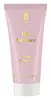
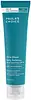
BYBI Day Defence Moisturiser with SPF 30 Versus Paula's Choice Skin Balancing Ultra-Sheer Daily Defense Broad Spectrum SPF 30
This barrier-repair day moisturizer is formulated around Aloe Barbadensis Leaf Juice Powder and Tocopherol to strengthen the skin barrier and hydrate skin.
This oil-control day moisturizer is formulated around Aluminum Starch Octenylsuccinate and Camellia Sinensis Leaf Extract to balance excess oil and soften the look of wrinkles.


What's inside
What's inside
 Key Ingredients
Benefits
Concerns
Ingredients Side-by-side
Water
Skin ConditioningZinc Oxide
Cosmetic Colorant


Dicaprylyl Carbonate
EmollientCaprylic/Capric Triglyceride
Masking


C8-12 Acid Triglyceride
Skin ConditioningCetearyl Olivate


Glycerin
Humectant
Mauritia Flexuosa Fruit Oil
Skin Conditioning


Shea Butter Ethyl Esters
Emollient
Sorbitan Olivate
Emulsifying
Polyhydroxystearic Acid
Emulsifying
Inulin Lauryl Carbamate
Emulsion StabilisingAloe Barbadensis Leaf Juice Powder
Skin Conditioning

Lactic Acid
Buffering






Tocopherol
Antioxidant

Lysolecithin
EmulsifyingSclerotium Gum
Emulsion StabilisingPhytic Acid
Chelating
Propanediol
Solvent
Pullulan
Xanthan Gum
EmulsifyingCitric Acid
Buffering
Tartaric Acid
Buffering
Gluconic Acid
Chelating
Silica
Abrasive
Water, Zinc Oxide, Dicaprylyl Carbonate, Caprylic/Capric Triglyceride, C8-12 Acid Triglyceride, Cetearyl Olivate, Glycerin, Mauritia Flexuosa Fruit Oil, Shea Butter Ethyl Esters, Sorbitan Olivate, Polyhydroxystearic Acid, Inulin Lauryl Carbamate, Aloe Barbadensis Leaf Juice Powder, Lactic Acid, Tocopherol, Lysolecithin, Sclerotium Gum, Phytic Acid, Propanediol, Pullulan, Xanthan Gum, Citric Acid, Tartaric Acid, Gluconic Acid, Silica
Water
Skin ConditioningHomosalate
Skin Conditioning
Butylene Glycol
Humectant
Benzophenone-3
UV Absorber
Butyl Methoxydibenzoylmethane
UV Absorber
Silica
Abrasive
Octocrylene
UV Absorber
Aluminum Starch Octenylsuccinate
Absorbent
Cetyl Dimethicone
Emollient
Camellia Sinensis Leaf Extract
Antimicrobial
Aloe Barbadensis Leaf Juice Powder
Skin Conditioning
Ascorbyl Palmitate
Antioxidant
Phospholipids
Skin Conditioning
Superoxide Dismutase
Antioxidant
Adenosine
Skin Conditioning
Tocopherol
Antioxidant
Bisabolol
Antioxidant
Boerhavia Diffusa Root Extract
Skin Protecting
Avena Sativa Kernel Extract
Abrasive
Panthenol
Skin Conditioning
Ginkgo Biloba Leaf Extract
Skin Conditioning
Salix Alba Bark Extract
Astringent
Acrylates/C10-30 Alkyl Acrylate Crosspolymer
Emulsion StabilisingTitanium Dioxide
Cosmetic Colorant
Sodium Hydroxide
BufferingSteareth-21
CleansingSteareth-2
EmulsifyingPolysorbate 20
Emulsifying
Disodium EDTA
ChelatingPhenoxyethanol
Preservative
Sorbic Acid
Preservative
Water, Homosalate, Butylene Glycol, Benzophenone-3, Butyl Methoxydibenzoylmethane, Silica, Octocrylene, Aluminum Starch Octenylsuccinate, Cetyl Dimethicone, Camellia Sinensis Leaf Extract, Aloe Barbadensis Leaf Juice Powder, Ascorbyl Palmitate, Phospholipids, Superoxide Dismutase, Adenosine, Tocopherol, Bisabolol, Boerhavia Diffusa Root Extract, Avena Sativa Kernel Extract, Panthenol, Ginkgo Biloba Leaf Extract, Salix Alba Bark Extract, Acrylates/C10-30 Alkyl Acrylate Crosspolymer, Titanium Dioxide, Sodium Hydroxide, Steareth-21, Steareth-2, Polysorbate 20, Disodium EDTA, Phenoxyethanol, Sorbic Acid
Ingredients Explained
These ingredients are found in both products.
Ingredients higher up in an ingredient list are typically present in a larger amount.
Aloe Barbadensis Leaf Juice Powder comes from the aloe plant.
You may know Aloe to be a good sunburn reliever and inflammation reducer. This is because it contains many components that are known to help reduce irritation and itchiness.
Aloe leaves are also great moisturizers. They are naturally rich in polysaccharides, a carbohydrate made of sugars. Polysaccharides are able to mimic the carbs found in the top layer of your skin. This can help keep your skin hydrated.
Aloe contains the antioxidants Vitamins A, C, and E. These vitamins neutralize free radicals. Free-radicals are molecules that may damage your skin cells, such as pollution.
Aloe does not protect against UV rays, despite it soothing sunburns.
Learn more about Aloe Barbadensis Leaf Juice PowderSilica, also known as silicon dioxide, is a naturally occurring mineral. It is used as a fine, spherical, and porous powder in cosmetics.
Though it has exfoliant properties, the function of silica varies depending on the product.
The unique structure of silica enhances the spreadability and adds smoothness, making it a great texture enhancer.
It is also used as an active carrier, emulsifier, and mattifier due to its ability to absorb excess oil.
In some products, tiny microneedles called spicules are made from silica or hydrolyzed sponge. When you rub them in, they lightly polish away dead skin layers and enhance the penetration of active ingredients.
Learn more about SilicaTocopherol is a fat-soluble antioxidant known as Vitamin E.
You'll find this ingredient in the vast majority of skincare (for good reason). It works to neutralize free radicals, or unstable molecules generated by UV exposure, pollution, and other environmental stressors, before they can cause oxidative damage to your skin cells.
Topically applied tocopherol has been shown to protect against UV damage by ramping up the skin's own natural defense enzymes.
It also acts as a skin conditioning agent; some studies show that regular topical use can improve the skin's water-binding capacity over 2-4 weeks.
This ingredient is especially loved for being a team player. When combined with Vitamin C, the photoprotective effect of both ingredients roughly doubles and the combo also helps reduce UV-induced DNA damage.
This ingredient has some brightening potential but it's more of a prevention ingredient than spot-fader. Cell studies show it can slow down melanin production but it's worth noting that it's not the most powerful brightener out there.
In formulations, it also serves as a stabilizer that helps protect other oxidation-prone ingredients from degrading.
Concentrations usually range from 0.1-1% in most leave-on products.
Learn more about TocopherolWater. It's the most common cosmetic ingredient of all. You'll usually see it at the top of ingredient lists, meaning that it makes up the largest part of the product.
So why is it so popular? Water most often acts as a solvent - this means that it helps dissolve other ingredients into the formulation.
You'll also recognize water as that liquid we all need to stay alive. If you see this, drink a glass of water. Remember to stay hydrated!
Learn more about Water

