Paula's Choice Gentle Touch Makeup Remover Versus Paula's Choice Skin Balancing Ultra-Sheer Daily Defense Broad Spectrum SPF 30
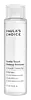
This micellar makeup remover is made to dissolve makeup, sunscreen, and daily buildup.
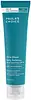
This oil-control day moisturizer is formulated around Aluminum Starch Octenylsuccinate and Camellia Sinensis Leaf Extract to balance excess oil and soften the look of wrinkles.

What's inside
What's inside
 Key Ingredients
Benefits
Concerns
Ingredients Side-by-side
Water
Skin ConditioningCyclotetrasiloxane
Emollient
Cyclopentasiloxane
Emollient
Isohexadecane
EmollientButylene Glycol
Humectant

Glycerin
Humectant
Aloe Barbadensis Leaf Juice
Skin Conditioning

Bisabolol
Antioxidant
Camellia Oleifera Leaf Extract
AstringentPoloxamer 184
EmulsifyingSodium Dehydroacetate
Preservative
Allantoin
Skin Conditioning
Glycyrrhetinic Acid
Skin Conditioning
Sodium Chloride
MaskingDisodium EDTA
ChelatingMethylparaben
Preservative


Benzalkonium Chloride
Antimicrobial

Benzyl Alcohol
Perfuming



Water, Cyclotetrasiloxane, Cyclopentasiloxane, Isohexadecane, Butylene Glycol, Glycerin, Aloe Barbadensis Leaf Juice, Bisabolol, Camellia Oleifera Leaf Extract, Poloxamer 184, Sodium Dehydroacetate, Allantoin, Glycyrrhetinic Acid, Sodium Chloride, Disodium EDTA, Methylparaben, Benzalkonium Chloride, Benzyl Alcohol
Water
Skin ConditioningHomosalate
Skin Conditioning
Butylene Glycol
Humectant
Benzophenone-3
UV Absorber
Butyl Methoxydibenzoylmethane
UV Absorber
Silica
Abrasive


Octocrylene
UV Absorber
Aluminum Starch Octenylsuccinate
Absorbent
Cetyl Dimethicone
Emollient
Camellia Sinensis Leaf Extract
Antimicrobial

Aloe Barbadensis Leaf Juice Powder
Skin Conditioning
Ascorbyl Palmitate
Antioxidant

Phospholipids
Skin Conditioning
Superoxide Dismutase
Antioxidant
Adenosine
Skin Conditioning
Tocopherol
Antioxidant

Bisabolol
Antioxidant
Boerhavia Diffusa Root Extract
Skin Protecting
Avena Sativa Kernel Extract
Abrasive
Panthenol
Skin Conditioning
Ginkgo Biloba Leaf Extract
Skin Conditioning
Salix Alba Bark Extract
Astringent
Acrylates/C10-30 Alkyl Acrylate Crosspolymer
Emulsion StabilisingTitanium Dioxide
Cosmetic Colorant
Sodium Hydroxide
BufferingSteareth-21
CleansingSteareth-2
EmulsifyingPolysorbate 20
Emulsifying
Disodium EDTA
ChelatingPhenoxyethanol
Preservative
Sorbic Acid
Preservative
Water, Homosalate, Butylene Glycol, Benzophenone-3, Butyl Methoxydibenzoylmethane, Silica, Octocrylene, Aluminum Starch Octenylsuccinate, Cetyl Dimethicone, Camellia Sinensis Leaf Extract, Aloe Barbadensis Leaf Juice Powder, Ascorbyl Palmitate, Phospholipids, Superoxide Dismutase, Adenosine, Tocopherol, Bisabolol, Boerhavia Diffusa Root Extract, Avena Sativa Kernel Extract, Panthenol, Ginkgo Biloba Leaf Extract, Salix Alba Bark Extract, Acrylates/C10-30 Alkyl Acrylate Crosspolymer, Titanium Dioxide, Sodium Hydroxide, Steareth-21, Steareth-2, Polysorbate 20, Disodium EDTA, Phenoxyethanol, Sorbic Acid
Reviews
Ingredients Explained
These ingredients are found in both products.
Ingredients higher up in an ingredient list are typically present in a larger amount.
Bisabolol is a gentle skin conditioner, antioxidant, and soothing ingredient.
It's primary claim to fame is soothing and research shows topically applied bisabolol can quiet the chemical messengers that cause your skin to become inflamed, helping to sooth any irritation.
A clinical study found that applying 0.5% bisabolol daily for 8 weeks produced an average 9% decrease in skin pigmentation. Researchers found it can also suppress the process that leads to excess melanin production in skin.
In vitro studies found that bisabolol combined with propylene glycol significantly increased skin permeability by increasing lipid fluidity in the stratum corneum.
You'll likely see use concentrations quite low, usually 0.1-0.2%.
Overall, this is a well-tolerated ingredient that works well in formulas designed for sensitive, reactive, or post-procedure skin.
Learn more about BisabololButylene Glycol (or BG) is used within cosmetic products for a few different reasons:
Overall, Butylene Glycol is a safe and well-rounded ingredient that works well with other ingredients.
Though this ingredient works well with most skin types, some people with sensitive skin may experience a reaction such as allergic rashes, closed comedones, or itchiness.
Learn more about Butylene GlycolDisodium EDTA is a chelating agent. It grabs onto and deactivates metal ions that sneak into your products from water, packaging, or air.
This ingredient mainly works behind the scenes and helps with:
On top of that, this ingredient can counteract the effects of hard water by binding to the minerals in it.
One thing worth knowing is that Disodium EDTA has been shown to be a mild penetration enhancer. It can help other ingredients absorb into skin more effectively which can be a double-edged sword (great for actives, but can also make the active too strong if you have sensitive skin).
Clinical patch testing showed no significant skin irritation at typical use concentrations and minimal dermal absorption.
You'll most likely see this ingredient near the end of an ingredient list. It's typically found in concentrations less than 1%.
Learn more about Disodium EDTAWater. It's the most common cosmetic ingredient of all. You'll usually see it at the top of ingredient lists, meaning that it makes up the largest part of the product.
So why is it so popular? Water most often acts as a solvent - this means that it helps dissolve other ingredients into the formulation.
You'll also recognize water as that liquid we all need to stay alive. If you see this, drink a glass of water. Remember to stay hydrated!
Learn more about Water

