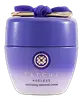
This anti-aging moisturizer is formulated around Squalane and Camellia Sinensis Leaf Extract to soften the look of wrinkles and hydrate skin.
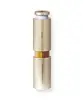
This anti-aging serum is formulated around Tranexamic Acid and Retinol to soften the look of wrinkles and fade the look of dark spots.


What's inside
What's inside
 Key Ingredients
Benefits
Concerns
Ingredients Side-by-side
Water
Skin ConditioningGlycerin
Humectant


Propanediol
Solvent
Xylitol
Humectant
Squalane
Emollient
Diisostearyl Malate
EmollientCyclopentasiloxane
Emollient
Myristyl Myristate
Emollient




Behenyl Alcohol
Emollient
Microcrystalline Wax
Emulsion StabilisingDipentaerythrityl Hexahydroxystearate
EmulsifyingCamellia Japonica Seed Oil
Emollient
Inositol
Humectant
Camellia Sinensis Leaf Extract
Antimicrobial





Paeonia Albiflora Root Extract
Skin ConditioningGardenia Jasminoides Fruit Extract
Cosmetic ColorantArtemisia Princeps Leaf Extract
Skin ConditioningChondrus Crispus Extract
Skin Conditioning
Malva Sylvestris Flower Extract
Skin ConditioningBeheneth-20
EmulsifyingSorbitan Tristearate
EmulsifyingDimethicone
Emollient
Ethylhexylglycerin
Skin ConditioningDimethicone/Vinyl Dimethicone Crosspolymer
Skin Conditioning
Parfum
Masking


Disodium EDTA
Silica
Abrasive
Sodium Hyaluronate
Humectant
Sodium Acrylate/Acryloyldimethyltaurate/Dimethylacrylamide Crosspolymer
Emulsion StabilisingAlcohol
Antimicrobial

Phenoxyethanol
Preservative
CI 77491
Cosmetic ColorantWater, Glycerin, Propanediol, Xylitol, Squalane, Diisostearyl Malate, Cyclopentasiloxane, Myristyl Myristate, Behenyl Alcohol, Microcrystalline Wax, Dipentaerythrityl Hexahydroxystearate, Camellia Japonica Seed Oil, Inositol, Camellia Sinensis Leaf Extract, Paeonia Albiflora Root Extract, Gardenia Jasminoides Fruit Extract, Artemisia Princeps Leaf Extract, Chondrus Crispus Extract, Malva Sylvestris Flower Extract, Beheneth-20, Sorbitan Tristearate, Dimethicone, Ethylhexylglycerin, Dimethicone/Vinyl Dimethicone Crosspolymer, Parfum, Disodium EDTA, Silica, Sodium Hyaluronate, Sodium Acrylate/Acryloyldimethyltaurate/Dimethylacrylamide Crosspolymer, Alcohol, Phenoxyethanol, CI 77491
Water
Skin ConditioningGlycerin
Humectant
Butylene Glycol
Humectant
Glyceryl Polymethacrylate
Dipropylene Glycol
Humectant1,2-Hexanediol
Skin Conditioning
Xylitol
Humectant
Polyacrylate Crosspolymer-6
Emulsion StabilisingLactobacillus Ferment
Skin Conditioning
Ammonium Acryloyldimethyltaurate/Vp Copolymer
Sodium Polyacryloyldimethyl Taurate
Emulsion StabilisingHaberlea Rhodopensis Leaf Extract
Skin ConditioningPropanediol
Solvent
Tranexamic Acid
Astringent

Dextrin
AbsorbentTheobroma Cacao Extract
Skin ConditioningDisodium EDTA
Ethylhexylglycerin
Skin ConditioningAdenosine
Skin Conditioning
Dipotassium Glycyrrhizate
Humectant
Bioflavonoids
Skin ConditioningT-Butyl Alcohol
Perfuming
Ferulic Acid
Antimicrobial
Inonotus Obliquus Extract
Skin ConditioningTocopherol
Antioxidant
Dimethicone
Emollient
Polysilicone-11
PEG-10 Dimethicone
Skin Conditioning
Pentaerythrityl Tetraethylhexanoate
Emollient
Dimethicone/Vinyl Dimethicone Crosspolymer
Skin Conditioning
Vinyl Dimethicone/Methicone Silsesquioxane Crosspolymer
Dimethiconol
Emollient
Polysorbate 20
Emulsifying
Boron Nitride
Absorbent
Sclerotium Gum
Emulsion StabilisingAmmonium Acryloyldimethyltaurate/Beheneth-25 Methacrylate Crosspolymer
Emulsion StabilisingGlyceryl Caprylate
EmollientCaprylyl Glycol
Emollient
Hydrolyzed Collagen
Emollient
Acetyl Tetrapeptide-2
Skin Conditioning
Diphenyl Dimethicone
Emollient
Diphenylsiloxy Phenyl Trimethicone
Skin Conditioning
Glycine Soja Oil
Emollient
Gellan Gum
Helianthus Annuus Seed Oil
Emollient
Xanthan Gum
EmulsifyingParfum
Masking
Sodium Chloride
MaskingDaucus Carota Sativa Root Extract
Skin Conditioning
Silica Dimethyl Silylate
EmollientMagnesium Sulfate
Retinol
Skin Conditioning


Gold
Cosmetic ColorantAscorbyl Tetraisopalmitate
Antioxidant
BHT
Antioxidant
Beta-Carotene
Skin ConditioningCeramide NP
Skin Conditioning
Water, Glycerin, Butylene Glycol, Glyceryl Polymethacrylate, Dipropylene Glycol, 1,2-Hexanediol, Xylitol, Polyacrylate Crosspolymer-6, Lactobacillus Ferment, Ammonium Acryloyldimethyltaurate/Vp Copolymer, Sodium Polyacryloyldimethyl Taurate, Haberlea Rhodopensis Leaf Extract, Propanediol, Tranexamic Acid, Dextrin, Theobroma Cacao Extract, Disodium EDTA, Ethylhexylglycerin, Adenosine, Dipotassium Glycyrrhizate, Bioflavonoids, T-Butyl Alcohol, Ferulic Acid, Inonotus Obliquus Extract, Tocopherol, Dimethicone, Polysilicone-11, PEG-10 Dimethicone, Pentaerythrityl Tetraethylhexanoate, Dimethicone/Vinyl Dimethicone Crosspolymer, Vinyl Dimethicone/Methicone Silsesquioxane Crosspolymer, Dimethiconol, Polysorbate 20, Boron Nitride, Sclerotium Gum, Ammonium Acryloyldimethyltaurate/Beheneth-25 Methacrylate Crosspolymer, Glyceryl Caprylate, Caprylyl Glycol, Hydrolyzed Collagen, Acetyl Tetrapeptide-2, Diphenyl Dimethicone, Diphenylsiloxy Phenyl Trimethicone, Glycine Soja Oil, Gellan Gum, Helianthus Annuus Seed Oil, Xanthan Gum, Parfum, Sodium Chloride, Daucus Carota Sativa Root Extract, Silica Dimethyl Silylate, Magnesium Sulfate, Retinol, Gold, Ascorbyl Tetraisopalmitate, BHT, Beta-Carotene, Ceramide NP
Reviews
Ingredients Explained
These ingredients are found in both products.
Ingredients higher up in an ingredient list are typically present in a larger amount.
Dimethicone is a type of synthetic silicone created from natural materials such as quartz. It is also known as polydimethylsiloxane.
What it does:
Dimethicone comes in different viscosities:
Depending on the viscosity, dimethicone has different properties.
Ingredients lists don't always show which type is used, so we recommend reaching out to the brand if you have questions about the viscosity.
This ingredient is unlikely to cause irritation because it does not get absorbed into skin. However, people with silicone allergies should be careful about using this ingredient.
Note: Dimethicone may contribute to pilling. This is because it is not oil or water soluble, so pilling may occur when layered with products. When mixed with heavy oils in a formula, the outcome is also quite greasy.
Learn more about DimethiconeThis ingredient is a silicone elastomer that works as a texture enhancer, adds a silky slip, and also helps absorb excess oil.
Because it's a large macromolecule that's insoluble in water and chemically inert, it's not expected to penetrate or be absorbed into skin.
Human patch tests with a facial lotion containing 1% of this ingredient found no sensitization.
Learn more about Dimethicone/Vinyl Dimethicone CrosspolymerDisodium EDTA is a chelating agent. It grabs onto and deactivates metal ions that sneak into your products from water, packaging, or air.
This ingredient mainly works behind the scenes and helps with:
On top of that, this ingredient can counteract the effects of hard water by binding to the minerals in it.
One thing worth knowing is that Disodium EDTA has been shown to be a mild penetration enhancer. It can help other ingredients absorb into skin more effectively which can be a double-edged sword (great for actives, but can also make the active too strong if you have sensitive skin).
Clinical patch testing showed no significant skin irritation at typical use concentrations and minimal dermal absorption.
You'll most likely see this ingredient near the end of an ingredient list. It's typically found in concentrations less than 1%.
Learn more about Disodium EDTAEthylhexylglycerin is created from glycerin. It is a multitasker ingredient that:
The CIR Expert Panel found minimal skin absorption or sensitization of any kind in a safety assessment. Though this ingredient is considered well-tolerated, a small number of cases of allergic dermatitis have been published since 2002. Just be sure to patch test if you are unsure.
Industry-reported use ranges from 8% in rinse-off products and 2% in leave-on formulations.
Learn more about EthylhexylglycerinGlycerin (or glycerol) is a compound naturally found in your skin. It's a powerhouse humectant that pulls water into the stratum corneum.
Topically, glycerin does several things at once:
Your skin makes glycerin on its own (mostly from sebaceous oil breakdown) and shuttles it to your outermost layer of skin, or your epidermis, via aquaporin-3.
Aquaporin-3 is a transporter that is essential for normal skin hydration, elasticity, and repair. Interestingly, mice lacking in AQP3 have dry and less elastic skin that can be fully corrected with glycerin.
This ingredient is non-irritating, plays well with almost every ingredient, and works across all skin types. Typical use is anywhere between 3-10% but can go up to 79% in some leave-on products.
Just know very high concentrations (>40%) can feel tacky in low humidity.
Glycerin is the name for this ingredient in American English. British English uses Glycerol/Glycerine.
Learn more about GlycerinParfum is a catch-all term for an ingredient or more that is used to give a scent to products.
Also called "fragrance", this ingredient can be a blend of hundreds of chemicals or plant oils. This means every product with "fragrance" or "parfum" in the ingredients list is a different mixture.
For instance, Habanolide is a proprietary trade name for a specific aroma chemical. When used as a fragrance ingredient in cosmetics, most aroma chemicals fall under the broad labeling category of “FRAGRANCE” or “PARFUM” according to EU and US regulations.
The term 'parfum' or 'fragrance' is not regulated in many countries. In many cases, it is up to the brand to define this term.
For instance, many brands choose to label themselves as "fragrance-free" because they are not using synthetic fragrances. However, their products may still contain ingredients such as essential oils that are considered a fragrance by INCI standards.
One example is Calendula flower extract. Calendula is an essential oil that still imparts a scent or 'fragrance'.
Depending on the blend, the ingredients in the mixture can cause allergies and sensitivities on the skin. Some ingredients that are known EU allergens include linalool and citronellol.
Parfum can also be used to mask or cover an unpleasant scent.
The bottom line is: not all fragrances/parfum/ingredients are created equally. If you are worried about fragrances, we recommend taking a closer look at an ingredient. And of course, we always recommend speaking with a professional.
Learn more about ParfumPropanediol is an all-star ingredient. It softens, hydrates, and smooths the skin.
It’s often used to:
Propanediol is not likely to cause sensitivity and considered safe to use. It is derived from corn or petroleum with a clear color and no scent.
Learn more about PropanediolWater. It's the most common cosmetic ingredient of all. You'll usually see it at the top of ingredient lists, meaning that it makes up the largest part of the product.
So why is it so popular? Water most often acts as a solvent - this means that it helps dissolve other ingredients into the formulation.
You'll also recognize water as that liquid we all need to stay alive. If you see this, drink a glass of water. Remember to stay hydrated!
Learn more about WaterXylitol is a humectant and prebiotic. It can help with dry skin.
In studies, xylitol has been shown to improve dry skin. It decreased transepidermal water loss, or when water passes through the skin and evaporates. Xylitol also showed to help improve the biomechanical properties of the skin barrier.
The prebiotic property of xylitol may also help reinforce our skin's natural microbiome. Having a healthy microbiome prevents infection by bad bacteria and helps with hydration.
As a humectant, Xylitol helps draw moisture from both the air and from deeper skin layers. This helps keep skin hydrated.
Xylitol is a sugar alcohol and commonly used as a sugar substitute. It is naturally occurring in plants such as strawberries and pumpkin.
Learn more about Xylitol

