StriVectin Super-C Retinol Brighten & Correct Vitamin C Serum Versus Derma E Vitamin C Whipped Radiance Polish
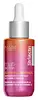
This brightening serum is formulated around Sodium Ascorbyl Phosphate and Ascorbic Acid to brighten dull-looking skin and soften the look of wrinkles.
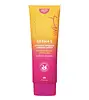
This smoothing exfoliator is formulated around Sodium Ascorbyl Phosphate to refine skin texture and brighten dull-looking skin.

What's inside
What's inside
 Key Ingredients
Benefits
Concerns
Ingredients Side-by-side
Water
Skin ConditioningSodium Ascorbyl Phosphate
Antioxidant







Glycereth-7 Triacetate
EmollientPentylene Glycol
Skin Conditioning
Polysorbate 20
Emulsifying

Dipropylene Glycol
HumectantGlycerin
Humectant
Dimethyl Isosorbide
SolventAscorbyl Glucoside
Antioxidant
Ascorbic Acid
Antioxidant
Malpighia Glabra Fruit Juice
Skin ConditioningRetinol
Skin Conditioning



Sodium Hyaluronate
Humectant
Myristyl Nicotinate
Skin ConditioningTamarindus Indica Seed Polysaccharide
Skin ConditioningOrobanche Rapum Extract
Skin ProtectingMalus Domestica Fruit Cell Culture Extract
Skin ConditioningCamellia Sinensis Leaf Extract
Antimicrobial
Xylitylglucoside
Humectant
Bacillus/Sea Salt Ferment Filtrate
Skin ConditioningHydroxymethoxyphenyl Decanone
Skin ConditioningAnhydroxylitol
Humectant
Adenosine
Skin Conditioning
Xylitol
Humectant
Glucose
Humectant
Ethylhexylglycerin
Skin ConditioningLecithin
Emollient
Xanthan Gum
EmulsifyingAcrylates/C10-30 Alkyl Acrylate Crosspolymer
Emulsion StabilisingPropanediol
Solvent
Maltodextrin
Absorbent
Rhizobian Gum
Mica
Cosmetic ColorantParfum
Masking


Limonene
Perfuming
Linalool
Perfuming
Geraniol
Perfuming
Citral
Perfuming
Citronellol
Perfuming
Benzyl Benzoate
Antimicrobial
Chlorphenesin
Antimicrobial
Phenoxyethanol
Preservative
BHT
Antioxidant
BHA
Antioxidant
Sodium Benzoate
Masking
Potassium Sorbate
Preservative
CI 77491
Cosmetic ColorantCI 77891
Cosmetic ColorantWater, Sodium Ascorbyl Phosphate, Glycereth-7 Triacetate, Pentylene Glycol, Polysorbate 20, Dipropylene Glycol, Glycerin, Dimethyl Isosorbide, Ascorbyl Glucoside, Ascorbic Acid, Malpighia Glabra Fruit Juice, Retinol, Sodium Hyaluronate, Myristyl Nicotinate, Tamarindus Indica Seed Polysaccharide, Orobanche Rapum Extract, Malus Domestica Fruit Cell Culture Extract, Camellia Sinensis Leaf Extract, Xylitylglucoside, Bacillus/Sea Salt Ferment Filtrate, Hydroxymethoxyphenyl Decanone, Anhydroxylitol, Adenosine, Xylitol, Glucose, Ethylhexylglycerin, Lecithin, Xanthan Gum, Acrylates/C10-30 Alkyl Acrylate Crosspolymer, Propanediol, Maltodextrin, Rhizobian Gum, Mica, Parfum, Limonene, Linalool, Geraniol, Citral, Citronellol, Benzyl Benzoate, Chlorphenesin, Phenoxyethanol, BHT, BHA, Sodium Benzoate, Potassium Sorbate, CI 77491, CI 77891
Water
Skin ConditioningAlumina
Abrasive
Stearyl Alcohol
Emollient
Stearic Acid
Cleansing
Glyceryl Stearate Citrate
Emollient
Glycerin
Humectant
Sodium Ascorbyl Phosphate
Antioxidant
Vitis Vinifera Seed Oil
Emollient
Prunus Amygdalus Dulcis Oil
Skin Conditioning
Simmondsia Chinensis Seed Oil
Emollient
Rubus Idaeus Seed Oil
Emollient
Hippophae Rhamnoides Fruit Oil
Skin Protecting
Citrus Aurantium Dulcis Peel Oil
Masking
Parfum
Masking
Withania Somnifera Root Extract
Skin Conditioning
Tocopheryl Acetate
Antioxidant
Potassium Sorbate
Preservative
Carrageenan
Kaolin
Abrasive
Potassium Cetyl Phosphate
EmulsifyingGlyceryl Stearate Se
Emulsifying
Sodium Hydroxide
BufferingPumice
Abrasive
Magnesium Oxide
AbsorbentSea Salt
Abrasive
Lactic Acid
Buffering
Calcium Aluminum Borosilicate
Silica
Abrasive
Titanium Dioxide
Cosmetic Colorant

Tin Oxide
Abrasive
Xanthan Gum
EmulsifyingEthylhexylglycerin
Skin ConditioningPhenoxyethanol
Preservative
Water, Alumina, Stearyl Alcohol, Stearic Acid, Glyceryl Stearate Citrate, Glycerin, Sodium Ascorbyl Phosphate, Vitis Vinifera Seed Oil, Prunus Amygdalus Dulcis Oil, Simmondsia Chinensis Seed Oil, Rubus Idaeus Seed Oil, Hippophae Rhamnoides Fruit Oil, Citrus Aurantium Dulcis Peel Oil, Parfum, Withania Somnifera Root Extract, Tocopheryl Acetate, Potassium Sorbate, Carrageenan, Kaolin, Potassium Cetyl Phosphate, Glyceryl Stearate Se, Sodium Hydroxide, Pumice, Magnesium Oxide, Sea Salt, Lactic Acid, Calcium Aluminum Borosilicate, Silica, Titanium Dioxide, Tin Oxide, Xanthan Gum, Ethylhexylglycerin, Phenoxyethanol
Ingredients Explained
These ingredients are found in both products.
Ingredients higher up in an ingredient list are typically present in a larger amount.
Ethylhexylglycerin is created from glycerin. It is a multitasker ingredient that:
The CIR Expert Panel found minimal skin absorption or sensitization of any kind in a safety assessment. Though this ingredient is considered well-tolerated, a small number of cases of allergic dermatitis have been published since 2002. Just be sure to patch test if you are unsure.
Industry-reported use ranges from 8% in rinse-off products and 2% in leave-on formulations.
Learn more about EthylhexylglycerinGlycerin (or glycerol) is a compound naturally found in your skin. It's a powerhouse humectant that pulls water into the stratum corneum.
Topically, glycerin does several things at once:
Your skin makes glycerin on its own (mostly from sebaceous oil breakdown) and shuttles it to your outermost layer of skin, or your epidermis, via aquaporin-3.
Aquaporin-3 is a transporter that is essential for normal skin hydration, elasticity, and repair. Interestingly, mice lacking in AQP3 have dry and less elastic skin that can be fully corrected with glycerin.
This ingredient is non-irritating, plays well with almost every ingredient, and works across all skin types. Typical use is anywhere between 3-10% but can go up to 79% in some leave-on products.
Just know very high concentrations (>40%) can feel tacky in low humidity.
Glycerin is the name for this ingredient in American English. British English uses Glycerol/Glycerine.
Learn more about GlycerinParfum is a catch-all term for an ingredient or more that is used to give a scent to products.
Also called "fragrance", this ingredient can be a blend of hundreds of chemicals or plant oils. This means every product with "fragrance" or "parfum" in the ingredients list is a different mixture.
For instance, Habanolide is a proprietary trade name for a specific aroma chemical. When used as a fragrance ingredient in cosmetics, most aroma chemicals fall under the broad labeling category of “FRAGRANCE” or “PARFUM” according to EU and US regulations.
The term 'parfum' or 'fragrance' is not regulated in many countries. In many cases, it is up to the brand to define this term.
For instance, many brands choose to label themselves as "fragrance-free" because they are not using synthetic fragrances. However, their products may still contain ingredients such as essential oils that are considered a fragrance by INCI standards.
One example is Calendula flower extract. Calendula is an essential oil that still imparts a scent or 'fragrance'.
Depending on the blend, the ingredients in the mixture can cause allergies and sensitivities on the skin. Some ingredients that are known EU allergens include linalool and citronellol.
Parfum can also be used to mask or cover an unpleasant scent.
The bottom line is: not all fragrances/parfum/ingredients are created equally. If you are worried about fragrances, we recommend taking a closer look at an ingredient. And of course, we always recommend speaking with a professional.
Learn more about ParfumPhenoxyethanol is one of the most widely used preservatives in skincare (and for good reason!).
It has a large spectrum of antimicrobial activity and especially effective bacteria, yeast, and mold while only having a weak effect on your skin's natural microbiome.
On a cellular level, it disrupts the cell membranes of microbes by poking holes that make the cell leak. This shuts down the chemical reactions the microbe needs to make energy so it can no longer survive.
Another perk of this ingredient is that it stays functional across a wide pH range (3-10).
You'll often see it paired with boosters like Ethylhexylglycerin; one study showed that a 1:9 ratio of Ethylhexylglycerin to Phenoxyethanol damages bacterial membranes as effectively as doubling the Phenoxyethanol concentration on its own.
Typical use concentrations range from 0.3-1% depending on the formula, and this ingredient is capped at 1% int the EU.
Safety-wise, the fear mongering does not hold up to the evidence. The EU's Scientific Committee on Consumer Safety and FDA consider it safe as a preservative at up to 1%, including for children of all ages.
Adverse systemic effects only showed up in animal studies at exposures roughly 200x higher than what people get from cosmetics. And despite its very widespread use, this ingredient is a rare sensitizer and allergic reactions are uncommon.
Learn more about PhenoxyethanolPotassium Sorbate is a preservative used to prevent yeast and mold in products. It is commonly found in both cosmetic and food products.
This ingredient comes from potassium salt derived from sorbic acid. Sorbic acid is a natural antibiotic and effective against fungus.
Both potassium sorbate and sorbic acid can be found in baked goods, cheeses, dried meats, dried fruit, ice cream, pickles, wine, yogurt, and more.
You'll often find this ingredient used with other preservatives.
Learn more about Potassium SorbateSodium Ascorbyl Phosphate (SAP) is a water-soluble form of Vitamin C. It is the salt of ascorbic acid.
This ingredient is commonly used in skincare because it's more formulation-stable while still offering the same benefits as pure ascorbic acid. Ascorbic acid is notorious for breaking down when exposed to sunlight and oxygen whereas SAP has been shown to be more stable.
Studies show SAP has anti-acne and antioxidant benefits. One study found 5% of SAP lotion to be an effective ingredient for treating acne vulgaris. This is because research shows that SAP may help control acne by reducing acne-causing bacteria and slowing the oxidation of skin oils caused by UV exposure.
In addition to acne, vitamin C is important for skin structure. Lab studies suggest SAP may support collagen production in skin cells, making it a great ingredient in anti-aging routines.
Vitamin C has many benefits: it helps reduce redness, improve skin texture, fade the appearance of dark spots, and brighten the skin.
Read more about other types of Vitamin C:
Learn more about Sodium Ascorbyl PhosphateWater. It's the most common cosmetic ingredient of all. You'll usually see it at the top of ingredient lists, meaning that it makes up the largest part of the product.
So why is it so popular? Water most often acts as a solvent - this means that it helps dissolve other ingredients into the formulation.
You'll also recognize water as that liquid we all need to stay alive. If you see this, drink a glass of water. Remember to stay hydrated!
Learn more about WaterXanthan gum is used as a stabilizer and thickener within cosmetic products. It helps give products a sticky, thick feeling - preventing them from being too runny.
On the technical side of things, xanthan gum is a polysaccharide - a combination consisting of multiple sugar molecules bonded together.
Xanthan gum is a pretty common and great ingredient. It is a natural, non-toxic, non-irritating ingredient that is also commonly used in food products.
Learn more about Xanthan Gum

