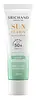
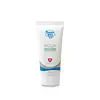
Srichand Sunlution Acne Care Sunscreen SPF 50+ PA++++ Versus Banana Boat Aqua UV Protection + Sunscreen Lotion SPF 50+
This hybrid sunscreen covers the full UV range and blocks ~98% of UVB at SPF 50.
This chemical sunscreen covers most of the UV range, lighter on the deep UVA that drives aging.


What's inside
What's inside
 Key Ingredients
Benefits
Concerns
Ingredients Side-by-side
Water
Skin ConditioningButyl Methoxydibenzoylmethane
UV Absorber
Ethylhexyl Salicylate
UV Absorber
Ethylhexyl Triazone
UV Absorber
Dibutyl Adipate
EmollientSilica
Abrasive


Butylene Glycol
Humectant

Neopentyl Glycol Diheptanoate
EmollientDiethylamino Hydroxybenzoyl Hexyl Benzoate
UV Filter
Cetearyl Alcohol
Emollient






Phenoxyethanol
Preservative
Glyceryl Stearate
Emollient
PEG-100 Stearate
Surfactant
Potassium Cetyl Phosphate
EmulsifyingBis-Ethylhexyloxyphenol Methoxyphenyl Triazine
UV Absorber
Dimethicone
Emollient

Chlorphenesin
Antimicrobial
Titanium Dioxide
Cosmetic Colorant
Acrylates/C10-30 Alkyl Acrylate Crosspolymer
Emulsion StabilisingCetearyl Glucoside
Emulsifying
Vp/Hexadecene Copolymer
Potassium Hydroxide
BufferingGluconolactone
Chelating




Tocopheryl Acetate
Antioxidant

Disodium EDTA
ChelatingEthylhexylglycerin
Skin ConditioningCarbomer
Emulsion StabilisingCocamidopropyl Dimethylamine
Emulsifying
Glycerin
Humectant
Sea Water
HumectantPropanediol
Solvent
Salicylic Acid
Masking


Sodium Lauroyl Lactylate
EmulsifyingBuddleja Officinalis Flower Extract
UV FilterPolysorbate 80
Emulsifying
Ceramide NP
Skin Conditioning


Ceramide AP
Skin Conditioning
Phytosphingosine
Skin Conditioning
Cholesterol
Emollient
Xanthan Gum
EmulsifyingAnthemis Nobilis Flower Extract
Masking
Ascorbic Acid
Antioxidant

Benzalkonium Chloride
Antimicrobial
Butyrospermum Parkii Butter
Skin Conditioning
Camellia Sinensis Leaf Extract
Antimicrobial
Cera Alba
Emollient
Fucus Vesiculosus Extract
Emollient
Isomerized Safflower Acid
Skin ConditioningKaolin
Abrasive
Maltodextrin
Absorbent
Palmitic Acid
Emollient
Palmitoyl Tripeptide-5
Skin Conditioning
Zinc Sulfate
Antimicrobial
Ceramide EOP
Skin Conditioning
Water, Butyl Methoxydibenzoylmethane, Ethylhexyl Salicylate, Ethylhexyl Triazone, Dibutyl Adipate, Silica, Butylene Glycol, Neopentyl Glycol Diheptanoate, Diethylamino Hydroxybenzoyl Hexyl Benzoate, Cetearyl Alcohol, Phenoxyethanol, Glyceryl Stearate, PEG-100 Stearate, Potassium Cetyl Phosphate, Bis-Ethylhexyloxyphenol Methoxyphenyl Triazine, Dimethicone, Chlorphenesin, Titanium Dioxide, Acrylates/C10-30 Alkyl Acrylate Crosspolymer, Cetearyl Glucoside, Vp/Hexadecene Copolymer, Potassium Hydroxide, Gluconolactone, Tocopheryl Acetate, Disodium EDTA, Ethylhexylglycerin, Carbomer, Cocamidopropyl Dimethylamine, Glycerin, Sea Water, Propanediol, Salicylic Acid, Sodium Lauroyl Lactylate, Buddleja Officinalis Flower Extract, Polysorbate 80, Ceramide NP, Ceramide AP, Phytosphingosine, Cholesterol, Xanthan Gum, Anthemis Nobilis Flower Extract, Ascorbic Acid, Benzalkonium Chloride, Butyrospermum Parkii Butter, Camellia Sinensis Leaf Extract, Cera Alba, Fucus Vesiculosus Extract, Isomerized Safflower Acid, Kaolin, Maltodextrin, Palmitic Acid, Palmitoyl Tripeptide-5, Zinc Sulfate, Ceramide EOP
Water
Skin ConditioningEthylhexyl Methoxycinnamate
UV Absorber
Butylene Glycol
Humectant
Diethylamino Hydroxybenzoyl Hexyl Benzoate
UV Filter
Silica
Abrasive
Ethylhexyl Palmitate
Emollient
Pentylene Glycol
Skin Conditioning
Polyglyceryl-10 Myristate
Skin Conditioning
Phenoxyethanol
Preservative
Carbomer
Emulsion StabilisingPotassium Hydroxide
BufferingParfum
Masking
Xanthan Gum
EmulsifyingTocopherol
Antioxidant
Benzyl Benzoate
Antimicrobial
Butylphenyl Methylpropional
Perfuming
Sodium Hyaluronate
Humectant
Water, Ethylhexyl Methoxycinnamate, Butylene Glycol, Diethylamino Hydroxybenzoyl Hexyl Benzoate, Silica, Ethylhexyl Palmitate, Pentylene Glycol, Polyglyceryl-10 Myristate, Phenoxyethanol, Carbomer, Potassium Hydroxide, Parfum, Xanthan Gum, Tocopherol, Benzyl Benzoate, Butylphenyl Methylpropional, Sodium Hyaluronate
Ingredients Explained
These ingredients are found in both products.
Ingredients higher up in an ingredient list are typically present in a larger amount.
Butylene Glycol (or BG) is used within cosmetic products for a few different reasons:
Overall, Butylene Glycol is a safe and well-rounded ingredient that works well with other ingredients.
Though this ingredient works well with most skin types, some people with sensitive skin may experience a reaction such as allergic rashes, closed comedones, or itchiness.
Learn more about Butylene GlycolCarbomer is a synthetic thickening and gelling agent. It's basically the ingredient that gives a lot of serums, gels, creams, and sunscreens their smooth, non-sticky texture.
Although legally permitted at very high levels, carbomers are normally used at concentrations below 1%.
It also needs to be neutralized to actually thicken, and because it is a large molecule, it doesn't really penetrate the skin barrier.
Allergy-wise, the risk is very low. Clinical studies show carbomers have low potential for skin irritation/sensitization even at concentrations up to 100%.
A 2024 UK study patch-tested 1,302 patients and found true allergy to the parent group of carbomer to be rare with no confirmed relevant reactions.
Learn more about CarbomerDiethylamino Hydroxybenzoyl Hexyl Benzoate (DHHB) is a chemical UV-A absorber. It is formulated for high UVA protection (320-400 nm).
DHHB is well-liked for:
DHHB has been approved by the EU, Japan, Taiwan, and South America for use up to 10%. Unfortunately, it has not been approved for use in the US or Canada due to slow regulatory processes.
This ingredient is soluble in oils, fats, and lipids.
Learn more about Diethylamino Hydroxybenzoyl Hexyl BenzoatePhenoxyethanol is one of the most widely used preservatives in skincare (and for good reason!).
It has a large spectrum of antimicrobial activity and especially effective bacteria, yeast, and mold while only having a weak effect on your skin's natural microbiome.
On a cellular level, it disrupts the cell membranes of microbes by poking holes that make the cell leak. This shuts down the chemical reactions the microbe needs to make energy so it can no longer survive.
Another perk of this ingredient is that it stays functional across a wide pH range (3-10).
You'll often see it paired with boosters like Ethylhexylglycerin; one study showed that a 1:9 ratio of Ethylhexylglycerin to Phenoxyethanol damages bacterial membranes as effectively as doubling the Phenoxyethanol concentration on its own.
Typical use concentrations range from 0.3-1% depending on the formula, and this ingredient is capped at 1% int the EU.
Safety-wise, the fear mongering does not hold up to the evidence. The EU's Scientific Committee on Consumer Safety and FDA consider it safe as a preservative at up to 1%, including for children of all ages.
Adverse systemic effects only showed up in animal studies at exposures roughly 200x higher than what people get from cosmetics. And despite its very widespread use, this ingredient is a rare sensitizer and allergic reactions are uncommon.
Learn more about PhenoxyethanolPotassium Hydroxide (also known as potash) is a strong alkaline ingredient that does one job: it nudges a product's pH up so the whole formula lands in a skin-friendly range.
It's also the base that turns oils into liquid soap during the soap making process.
An expert safety panel reviewed it and found it safe when formulations are made to be non-irritating.
As a pH adjuster, it's typically used well under 1% though regulatory caps go much higher: 5% in nail cuticle removers and 2-4.5% in hair straighteners.
Though there is some concern for irritation from raw or high pH material, a well-balanced formula will be a non-issue for the vast majority of people.
Learn more about Potassium HydroxideSilica, also known as silicon dioxide, is a naturally occurring mineral. It is used as a fine, spherical, and porous powder in cosmetics.
Though it has exfoliant properties, the function of silica varies depending on the product.
The unique structure of silica enhances the spreadability and adds smoothness, making it a great texture enhancer.
It is also used as an active carrier, emulsifier, and mattifier due to its ability to absorb excess oil.
In some products, tiny microneedles called spicules are made from silica or hydrolyzed sponge. When you rub them in, they lightly polish away dead skin layers and enhance the penetration of active ingredients.
Learn more about SilicaWater. It's the most common cosmetic ingredient of all. You'll usually see it at the top of ingredient lists, meaning that it makes up the largest part of the product.
So why is it so popular? Water most often acts as a solvent - this means that it helps dissolve other ingredients into the formulation.
You'll also recognize water as that liquid we all need to stay alive. If you see this, drink a glass of water. Remember to stay hydrated!
Learn more about WaterXanthan gum is used as a stabilizer and thickener within cosmetic products. It helps give products a sticky, thick feeling - preventing them from being too runny.
On the technical side of things, xanthan gum is a polysaccharide - a combination consisting of multiple sugar molecules bonded together.
Xanthan gum is a pretty common and great ingredient. It is a natural, non-toxic, non-irritating ingredient that is also commonly used in food products.
Learn more about Xanthan Gum

