

What's inside
What's inside
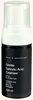 Key Ingredients
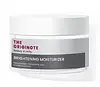
Benefits
Concerns
Ingredients Side-by-side
Camellia Sinensis Leaf Water
Masking
Potassium Cocoyl Glycinate
Glycerin
Humectant



C12-14 Pareth-12
EmulsifyingPEG-60 Hydrogenated Castor Oil
Emulsifying

Ethylhexylglycerin
Skin ConditioningCitric Acid
Buffering




Salicylic Acid
Masking




Zinc PCA
Humectant

Trehalose
Humectant
Allantoin
Skin Conditioning
Portulaca Oleracea Extract
Skin Conditioning
Aloe Barbadensis Leaf Extract
Emollient
Cocos Nucifera Fruit Extract
EmollientSodium PCA
Humectant
Niacinamide
Smoothing


Sorbitol
Humectant
Sodium Hyaluronate
Humectant
Pentylene Glycol
Skin ConditioningSaccharide Isomerate
Humectant
Disodium EDTA
Camellia Sinensis Leaf Water, Potassium Cocoyl Glycinate, Glycerin, C12-14 Pareth-12, PEG-60 Hydrogenated Castor Oil, Ethylhexylglycerin, Citric Acid, Salicylic Acid, Zinc PCA, Trehalose, Allantoin, Portulaca Oleracea Extract, Aloe Barbadensis Leaf Extract, Cocos Nucifera Fruit Extract, Sodium PCA, Niacinamide, Sorbitol, Sodium Hyaluronate, Pentylene Glycol, Saccharide Isomerate, Disodium EDTA
Water
Skin ConditioningGlycerin
Humectant
Butylene Glycol
Humectant
Aloe Barbadensis Leaf Water
MaskingNiacinamide
Smoothing
Glycosyl Trehalose
Emulsion StabilisingHydrogenated Starch Hydrolysate
HumectantHydroxyacetophenone
Antioxidant
1,2-Hexanediol
Skin Conditioning
Cetearyl Alcohol
Emollient


Bellis Perennis Flower Extract
Skin ConditioningDiglycerin
Humectant
PEG/PPG-17/6 Copolymer
SolventTranexamic Acid
Astringent
Acrylates/C10-30 Alkyl Acrylate Crosspolymer
Emulsion StabilisingCetearyl Glucoside
EmulsifyingArginine
Masking
Ammonium Acryloyldimethyltaurate/Vp Copolymer
Sorbitan Olivate
Emulsifying
Alpha-Arbutin
Antioxidant
Allantoin
Skin Conditioning
Glyceryl Glucoside
Humectant
Glycyrrhiza Uralensis Root Extract
Skin Conditioning
Portulaca Oleracea Flower/Leaf/Stem Extract
Antioxidant
Paeonia Suffruticosa Root Extract
Skin ProtectingPaeonia Lactiflora Extract
AstringentPolysorbate 80
Emulsifying
Glucose
Humectant
Sorbitan Oleate
Emulsifying
Caprylic/Capric Triglyceride
Masking
Camellia Sinensis Extract
Antioxidant
Fragaria Ananassa Fruit Extract
Skin Conditioning
Phenylethyl Resorcinol
Antioxidant
Phenoxyethanol
Preservative
Phospholipids
Skin Conditioning
Ananas Sativus Fruit Extract
Skin ConditioningPotassium Sorbate
Preservative
Sodium Benzoate
Masking
Carica Papaya Fruit Extract
Skin ConditioningCeramide NP
Skin Conditioning
Ceramide EOP
Skin Conditioning
Ceramide As
Skin Conditioning
Ceramide AP
Skin Conditioning
Ceramide Ns
Skin Conditioning
Ethylhexylglycerin
Skin ConditioningTocopheryl Acetate
Antioxidant
Water, Glycerin, Butylene Glycol, Aloe Barbadensis Leaf Water, Niacinamide, Glycosyl Trehalose, Hydrogenated Starch Hydrolysate, Hydroxyacetophenone, 1,2-Hexanediol, Cetearyl Alcohol, Bellis Perennis Flower Extract, Diglycerin, PEG/PPG-17/6 Copolymer, Tranexamic Acid, Acrylates/C10-30 Alkyl Acrylate Crosspolymer, Cetearyl Glucoside, Arginine, Ammonium Acryloyldimethyltaurate/Vp Copolymer, Sorbitan Olivate, Alpha-Arbutin, Allantoin, Glyceryl Glucoside, Glycyrrhiza Uralensis Root Extract, Portulaca Oleracea Flower/Leaf/Stem Extract, Paeonia Suffruticosa Root Extract, Paeonia Lactiflora Extract, Polysorbate 80, Glucose, Sorbitan Oleate, Caprylic/Capric Triglyceride, Camellia Sinensis Extract, Fragaria Ananassa Fruit Extract, Phenylethyl Resorcinol, Phenoxyethanol, Phospholipids, Ananas Sativus Fruit Extract, Potassium Sorbate, Sodium Benzoate, Carica Papaya Fruit Extract, Ceramide NP, Ceramide EOP, Ceramide As, Ceramide AP, Ceramide Ns, Ethylhexylglycerin, Tocopheryl Acetate
Reviews
Ingredients Explained
These ingredients are found in both products.
Ingredients higher up in an ingredient list are typically present in a larger amount.
Allantoin is a soothing ingredient known for its protective and moisturizingg properties. Because of this, it is often added to products with strong active ingredients.
Studies show higher concentrations of this ingredient can promote wound healing.
Though it can be derived from the comfrey plant, allantoin is produced synthetically for cosmetic products to ensure purity.
Learn more about AllantoinEthylhexylglycerin (we can't pronounce this either) is commonly used as a preservative and skin softener. It is derived from glyceryl.
You might see Ethylhexylglycerin often paired with other preservatives such as phenoxyethanol. Ethylhexylglycerin has been found to increase the effectiveness of these other preservatives.
Glycerin is already naturally found in your skin. It helps moisturize and protect your skin.
A study from 2016 found glycerin to be more effective as a humectant than AHAs and hyaluronic acid.
As a humectant, it helps the skin stay hydrated by pulling moisture to your skin. The low molecular weight of glycerin allows it to pull moisture into the deeper layers of your skin.
Hydrated skin improves your skin barrier; Your skin barrier helps protect against irritants and bacteria.
Glycerin has also been found to have antimicrobial and antiviral properties. Due to these properties, glycerin is often used in wound and burn treatments.
In cosmetics, glycerin is usually derived from plants such as soybean or palm. However, it can also be sourced from animals, such as tallow or animal fat.
This ingredient is organic, colorless, odorless, and non-toxic.
Glycerin is the name for this ingredient in American English. British English uses Glycerol/Glycerine.
Learn more about GlycerinNiacinamide is a multitasking form of vitamin B3 that strengthens the skin barrier, reduces pores and dark spots, regulates oil, and improves signs of aging.
And the best part? It's gentle and well-tolerated by most skin types, including sensitive and reactive skin.
You might have heard of "niacin flush", or the reddening of skin that causes itchiness. Niacinamide has not been found to cause this.
In very rare cases, some individuals may not be able to tolerate niacinamide at all or experience an allergic reaction to it.
If you are experiencing flaking, irritation, and dryness with this ingredient, be sure to double check all your products as this ingredient can be found in all categories of skincare.
When incorporating niacinamide into your routine, look out for concentration amounts. Typically, 5% niacinamide provides benefits such as fading dark spots. However, if you have sensitive skin, it is better to begin with a smaller concentration.
When you apply niacinamide to your skin, your body converts it into nicotinamide adenine dinucleotide (NAD). NAD is an essential coenzyme that is already found in your cells as "fuel" and powers countless biological processes.
In your skin, NAD helps repair cell damage, produce new healthy cells, support collagen production, strengthen the skin barrier, and fight environmental stressors (like UV and pollution).
Our natural NAD levels start to decline with age, leading to slower skin repair, visible aging, and a weaker skin barrier. By providing your skin niacinamide, you're recharging your skin's NAD levels. This leads to stronger, healthier, and younger looking skin.
Another name for vitamin B3 is nicotinamide. This vitamin is water-soluble and our bodies don't store it. We obtain Vitamin B3 from either food or skincare. Meat, fish, wheat, yeast, and leafy greens contain vitamin B3.
The type of niacinamide used in skincare is synthetically created.
Learn more about Niacinamide
