Solawave Solabiome Nourishing Moisturizer Versus Skinmade Antioxidants + Prebiotic Oats Barrier Repair Moisturiser
This barrier-repair moisturizer is formulated around Lactobacillus Ferment Lysate and Panthenol to strengthen the skin barrier and hydrate skin.
This barrier-repair moisturizer is formulated around Avena Sativa Kernel Flour and Panthenol to strengthen the skin barrier and calm redness.


What's inside
What's inside
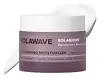 Key Ingredients
Benefits
Concerns
Ingredients Side-by-side
Water
Skin ConditioningLactobacillus Ferment Lysate
Skin Conditioning
Panthenol
Skin Conditioning



Hydrogenated Poly(C6-14 Olefin)
EmollientButylene Glycol
Humectant
Glycerin
Humectant
Cetearyl Alcohol
Emollient






1,2-Hexanediol
Skin Conditioning
Caprylic/Capric Triglyceride
Masking
Vinyldimethicone

Beta-Glucan
Skin Conditioning
Sparassis Crispa Extract
Emulsion StabilisingSodium Hyaluronate
Humectant

Hydrolyzed Hyaluronic Acid
Humectant
Hyaluronic Acid
Humectant
Palmitoyl Pentapeptide-4
Skin Conditioning

Polyglutamic Acid
Skin Conditioning
Cetearyl Olivate
Ammonium Acryloyldimethyltaurate/Vp Copolymer
Sorbitan Olivate
Emulsifying
Propanediol
Solvent
Arginine
Masking
Carbomer
Emulsion StabilisingAllantoin
Skin Conditioning
Ethylhexylglycerin
Skin ConditioningTocopherol
Antioxidant



Caprylyl Glycol
Emollient
Water, Lactobacillus Ferment Lysate, Panthenol, Hydrogenated Poly(C6-14 Olefin), Butylene Glycol, Glycerin, Cetearyl Alcohol, 1,2-Hexanediol, Caprylic/Capric Triglyceride, Vinyldimethicone, Beta-Glucan, Sparassis Crispa Extract, Sodium Hyaluronate, Hydrolyzed Hyaluronic Acid, Hyaluronic Acid, Palmitoyl Pentapeptide-4, Polyglutamic Acid, Cetearyl Olivate, Ammonium Acryloyldimethyltaurate/Vp Copolymer, Sorbitan Olivate, Propanediol, Arginine, Carbomer, Allantoin, Ethylhexylglycerin, Tocopherol, Caprylyl Glycol
Oryza Sativa Bran Water
Masking
Glycerin
Humectant
Avena Sativa Kernel Flour
Abrasive
Cyclopentasiloxane
Emollient
Panthenol
Skin Conditioning
Saccharide Isomerate
Humectant
Xylitol
Humectant
Rhamnose
HumectantSodium PCA
Humectant
Glycyrrhiza Glabra Root Extract
Bleaching
Opuntia Ficus-Indica Seed Oil
Emollient
Oryza Sativa Bran Extract
Skin Conditioning
Curcuma Longa Root Extract
Antioxidant
Niacinamide
Smoothing



Sodium Hyaluronate
Humectant
Urea
Buffering
Avena Sativa Kernel Extract
Abrasive
Alpha-Glucan Oligosaccharide
Cleansing
Houttuynia Cordata Extract
Skin Conditioning
Centella Asiatica Extract
Cleansing
Bifida Ferment Lysate
Skin Conditioning
Lactobacillus/Algae Extract Ferment
Skin ProtectingSilybum Marianum Extract
Skin Conditioning
Bisabolol
Antioxidant
Polyglutamic Acid
Skin Conditioning
Ceramide EOP
Skin Conditioning
Ceramide NP
Skin Conditioning
Camellia Sinensis Leaf Extract
Antimicrobial
Chondrus Crispus Extract
Skin Conditioning
Spiraea Ulmaria Extract
AstringentLactobacillus/Coconut Fruit Juice Ferment Filtrate
Skin Conditioning
Ubiquinone
Antioxidant
4-T-Butylcyclohexanol
Masking
Linoleic Acid
Cleansing
Linolenic Acid
Cleansing
Cholesterol
Emollient
Acetyl Hexapeptide-8
Humectant
Palmitoyl Tetrapeptide-7
Skin Conditioning
Palmitoyl Tripeptide-1
Skin Conditioning
Palmitoyl Tripeptide-5
Skin Conditioning
Phenoxyethanol
Preservative
Ethylhexylglycerin
Skin ConditioningPotassium PCA
Humectant
Magnesium PCA
Humectant
Calcium PCA
Humectant
Laminaria Ochroleuca Extract
Skin Conditioning
Allantoin
Skin Conditioning
Sodium Acetylated Hyaluronate
Humectant
Madecassoside
Antioxidant
Oryza Sativa Bran Water, Glycerin, Avena Sativa Kernel Flour, Cyclopentasiloxane, Panthenol, Saccharide Isomerate, Xylitol, Rhamnose, Sodium PCA, Glycyrrhiza Glabra Root Extract, Opuntia Ficus-Indica Seed Oil, Oryza Sativa Bran Extract, Curcuma Longa Root Extract, Niacinamide, Sodium Hyaluronate, Urea, Avena Sativa Kernel Extract, Alpha-Glucan Oligosaccharide, Houttuynia Cordata Extract, Centella Asiatica Extract, Bifida Ferment Lysate, Lactobacillus/Algae Extract Ferment, Silybum Marianum Extract, Bisabolol, Polyglutamic Acid, Ceramide EOP, Ceramide NP, Camellia Sinensis Leaf Extract, Chondrus Crispus Extract, Spiraea Ulmaria Extract, Lactobacillus/Coconut Fruit Juice Ferment Filtrate, Ubiquinone, 4-T-Butylcyclohexanol, Linoleic Acid, Linolenic Acid, Cholesterol, Acetyl Hexapeptide-8, Palmitoyl Tetrapeptide-7, Palmitoyl Tripeptide-1, Palmitoyl Tripeptide-5, Phenoxyethanol, Ethylhexylglycerin, Potassium PCA, Magnesium PCA, Calcium PCA, Laminaria Ochroleuca Extract, Allantoin, Sodium Acetylated Hyaluronate, Madecassoside
Ingredients Explained
These ingredients are found in both products.
Ingredients higher up in an ingredient list are typically present in a larger amount.
Allantoin is a soothing ingredient known for its protective and moisturizing properties; it's basically a quiet workhorse ingredient you can find in a huge range of cosmetics.
Though it can be derived from the comfrey plant, allantoin is produced synthetically for cosmetic products to ensure purity.
Research shows it can encourage your skin cells to turn over and renew by stimulating keratinocyte and fibroblast proliferation.
It also has mild keratolytic properties to help loosen and shed dead skin cells without being harsh.
Studies also suggest allantoin can help calm inflammation by dialing down some of the chemical signals your skin sends out when it is irritated.
This ingredient is typically used in the 0.1-0.5% range, and the FDA recognizes it as a skin protectant in OTC products up to 2%.
Overall, allantoin is a wonderful addition to most routines; it is stable across a wide pH range (~4-8), works well with other ingredients, and is considered non-sensitizing/non-irritating.
Fun fact: Allantoin is naturally occurring in comfrey root, beets, chamomile, and wheat sprouts. Our bodies even produce it as a byproduct of uric acid metabolism.
Learn more about AllantoinEthylhexylglycerin is created from glycerin. It is a multitasker ingredient that:
The CIR Expert Panel found minimal skin absorption or sensitization of any kind in a safety assessment. Though this ingredient is considered well-tolerated, a small number of cases of allergic dermatitis have been published since 2002. Just be sure to patch test if you are unsure.
Industry-reported use ranges from 8% in rinse-off products and 2% in leave-on formulations.
Learn more about EthylhexylglycerinGlycerin (or glycerol) is a compound naturally found in your skin. It's a powerhouse humectant that pulls water into the stratum corneum.
Topically, glycerin does several things at once:
Your skin makes glycerin on its own (mostly from sebaceous oil breakdown) and shuttles it to your outermost layer of skin, or your epidermis, via aquaporin-3.
Aquaporin-3 is a transporter that is essential for normal skin hydration, elasticity, and repair. Interestingly, mice lacking in AQP3 have dry and less elastic skin that can be fully corrected with glycerin.
This ingredient is non-irritating, plays well with almost every ingredient, and works across all skin types. Typical use is anywhere between 3-10% but can go up to 79% in some leave-on products.
Just know very high concentrations (>40%) can feel tacky in low humidity.
Glycerin is the name for this ingredient in American English. British English uses Glycerol/Glycerine.
Learn more about GlycerinPanthenol is a common ingredient that helps hydrate and soothe the skin. It is found naturally in our skin and hair.
There are two forms of panthenol: D and L.
D-panthenol is also known as dexpanthenol. Most cosmetics use dexpanthenol or a mixture of D and L-panthenol.
Panthenol is famous due to its ability to go deeper into the skin's layers. Using this ingredient has numerous pros (and no cons):
Like hyaluronic acid, panthenol is a humectant. Humectants are able to bind and hold large amounts of water to keep skin hydrated.
This ingredient works well for wound healing. It works by increasing tissue in the wound and helps close open wounds.
Once oxidized, panthenol converts to pantothenic acid. Panthothenic acid is found in all living cells.
This ingredient is also referred to as pro-vitamin B5.
Learn more about PanthenolPolyglutamic Acid is made up many glutamic acids chained together. It is created from bacterial fermentation.
This ingredient is an effective skin hydrator and may help speed up wound healing. As a humectant, it draws and holds water to the skin. This ingredient is often compared to hyaluronic acid or glycerin. Similarly to hyaluronic acid, it can vary in molecular weights. This means polyglutamic acid is capable of bringing hydration to lower levels of the skin.
Fun fact: Polyglutamic Acid is found in the Japanese food, natto. It is also being used in cancer treatment studies.
Learn more about Polyglutamic AcidSodium Hyaluronate is the salt form of hyaluronic acid. It is a long sugar chain that is naturally found in your skin, joints, and connective tissue that maintains hydration and elasticity.
In skincare, it works as a humectant. It pulls water from the environment and deeper layers of skin and binds it to the surface.
Interestingly, the size of the molecule affects its behavior:
Some clinical evidence links low molecular weight versions to improved wrinkle depth, elasticity, anti-inflammatory effects, and barrier repair.
Many serums use a blend of both weights so you can get surface hydration plus longer-lasting and deeper effects.
You'll typically see concentrations between 0.1-2% for this ingredient.
Learn more about Sodium Hyaluronate

