SNP Salironic Toner Versus SNP Salironic Cream
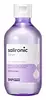
This acne toner is formulated around Houttuynia Cordata Extract and Betaine Salicylate to clear breakouts and calm redness.
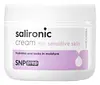
This acne moisturizer is formulated around Houttuynia Cordata Extract and Gluconolactone to clear breakouts.

What's inside
What's inside
 Key Ingredients
Benefits
Concerns
Ingredients Side-by-side
Water
Skin ConditioningMethylpropanediol
SolventGlycerin
Humectant


Ceramide AP
Skin Conditioning



1,2-Hexanediol
Skin Conditioning
Houttuynia Cordata Extract
Skin Conditioning
Betaine
Humectant
Hydroxyethylcellulose
Emulsion StabilisingEthylhexylglycerin
Skin ConditioningPolyglyceryl-10 Laurate
Skin Conditioning

Carbomer
Emulsion StabilisingAllantoin
Skin Conditioning
Disodium EDTA
ChelatingTromethamine
BufferingVitis Vinifera Fruit Extract
Skin ConditioningAnthemis Nobilis Flower Extract
Masking
Citric Acid
Buffering

Squalene
Emollient
Butylene Glycol
Humectant
Betaine Salicylate
Antimicrobial




Gluconolactone
Chelating

Diospyros Kaki Leaf Extract
Skin Protecting
Polygonum Cuspidatum Root Extract
Antioxidant
Coffea Arabica Seed Extract
Masking
Carthamus Tinctorius Flower Extract
Skin ConditioningZanthoxylum Piperitum Fruit Extract
Skin ConditioningCastanea Crenata Shell Extract
Skin ConditioningCamellia Sinensis Leaf Extract
Antimicrobial
Pentylene Glycol
Skin Conditioning
Hydrolyzed Hyaluronic Acid
Humectant
Sodium Hyaluronate Crosspolymer
Humectant
Sodium Hyaluronate
Humectant
Hyaluronic Acid
Humectant
Hydrolyzed Sodium Hyaluronate
Skin Conditioning
Water, Methylpropanediol, Glycerin, Ceramide AP, 1,2-Hexanediol, Houttuynia Cordata Extract, Betaine, Hydroxyethylcellulose, Ethylhexylglycerin, Polyglyceryl-10 Laurate, Carbomer, Allantoin, Disodium EDTA, Tromethamine, Vitis Vinifera Fruit Extract, Anthemis Nobilis Flower Extract, Citric Acid, Squalene, Butylene Glycol, Betaine Salicylate, Gluconolactone, Diospyros Kaki Leaf Extract, Polygonum Cuspidatum Root Extract, Coffea Arabica Seed Extract, Carthamus Tinctorius Flower Extract, Zanthoxylum Piperitum Fruit Extract, Castanea Crenata Shell Extract, Camellia Sinensis Leaf Extract, Pentylene Glycol, Hydrolyzed Hyaluronic Acid, Sodium Hyaluronate Crosspolymer, Sodium Hyaluronate, Hyaluronic Acid, Hydrolyzed Sodium Hyaluronate
Water
Skin ConditioningGlycerin
Humectant
Butylene Glycol
Humectant
Propanediol
Solvent
Caprylic/Capric Triglyceride
Masking
Phenyl Trimethicone
Skin Conditioning
1,2-Hexanediol
Skin Conditioning
Behenyl Alcohol
Emollient
Butyrospermum Parkii Butter
Skin Conditioning


Cetyl Ethylhexanoate
EmollientHouttuynia Cordata Extract
Skin Conditioning
Polyglyceryl-3 Distearate
Emulsifying
C14-22 Alcohols
Emulsion Stabilising
Arginine
Masking
Acrylates/C10-30 Alkyl Acrylate Crosspolymer
Emulsion StabilisingHydrolyzed Jojoba Esters
Skin Conditioning
Ethylhexylglycerin
Skin ConditioningC12-20 Alkyl Glucoside
EmulsifyingHydroxyethyl Acrylate/Sodium Acryloyldimethyl Taurate Copolymer
Emulsion StabilisingGlyceryl Acrylate/Acrylic Acid Copolymer
HumectantGlyceryl Stearate Citrate
Emollient
Xanthan Gum
EmulsifyingDisodium EDTA
ChelatingSorbitan Isostearate
Emulsifying
Beta-Glucan
Skin Conditioning
Glucose
Humectant
Squalane
Emollient
Anthemis Nobilis Flower Extract
Masking
Vitis Vinifera Fruit Extract
Skin ConditioningGluconolactone
Chelating
Diospyros Kaki Leaf Extract
Skin Protecting
Betaine Salicylate
Antimicrobial
Citric Acid
Buffering
Coffea Arabica Seed Extract
Masking
Carthamus Tinctorius Flower Extract
Skin ConditioningCastanea Crenata Shell Extract
Skin ConditioningCamellia Sinensis Leaf Extract
Antimicrobial
Pentylene Glycol
Skin Conditioning
Hydrolyzed Hyaluronic Acid
Humectant
Sodium Hyaluronate
Humectant
Sodium Hyaluronate Crosspolymer
Humectant
Hyaluronic Acid
Humectant
Hydrolyzed Sodium Hyaluronate
Skin Conditioning
Water, Glycerin, Butylene Glycol, Propanediol, Caprylic/Capric Triglyceride, Phenyl Trimethicone, 1,2-Hexanediol, Behenyl Alcohol, Butyrospermum Parkii Butter, Cetyl Ethylhexanoate, Houttuynia Cordata Extract, Polyglyceryl-3 Distearate, C14-22 Alcohols, Arginine, Acrylates/C10-30 Alkyl Acrylate Crosspolymer, Hydrolyzed Jojoba Esters, Ethylhexylglycerin, C12-20 Alkyl Glucoside, Hydroxyethyl Acrylate/Sodium Acryloyldimethyl Taurate Copolymer, Glyceryl Acrylate/Acrylic Acid Copolymer, Glyceryl Stearate Citrate, Xanthan Gum, Disodium EDTA, Sorbitan Isostearate, Beta-Glucan, Glucose, Squalane, Anthemis Nobilis Flower Extract, Vitis Vinifera Fruit Extract, Gluconolactone, Diospyros Kaki Leaf Extract, Betaine Salicylate, Citric Acid, Coffea Arabica Seed Extract, Carthamus Tinctorius Flower Extract, Castanea Crenata Shell Extract, Camellia Sinensis Leaf Extract, Pentylene Glycol, Hydrolyzed Hyaluronic Acid, Sodium Hyaluronate, Sodium Hyaluronate Crosspolymer, Hyaluronic Acid, Hydrolyzed Sodium Hyaluronate
Ingredients Explained
These ingredients are found in both products.
Ingredients higher up in an ingredient list are typically present in a larger amount.
1,2-Hexanediol is a synthetic liquid and another multi-functional powerhouse.
It is a:
- Humectant, drawing moisture into the skin
- Emollient, helping to soften skin
- Solvent, dispersing and stabilizing formulas
- Preservative booster, enhancing the antimicrobial activity of other preservatives
Anthemis Nobilis Flower Extract is from the Roman Chamomile flower. It helps soothe the skin and contains antioxidants.
Betaine Salicylate is considered a salicylic acid alternative.
Limited studies exist proving this ingredient to be a complete alternative to salicylic acid. Based on existing research, this ingredient does not penetrate as deeply and is not shown to be as effective.
However, this makes it a great choice for those with sensitive skin or need gentle BHA action.
This ingredient is created using betaine and salicylic acid.
This ingredient is oil-soluble and is most effective at a pH range of 3.8-4.2.
Learn more about Betaine SalicylateButylene Glycol (or BG) is used within cosmetic products for a few different reasons:
Overall, Butylene Glycol is a safe and well-rounded ingredient that works well with other ingredients.
Though this ingredient works well with most skin types, some people with sensitive skin may experience a reaction such as allergic rashes, closed comedones, or itchiness.
Learn more about Butylene GlycolCamellia Sinensis Leaf Extract (tea extract) is one of the most well-researched plant extracts in skincare with an impressive resume.
Black tea, green tea, and oolong tea are all harvested from the Camellia Sinensis plant.
Studies show green tea extract and its catechins (like epigallocatechin gallate (EGCG)) help your skin cells product energy more efficiently and reducing the number of free-radicals that can damage your skin from the inside.
In lab-grown skin models, this translated to younger, healthier, and stronger skin.
There's also good sun protection data; researchers saw less DNA damage and redness on human skin when green tea was applied before UVB exposure. And the more they applied, the better the protection.
Needless to say, this ingredient shouldn't replace your sunscreen. But it is a great supportive ingredient that you can already find in many sunscreens and antioxidant serums.
A 2009 study found a 2% green tea lotion was effective for mild-to-moderate acne thanks to its anti-inflammatory and mild antimicrobial activity.
The quality of the extract matters a lot here:
Good extracts contain 50-90% catechins while lower quality ones are mostly there for marketing. We recommend reaching out to the brand if you have questions about the quality or source of their ingredients.
Human Repeated Insult Patch Testing showed no irritation or sensitization at use concentrations (0.86% in leave-on products and up to 30% as leaf water).
Learn more about Camellia Sinensis Leaf ExtractThis ingredient comes from the safflower plant. It has skin conditioning properties and offers antioxidant support.
Most research for this ingredient is preclinical, meaning its done on cell cultures or animal models. These studies suggest compounds found in safflower can reduce oxidative markers and inflammatory gene expression under stress conditions.
A few studies show topical products containing safflower extracts might improve elasticity, hydration, and wrinkle appearance. However, replication and formulation-specific details are needed to confirm these effects broadly.
People with Asteraceae allergies (marigold, chamomile) may react to safflower extracts. Be sure to patch test.
Learn more about Carthamus Tinctorius Flower ExtractCastanea Crenata Shell Extract comes from the shell of the chestnut.
Studies show chestnut shells to have antioxidant and anti-inflammatory properties.
Antioxidants protect your skin against damaging molecules. This may help reduce the signs of aging.
Learn more about Castanea Crenata Shell ExtractCitric Acid is an alpha hydroxy acid (AHA) naturally found in citrus fruits like oranges, lemons, and limes.
Like other AHAs, citric acid can exfoliate skin by breaking down the bonds that hold dead skin cells together. This helps reveal smoother and brighter skin underneath.
However, this exfoliating effect only happens at high concentrations (20%) which can be hard to find in cosmetic products.
Due to this, citric acid is usually included in small amounts as a pH adjuster. This helps keep products slightly more acidic and compatible with skin's natural pH.
In skincare formulas, citric acid can:
While it can provide some skin benefits, research shows lactic acid and glycolic acid are generally more effective and less irritating exfoliants.
Most citric acid used in skincare today is made by fermenting sugars (usually from molasses). This synthetic version is identical to the natural citrus form but easier to stabilize and use in formulations.
Rosacea skin has a lower threshold for acids generally, with 62.5% of rosacea subjects in one study reacting to lactic acid in a sting test. This is why we mark citric acid as a potential rosacea trigger.
However, this ingredient shows up as a pH adjuster or chelator at roughly 0.1-1% in many products. These low levels are unlikely to be an issue for rosacea skin and becomes a potential trigger at exfoliating concentrations (20%). Because everybody's skin is unique, we recommend a patch test if you are unsure.
Learn more about Citric AcidThis ingredient is more commonly known as the coffee bean from the Coffea Arabica tree. Besides being a delicious drink, coffee beans have a ton of skin benefits.
Coffea Arabica Seed Extract (CASE) has antioxidant, anti-inflammatory, and UV-protective properties. (It should not replace your sunscreen!)
CASE contains several ingredients that protect and soothe skin. These include caffeine, polysaccharides, sucrose, lipids, minerals, and proteins.
The star ingredient in coffee is caffeine.
Caffeine helps with anti-aging, antioxidant, and photo-protection.
How? It has been shown to block collagenase (~41%), elastase (~35%), and tyrosinase (~13%).
Collagenase and elastase are enzymes that break down collagen and elastin, respectively. Tyrosinase is the enzyme that controls melanin production.
Our skin creates melanin when exposed to UV as a defense mechanism.
It should be noted most studies looked at caffeine's ability to inhibit damage from UV-B rays.
According to a manufacturer, this ingredient is often dissolved using water, glycerin, and propanediol. The caffeine content of this ingredient is about 100 ppm.
Coffea Arabica is native to Ethiopia.
Learn more about Coffea Arabica Seed ExtractDiospyros Kaki Leaf Extract comes from the leaves of the Persimmon. It is native to China, India, and Korea. Persimmon leaves have anti-inflammatory and antioxidant properties.
The leaves of the persimmon tree contain triterpenoids, tannins, and ursolic acids. These components are help sooth the skin due to their antioxidant activity.
Disodium EDTA is a chelating agent. It grabs onto and deactivates metal ions that sneak into your products from water, packaging, or air.
This ingredient mainly works behind the scenes and helps with:
On top of that, this ingredient can counteract the effects of hard water by binding to the minerals in it.
One thing worth knowing is that Disodium EDTA has been shown to be a mild penetration enhancer. It can help other ingredients absorb into skin more effectively which can be a double-edged sword (great for actives, but can also make the active too strong if you have sensitive skin).
Clinical patch testing showed no significant skin irritation at typical use concentrations and minimal dermal absorption.
You'll most likely see this ingredient near the end of an ingredient list. It's typically found in concentrations less than 1%.
Learn more about Disodium EDTAEthylhexylglycerin is created from glycerin. It is a multitasker ingredient that:
The CIR Expert Panel found minimal skin absorption or sensitization of any kind in a safety assessment. Though this ingredient is considered well-tolerated, a small number of cases of allergic dermatitis have been published since 2002. Just be sure to patch test if you are unsure.
Industry-reported use ranges from 8% in rinse-off products and 2% in leave-on formulations.
Learn more about EthylhexylglycerinGluconolactone is a PHA. PHAs are a great gentle alternative to traditional AHAs.
When applied, Gluconolactone has the same affect on skin as AHAs such as lactic acid. It helps dissolve the dead skin cells in the top layer of your skin. This improves texture and brightens the skin.
PHAs are more gentle than AHAs due to their larger structure. They do not penetrate as deeply as AHAs and take a longer time to dissolve dead cells. Studies show PHAs do not cause as much irritation.
Gluconolactone has some interesting properties:
In a 2004 study, Gluconolactone was found to prevent UV damage in mouse skin cells and has not been found to increase sun sensitivity. However, we still recommend wearing SPF daily.
This ingredient is is an created by reacting gluconic acid with an alcohol.
Learn more about GluconolactoneGlycerin (or glycerol) is a compound naturally found in your skin. It's a powerhouse humectant that pulls water into the stratum corneum.
Topically, glycerin does several things at once:
Your skin makes glycerin on its own (mostly from sebaceous oil breakdown) and shuttles it to your outermost layer of skin, or your epidermis, via aquaporin-3.
Aquaporin-3 is a transporter that is essential for normal skin hydration, elasticity, and repair. Interestingly, mice lacking in AQP3 have dry and less elastic skin that can be fully corrected with glycerin.
This ingredient is non-irritating, plays well with almost every ingredient, and works across all skin types. Typical use is anywhere between 3-10% but can go up to 79% in some leave-on products.
Just know very high concentrations (>40%) can feel tacky in low humidity.
Glycerin is the name for this ingredient in American English. British English uses Glycerol/Glycerine.
Learn more about GlycerinHouttuynia Cordata Extract is more commonly known as Heart Leaf, Fish Mint, or Chameleon plant.
The components found in Heart Leaf give it antioxidant, hydrating, antimicrobial, and anti-inflammatory properties.
Heart Leaf is rich in flavonoids such as quercetin, apigenin, and more. It also contains polysaccharides, the most common type of carbs in food.
Flavonoids have been shown to be effective antioxidants. They help neutralize free-radical molecules. Free-radical molecules are unstable molecules that may damage our skin cells and DNA. The flavonoids in Heart Leaf also help soothe the skin.
Polysaccharides are naturally found in our skin. They play a role in hydrating and repairing the top layer of skin. The polysaccharides in Heart Leaf help moisturize our skin.
Studies show decanoyl acetaldehyde, a component of Heart Leaf oil, is effective at killing bacteria.
The name 'Fish Mint' comes from the herb's natural fishy smell. Is is native to southeast Asia and used throughout the continent for traditional cooking and medicine.
Learn more about Houttuynia Cordata ExtractHyaluronic acid (HA) is a glycosaminoglycan (basically a long sugar chain) that your skin already makes on its own. In your skin, HA lives in the extracellular matrix and acts as the body's moisture reservoir.
Topically, HA is a humectant that binds water and helps skin look more plump, smooth, and hydrated.
The only catch is that HA isn't a single thing; it actually comes in a wide range of molecular weights (~50 - 2,000+ kDA) and size matters.
Some clinical evidence links low molecular weight versions to improved wrinkle depth, elasticity, anti-inflammatory effects, and barrier repair.
This is why the best HA serums blend the two sizes together so you get the best of both worlds.
The majority of cosmetic HA is produced by bacterial fermentation, typically using Streptococcus or Bacillus strains. Typical use levels in skincare sit around 0.1-2%.
A clinical study using a 0.2% low-molecular weight HA gel showed improvement in facial seborrheic dermatitis with excellent tolerance.
These are some other common types of Hyaluronic Acid:
Learn more about Hyaluronic AcidHydrolyzed Hyaluronic Acid is hyaluronic acid (HA) that is broken down into lower molecular weight fragments.
It's a humectant that pulls and holds water in the skin to help with hydration, plumpness, and reduce transepidermal water loss.
Because hydrolyzed hyaluronic acid is smaller in size, it can slip past your outermost layer of skin more easily than full-sized HA.
Most formulations will combine all sizes to get the best of both worlds.
Typical usage levels range from 0.01-1%. Any percentage higher than 2% might become goopy and tacky.
Learn more about Hydrolyzed Hyaluronic AcidThis ingredient is created by putting sodium hyaluronate through hydrolysis.
You might know this as 'mini' or 'ultra low-molecular weight' hyaluronic acid. The small molecule size means it is able to travel deeper in the skin.
According to studies, low molecular-weight hyaluronic acid can:
One study from 2011 found ultra-low weight HA to show pro-inflammatory properties. Another study from 2022 found it to downregulate UV-B induced inflammation.
Hydrolysis is a process of changing a molecule using water or enzymes.
This ingredient is water-soluble.
Learn more about Hydrolyzed Sodium HyaluronatePentylene Glycol (1,2-pentanediol) is a multitasking little diol with three main roles in a formula:
Research on alkanediols (the family pentylene glycol belongs to) show they work by disrupting microbial cell membranes. This disruption helps the primary preservative system in a product work more effectively at lower doses.
On the safety side, the Cosmetic Ingredient Review Expert Panel has concluded this ingredient to be safe as used in current cosmetic practices + concentrations.
Typical use levels in a formula run about 1-5%.
Learn more about Pentylene GlycolSodium Hyaluronate is the salt form of hyaluronic acid. It is a long sugar chain that is naturally found in your skin, joints, and connective tissue that maintains hydration and elasticity.
In skincare, it works as a humectant. It pulls water from the environment and deeper layers of skin and binds it to the surface.
Interestingly, the size of the molecule affects its behavior:
Some clinical evidence links low molecular weight versions to improved wrinkle depth, elasticity, anti-inflammatory effects, and barrier repair.
Many serums use a blend of both weights so you can get surface hydration plus longer-lasting and deeper effects.
You'll typically see concentrations between 0.1-2% for this ingredient.
Learn more about Sodium HyaluronateSodium Hyaluronate Crosspolymer is a crosslinked version of sodium hyaluronate. This just means it's linked into a 3D mesh network that lets it be more stable and sit on skin as a cohesive, gel-like film rather than sinking into skin.
A 2016 human skin study found crosslinked HA increased epidermal water content by 7.6% over the control group and reduced transepidermal water loss by 27.8%.
A follow-up clinical trial found that a topical crosslinked HA serum applied after fillers, microneedling, or chemical peels was well-tolerated and enhanced skin quality at 14 / 28 days.
More recent research suggests that concentrations as low as 0.03% can act as a penetration enhancer for other skincare actives.
Learn more about Sodium Hyaluronate CrosspolymerVitis Vinifera Fruit Extract comes from grapes.
Grape extract has many skin benefits. It also contains many potent antioxidants such as Vitamin E , Vitamin C, proanthocyanidins, polyphenols, flavonoids, and anthocyanins. Antioxidants help protect skin. Proanthocyanidin have also been shown to help even out skin tone.
Grape extract also helps soothe and hydrate your skin.
Learn more about Vitis Vinifera Fruit ExtractWater. It's the most common cosmetic ingredient of all. You'll usually see it at the top of ingredient lists, meaning that it makes up the largest part of the product.
So why is it so popular? Water most often acts as a solvent - this means that it helps dissolve other ingredients into the formulation.
You'll also recognize water as that liquid we all need to stay alive. If you see this, drink a glass of water. Remember to stay hydrated!
Learn more about Water

