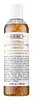
This calming toner is formulated around Calendula Officinalis Extract and Calendula Officinalis Flower Extract to calm redness.
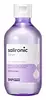
This acne toner is formulated around Houttuynia Cordata Extract and Betaine Salicylate to clear breakouts and calm redness.


What's inside
What's inside
 Key Ingredients
No key ingredients
Benefits
Concerns
Ingredients Side-by-side
Water
Skin ConditioningPropylene Glycol
Humectant


Pentylene Glycol
Skin Conditioning
Methylparaben
Preservative


Disodium EDTA
Arctium Lappa Root Extract
Skin Conditioning
Calendula Officinalis Extract
Skin Conditioning
Calendula Officinalis Flower Extract
Masking
Hydrolyzed Corn Starch
HumectantAllantoin
Skin Conditioning
Hedera Helix Leaf/Stem Extract
AntimicrobialAlthaea Officinalis Root Extract
Skin Conditioning
Water
Skin ConditioningMethylpropanediol
SolventGlycerin
Humectant
Ceramide AP
Skin Conditioning

1,2-Hexanediol
Skin Conditioning
Houttuynia Cordata Extract
Skin Conditioning
Betaine
Humectant
Hydroxyethylcellulose
Emulsion StabilisingEthylhexylglycerin
Skin ConditioningPolyglyceryl-10 Laurate
Skin Conditioning
Carbomer
Emulsion StabilisingAllantoin
Skin Conditioning
Disodium EDTA
Tromethamine
BufferingVitis Vinifera Fruit Extract
Skin ConditioningAnthemis Nobilis Flower Extract
Masking
Citric Acid
Buffering

Squalene
Emollient
Butylene Glycol
Humectant
Betaine Salicylate
Antimicrobial




Gluconolactone
Skin Conditioning

Diospyros Kaki Leaf Extract
Skin Protecting
Polygonum Cuspidatum Root Extract
Antioxidant
Coffea Arabica Seed Extract
Masking
Carthamus Tinctorius Flower Extract
Skin ConditioningZanthoxylum Piperitum Fruit Extract
Skin ConditioningCastanea Crenata Shell Extract
Skin ConditioningCamellia Sinensis Leaf Extract
Antimicrobial
Pentylene Glycol
Skin Conditioning
Hydrolyzed Hyaluronic Acid
Humectant
Sodium Hyaluronate Crosspolymer
Humectant
Sodium Hyaluronate
Humectant
Hyaluronic Acid
Humectant
Hydrolyzed Sodium Hyaluronate
Skin Conditioning
Water, Methylpropanediol, Glycerin, Ceramide AP, 1,2-Hexanediol, Houttuynia Cordata Extract, Betaine, Hydroxyethylcellulose, Ethylhexylglycerin, Polyglyceryl-10 Laurate, Carbomer, Allantoin, Disodium EDTA, Tromethamine, Vitis Vinifera Fruit Extract, Anthemis Nobilis Flower Extract, Citric Acid, Squalene, Butylene Glycol, Betaine Salicylate, Gluconolactone, Diospyros Kaki Leaf Extract, Polygonum Cuspidatum Root Extract, Coffea Arabica Seed Extract, Carthamus Tinctorius Flower Extract, Zanthoxylum Piperitum Fruit Extract, Castanea Crenata Shell Extract, Camellia Sinensis Leaf Extract, Pentylene Glycol, Hydrolyzed Hyaluronic Acid, Sodium Hyaluronate Crosspolymer, Sodium Hyaluronate, Hyaluronic Acid, Hydrolyzed Sodium Hyaluronate
Reviews
Ingredients Explained
These ingredients are found in both products.
Ingredients higher up in an ingredient list are typically present in a larger amount.
Allantoin is a soothing ingredient known for its protective and moisturizing properties; it's basically a quiet workhorse ingredient you can find in a huge range of cosmetics.
Though it can be derived from the comfrey plant, allantoin is produced synthetically for cosmetic products to ensure purity.
Research shows it can encourage your skin cells to turn over and renew by stimulating keratinocyte and fibroblast proliferation.
It also has mild keratolytic properties to help loosen and shed dead skin cells without being harsh.
Studies also suggest allantoin can help calm inflammation by dialing down some of the chemical signals your skin sends out when it is irritated.
This ingredient is typically used in the 0.1-0.5% range, and the FDA recognizes it as a skin protectant in OTC products up to 2%.
Overall, allantoin is a wonderful addition to most routines; it is stable across a wide pH range (~4-8), works well with other ingredients, and is considered non-sensitizing/non-irritating.
Fun fact: Allantoin is naturally occurring in comfrey root, beets, chamomile, and wheat sprouts. Our bodies even produce it as a byproduct of uric acid metabolism.
Learn more about AllantoinDisodium EDTA is a chelating agent. It grabs onto and deactivates metal ions that sneak into your products from water, packaging, or air.
This ingredient mainly works behind the scenes and helps with:
On top of that, this ingredient can counteract the effects of hard water by binding to the minerals in it.
One thing worth knowing is that Disodium EDTA has been shown to be a mild penetration enhancer. It can help other ingredients absorb into skin more effectively which can be a double-edged sword (great for actives, but can also make the active too strong if you have sensitive skin).
Clinical patch testing showed no significant skin irritation at typical use concentrations and minimal dermal absorption.
You'll most likely see this ingredient near the end of an ingredient list. It's typically found in concentrations less than 1%.
Learn more about Disodium EDTAPentylene Glycol (1,2-pentanediol) is a multitasking little diol with three main roles in a formula:
Research on alkanediols (the family pentylene glycol belongs to) show they work by disrupting microbial cell membranes. This disruption helps the primary preservative system in a product work more effectively at lower doses.
On the safety side, the Cosmetic Ingredient Review Expert Panel has concluded this ingredient to be safe as used in current cosmetic practices + concentrations.
Typical use levels in a formula run about 1-5%.
Learn more about Pentylene GlycolWater. It's the most common cosmetic ingredient of all. You'll usually see it at the top of ingredient lists, meaning that it makes up the largest part of the product.
So why is it so popular? Water most often acts as a solvent - this means that it helps dissolve other ingredients into the formulation.
You'll also recognize water as that liquid we all need to stay alive. If you see this, drink a glass of water. Remember to stay hydrated!
Learn more about Water

