This mild gel cleanser is made to cleanse while calming and soothing your skin.
This salicylic acid gel cleanser is formulated around Salicylic Acid to clear breakouts and unclog pores.


What's inside
What's inside
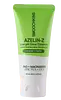 Key Ingredients
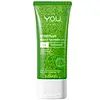
Benefits
Concerns
Ingredients Side-by-side
Water
Skin ConditioningCocamidopropyl Betaine
Cleansing



Cocamide DEA
Emulsifying
Potassium Azeloyl Diglycinate
Skin Conditioning




Niacinamide
Smoothing







Zinc PCA
Humectant
Centella Asiatica Extract
Cleansing
Allantoin
Skin Conditioning
PEG-120 Methyl Glucose Dioleate
Emulsifying
Butylene Glycol
Humectant
1,2-Hexanediol
Skin Conditioning
Ethylhexylglycerin
Skin ConditioningCitric Acid
Buffering
Methylisothiazolinone
Preservative
Methylchloroisothiazolinone
Preservative
Water
Skin ConditioningSodium Laureth Sulfate
Cleansing

Acrylates Copolymer
Cocamidopropyl Betaine
Cleansing
Decyl Glucoside
Cleansing
Butylene Glycol
Humectant
Glycerin
Humectant
PEG-150 Distearate
Emulsifying
Sodium Chloride
MaskingPhenoxyethanol
Preservative
PEG-7 Glyceryl Cocoate
Emulsifying
Sodium Benzoate
Masking
Sodium Hydroxide
BufferingPEG-40 Hydrogenated Castor Oil
Emulsifying
Lactose
HumectantCellulose
Absorbent
Melaleuca Alternifolia Leaf Oil
Antioxidant


PPG-26-Buteth-26
Skin ConditioningParfum
Masking
Disodium EDTA
Citric Acid
Buffering
Sodium Methyl Cocoyl Taurate
Cleansing
Ethylhexyl Methoxycinnamate
UV Absorber

Salicylic Acid
Masking
Butyl Methoxydibenzoylmethane
UV Absorber
Ethylhexyl Salicylate
UV Absorber
Hydroxypropyl Methylcellulose
Emulsion StabilisingJojoba Esters
Emollient
CI 77288
Cosmetic ColorantQuaternium-73
CI 19140
Cosmetic ColorantAscorbyl Palmitate
Antioxidant
Tocopheryl Acetate
Antioxidant
CI 42090
Cosmetic ColorantPanthenol
Skin Conditioning
Scutellaria Baicalensis Root Extract
Astringent
Propanediol
Solvent
Xylitylglucoside
Humectant
Anhydroxylitol
Humectant
Xylitol
Humectant
Madecassoside
Antioxidant
Hydrogenated Lecithin
Emulsifying
Asiaticoside
Antioxidant
Ceramide NP
Skin Conditioning
Rutin
Antioxidant
Hydroxycinnamic Acid
Skin ConditioningAsiatic Acid
Skin Conditioning
Madecassic Acid
Skin Conditioning
Caprylyl Glycol
Emollient
Ceramide Ns
Skin Conditioning
Ceramide As
Skin Conditioning
Glyceryl Caprylate
EmollientStephania Tetrandra Root Extract
Skin ConditioningZinc PCA
Humectant
Ceramide EOP
Skin Conditioning
Ceramide AP
Skin Conditioning
Water, Sodium Laureth Sulfate, Acrylates Copolymer, Cocamidopropyl Betaine, Decyl Glucoside, Butylene Glycol, Glycerin, PEG-150 Distearate, Sodium Chloride, Phenoxyethanol, PEG-7 Glyceryl Cocoate, Sodium Benzoate, Sodium Hydroxide, PEG-40 Hydrogenated Castor Oil, Lactose, Cellulose, Melaleuca Alternifolia Leaf Oil, PPG-26-Buteth-26, Parfum, Disodium EDTA, Citric Acid, Sodium Methyl Cocoyl Taurate, Ethylhexyl Methoxycinnamate, Salicylic Acid, Butyl Methoxydibenzoylmethane, Ethylhexyl Salicylate, Hydroxypropyl Methylcellulose, Jojoba Esters, CI 77288, Quaternium-73, CI 19140, Ascorbyl Palmitate, Tocopheryl Acetate, CI 42090, Panthenol, Scutellaria Baicalensis Root Extract, Propanediol, Xylitylglucoside, Anhydroxylitol, Xylitol, Madecassoside, Hydrogenated Lecithin, Asiaticoside, Ceramide NP, Rutin, Hydroxycinnamic Acid, Asiatic Acid, Madecassic Acid, Caprylyl Glycol, Ceramide Ns, Ceramide As, Glyceryl Caprylate, Stephania Tetrandra Root Extract, Zinc PCA, Ceramide EOP, Ceramide AP
Reviews
Ingredients Explained
These ingredients are found in both products.
Ingredients higher up in an ingredient list are typically present in a larger amount.
Butylene Glycol (or BG) is used within cosmetic products for a few different reasons:
Overall, Butylene Glycol is a safe and well-rounded ingredient that works well with other ingredients.
Though this ingredient works well with most skin types, some people with sensitive skin may experience a reaction such as allergic rashes, closed comedones, or itchiness.
Learn more about Butylene GlycolCitric Acid is an alpha hydroxy acid (AHA) naturally found in citrus fruits like oranges, lemons, and limes.
Like other AHAs, citric acid can exfoliate skin by breaking down the bonds that hold dead skin cells together. This helps reveal smoother and brighter skin underneath.
However, this exfoliating effect only happens at high concentrations (20%) which can be hard to find in cosmetic products.
Due to this, citric acid is usually included in small amounts as a pH adjuster. This helps keep products slightly more acidic and compatible with skin's natural pH.
In skincare formulas, citric acid can:
While it can provide some skin benefits, research shows lactic acid and glycolic acid are generally more effective and less irritating exfoliants.
Most citric acid used in skincare today is made by fermenting sugars (usually from molasses). This synthetic version is identical to the natural citrus form but easier to stabilize and use in formulations.
Rosacea skin has a lower threshold for acids generally, with 62.5% of rosacea subjects in one study reacting to lactic acid in a sting test. This is why we mark citric acid as a potential rosacea trigger.
However, this ingredient shows up as a pH adjuster or chelator at roughly 0.1-1% in many products. These low levels are unlikely to be an issue for rosacea skin and becomes a potential trigger at exfoliating concentrations (20%). Because everybody's skin is unique, we recommend a patch test if you are unsure.
Learn more about Citric AcidCocamidopropyl Betaine is a fatty acid created by mixing similar compounds in coconut oil and dimethylaminopropylamine, a compound with two amino groups.
This ingredient is a surfactant and cleanser. It helps gather the dirt, pollutants, and other impurities in your skin to be washed away. It also helps thicken a product and make the texture more creamy.
Being created from coconut oil means Cocamidopropyl Betaine is hydrating for the skin.
While Cocamidopropyl Betaine was believed to be an allergen, a study from 2012 disproved this. It found two compounds in unpure Cocamidopropyl Betaine to be the irritants: aminoamide and 3-dimethylaminopropylamine. High-grade and pure Cocamidopropyl Betaine did not induce allergic reactions during this study.
Learn more about Cocamidopropyl BetaineWater. It's the most common cosmetic ingredient of all. You'll usually see it at the top of ingredient lists, meaning that it makes up the largest part of the product.
So why is it so popular? Water most often acts as a solvent - this means that it helps dissolve other ingredients into the formulation.
You'll also recognize water as that liquid we all need to stay alive. If you see this, drink a glass of water. Remember to stay hydrated!
Learn more about WaterZinc PCA is a clever two-in-one molecule: the zinc salt of pyrrolidone carboxylic acid (PCA).
Think of it as two useful things bonded together; the PCA half is one of your skin's own natural moisturizing factors (NMF) so it helps hold water in the upper layers. On the other hand, the zinc half does the heavy lifting on oil and bacteria.
The zinc part slows down an enzyme that turns testosterone into DHT, the hormone that tells your oil glands to pump out more sebum. Less of that signal means less oil. It also gently fights acne-causing bacteria and soothes redness/irritation.
This is why Zinc PCA often shows up in products for oily, breakout-prone skin and greasy scalps.
One lab study also hinted it might have a small anti-aging perk because it seemed to protect collagen from UVA damage and even helped the skin make a bit more of it. That last bit is still early research done in a dish and not real skin, so take it as a nice bonus rather than a promise for now.
As for scar healing, the picture is more "maybe" than a firm yes. Zinc itself plays a real role in wound repair because it is a cofactor for the enzymes involved in collagen building, calming inflammation, and helping new skin cells cover a wound. Lower zinc levels are also linked to slower healing.
Most of the scar healing research is on zinc oxide or oral zinc rather than zinc PCA specifically, with a focus on healing fresh wounds instead of scars that are already there.
Direct evidence that zinc PCA improves the look of established scars is still limited at this time. Though it would be fair to say zinc PCA supports the general skin-repair environment thanks to its zinc content .
This ingredient is water-soluble and plays nicely with other actives like niacinamide and salicylic acid. It works best at mildly acidic formulas (~4-6 pH) and is effective at low levels. Around 0.1% is enough to be active and finished products commonly use it anywhere up to 4%.
Overall, this is a well-tolerated, low-drama multitasker that suits oily and acne-prone skin.
Learn more about Zinc PCA

