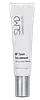
This acne treatment is formulated around Benzoyl Peroxide to clear breakouts.
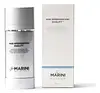
This acne treatment is formulated around Benzoyl Peroxide and Retinol to clear breakouts and soften the look of wrinkles.

What's inside
What's inside
 Key Ingredients
Benefits
Concerns
Ingredients Side-by-side
Benzoyl Peroxide 10%






Water
Skin ConditioningPropanediol
Solvent

Glycerin
Humectant
Neopentyl Glycol Diethylhexanoate
Emollient
Dimethicone
Emollient
Cyclopentasiloxane
Emollient
Cyclohexasiloxane
Emollient
Titanium Dioxide
Cosmetic Colorant

C12-15 Alkyl Benzoate
AntimicrobialStearic Acid
Cleansing

Behenoxy Dimethicone
Emollient
Behenyl Alcohol
Emollient
Glyceryl Stearate
Emollient
PEG-100 Stearate
Surfactant
Myristoyl Tetrapeptide-13
Skin Conditioning
Acetyl Carboxymethyl Cocoyl Glycine
Chelating
Panthenol
Skin Conditioning

Tocopheryl Acetate
Antioxidant


Sodium Hyaluronate
Humectant

Allantoin
Skin Conditioning
Glyceryl Oleate
Emollient

Behenic Acid
Cleansing
Steareth-21
CleansingSteareth-2
EmulsifyingSilica
Abrasive


Carbomer
Emulsion StabilisingAcrylates/C10-30 Alkyl Acrylate Crosspolymer
Emulsion StabilisingPhenoxyethanol
Preservative
Ethylhexylglycerin
Skin ConditioningParfum
Masking
Tromethamine
BufferingAlumina
Abrasive
Polyhydroxystearic Acid
Emulsifying
Benzoyl Peroxide 10%, Water, Propanediol, Glycerin, Neopentyl Glycol Diethylhexanoate, Dimethicone, Cyclopentasiloxane, Cyclohexasiloxane, Titanium Dioxide, C12-15 Alkyl Benzoate, Stearic Acid, Behenoxy Dimethicone, Behenyl Alcohol, Glyceryl Stearate, PEG-100 Stearate, Myristoyl Tetrapeptide-13, Acetyl Carboxymethyl Cocoyl Glycine, Panthenol, Tocopheryl Acetate, Sodium Hyaluronate, Allantoin, Glyceryl Oleate, Behenic Acid, Steareth-21, Steareth-2, Silica, Carbomer, Acrylates/C10-30 Alkyl Acrylate Crosspolymer, Phenoxyethanol, Ethylhexylglycerin, Parfum, Tromethamine, Alumina, Polyhydroxystearic Acid
Benzoyl Peroxide 10%
Water
Skin ConditioningPropylene Glycol
Humectant
Glycerin
Humectant
Sorbitol
Humectant
Polyacrylamide
C13-14 Isoparaffin
Emollient
Cyclopentasiloxane
Emollient
Cyclohexasiloxane
Emollient
Carbomer
Emulsion StabilisingLaureth-7
EmulsifyingTriethanolamine
BufferingDisodium EDTA
ChelatingDiazolidinyl Urea
Preservative
Methylparaben
Preservative
Propylparaben
Preservative
Caprylic/Capric Triglyceride
Masking
Glyceryl Stearate
Emollient
Polysorbate 20
Emulsifying
Carthamus Tinctorius Seed Oil
Masking
Polysorbate 60
Emulsifying
Stearic Acid
Cleansing
Butyrospermum Parkii Butter
Skin Conditioning
Stearyl Alcohol
Emollient
Retinol
Skin Conditioning


Myristoyl Tripeptide-4
Skin Conditioning
Bisabolol
Antioxidant
Sodium Hyaluronate
Humectant
Camellia Oleifera Leaf Extract
AstringentPalmitoyl Tetrapeptide-7
Skin Conditioning
Palmitoyl Oligopeptide
Cleansing
Chrysin
Skin ConditioningDimethicone
Emollient
Dimethicone/Vinyl Dimethicone Crosspolymer
Skin Conditioning
Glyceryl Acrylate/Acrylic Acid Copolymer
HumectantSteareth-20
CleansingN-Hydroxysuccinimide
Skin ConditioningHexylene Glycol
EmulsifyingEthylhexylglycerin
Skin ConditioningCaprylyl Glycol
Emollient
BHT
Antioxidant
Phenoxyethanol
Preservative
Benzoyl Peroxide 10%, Water, Propylene Glycol, Glycerin, Sorbitol, Polyacrylamide, C13-14 Isoparaffin, Cyclopentasiloxane, Cyclohexasiloxane, Carbomer, Laureth-7, Triethanolamine, Disodium EDTA, Diazolidinyl Urea, Methylparaben, Propylparaben, Caprylic/Capric Triglyceride, Glyceryl Stearate, Polysorbate 20, Carthamus Tinctorius Seed Oil, Polysorbate 60, Stearic Acid, Butyrospermum Parkii Butter, Stearyl Alcohol, Retinol, Myristoyl Tripeptide-4, Bisabolol, Sodium Hyaluronate, Camellia Oleifera Leaf Extract, Palmitoyl Tetrapeptide-7, Palmitoyl Oligopeptide, Chrysin, Dimethicone, Dimethicone/Vinyl Dimethicone Crosspolymer, Glyceryl Acrylate/Acrylic Acid Copolymer, Steareth-20, N-Hydroxysuccinimide, Hexylene Glycol, Ethylhexylglycerin, Caprylyl Glycol, BHT, Phenoxyethanol
Ingredients Explained
These ingredients are found in both products.
Ingredients higher up in an ingredient list are typically present in a larger amount.
Benzoyl Peroxide (BPO) is one of the most studied and widely used acne-fighting ingredients on the market for over five decades.
It works by releasing oxygen into your pores to kill Cutibacterium acne, or the bacteria closely linked to acne breakouts. This bacteria has a hard time surviving in an oxygen-rich environment.
On top of that, BPO has keratolytic properties to help shed dead skin cells and keep pores from getting clogged.
One of the coolest things about BPO is that bacteria do not develop resistance to it the way they can with antibiotics. That's why dermatologists recommend pairing it with topical antibiotics to keep resistance at bay.
BPO is usually available in 2.5%, 5%, and 10% concentrations. Research has shown that 2.5% tends to be just as effective as the higher strengths while being more gentle on the skin.
The FDA has classified BPO as a safe and effective acne treatment. You'll be able to find this ingredient in over-the-counter products in many countries.
Just so you know, BPO is a known mild irritant. It's common to see dryness, peeling, and some redness when you first start using it. This usually goes away as your skin adjusts.
A very small number of people might develop allergic contact dermatitis from it as patch test studies show positive reactions in about 1-5% of patients.
Once BPO is absorbed into the skin, our bodies turn it into benzoic acid and quickly exits in urine. It's also worth noting that BPO will bleach fabrics and hair, so watch your towels and pillowcases!
Learn more about Benzoyl PeroxideCarbomer is a synthetic thickening and gelling agent. It's basically the ingredient that gives a lot of serums, gels, creams, and sunscreens their smooth, non-sticky texture.
Although legally permitted at very high levels, carbomers are normally used at concentrations below 1%.
It also needs to be neutralized to actually thicken, and because it is a large molecule, it doesn't really penetrate the skin barrier.
Allergy-wise, the risk is very low. Clinical studies show carbomers have low potential for skin irritation/sensitization even at concentrations up to 100%.
A 2024 UK study patch-tested 1,302 patients and found true allergy to the parent group of carbomer to be rare with no confirmed relevant reactions.
Learn more about CarbomerCyclohexasiloxane is a type of silicone more commonly known as D6. It is an emollient and solvent.
Cyclohexasiloxane is used to evenly distribute ingredients throughout the product. When applied to the skin, Cyclohexasiloxane evaporates and leaves behind a silky feel.
As an emollient, it can help the skin feel soft and hydrated. It is also used to reduce frizz in hair products.
Learn more about CyclohexasiloxaneCyclopentasiloxane (D5) is a lightweight silicone that mostly acts as an emollient and solvent in cosmetics. Its the reason your products feel silky, fast-spreading, and non-greasy.
Since D5 is volatile, it does its thing and then evaporates off the skin quickly.
The safety profile of this ingredient is reassuring; the US CIR Expert Panel concluded D5 is safe as used in cosmetics and Health Canada concluded that D5 is not harmful to human health or the environment as currently used in cosmetics
There's a study that people mention about D5 in a rat study showing tumors. This study is related to long-term inhalation of high D5 levels.
Regulatory bodies have judged this study to be not applicable in topical skincare since skin absorption of D5 is very low and we're not really inhaling huge amounts of D5.
The only restriction for this ingredient is environmental. The European Chemicals Agency (ECHA) restricted D5 in wash-off cosmetics at or above 0.1% due to their persistence in water.
Learn more about CyclopentasiloxaneDimethicone is a type of synthetic silicone created from natural materials such as quartz. It is also known as polydimethylsiloxane.
What it does:
Dimethicone comes in different viscosities:
Depending on the viscosity, dimethicone has different properties.
Ingredients lists don't always show which type is used, so we recommend reaching out to the brand if you have questions about the viscosity.
This ingredient is unlikely to cause irritation because it does not get absorbed into skin. However, people with silicone allergies should be careful about using this ingredient.
Note: Dimethicone may contribute to pilling. This is because it is not oil or water soluble, so pilling may occur when layered with products. When mixed with heavy oils in a formula, the outcome is also quite greasy.
Learn more about DimethiconeEthylhexylglycerin is created from glycerin. It is a multitasker ingredient that:
The CIR Expert Panel found minimal skin absorption or sensitization of any kind in a safety assessment. Though this ingredient is considered well-tolerated, a small number of cases of allergic dermatitis have been published since 2002. Just be sure to patch test if you are unsure.
Industry-reported use ranges from 8% in rinse-off products and 2% in leave-on formulations.
Learn more about EthylhexylglycerinGlycerin (or glycerol) is a compound naturally found in your skin. It's a powerhouse humectant that pulls water into the stratum corneum.
Topically, glycerin does several things at once:
Your skin makes glycerin on its own (mostly from sebaceous oil breakdown) and shuttles it to your outermost layer of skin, or your epidermis, via aquaporin-3.
Aquaporin-3 is a transporter that is essential for normal skin hydration, elasticity, and repair. Interestingly, mice lacking in AQP3 have dry and less elastic skin that can be fully corrected with glycerin.
This ingredient is non-irritating, plays well with almost every ingredient, and works across all skin types. Typical use is anywhere between 3-10% but can go up to 79% in some leave-on products.
Just know very high concentrations (>40%) can feel tacky in low humidity.
Glycerin is the name for this ingredient in American English. British English uses Glycerol/Glycerine.
Learn more about GlycerinGlyceryl Stearate is made by reacting glycerin with stearic acid (typically sourced from plant oils like palm or coconut). It's an emulsifier, emollient, and mild occlusive.
Emulsifiers help ingredients like oil and water stay mixed so your formula stays nicely blended and uniform in texture.
This ingredient is typically used in concentrations between 1-10%. Studies have found it to be non-sensitizing, non-phototoxic, and non-photoallergenic.
A close cousin of this ingredient is Glyceryl Stearate SE ("self-emulsifying"). This just has a small amount of sodium or potassium stearate added so it can emulsify without a co-emulsifier.
Since this ingredient is an ester of a C18 fatty acid, it may not be fungal acne safe. The Malassezia yeast can potentially metabolize within the C11-C24 range.
Fun fact: The human body also creates Glyceryl Stearate naturally.
Learn more about Glyceryl StearatePhenoxyethanol is one of the most widely used preservatives in skincare (and for good reason!).
It has a large spectrum of antimicrobial activity and especially effective bacteria, yeast, and mold while only having a weak effect on your skin's natural microbiome.
On a cellular level, it disrupts the cell membranes of microbes by poking holes that make the cell leak. This shuts down the chemical reactions the microbe needs to make energy so it can no longer survive.
Another perk of this ingredient is that it stays functional across a wide pH range (3-10).
You'll often see it paired with boosters like Ethylhexylglycerin; one study showed that a 1:9 ratio of Ethylhexylglycerin to Phenoxyethanol damages bacterial membranes as effectively as doubling the Phenoxyethanol concentration on its own.
Typical use concentrations range from 0.3-1% depending on the formula, and this ingredient is capped at 1% int the EU.
Safety-wise, the fear mongering does not hold up to the evidence. The EU's Scientific Committee on Consumer Safety and FDA consider it safe as a preservative at up to 1%, including for children of all ages.
Adverse systemic effects only showed up in animal studies at exposures roughly 200x higher than what people get from cosmetics. And despite its very widespread use, this ingredient is a rare sensitizer and allergic reactions are uncommon.
Learn more about PhenoxyethanolSodium Hyaluronate is the salt form of hyaluronic acid. It is a long sugar chain that is naturally found in your skin, joints, and connective tissue that maintains hydration and elasticity.
In skincare, it works as a humectant. It pulls water from the environment and deeper layers of skin and binds it to the surface.
Interestingly, the size of the molecule affects its behavior:
Some clinical evidence links low molecular weight versions to improved wrinkle depth, elasticity, anti-inflammatory effects, and barrier repair.
Many serums use a blend of both weights so you can get surface hydration plus longer-lasting and deeper effects.
You'll typically see concentrations between 0.1-2% for this ingredient.
Learn more about Sodium HyaluronateStearic Acid is a fatty acid that is already found in your skin. It's one of the free fatty acids that works alongside ceramides and cholesterols to maintain your barrier.
In cosmetics, it is a multitasker:
Safety-wise, the CIR Expert Panel has concluded it to be safe in cosmetics when formulated to be non-irritating and non-sensitizing.
Free stearic acid is a C18 fatty acid that the Malassezia yeast can substrate, so this ingredient may not be fungal acne safe.
This ingredient does have a comedogenic rating of 2-3, but this doesn't mean a formula with this ingredient will clog pores.
Human testing has proved that any finished product with this ingredient won't automatically make you break out; it really comes down to concentration, formula, and your skin.
Learn more about Stearic AcidWater. It's the most common cosmetic ingredient of all. You'll usually see it at the top of ingredient lists, meaning that it makes up the largest part of the product.
So why is it so popular? Water most often acts as a solvent - this means that it helps dissolve other ingredients into the formulation.
You'll also recognize water as that liquid we all need to stay alive. If you see this, drink a glass of water. Remember to stay hydrated!
Learn more about Water

