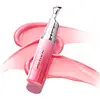
This lip moisturizer is formulated around Petrolatum and Ascorbyl Tetraisopalmitate to hydrate lips.

What's inside
What's inside
 Key Ingredients
Benefits
Concerns
Ingredients Side-by-side
Petrolatum
Emollient



Hydrogenated Polyisobutene
EmollientPolyglyceryl-2 Triisostearate
Emulsifying

Triisostearyl Citrate
EmollientOctyldodecanol
Emollient
C10-30 Cholesterol/Lanosterol Esters
Emulsifying
Ethylene/Propylene/Styrene Copolymer
Ascorbyl Tetraisopalmitate
Antioxidant


Ricinus Communis Seed Oil
Masking
Dipalmitoyl Hydroxyproline
Skin Conditioning
Sodium Hyaluronate
Humectant



Parfum
Masking

Butyrospermum Parkii Butter
Skin Conditioning
Tocopherol
Antioxidant

Hydrogenated Castor Oil
Emollient
CI 77891
Cosmetic ColorantCI 16035
Cosmetic ColorantButylene/Ethylene/Styrene Copolymer
Ethylhexyl Palmitate
Emollient
Sucralose
Skin ConditioningTribehenin
Emollient
Aluminum Hydroxide
EmollientSorbitan Isostearate
Emulsifying
CI 15850
Cosmetic ColorantPentaerythrityl Tetra-Di-T-Butyl Hydroxyhydrocinnamate
Antioxidant
CI 77499
Cosmetic ColorantPalmitoyl Tripeptide-1
Skin Conditioning


Petrolatum, Hydrogenated Polyisobutene, Polyglyceryl-2 Triisostearate, Triisostearyl Citrate, Octyldodecanol, C10-30 Cholesterol/Lanosterol Esters, Ethylene/Propylene/Styrene Copolymer, Ascorbyl Tetraisopalmitate, Ricinus Communis Seed Oil, Dipalmitoyl Hydroxyproline, Sodium Hyaluronate, Parfum, Butyrospermum Parkii Butter, Tocopherol, Hydrogenated Castor Oil, CI 77891, CI 16035, Butylene/Ethylene/Styrene Copolymer, Ethylhexyl Palmitate, Sucralose, Tribehenin, Aluminum Hydroxide, Sorbitan Isostearate, CI 15850, Pentaerythrityl Tetra-Di-T-Butyl Hydroxyhydrocinnamate, CI 77499, Palmitoyl Tripeptide-1
Water
Skin ConditioningCI 77891
Cosmetic ColorantCyclopentasiloxane
Emollient
Trimethylsiloxysilicate
Emollient
Dimethicone
Emollient
Methyl Trimethicone
Skin Conditioning
Hexyldecyl Myristoyl Methylaminopropionate
EmollientButylene Glycol
Humectant
CI 77492
Cosmetic ColorantGlycerin
Humectant
Acrylates/Stearyl Acrylate/Dimethicone Methacrylate Copolymer
CI 77491
Cosmetic ColorantMagnesium Sulfate
Disteardimonium Hectorite
StabilisingAluminum Hydroxide
EmollientTriethoxycaprylylsilane
Synthetic Fluorphlogopite
1,2-Hexanediol
Skin Conditioning
CI 77499
Cosmetic ColorantCaprylyl Glycol
Emollient
Dimethicone Crosspolymer
Emulsion Stabilising
Glyceryl Caprylate
EmollientTrihydroxystearin
Skin Conditioning
Palmitic Acid
Emollient
Ethylhexylglycerin
Skin ConditioningSorbitan Sesquioleate
Emulsifying
Centella Asiatica Extract
Cleansing
Cholesterol
Emollient
Ceramide AP
Skin Conditioning
Ceramide NP
Skin Conditioning
Ceramide As
Skin Conditioning
Ceramide Ns
Skin Conditioning
Ceramide Ng
Skin Conditioning
Ceramide EOP
Skin Conditioning
Stearic Acid
Cleansing
Myristic Acid
Cleansing
Tocopherol
Antioxidant
Titanium Dioxide
Cosmetic Colorant

Zinc Oxide
Cosmetic Colorant
Homosalate
Skin Conditioning
Hydrolyzed Hyaluronic Acid
Humectant
Hydrogenated Lecithin
Emulsifying
Dipropylene Glycol
HumectantPentylene Glycol
Skin Conditioning
Glyceryl Stearate
Emollient
Sucrose Distearate
Emollient
Water, CI 77891, Cyclopentasiloxane, Trimethylsiloxysilicate, Dimethicone, Methyl Trimethicone, Hexyldecyl Myristoyl Methylaminopropionate, Butylene Glycol, CI 77492, Glycerin, Acrylates/Stearyl Acrylate/Dimethicone Methacrylate Copolymer, CI 77491, Magnesium Sulfate, Disteardimonium Hectorite, Aluminum Hydroxide, Triethoxycaprylylsilane, Synthetic Fluorphlogopite, 1,2-Hexanediol, CI 77499, Caprylyl Glycol, Dimethicone Crosspolymer, Glyceryl Caprylate, Trihydroxystearin, Palmitic Acid, Ethylhexylglycerin, Sorbitan Sesquioleate, Centella Asiatica Extract, Cholesterol, Ceramide AP, Ceramide NP, Ceramide As, Ceramide Ns, Ceramide Ng, Ceramide EOP, Stearic Acid, Myristic Acid, Tocopherol, Titanium Dioxide, Zinc Oxide, Homosalate, Hydrolyzed Hyaluronic Acid, Hydrogenated Lecithin, Dipropylene Glycol, Pentylene Glycol, Glyceryl Stearate, Sucrose Distearate
Reviews
Ingredients Explained
These ingredients are found in both products.
Ingredients higher up in an ingredient list are typically present in a larger amount.
Aluminum Hydroxide is a form of aluminum. It can be naturally found in nature as the mineral gibbsite. In cosmetics, Aluminum Hydroxide is used as a colorant, pH adjuster, and absorbent.
As a colorant, Aluminum Hydroxide may add opacity, or reduce the transparency. Aluminum hydroxide is contains both basic and acidic properties.
According to manufacturers, this ingredient is an emollient and humectant. This means it helps hydrate the skin.
In medicine, this ingredient is used to help relieve heartburn and help heal ulcers.
There is currently no credible scientific evidence linking aluminum hydroxide in cosmetics to increased cancer risk.
Major health organizations allow the use of aluminum hydroxide in personal care products and have not flagged it as a carcinogenic risk at typical usage levels.
Learn more about Aluminum HydroxideCi 77499 is also hydrated iron III oxide. It is created from mixing red and black iron oxides. This helps give shades of darkness to a product.
Iron III oxides are classified as inorganic chemicals for coloring.
Ci 77891 is a white pigment from Titanium dioxide. It is naturally found in minerals such as rutile and ilmenite.
It's main function is to add a white color to cosmetics. It can also be mixed with other colors to create different shades.
Ci 77891 is commonly found in sunscreens due to its ability to block UV rays.
Learn more about CI 77891Tocopherol is a fat-soluble antioxidant known as Vitamin E.
You'll find this ingredient in the vast majority of skincare (for good reason). It works to neutralize free radicals, or unstable molecules generated by UV exposure, pollution, and other environmental stressors, before they can cause oxidative damage to your skin cells.
Topically applied tocopherol has been shown to protect against UV damage by ramping up the skin's own natural defense enzymes.
It also acts as a skin conditioning agent; some studies show that regular topical use can improve the skin's water-binding capacity over 2-4 weeks.
This ingredient is especially loved for being a team player. When combined with Vitamin C, the photoprotective effect of both ingredients roughly doubles and the combo also helps reduce UV-induced DNA damage.
This ingredient has some brightening potential but it's more of a prevention ingredient than spot-fader. Cell studies show it can slow down melanin production but it's worth noting that it's not the most powerful brightener out there.
In formulations, it also serves as a stabilizer that helps protect other oxidation-prone ingredients from degrading.
Concentrations usually range from 0.1-1% in most leave-on products.
Learn more about Tocopherol

