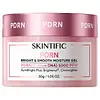
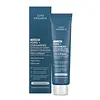
Skintific PDRN Bright & Smooth Moisture Gel Versus Luxe Organix Dermapro PDRN + Ceramides Exosome Recovery Barrier Cream Balm
This smoothing moisturizer is formulated around Niacinamide and Sodium DNA to refine skin texture and brighten dull-looking skin.
This barrier-repair moisturizer is formulated around Niacinamide and Sodium DNA to strengthen the skin barrier and calm redness.


What's inside
What's inside
 Key Ingredients
Benefits
Concerns
Ingredients Side-by-side
Water
Skin ConditioningButylene Glycol
Humectant

Niacinamide
Smoothing










Dimethicone
Emollient
Isononyl Isononanoate
EmollientCaprylic/Capric Triglyceride
Masking
Squalane
Emollient
Sodium DNA
Skin Conditioning
Sclareolide
Masking
Malt Extract
Skin ProtectingDiglucosyl Gallic Acid
Haberlea Rhodopensis Leaf Extract
Skin ConditioningSodium Acetylated Hyaluronate
Humectant
Sodium Hyaluronate
Humectant
Sodium Hyaluronate Crosspolymer
Humectant
Hydrolyzed Sodium Hyaluronate
Skin Conditioning
Olea Europaea Oil Unsaponifiables
Skin Conditioning


Bacillus Ferment
Skin Conditioning
Cyanocobalamin
Skin ConditioningSucrose Polystearate
EmollientPentylene Glycol
Skin Conditioning
Cetearyl Alcohol
Emollient



Glycerin
Humectant
1,2-Hexanediol
Skin Conditioning
Hydroxyacetophenone
Antioxidant
Ammonium Acryloyldimethyltaurate/Vp Copolymer
Glyceryl Stearate
Emollient
Sodium Polyacryloyldimethyl Taurate
Emulsion StabilisingPentaerythrityl Tetra-Di-T-Butyl Hydroxyhydrocinnamate
Antioxidant
Mannitol
Humectant
Sodium Stearoyl Lactylate
EmulsifyingCitric Acid
Buffering
Polysilicone-11
Ethylhexylglycerin
Skin ConditioningAroma

CI 16035
Cosmetic ColorantWater, Butylene Glycol, Niacinamide, Dimethicone, Isononyl Isononanoate, Caprylic/Capric Triglyceride, Squalane, Sodium DNA, Sclareolide, Malt Extract, Diglucosyl Gallic Acid, Haberlea Rhodopensis Leaf Extract, Sodium Acetylated Hyaluronate, Sodium Hyaluronate, Sodium Hyaluronate Crosspolymer, Hydrolyzed Sodium Hyaluronate, Olea Europaea Oil Unsaponifiables, Bacillus Ferment, Cyanocobalamin, Sucrose Polystearate, Pentylene Glycol, Cetearyl Alcohol, Glycerin, 1,2-Hexanediol, Hydroxyacetophenone, Ammonium Acryloyldimethyltaurate/Vp Copolymer, Glyceryl Stearate, Sodium Polyacryloyldimethyl Taurate, Pentaerythrityl Tetra-Di-T-Butyl Hydroxyhydrocinnamate, Mannitol, Sodium Stearoyl Lactylate, Citric Acid, Polysilicone-11, Ethylhexylglycerin, Aroma, CI 16035
Water
Skin ConditioningStearyl Alcohol
Emollient
Cetearyl Alcohol
Emollient
Niacinamide
Smoothing
Dipropylene Glycol
HumectantOleyl Alcohol
Emollient
Butylene Glycol
Humectant
Hydroxyacetophenone
Antioxidant
Arginine
Masking
Carbomer
Emulsion StabilisingSodium DNA
Skin Conditioning
Caprylyl Glycol
Emollient
Glyceryl Stearate
Emollient
Panthenol
Skin Conditioning
PEG-75 Lanolin
Emollient
Stearic Acid
Cleansing
Allantoin
Skin Conditioning
Centella Asiatica Extract
Cleansing
Centella Asiatica Leaf Vesicles
Ethylhexyl Ethylhexanoate
EmollientCetyl Alcohol
Emollient
Ceramide NP
Skin Conditioning
Ceramide Ns
Skin Conditioning
Ceramide As
Skin Conditioning
Ceramide AP
Skin Conditioning
Adenosine
Skin Conditioning
Polygonum Cuspidatum Root Extract
Antioxidant
Scutellaria Baicalensis Root Extract
Astringent
Disodium EDTA
ChelatingCamellia Sinensis Leaf Extract
Antimicrobial
Dipotassium Glycyrrhizate
Humectant
Rosmarinus Officinalis Leaf Extract
AntimicrobialChamomilla Recutita Flower Extract
Masking
Hydrogenated Lecithin
Emulsifying
1,2-Hexanediol
Skin Conditioning
Cholesterol
Emollient
Sodium Chloride
MaskingTrehalose
Humectant
Disodium Phosphate
BufferingPotassium Phosphate
BufferingPotassium Chloride
Ceramide EOP
Skin Conditioning
Water, Stearyl Alcohol, Cetearyl Alcohol, Niacinamide, Dipropylene Glycol, Oleyl Alcohol, Butylene Glycol, Hydroxyacetophenone, Arginine, Carbomer, Sodium DNA, Caprylyl Glycol, Glyceryl Stearate, Panthenol, PEG-75 Lanolin, Stearic Acid, Allantoin, Centella Asiatica Extract, Centella Asiatica Leaf Vesicles, Ethylhexyl Ethylhexanoate, Cetyl Alcohol, Ceramide NP, Ceramide Ns, Ceramide As, Ceramide AP, Adenosine, Polygonum Cuspidatum Root Extract, Scutellaria Baicalensis Root Extract, Disodium EDTA, Camellia Sinensis Leaf Extract, Dipotassium Glycyrrhizate, Rosmarinus Officinalis Leaf Extract, Chamomilla Recutita Flower Extract, Hydrogenated Lecithin, 1,2-Hexanediol, Cholesterol, Sodium Chloride, Trehalose, Disodium Phosphate, Potassium Phosphate, Potassium Chloride, Ceramide EOP
Reviews
Ingredients Explained
These ingredients are found in both products.
Ingredients higher up in an ingredient list are typically present in a larger amount.
1,2-Hexanediol is a synthetic liquid and another multi-functional powerhouse.
It is a:
- Humectant, drawing moisture into the skin
- Emollient, helping to soften skin
- Solvent, dispersing and stabilizing formulas
- Preservative booster, enhancing the antimicrobial activity of other preservatives
Butylene Glycol (or BG) is used within cosmetic products for a few different reasons:
Overall, Butylene Glycol is a safe and well-rounded ingredient that works well with other ingredients.
Though this ingredient works well with most skin types, some people with sensitive skin may experience a reaction such as allergic rashes, closed comedones, or itchiness.
Learn more about Butylene GlycolCetearyl alcohol is a waxy mixture of two fatty alcohols: cetyl alcohol and stearyl alcohol. It is an emollient and emulsifier.
Despite having "alcohol" in its name, it has nothing to do with drying solvent alcohols; the FDA also allows "alcohol-free" products to contain fatty alcohols like this ingredient.
It plays several roles in a formula:
Typical use levels for this ingredient sit around 1-10% and the Cosmetic Ingredient Review Expert Panel has affirmed safety at concentrations up to 25% in leave-on products.
Multiple assessments have found it to be non-irritating and non-sensitizing to most people.
However, there have been some cases of allergic contact dermatitis in patients with chronically compromised skin barriers.
Cetearyl alcohol has a comedogenic rating of 2 and irritancy rating of 1. Both of these numbers come from the 1989 study that used rabbit ears; a "2" means mildly comedogenic and a "1" means low irritancy.
Here's the catch: rabbit skin is more sensitive than human skin and throws a lot of false positives. A 1996 reappraisal found that ingredients rated 1-2 in the rabbit ear tests are generally safe for humans.
Remember comedogenic ratings are unable to assess the entire formula of a product or how it will react on your skin. Just be sure to patch test if you are unsure about certain ingredients.
This ingredient is not fungal acne safe. Cetearyl alcohol is a fatty alcohol with chain lengths that fall within the range that Malassezia can metabolize.
A 2019 study has also observed Malassezia growth in the presence of this ingredient, confirming it to be not-fungal acne safe.
Learn more about Cetearyl AlcoholGlyceryl Stearate is made by reacting glycerin with stearic acid (typically sourced from plant oils like palm or coconut). It's an emulsifier, emollient, and mild occlusive.
Emulsifiers help ingredients like oil and water stay mixed so your formula stays nicely blended and uniform in texture.
This ingredient is typically used in concentrations between 1-10%. Studies have found it to be non-sensitizing, non-phototoxic, and non-photoallergenic.
A close cousin of this ingredient is Glyceryl Stearate SE ("self-emulsifying"). This just has a small amount of sodium or potassium stearate added so it can emulsify without a co-emulsifier.
Since this ingredient is an ester of a C18 fatty acid, it may not be fungal acne safe. The Malassezia yeast can potentially metabolize within the C11-C24 range.
Fun fact: The human body also creates Glyceryl Stearate naturally.
Learn more about Glyceryl StearateHydroxyacetophenone is a small phenolic molecule that earns its place in a formulas as an antioxidant and preservative booster.
As a phenol, it is able to neutralize free radicals to protect both the product and the skin from oxidative stress.
Though it can't kill microbes on its own, it works as a good supporting agent when combined with other preservatives like Phenoxyethanol or 1,2-Hexanediol.
This ingredient naturally occurs as piceol in Norwegian spruce needles (~0.4-1.1% dry weight and in cloudberries). Though the cosmetic-grade material is synthesized for purity and consistency.
You'll usually see it used at low levels and suppliers recommend up to 1% added to a water phase.
Safety testing was done at concentrations like 0.05% in SPF products and 0.5% in a Human Repeated Insult Patch Test. The safety evidence is assuring; this ingredient is safe for cosmetics in current use and also holds safety status as a food flavoring as well.
An honest caveat: the "soothing" and "anti-inflammatory" claims come mostly from supplier marketing rather than published clinical trials. The Cosmetic Ingredient Review's own literature search found no useful efficacy studies on this ingredient.
So the antioxidant and preservative-boosting roles are the well supported ones while the calming benefit is plausible but thinly evidenced.
Overall, this is a well-tolerated, low-irritation multitasker that quietly helps a formula stay fresh and stable.
Learn more about HydroxyacetophenoneNiacinamide is a multitasking form of vitamin B3 that strengthens the skin barrier, reduces pores and dark spots, regulates oil, and improves signs of aging.
And the best part? It's gentle and well-tolerated by most skin types, including sensitive and reactive skin.
You might have heard of "niacin flush", or the reddening of skin that causes itchiness. Niacinamide has not been found to cause this.
In very rare cases, some individuals may not be able to tolerate niacinamide at all or experience an allergic reaction to it.
If you are experiencing flaking, irritation, and dryness with this ingredient, be sure to double check all your products as this ingredient can be found in all categories of skincare.
When incorporating niacinamide into your routine, look out for concentration amounts. Typically, 5% niacinamide provides benefits such as fading dark spots. However, if you have sensitive skin, it is better to begin with a smaller concentration.
When you apply niacinamide to your skin, your body converts it into nicotinamide adenine dinucleotide (NAD). NAD is an essential coenzyme that is already found in your cells as "fuel" and powers countless biological processes.
In your skin, NAD helps repair cell damage, produce new healthy cells, support collagen production, strengthen the skin barrier, and fight environmental stressors (like UV and pollution).
Our natural NAD levels start to decline with age, leading to slower skin repair, visible aging, and a weaker skin barrier. By providing your skin niacinamide, you're recharging your skin's NAD levels. This leads to stronger, healthier, and younger looking skin.
Another name for vitamin B3 is nicotinamide. This vitamin is water-soluble and our bodies don't store it. We obtain Vitamin B3 from either food or skincare. Meat, fish, wheat, yeast, and leafy greens contain vitamin B3.
The type of niacinamide used in skincare is synthetically created.
Learn more about NiacinamideSodium DNA is an emerging anti-aging ingredient.
It is created by taking deoxyribonucleic acid (DNA) and purifying it with sodium hydroxide.
The DNA is extracted from several different animal sources, including: calf thymus, the gonadic tissue of a male sturgeon, or herring / salmon sperm.
You have probably seen this ingredient in anti-aging skincare. But what is it?
DNA is composed of nucleotides, or chemical building blocks. Nucleotides include adenine (A), thymine (T), guanine (G), and cytosine (C). Talk about a flashback to biology! Nucleosides are formed from these nucleotides.
The science behind Sodium DNA is based on an ingredient called Polydeoxyribonucleotide or PDRN.
PDRN are DNA fragments mainly extracted from the sperm cells of trout or salmon. Meaning, PDRN can be derived from Sodium DNA.
PDRN consists of chains of nucleotides and nucleosides mentioned above. They can range anywhere from 80 - 2000 pairs.
Studies show PDRN has the following properties:
Most of the research on PDRN has been done using injectable forms. That’s important, because PDRN is a large molecule and doesn’t absorb well through the skin. So if you’re applying it topically, the effects are likely to be much milder.
Still, topical Sodium DNA is emerging as a trendy anti-aging ingredient. It’s generally well-tolerated and offers good biocompatibility with human skin, making it a low-risk addition to most routines.
Further studies are needed to truly confirm this ingredients anti-aging ability (Remember, retinol has decades of research!).
Sodium DNA may be sourced from fish, animal tissue, or plants. Since this isn’t always disclosed, we recommend asking the brand directly if the ingredient’s origin is important to you.
Learn more about Sodium DNAWater. It's the most common cosmetic ingredient of all. You'll usually see it at the top of ingredient lists, meaning that it makes up the largest part of the product.
So why is it so popular? Water most often acts as a solvent - this means that it helps dissolve other ingredients into the formulation.
You'll also recognize water as that liquid we all need to stay alive. If you see this, drink a glass of water. Remember to stay hydrated!
Learn more about Water


