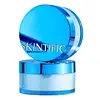
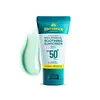
Skintific Invisiblur All Day Loose Powder Versus Amaterasun 100% Physical Soothing Sunscreen SPF50+ PA++++
This hybrid sunscreen covers the full UV range and blocks ~98% of UVB at SPF 50.


What's inside
What's inside
 Key Ingredients
Benefits
Concerns
No concerns
Ingredients Side-by-side
Silica
Abrasive


Talc
Abrasive
CI 77891
Cosmetic ColorantSynthetic Fluorphlogopite
Vinyl Dimethicone/Methicone Silsesquioxane Crosspolymer

CI 77492
Cosmetic ColorantDimethicone
Emollient
CI 77491
Cosmetic ColorantCaprylyl Glycol
Emollient
Phenoxyethanol
Preservative
Ethylhexylglycerin
Skin ConditioningDimethiconol
Emollient
CI 77499
Cosmetic ColorantLauroyl Lysine
Skin Conditioning
Triethoxycaprylylsilane
Hydrolyzed Hyaluronic Acid
Humectant


Hydrogenated Lecithin
Emulsifying
Tocopherol
Antioxidant




Silica, Talc, CI 77891, Synthetic Fluorphlogopite, Vinyl Dimethicone/Methicone Silsesquioxane Crosspolymer, CI 77492, Dimethicone, CI 77491, Caprylyl Glycol, Phenoxyethanol, Ethylhexylglycerin, Dimethiconol, CI 77499, Lauroyl Lysine, Triethoxycaprylylsilane, Hydrolyzed Hyaluronic Acid, Hydrogenated Lecithin, Tocopherol
Water
Skin ConditioningZinc Oxide
Cosmetic Colorant

Cyclopentasiloxane
Emollient
Propanediol
Solvent
Dicaprylyl Carbonate
EmollientDisiloxane
Skin Conditioning
Propylheptyl Caprylate
EmollientNiacinamide
Smoothing



Lauryl Polyglyceryl-3 Polydimethylsiloxyethyl Dimethicone
Skin Conditioning
1,2-Hexanediol
Skin Conditioning
Nymphaea Alba Flower Extract
Skin ConditioningCeramide NP
Skin Conditioning
Panthenol
Skin Conditioning
Glycyrrhiza Glabra Root Extract
Bleaching
Phospholipids
Skin Conditioning
Rosmarinus Officinalis Leaf Extract
AntimicrobialHelianthus Annuus Seed Oil
Emollient


Lactobacillus Ferment
Skin Conditioning
Cholesterol
Emollient
Tocopheryl Acetate
Antioxidant
Solanum Lycopersicum Fruit Extract
Antioxidant
Dipotassium Glycyrrhizate
Humectant
Glycerin
Humectant
Tremella Fuciformis Extract
Humectant
Tocopherol
Antioxidant
Ethyl Ferulate
Antioxidant
Isododecane
EmollientAscorbyl Glucoside
Antioxidant
Ethylhexyl Palmitate
Emollient


Hydrogenated Lecithin
Emulsifying
Sodium Palmitoyl Proline
Skin Conditioning3-O-Ethyl Ascorbic Acid
Skin Conditioning
Disteardimonium Hectorite
StabilisingMagnesium Sulfate
Polyglyceryl-2 Dipolyhydroxystearate
Skin Conditioning
Dipropylene Glycol
HumectantIsopropyl Myristate
Emollient
Chitosan
Butylene Glycol
Humectant
Trimethylsiloxysilicate
Emollient
Acrylates/Polytrimethylsiloxymethacrylate Copolymer
Skin ConditioningYeast Extract
Skin ConditioningPentylene Glycol
Skin Conditioning
Cyanocobalamin
Skin ConditioningPolyhydroxystearic Acid
Emulsifying
Dimethicone
Emollient
Hydroxyacetophenone
Antioxidant
Triethoxycaprylylsilane
Polyglyceryl-4 Diisostearate/Polyhydroxystearate/Sebacate
Emulsifying
Lecithin
Emollient
Octyldodecanol
Emollient
Isostearic Acid
Cleansing
CI 77288
Cosmetic ColorantPolyglyceryl-3 Polyricinoleate
Emulsifying
Neopentyl Glycol Diethylhexanoate
Emollient
Ethyl Hexanediol
SolventMagnesium Chloride
Calcium Gluconate
HumectantPyridoxine Hcl
Skin ConditioningPolyglyceryl-10 Laurate
Skin Conditioning
Ethylhexylglycerin
Skin ConditioningWater, Zinc Oxide, Cyclopentasiloxane, Propanediol, Dicaprylyl Carbonate, Disiloxane, Propylheptyl Caprylate, Niacinamide, Lauryl Polyglyceryl-3 Polydimethylsiloxyethyl Dimethicone, 1,2-Hexanediol, Nymphaea Alba Flower Extract, Ceramide NP, Panthenol, Glycyrrhiza Glabra Root Extract, Phospholipids, Rosmarinus Officinalis Leaf Extract, Helianthus Annuus Seed Oil, Lactobacillus Ferment, Cholesterol, Tocopheryl Acetate, Solanum Lycopersicum Fruit Extract, Dipotassium Glycyrrhizate, Glycerin, Tremella Fuciformis Extract, Tocopherol, Ethyl Ferulate, Isododecane, Ascorbyl Glucoside, Ethylhexyl Palmitate, Hydrogenated Lecithin, Sodium Palmitoyl Proline, 3-O-Ethyl Ascorbic Acid, Disteardimonium Hectorite, Magnesium Sulfate, Polyglyceryl-2 Dipolyhydroxystearate, Dipropylene Glycol, Isopropyl Myristate, Chitosan, Butylene Glycol, Trimethylsiloxysilicate, Acrylates/Polytrimethylsiloxymethacrylate Copolymer, Yeast Extract, Pentylene Glycol, Cyanocobalamin, Polyhydroxystearic Acid, Dimethicone, Hydroxyacetophenone, Triethoxycaprylylsilane, Polyglyceryl-4 Diisostearate/Polyhydroxystearate/Sebacate, Lecithin, Octyldodecanol, Isostearic Acid, CI 77288, Polyglyceryl-3 Polyricinoleate, Neopentyl Glycol Diethylhexanoate, Ethyl Hexanediol, Magnesium Chloride, Calcium Gluconate, Pyridoxine Hcl, Polyglyceryl-10 Laurate, Ethylhexylglycerin
Ingredients Explained
These ingredients are found in both products.
Ingredients higher up in an ingredient list are typically present in a larger amount.
Dimethicone is a type of synthetic silicone created from natural materials such as quartz. It is also known as polydimethylsiloxane.
What it does:
Dimethicone comes in different viscosities:
Depending on the viscosity, dimethicone has different properties.
Ingredients lists don't always show which type is used, so we recommend reaching out to the brand if you have questions about the viscosity.
This ingredient is unlikely to cause irritation because it does not get absorbed into skin. However, people with silicone allergies should be careful about using this ingredient.
Note: Dimethicone may contribute to pilling. This is because it is not oil or water soluble, so pilling may occur when layered with products. When mixed with heavy oils in a formula, the outcome is also quite greasy.
Learn more about DimethiconeEthylhexylglycerin is created from glycerin. It is a multitasker ingredient that:
The CIR Expert Panel found minimal skin absorption or sensitization of any kind in a safety assessment. Though this ingredient is considered well-tolerated, a small number of cases of allergic dermatitis have been published since 2002. Just be sure to patch test if you are unsure.
Industry-reported use ranges from 8% in rinse-off products and 2% in leave-on formulations.
Learn more about EthylhexylglycerinHydrogenated Lecithin is a more stable version of lecithin.
It's made by taking lecithin (a phospholipid commonly found in soybeans and egg yolks) and hydrogenating it. This just means the unsaturated fatty acids are turned into saturated ones so they don't go bad as easily.
This ingredient is an emollient, emulsifier, and penetration enhancer. As an emollient, it helps soften and hydrate skin by trapping moisture within. As an emulsifier, it prevents oil and water ingredients from separating.
Hydrogenated Lecithin can form tiny spherical structures made of phospholipid bilayers called liposomes. These liposomes are able to capture compounds inside their structure and deliver them through the skin barrier.
Because phospholipids are a natural component of our cell membranes, this ingredient is inherently compatible with skin.
A 2021 study found lecithin-based surfactants were less harsh and more tolerable comared to Sodium Lauryl Sulfate (SLS).
Learn more about Hydrogenated LecithinTocopherol is a fat-soluble antioxidant known as Vitamin E.
You'll find this ingredient in the vast majority of skincare (for good reason). It works to neutralize free radicals, or unstable molecules generated by UV exposure, pollution, and other environmental stressors, before they can cause oxidative damage to your skin cells.
Topically applied tocopherol has been shown to protect against UV damage by ramping up the skin's own natural defense enzymes.
It also acts as a skin conditioning agent; some studies show that regular topical use can improve the skin's water-binding capacity over 2-4 weeks.
This ingredient is especially loved for being a team player. When combined with Vitamin C, the photoprotective effect of both ingredients roughly doubles and the combo also helps reduce UV-induced DNA damage.
This ingredient has some brightening potential but it's more of a prevention ingredient than spot-fader. Cell studies show it can slow down melanin production but it's worth noting that it's not the most powerful brightener out there.
In formulations, it also serves as a stabilizer that helps protect other oxidation-prone ingredients from degrading.
Concentrations usually range from 0.1-1% in most leave-on products.
Learn more about TocopherolTriethoxycaprylylsilane is a silicon-based surface modifier that makes sunscreens feel silky and makeup stay put.
Its main job is to coat mineral particles like titanium dioxide, zinc oxide, and color pigments in a thin, oily layer so they spread smoothly, don't clump, and stick to skin better.
This ingredient is typically used at low levels (up to 2.5% in eyeshadow and 1% in lipstick).
Learn more about Triethoxycaprylylsilane

