This wash off mask is formulated around Salicylic Acid to clear breakouts and unclog pores.
This wash off mask is formulated around Salicylic Acid to clear breakouts and unclog pores.

What's inside
What's inside
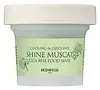 Key Ingredients
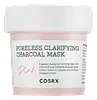
Benefits
Concerns
Ingredients Side-by-side
Water
Skin ConditioningGlycerin
Humectant


Mica
Cosmetic ColorantButylene Glycol
Humectant
Tapioca Starch
Bentonite
Absorbent


Propanediol
Solvent
Glyceryl Glucoside
Humectant
Betaine
Humectant
1,2-Hexanediol
Skin Conditioning
Oryza Sativa Powder
Dipropylene Glycol
HumectantHydroxyacetophenone
Antioxidant
Sodium Acrylate/Sodium Acryloyldimethyl Taurate Copolymer
Emulsion StabilisingMentha Arvensis Powder
MaskingChromium Hydroxide Green
PPG-13-Decyltetradeceth-24
EmulsifyingPolyisobutene
Centella Asiatica Extract
Cleansing


Salicylic Acid
Masking







Xanthan Gum
EmulsifyingTromethamine
BufferingPanthenol
Skin Conditioning
Vitis Vinifera Fruit Extract
Skin ConditioningLactobacillus/Hibiscus Sabdariffa Flower Ferment Filtrate
Skin ConditioningCI 77492
Cosmetic ColorantEucalyptus Globulus Leaf Extract
Perfuming
Rosmarinus Officinalis Leaf Oil
Masking
Ethylhexylglycerin
Skin Conditioning4-Terpineol
Masking
Glucose
Humectant
Sorbitan Oleate
Emulsifying

Caprylyl/Capryl Glucoside
CleansingJuniperus Mexicana Oil
Masking
Methyl Diisopropyl Propionamide
MaskingCitric Acid
Buffering
Sodium Phytate
ChelatingLavandula Hybrida Oil
Emollient
Aloe Barbadensis Leaf Extract
Emollient
Houttuynia Cordata Extract
Skin Conditioning
Cymbopogon Citratus Extract
Skin ConditioningMentha Arvensis Extract
MaskingPelargonium Graveolens Flower/Leaf/Stem Extract
MaskingFerula Galbaniflua Resin Oil
Antimicrobial
Erythritol
Humectant
Citrus Aurantium Amara Flower Extract
RefreshingPeucedanum Graveolens Extract
TonicLycium Chinense Fruit Extract
Antioxidant
Myristica Fragrans Extract
MaskingWater, Glycerin, Mica, Butylene Glycol, Tapioca Starch, Bentonite, Propanediol, Glyceryl Glucoside, Betaine, 1,2-Hexanediol, Oryza Sativa Powder, Dipropylene Glycol, Hydroxyacetophenone, Sodium Acrylate/Sodium Acryloyldimethyl Taurate Copolymer, Mentha Arvensis Powder, Chromium Hydroxide Green, PPG-13-Decyltetradeceth-24, Polyisobutene, Centella Asiatica Extract, Salicylic Acid, Xanthan Gum, Tromethamine, Panthenol, Vitis Vinifera Fruit Extract, Lactobacillus/Hibiscus Sabdariffa Flower Ferment Filtrate, CI 77492, Eucalyptus Globulus Leaf Extract, Rosmarinus Officinalis Leaf Oil, Ethylhexylglycerin, 4-Terpineol, Glucose, Sorbitan Oleate, Caprylyl/Capryl Glucoside, Juniperus Mexicana Oil, Methyl Diisopropyl Propionamide, Citric Acid, Sodium Phytate, Lavandula Hybrida Oil, Aloe Barbadensis Leaf Extract, Houttuynia Cordata Extract, Cymbopogon Citratus Extract, Mentha Arvensis Extract, Pelargonium Graveolens Flower/Leaf/Stem Extract, Ferula Galbaniflua Resin Oil, Erythritol, Citrus Aurantium Amara Flower Extract, Peucedanum Graveolens Extract, Lycium Chinense Fruit Extract, Myristica Fragrans Extract
Water
Skin ConditioningSilica
Abrasive
Propanediol
Solvent
Kaolin
Abrasive
Glycerin
Humectant
Diatomaceous Earth
Abrasive
1,2-Hexanediol
Skin Conditioning
Butylene Glycol
Humectant
Camellia Sinensis Seed Extract
Humectant
Betaine
Humectant
Carbomer
Emulsion StabilisingTromethamine
BufferingHydroxyacetophenone
Antioxidant
Titanium Dioxide
Cosmetic Colorant

Ammonium Acryloyldimethyltaurate/Vp Copolymer
Cellulose
Absorbent
Charcoal Powder
Abrasive
Calamine
AbsorbentCellulose Gum
Emulsion StabilisingXanthan Gum
EmulsifyingSilica Dimethyl Silylate
EmollientDisodium EDTA
ChelatingEthylhexylglycerin
Skin ConditioningEthylcellulose
Gardenia Florida Fruit Extract
Skin ConditioningDextrin
AbsorbentLauric Acid
Cleansing
Zea Mays Starch
Absorbent
Aluminum Hydroxide
EmollientMannitol
Humectant
Hyaluronic Acid
Humectant
Hydrolyzed Hyaluronic Acid
Humectant
Sodium Hyaluronate
Humectant
Polyglyceryl-10 Stearate
Skin Conditioning
Salicylic Acid
Masking
Water, Silica, Propanediol, Kaolin, Glycerin, Diatomaceous Earth, 1,2-Hexanediol, Butylene Glycol, Camellia Sinensis Seed Extract, Betaine, Carbomer, Tromethamine, Hydroxyacetophenone, Titanium Dioxide, Ammonium Acryloyldimethyltaurate/Vp Copolymer, Cellulose, Charcoal Powder, Calamine, Cellulose Gum, Xanthan Gum, Silica Dimethyl Silylate, Disodium EDTA, Ethylhexylglycerin, Ethylcellulose, Gardenia Florida Fruit Extract, Dextrin, Lauric Acid, Zea Mays Starch, Aluminum Hydroxide, Mannitol, Hyaluronic Acid, Hydrolyzed Hyaluronic Acid, Sodium Hyaluronate, Polyglyceryl-10 Stearate, Salicylic Acid
Reviews
Ingredients Explained
These ingredients are found in both products.
Ingredients higher up in an ingredient list are typically present in a larger amount.
1,2-Hexanediol is a synthetic liquid and another multi-functional powerhouse.
It is a:
- Humectant, drawing moisture into the skin
- Emollient, helping to soften skin
- Solvent, dispersing and stabilizing formulas
- Preservative booster, enhancing the antimicrobial activity of other preservatives
Betaine is a humectant. Like hyaluronic acid, it helps attract and retain moisture in the skin. It’s known for being gentle and for helping the skin maintain balanced hydration.
Betaine is mainly used to improve hydration and support calmer skin. It helps skin cells regulate water balance because it functions as an osmolyte.
Some studies suggest betaine may support making skin tone more even.
Fun fact: Betaine naturally exists in the skin and the body. In cosmetic products, it can be either plant-derived (most commonly from sugar beets) or synthetically produced for consistency and stability.
Betaine is also known as trimethylglycine.
Learn more about BetaineButylene Glycol (or BG) is used within cosmetic products for a few different reasons:
Overall, Butylene Glycol is a safe and well-rounded ingredient that works well with other ingredients.
Though this ingredient works well with most skin types, some people with sensitive skin may experience a reaction such as allergic rashes, closed comedones, or itchiness.
Learn more about Butylene GlycolEthylhexylglycerin is created from glycerin. It is a multitasker ingredient that:
The CIR Expert Panel found minimal skin absorption or sensitization of any kind in a safety assessment. Though this ingredient is considered well-tolerated, a small number of cases of allergic dermatitis have been published since 2002. Just be sure to patch test if you are unsure.
Industry-reported use ranges from 8% in rinse-off products and 2% in leave-on formulations.
Learn more about EthylhexylglycerinGlycerin (or glycerol) is a compound naturally found in your skin. It's a powerhouse humectant that pulls water into the stratum corneum.
Topically, glycerin does several things at once:
Your skin makes glycerin on its own (mostly from sebaceous oil breakdown) and shuttles it to your outermost layer of skin, or your epidermis, via aquaporin-3.
Aquaporin-3 is a transporter that is essential for normal skin hydration, elasticity, and repair. Interestingly, mice lacking in AQP3 have dry and less elastic skin that can be fully corrected with glycerin.
This ingredient is non-irritating, plays well with almost every ingredient, and works across all skin types. Typical use is anywhere between 3-10% but can go up to 79% in some leave-on products.
Just know very high concentrations (>40%) can feel tacky in low humidity.
Glycerin is the name for this ingredient in American English. British English uses Glycerol/Glycerine.
Learn more about GlycerinHydroxyacetophenone is a small phenolic molecule that earns its place in a formulas as an antioxidant and preservative booster.
As a phenol, it is able to neutralize free radicals to protect both the product and the skin from oxidative stress.
Though it can't kill microbes on its own, it works as a good supporting agent when combined with other preservatives like Phenoxyethanol or 1,2-Hexanediol.
This ingredient naturally occurs as piceol in Norwegian spruce needles (~0.4-1.1% dry weight and in cloudberries). Though the cosmetic-grade material is synthesized for purity and consistency.
You'll usually see it used at low levels and suppliers recommend up to 1% added to a water phase.
Safety testing was done at concentrations like 0.05% in SPF products and 0.5% in a Human Repeated Insult Patch Test. The safety evidence is assuring; this ingredient is safe for cosmetics in current use and also holds safety status as a food flavoring as well.
An honest caveat: the "soothing" and "anti-inflammatory" claims come mostly from supplier marketing rather than published clinical trials. The Cosmetic Ingredient Review's own literature search found no useful efficacy studies on this ingredient.
So the antioxidant and preservative-boosting roles are the well supported ones while the calming benefit is plausible but thinly evidenced.
Overall, this is a well-tolerated, low-irritation multitasker that quietly helps a formula stay fresh and stable.
Learn more about HydroxyacetophenonePropanediol is an all-star ingredient. It softens, hydrates, and smooths the skin.
It’s often used to:
Propanediol is not likely to cause sensitivity and considered safe to use. It is derived from corn or petroleum with a clear color and no scent.
Learn more about PropanediolSalicylic Acid (also known as beta hydroxy acid or BHA) is a well-known ingredient for treating skin that struggles with acne and clogged pores. It exfoliates both the skin's surface and deep within the pores to help clear out buildup, control oil, and reduce inflammation.
Unlike AHAs (alpha hydroxy acids), salicylic acid is oil-soluble. This allows it to penetrate into pores which makes it especially effective for treating blackheads and preventing future breakouts.
Salicylic acid is also known for its soothing properties. It has a similar structure to aspirin and can calm inflamed or irritated skin, making it a good option for acne-prone skin that is also sensitive.
Concentrations of 0.5-2% are recognized by the U.S. FDA as an over-the-counter topical acne product.
It can cause irritation and/or dryness if one's skin already has a compromised moisture barrier, so it's best to focus on repairing that before introducing this ingredient into your routine.
While salicylic acid does not increase sun sensitivity, it’s still important to wear sunscreen daily to protect your skin.
If you are looking for the ingredient called BHA or Butylated Hydroxyanisole, click here.
Learn more about Salicylic AcidTromethamine (aka THAM) is a synthetic amino acid that shows up in skincare as a helper ingredient.
It functions as a pH adjuster to help neutralize acidic ingredients and set a formula's pH to the right spot.
This matters a lot because a lot of actives (like vitamin C) needs a specific pH to work well and feel comfortable on skin.
Concentration use ranges from 0.1-1.0% depending on the formula.
Learn more about TromethamineWater. It's the most common cosmetic ingredient of all. You'll usually see it at the top of ingredient lists, meaning that it makes up the largest part of the product.
So why is it so popular? Water most often acts as a solvent - this means that it helps dissolve other ingredients into the formulation.
You'll also recognize water as that liquid we all need to stay alive. If you see this, drink a glass of water. Remember to stay hydrated!
Learn more about WaterXanthan gum is used as a stabilizer and thickener within cosmetic products. It helps give products a sticky, thick feeling - preventing them from being too runny.
On the technical side of things, xanthan gum is a polysaccharide - a combination consisting of multiple sugar molecules bonded together.
Xanthan gum is a pretty common and great ingredient. It is a natural, non-toxic, non-irritating ingredient that is also commonly used in food products.
Learn more about Xanthan Gum

