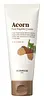
This pore-care moisturizer is formulated around Niacinamide and Palmitoyl Tripeptide-5 to refine the look of pores and refine skin texture.
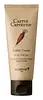
This calming moisturizer is formulated around Daucus Carota Sativa Root Extract and Beta-Glucan to calm redness and hydrate skin.

What's inside
What's inside
 Key Ingredients
No key ingredients
Benefits
Concerns
Ingredients Side-by-side
Water
Skin ConditioningQuercus Acutissima Fruit Extract 10%
AstringentButylene Glycol
Humectant

Glycerin
Humectant
Niacinamide
Smoothing









Dicaprylyl Ether
Emollient
Pentylene Glycol
Skin Conditioning
Hydrogenated Polydecene
EmollientDicaprylyl Carbonate
EmollientVinyldimethicone

Hydroxyethyl Acrylate/Sodium Acryloyldimethyl Taurate Copolymer
Emulsion StabilisingAcrylates/C10-30 Alkyl Acrylate Crosspolymer
Emulsion StabilisingHydroxyacetophenone
Antioxidant
1,2-Hexanediol
Skin Conditioning
Tromethamine
BufferingDimethiconol
Emollient
Gluconolactone
Chelating
Opuntia Ficus-Indica Stem Extract
Skin Conditioning
Hamamelis Virginiana Extract
Antiseborrhoeic



Adenosine
Skin Conditioning
Sorbitan Isostearate
Emulsifying
Diospyros Kaki Fruit Extract
Skin ConditioningCamellia Sinensis Leaf Extract
Antimicrobial
Castanea Crenata Shell Extract
Skin ConditioningXanthan Gum
EmulsifyingSodium Phytate
ChelatingGlyceryl Acrylate/Acrylic Acid Copolymer
HumectantBiosaccharide Gum-1
Humectant
Sodium Hyaluronate
Humectant
Hydrolyzed Lupine Protein
Skin ConditioningDextrin
AbsorbentTheobroma Cacao Extract
Skin ConditioningEnantia Chlorantha Bark Extract
Skin ConditioningBeta-Glucan
Skin Conditioning
Eucalyptus Globulus Leaf Oil
Perfuming



Rosmarinus Officinalis Leaf Oil
Masking
Amyris Balsamifera Bark Oil
Masking
Salvia Officinalis Oil
Masking
Pueraria Lobata Root Extract
HumectantUlmus Davidiana Root Extract
Skin Conditioning
Oenothera Biennis Flower/Leaf/Stem Extract
Skin ConditioningPinus Palustris Leaf Extract
TonicCitrus Aurantium Bergamia Fruit Oil
Masking
Ethylhexylglycerin
Skin ConditioningHelianthus Annuus Seed Oil
Emollient
Palmitoyl Tripeptide-5
Skin Conditioning
Tocopherol
Antioxidant
Salvia Sclarea Oil
Masking
Oleanolic Acid
Skin ConditioningCaprylyl Glycol
Emollient
Water, Quercus Acutissima Fruit Extract 10%, Butylene Glycol, Glycerin, Niacinamide, Dicaprylyl Ether, Pentylene Glycol, Hydrogenated Polydecene, Dicaprylyl Carbonate, Vinyldimethicone, Hydroxyethyl Acrylate/Sodium Acryloyldimethyl Taurate Copolymer, Acrylates/C10-30 Alkyl Acrylate Crosspolymer, Hydroxyacetophenone, 1,2-Hexanediol, Tromethamine, Dimethiconol, Gluconolactone, Opuntia Ficus-Indica Stem Extract, Hamamelis Virginiana Extract, Adenosine, Sorbitan Isostearate, Diospyros Kaki Fruit Extract, Camellia Sinensis Leaf Extract, Castanea Crenata Shell Extract, Xanthan Gum, Sodium Phytate, Glyceryl Acrylate/Acrylic Acid Copolymer, Biosaccharide Gum-1, Sodium Hyaluronate, Hydrolyzed Lupine Protein, Dextrin, Theobroma Cacao Extract, Enantia Chlorantha Bark Extract, Beta-Glucan, Eucalyptus Globulus Leaf Oil, Rosmarinus Officinalis Leaf Oil, Amyris Balsamifera Bark Oil, Salvia Officinalis Oil, Pueraria Lobata Root Extract, Ulmus Davidiana Root Extract, Oenothera Biennis Flower/Leaf/Stem Extract, Pinus Palustris Leaf Extract, Citrus Aurantium Bergamia Fruit Oil, Ethylhexylglycerin, Helianthus Annuus Seed Oil, Palmitoyl Tripeptide-5, Tocopherol, Salvia Sclarea Oil, Oleanolic Acid, Caprylyl Glycol
Water
Skin ConditioningDaucus Carota Sativa Root Extract
Skin Conditioning
Isohexadecane
EmollientPolyglyceryl-6 Stearate
Emollient
Dipropylene Glycol
HumectantPentylene Glycol
Skin Conditioning
Glycerin
Humectant
Butylene Glycol
Humectant
Cetyl Ethylhexanoate
EmollientCaprylic/Capric Triglyceride
Masking
Beta-Glucan
Skin Conditioning
Carbomer
Emulsion StabilisingPolyglyceryl-6 Behenate
Emulsion Stabilising
Daucus Carota Sativa Seed Oil
Emollient

Tromethamine
BufferingCetearyl Alcohol
Emollient
Undaria Pinnatifida Extract
Skin ConditioningMaltodextrin
Absorbent
Saccharide Hydrolysate
HumectantAllantoin
Skin Conditioning
Olea Europaea Fruit Oil
Masking
Pogostemon Cablin Leaf Oil
Masking
Lavandula Hybrida Oil
Emollient
Salvia Officinalis Oil
Masking
Artemisia Vulgaris Oil
Perfuming
Citrus Aurantium Dulcis Peel Oil
Masking
1,2-Hexanediol
Skin Conditioning
Ethylhexylglycerin
Skin ConditioningWater, Daucus Carota Sativa Root Extract, Isohexadecane, Polyglyceryl-6 Stearate, Dipropylene Glycol, Pentylene Glycol, Glycerin, Butylene Glycol, Cetyl Ethylhexanoate, Caprylic/Capric Triglyceride, Beta-Glucan, Carbomer, Polyglyceryl-6 Behenate, Daucus Carota Sativa Seed Oil, Tromethamine, Cetearyl Alcohol, Undaria Pinnatifida Extract, Maltodextrin, Saccharide Hydrolysate, Allantoin, Olea Europaea Fruit Oil, Pogostemon Cablin Leaf Oil, Lavandula Hybrida Oil, Salvia Officinalis Oil, Artemisia Vulgaris Oil, Citrus Aurantium Dulcis Peel Oil, 1,2-Hexanediol, Ethylhexylglycerin
Ingredients Explained
These ingredients are found in both products.
Ingredients higher up in an ingredient list are typically present in a larger amount.
1,2-Hexanediol is a synthetic liquid and another multi-functional powerhouse.
It is a:
- Humectant, drawing moisture into the skin
- Emollient, helping to soften skin
- Solvent, dispersing and stabilizing formulas
- Preservative booster, enhancing the antimicrobial activity of other preservatives
Beta-Glucan is a soluble polysaccharide (a chain of glucose sugars) sourced from the cells walls of oats, baker's yeast, mushrooms, and seaweed.
It's a rare ingredient that pulls double-duty as a heavy-duty hydrator and skin-soothing repair agent.
On the surface, it acts as a humectant that holds water in place and reduces moisture loss for a plumper, smoother feel, while its anti-inflammatory and antioxidant properties make it a great pick for calming redness or sensitive skin
The more interesting story is underneath:
Despite its large molecular size, oat beta-glucan has been shown to penetrate the epidermis and reach the dermis by slipping between skin cells. Here, it interacts with fibroblasts and macrophages to nudge collagen synthesis and support wound repair.
A small 2005 split-face clinical study of 27 subjects found topical beta-glucan produced measurable reductions in wrinkle depth, height, and roughness after 8 weeks of use.
It is worth noting the trial was small and the penetration testing used frozen, irradiated skin so the anti-aging data is encouraging rather than definitive.
This ingredient gets along with pretty much everything and is typically used around 0.1-1%.
Fungal acne: This ingredient is not a food source for the Malassezia yeast because it is a glucose polysaccharide with no fatty acid or ester component.
Learn more about Beta-GlucanButylene Glycol (or BG) is used within cosmetic products for a few different reasons:
Overall, Butylene Glycol is a safe and well-rounded ingredient that works well with other ingredients.
Though this ingredient works well with most skin types, some people with sensitive skin may experience a reaction such as allergic rashes, closed comedones, or itchiness.
Learn more about Butylene GlycolEthylhexylglycerin is created from glycerin. It is a multitasker ingredient that:
The CIR Expert Panel found minimal skin absorption or sensitization of any kind in a safety assessment. Though this ingredient is considered well-tolerated, a small number of cases of allergic dermatitis have been published since 2002. Just be sure to patch test if you are unsure.
Industry-reported use ranges from 8% in rinse-off products and 2% in leave-on formulations.
Learn more about EthylhexylglycerinGlycerin (or glycerol) is a compound naturally found in your skin. It's a powerhouse humectant that pulls water into the stratum corneum.
Topically, glycerin does several things at once:
Your skin makes glycerin on its own (mostly from sebaceous oil breakdown) and shuttles it to your outermost layer of skin, or your epidermis, via aquaporin-3.
Aquaporin-3 is a transporter that is essential for normal skin hydration, elasticity, and repair. Interestingly, mice lacking in AQP3 have dry and less elastic skin that can be fully corrected with glycerin.
This ingredient is non-irritating, plays well with almost every ingredient, and works across all skin types. Typical use is anywhere between 3-10% but can go up to 79% in some leave-on products.
Just know very high concentrations (>40%) can feel tacky in low humidity.
Glycerin is the name for this ingredient in American English. British English uses Glycerol/Glycerine.
Learn more about GlycerinPentylene Glycol (1,2-pentanediol) is a multitasking little diol with three main roles in a formula:
Research on alkanediols (the family pentylene glycol belongs to) show they work by disrupting microbial cell membranes. This disruption helps the primary preservative system in a product work more effectively at lower doses.
On the safety side, the Cosmetic Ingredient Review Expert Panel has concluded this ingredient to be safe as used in current cosmetic practices + concentrations.
Typical use levels in a formula run about 1-5%.
Learn more about Pentylene GlycolSalvia Officinalis Oil is an oil.
Tromethamine (aka THAM) is a synthetic amino acid that shows up in skincare as a helper ingredient.
It functions as a pH adjuster to help neutralize acidic ingredients and set a formula's pH to the right spot.
This matters a lot because a lot of actives (like vitamin C) needs a specific pH to work well and feel comfortable on skin.
Concentration use ranges from 0.1-1.0% depending on the formula.
Learn more about TromethamineWater. It's the most common cosmetic ingredient of all. You'll usually see it at the top of ingredient lists, meaning that it makes up the largest part of the product.
So why is it so popular? Water most often acts as a solvent - this means that it helps dissolve other ingredients into the formulation.
You'll also recognize water as that liquid we all need to stay alive. If you see this, drink a glass of water. Remember to stay hydrated!
Learn more about Water

