

What's inside
What's inside
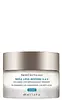 Key Ingredients
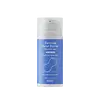
Benefits
Concerns
Ingredients Side-by-side
Water
Skin ConditioningDimethicone
Emollient
Hydrogenated Polyisobutene
EmollientGlycerin
Humectant



Cholesterol
Emollient
C12-15 Alkyl Benzoate
AntimicrobialCeramide NP
Skin Conditioning


Helianthus Annuus Seed Oil Unsaponifiables
Emollient

Bis-PEG-18 Methyl Ether Dimethyl Silane
EmollientSodium Polyacrylate
Absorbent
PEG-10 Dimethicone
Skin Conditioning
Nylon-12

Lauryl PEG-9 Polydimethylsiloxyethyl Dimethicone
Skin Conditioning
Dimethicone/PEG-10/15 Crosspolymer
Phenoxyethanol
Preservative
Disteardimonium Hectorite
StabilisingHydroxyethylpiperazine Ethane Sulfonic Acid
BufferingAmmonium Polyacryloyldimethyl Taurate
Emulsion StabilisingChlorphenesin
Antimicrobial
Caprylyl Glycol
Emollient
PEG/PPG-18/18 Dimethicone
Emulsifying
Propylene Carbonate
SolventDisodium EDTA
Acrylonitrile/Methyl Methacrylate/Vinylidene Chloride Copolymer
Adenosine
Skin Conditioning
Dipropylene Glycol
HumectantLavandula Angustifolia Oil
Masking


Rosmarinus Officinalis Leaf Oil
Masking
T-Butyl Alcohol
Perfuming

Mentha Piperita Oil
Masking
Sodium Citrate
BufferingLinalool
Perfuming

Isobutane
Ceramide EOP
Skin Conditioning
BHT
Antioxidant
Tocopherol
Antioxidant
Limonene
Perfuming
Ceramide AP
Skin Conditioning
Water, Dimethicone, Hydrogenated Polyisobutene, Glycerin, Cholesterol, C12-15 Alkyl Benzoate, Ceramide NP, Helianthus Annuus Seed Oil Unsaponifiables, Bis-PEG-18 Methyl Ether Dimethyl Silane, Sodium Polyacrylate, PEG-10 Dimethicone, Nylon-12, Lauryl PEG-9 Polydimethylsiloxyethyl Dimethicone, Dimethicone/PEG-10/15 Crosspolymer, Phenoxyethanol, Disteardimonium Hectorite, Hydroxyethylpiperazine Ethane Sulfonic Acid, Ammonium Polyacryloyldimethyl Taurate, Chlorphenesin, Caprylyl Glycol, PEG/PPG-18/18 Dimethicone, Propylene Carbonate, Disodium EDTA, Acrylonitrile/Methyl Methacrylate/Vinylidene Chloride Copolymer, Adenosine, Dipropylene Glycol, Lavandula Angustifolia Oil, Rosmarinus Officinalis Leaf Oil, T-Butyl Alcohol, Mentha Piperita Oil, Sodium Citrate, Linalool, Isobutane, Ceramide EOP, BHT, Tocopherol, Limonene, Ceramide AP
Water
Skin ConditioningPropanediol
Solvent
Glycerin
Humectant
Caprylic/Capric Triglyceride
Masking
Hydrogenated Poly(C6-14 Olefin)
EmollientBehenyl Alcohol
Emollient
Limnanthes Alba Seed Oil
Skin Conditioning
Polyglyceryl-6 Stearate
Emollient
1,2-Hexanediol
Skin Conditioning
Cetyl Alcohol
Emollient
Candida/Garcinia Cambogia Ferment
Ceramide NP
Skin Conditioning
Glyceryl Stearate
Emollient
Ammonium Acryloyldimethyltaurate/Vp Copolymer
Polyglyceryl-6 Behenate
Emulsion Stabilising
Allantoin
Skin Conditioning
Squalane
Emollient
Caprylyl Glycol
Emollient
Panthenol
Skin Conditioning
Macadamia Ternifolia Seed Oil
Emollient
Xanthan Gum
EmulsifyingButyrospermum Parkii Butter
Skin Conditioning

Ethylhexylglycerin
Skin ConditioningDisodium EDTA
Dipropylene Glycol
HumectantHydrogenated Lecithin
Emulsifying
Ceramide Ns
Skin Conditioning
Ceramide As
Skin Conditioning
Ceramide AP
Skin Conditioning
Cholesterol
Emollient
Ceramide EOP
Skin Conditioning
Water, Propanediol, Glycerin, Caprylic/Capric Triglyceride, Hydrogenated Poly(C6-14 Olefin), Behenyl Alcohol, Limnanthes Alba Seed Oil, Polyglyceryl-6 Stearate, 1,2-Hexanediol, Cetyl Alcohol, Candida/Garcinia Cambogia Ferment, Ceramide NP, Glyceryl Stearate, Ammonium Acryloyldimethyltaurate/Vp Copolymer, Polyglyceryl-6 Behenate, Allantoin, Squalane, Caprylyl Glycol, Panthenol, Macadamia Ternifolia Seed Oil, Xanthan Gum, Butyrospermum Parkii Butter, Ethylhexylglycerin, Disodium EDTA, Dipropylene Glycol, Hydrogenated Lecithin, Ceramide Ns, Ceramide As, Ceramide AP, Cholesterol, Ceramide EOP
Reviews
Ingredients Explained
These ingredients are found in both products.
Ingredients higher up in an ingredient list are typically present in a larger amount.
Caprylyl Glycol is a humectant and emollient, meaning it attracts and preserves moisture.
It is a common ingredient in many products, especially those designed to hydrate skin. The primary benefits are retaining moisture, skin softening, and promoting a healthy skin barrier.
Though Caprylyl Glycol is an alcohol derived from fatty acids, it is not the kind that can dry out skin.
This ingredient is also used as a preservative to extend the life of products. It has slight antimicrobial properties.
Learn more about Caprylyl GlycolCeramide AP is formally known as Ceramide 6.
Ceramides are intercellular lipids naturally found in our skin that bonds dead skin cells together to create a barrier. Having a strong skin barrier leads to more firm and hydrated skin.
They are known for their ability to hold water and thus are a great ingredient for dry skin. By bolstering the skin ceramides act as a barrier against irritating ingredients. This can help with inflammation as well.
If you would like to eat ceramides, sweet potatoes contain a small amount.
Read more about other common types of ceramides here:
Ceramide NP
Ceramide EOP
Ceramide EOP is formally known as Ceramide 1 and Ceramide 1 A.
EOP stands for a linked Ester fatty acid, a linked Omega hydroxy fatty acid, and the Phytosphingosine base.
Ceramides are intercellular lipids naturally found in our skin. They bind dead skin cells together to create a barrier. The ceramides in our skin have the ability to hold water to keep our skin hydrated.
Ceramides are an important building block for our skin barrier. A strong skin barrier helps with:
If you would like to eat ceramides, sweet potatoes contain a small amount.
Read more about other common types of ceramides here:
Learn more about Ceramide EOPCeramide NP is a type of ceramide and formally known as ceramide 3.
Ceramides are intercellular lipids naturally found in our skin that bonds dead skin cells together to create a barrier. They are known for their ability to hold water and thus are a great ingredient for dry skin.
Ceramides are an important building block for our skin barrier. A stronger barrier helps the skin look more firm and hydrated. By bolstering the skin ceramides act as a barrier against irritating ingredients. This can help with inflammation as well.
If you would like to eat ceramides, sweet potatoes contain a small amount.
Read more about other common types of ceramides here:
Ceramide AP
Ceramide EOP
Cholesterol is a class of organic molecules called lipids. It helps hydrate your skin and is essential to having a healthy skin barrier.
Our skin naturally contains cholesterol in the outermost layer. Besides cholesterol, it also contains ceramides and fatty acids. Cholesterol makes up about 1/4 of your skin's outer layer and barrier. Your skin barrier is responsible for keeping allergens and microbes out. Having a healthy skin barrier is also responsible for keeping your skin firm and plump.
Our bodies use cholestrol to create vitamin D, steroid hormones, and more.
Learn more about CholesterolDipropylene Glycol is a synthetically created humectant, stabilizer, and solvent.
This ingredient helps:
Dipropylene glycol is technically an alcohol, but it belongs to the glycol family (often considered part of the ‘good’ alcohols). This means it is hydrating and gentle on skin unlike drying solvent alcohols like denatured alcohol.
As a masking agent, Dipropylene Glycol can be used to cover the smell of other ingredients. However, it does not have a scent.
Studies show Dipropylene Glycol is considered safe to use in skincare.
Learn more about Dipropylene GlycolDisodium EDTA plays a role in making products more stable by aiding other preservatives.
It is a chelating agent, meaning it neutralizes metal ions that may be found in a product.
Disodium EDTA is a salt of edetic acid and is found to be safe in cosmetic ingredients.
Learn more about Disodium EDTAGlycerin is already naturally found in your skin. It helps moisturize and protect your skin.
A study from 2016 found glycerin to be more effective as a humectant than AHAs and hyaluronic acid.
As a humectant, it helps the skin stay hydrated by pulling moisture to your skin. The low molecular weight of glycerin allows it to pull moisture into the deeper layers of your skin.
Hydrated skin improves your skin barrier; Your skin barrier helps protect against irritants and bacteria.
Glycerin has also been found to have antimicrobial and antiviral properties. Due to these properties, glycerin is often used in wound and burn treatments.
In cosmetics, glycerin is usually derived from plants such as soybean or palm. However, it can also be sourced from animals, such as tallow or animal fat.
This ingredient is organic, colorless, odorless, and non-toxic.
Glycerin is the name for this ingredient in American English. British English uses Glycerol/Glycerine.
Learn more about GlycerinWater. It's the most common cosmetic ingredient of all. You'll usually see it at the top of ingredient lists, meaning that it makes up the largest part of the product.
So why is it so popular? Water most often acts as a solvent - this means that it helps dissolve other ingredients into the formulation.
You'll also recognize water as that liquid we all need to stay alive. If you see this, drink a glass of water. Stay hydrated!
Learn more about Water
