SkinCeuticals P-Tiox Wrinkle-Modulating Peptide Cream Versus SkinCeuticals Sérum A.G.E. Interrupter Ultra
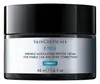
This anti-aging moisturizer is formulated around Niacinamide and Dipeptide Diaminobutyroyl Benzylamide Diacetate to soften the look of wrinkles and refine skin texture.

What's inside
What's inside
 Key Ingredients
Benefits
Concerns
Ingredients Side-by-side
Water
Skin ConditioningButylene Glycol
Humectant

Niacinamide
Smoothing










Glycerin
Humectant
Dicaprylyl Carbonate
EmollientPentylene Glycol
Skin Conditioning
Cetearyl Alcohol
Emollient






1,2-Hexanediol
Skin Conditioning
Isododecane
EmollientC14-22 Alcohols
Emulsion Stabilising
Caprylic/Capric Triglyceride
Masking
Vinyldimethicone

Macadamia Integrifolia Seed Oil
Skin Conditioning
Glyceryl Stearate Se
Emulsifying
C12-20 Alkyl Glucoside
EmulsifyingNymphaea Alba Flower Extract
Skin ConditioningAcrylates/C10-30 Alkyl Acrylate Crosspolymer
Emulsion StabilisingButyrospermum Parkii Butter
Skin Conditioning
C12-16 Alcohols
EmollientTromethamine
BufferingPsidium Guajava Fruit Extract
AstringentCamellia Sinensis Leaf Extract
Antimicrobial
Allium Sativum Bulb Extract
Skin ConditioningZinc PCA
Humectant
Capryloyl Salicylic Acid
Exfoliating
Psidium Guajava Leaf Extract
AstringentLuffa Cylindrica Fruit Extract
Skin ConditioningHydrogenated Lecithin
Emulsifying
Palmitic Acid
Emollient
Cetyl Palmitate
Emollient
Ethylhexylglycerin
Skin ConditioningAdenosine
Skin Conditioning
Sorbitan Stearate
Emulsifying
Polysorbate 80
Emulsifying
Tocopherol
Antioxidant
Ceramide NP
Skin Conditioning
Dipeptide Diaminobutyroyl Benzylamide Diacetate
Skin Conditioning
Sodium Benzoate
Masking
Citric Acid
Buffering
Palmitoyl Tetrapeptide-10
Skin Conditioning
Water, Butylene Glycol, Niacinamide, Glycerin, Dicaprylyl Carbonate, Pentylene Glycol, Cetearyl Alcohol, 1,2-Hexanediol, Isododecane, C14-22 Alcohols, Caprylic/Capric Triglyceride, Vinyldimethicone, Macadamia Integrifolia Seed Oil, Glyceryl Stearate Se, C12-20 Alkyl Glucoside, Nymphaea Alba Flower Extract, Acrylates/C10-30 Alkyl Acrylate Crosspolymer, Butyrospermum Parkii Butter, C12-16 Alcohols, Tromethamine, Psidium Guajava Fruit Extract, Camellia Sinensis Leaf Extract, Allium Sativum Bulb Extract, Zinc PCA, Capryloyl Salicylic Acid, Psidium Guajava Leaf Extract, Luffa Cylindrica Fruit Extract, Hydrogenated Lecithin, Palmitic Acid, Cetyl Palmitate, Ethylhexylglycerin, Adenosine, Sorbitan Stearate, Polysorbate 80, Tocopherol, Ceramide NP, Dipeptide Diaminobutyroyl Benzylamide Diacetate, Sodium Benzoate, Citric Acid, Palmitoyl Tetrapeptide-10
Water
Skin ConditioningPropylene Glycol
Humectant
Hydroxypropyl Tetrahydropyrantriol
Skin ConditioningGlycerin
Humectant
Dimethicone
Emollient
Cetearyl Isononanoate
Emollient
Isohexadecane
EmollientPEG/PPG/Polybutylene Glycol-8/5/3 Glycerin
HumectantDiisopropyl Sebacate
EmollientVp/Va Copolymer
Hydroxyacetophenone
Antioxidant
Phenoxyethanol
Preservative
Polysilicone-11
Cellulose
Absorbent
Hydrogenated Lecithin
Emulsifying
Xanthan Gum
EmulsifyingPropanediol
Solvent
Acrylates/C10-30 Alkyl Acrylate Crosspolymer
Emulsion StabilisingCaprylyl Glycol
Emollient
Panthenol
Skin Conditioning
Rhamnose
HumectantEctoin
Skin Conditioning
Cassia Alata Leaf Extract
AstringentMaltodextrin
Absorbent
Sorbitol
Humectant
Vaccinium Myrtillus Fruit Extract
Skin ConditioningSodium Hydroxide
BufferingAdenosine
Skin Conditioning
Trisodium Ethylenediamine Disuccinate
ChelatingPunica Granatum Fruit Extract
Antioxidant
Gentiana Lutea Root Extract
Skin ConditioningHydrolyzed Soy Protein
Humectant
Sodium Benzoate
Masking
Potassium Sorbate
Preservative
Citric Acid
Buffering
Parfum
Masking


Water, Propylene Glycol, Hydroxypropyl Tetrahydropyrantriol, Glycerin, Dimethicone, Cetearyl Isononanoate, Isohexadecane, PEG/PPG/Polybutylene Glycol-8/5/3 Glycerin, Diisopropyl Sebacate, Vp/Va Copolymer, Hydroxyacetophenone, Phenoxyethanol, Polysilicone-11, Cellulose, Hydrogenated Lecithin, Xanthan Gum, Propanediol, Acrylates/C10-30 Alkyl Acrylate Crosspolymer, Caprylyl Glycol, Panthenol, Rhamnose, Ectoin, Cassia Alata Leaf Extract, Maltodextrin, Sorbitol, Vaccinium Myrtillus Fruit Extract, Sodium Hydroxide, Adenosine, Trisodium Ethylenediamine Disuccinate, Punica Granatum Fruit Extract, Gentiana Lutea Root Extract, Hydrolyzed Soy Protein, Sodium Benzoate, Potassium Sorbate, Citric Acid, Parfum
Ingredients Explained
These ingredients are found in both products.
Ingredients higher up in an ingredient list are typically present in a larger amount.
Acrylates/C10-30 Alkyl Acrylate Crosspolymer is a synthetic polymer. It is used to thicken, emulsify, and improve the texture of products.
As an emulsifier, it helps stabilize oil-in-water emulsions to give products an elegant feel when applied.
It can also form a thin protective film on skin. One study found that a formula using this polymer helped slow down how quickly other ingredients (like DEET) were absorbed through skin.
A 2024 study of over 1,300 patients confirmed that sensitization to this ingredient is rare. It is also non-mutagenic and has a clean track record.
Learn more about Acrylates/C10-30 Alkyl Acrylate CrosspolymerAdenosine is a purine nucleoside that your body already makes in every cell. In skincare, it acts mainly as a skin conditioning and anti-aging agent.
The way it works is fairly well mapped out:
Your skin has cells called fibroblasts that build collagen (the stuff that keeps skin firm and smooth). Adenosine basically flips a switch on these cells that tells them to get to work making more collagen and other proteins. These cells slow down on their own as skin ages, so Adenosine helps give them a little nudge to keep going.
The clinical backing is pretty solid too.
A blind, randomized, placebo-controlled trial of 126 women aged 45-65 tested a 0.1% cream twice daily and found real improvements in crow's feet and frown lines using a precise 3D skin-mapping technique; these changes showed up by week 3 and held at 2 months.
A later study using Adenosine-loaded dissolving microneedle patches reported gains in wrinkle depth, dermal density, elasticity, and hydration.
On concentrations, South Korea's Ministry of Food and Drug Safety has set 0.04% as the approved functional anti-wrinkle level. You'll typically see this ingredient used somewhere in the 0.04-0.1% range since it works at low doses.
This ingredient has been found safe for cosmetics with the data showing no irritation or sensitization.
Overall, this is a great ingredient for any anti-aging routine and has no photosensitizing effect, so it suits both AM and PM use.
Learn more about AdenosineCitric Acid is an alpha hydroxy acid (AHA) naturally found in citrus fruits like oranges, lemons, and limes.
Like other AHAs, citric acid can exfoliate skin by breaking down the bonds that hold dead skin cells together. This helps reveal smoother and brighter skin underneath.
However, this exfoliating effect only happens at high concentrations (20%) which can be hard to find in cosmetic products.
Due to this, citric acid is usually included in small amounts as a pH adjuster. This helps keep products slightly more acidic and compatible with skin's natural pH.
In skincare formulas, citric acid can:
While it can provide some skin benefits, research shows lactic acid and glycolic acid are generally more effective and less irritating exfoliants.
Most citric acid used in skincare today is made by fermenting sugars (usually from molasses). This synthetic version is identical to the natural citrus form but easier to stabilize and use in formulations.
Rosacea skin has a lower threshold for acids generally, with 62.5% of rosacea subjects in one study reacting to lactic acid in a sting test. This is why we mark citric acid as a potential rosacea trigger.
However, this ingredient shows up as a pH adjuster or chelator at roughly 0.1-1% in many products. These low levels are unlikely to be an issue for rosacea skin and becomes a potential trigger at exfoliating concentrations (20%). Because everybody's skin is unique, we recommend a patch test if you are unsure.
Learn more about Citric AcidGlycerin (or glycerol) is a compound naturally found in your skin. It's a powerhouse humectant that pulls water into the stratum corneum.
Topically, glycerin does several things at once:
Your skin makes glycerin on its own (mostly from sebaceous oil breakdown) and shuttles it to your outermost layer of skin, or your epidermis, via aquaporin-3.
Aquaporin-3 is a transporter that is essential for normal skin hydration, elasticity, and repair. Interestingly, mice lacking in AQP3 have dry and less elastic skin that can be fully corrected with glycerin.
This ingredient is non-irritating, plays well with almost every ingredient, and works across all skin types. Typical use is anywhere between 3-10% but can go up to 79% in some leave-on products.
Just know very high concentrations (>40%) can feel tacky in low humidity.
Glycerin is the name for this ingredient in American English. British English uses Glycerol/Glycerine.
Learn more about GlycerinHydrogenated Lecithin is a more stable version of lecithin.
It's made by taking lecithin (a phospholipid commonly found in soybeans and egg yolks) and hydrogenating it. This just means the unsaturated fatty acids are turned into saturated ones so they don't go bad as easily.
This ingredient is an emollient, emulsifier, and penetration enhancer. As an emollient, it helps soften and hydrate skin by trapping moisture within. As an emulsifier, it prevents oil and water ingredients from separating.
Hydrogenated Lecithin can form tiny spherical structures made of phospholipid bilayers called liposomes. These liposomes are able to capture compounds inside their structure and deliver them through the skin barrier.
Because phospholipids are a natural component of our cell membranes, this ingredient is inherently compatible with skin.
A 2021 study found lecithin-based surfactants were less harsh and more tolerable comared to Sodium Lauryl Sulfate (SLS).
Learn more about Hydrogenated LecithinSodium Benzoate is a preservative. It's used in both cosmetic and food products to inhibit the growth of mold and bacteria. It is typically produced synthetically.
Both the US FDA and EU Health Committee have approved the use of sodium benzoate. In the US, levels of 0.1% (of the total product) are allowed.
Sodium benzoate works as a preservative by inhibiting the growth of bacteria inside of cells. It prevents the cell from fermenting a type of sugar using an enzyme called phosphofructokinase.
It is the salt of benzoic acid. Foods containing sodium benzoate include soda, salad dressings, condiments, fruit juices, wines, and snack foods.
Studies for using ascorbic acid and sodium benzoate in cosmetics are lacking, especially in skincare routines with multiple steps.
We always recommend speaking with a professional, such as a dermatologist, if you have any concerns.
Learn more about Sodium BenzoateWater. It's the most common cosmetic ingredient of all. You'll usually see it at the top of ingredient lists, meaning that it makes up the largest part of the product.
So why is it so popular? Water most often acts as a solvent - this means that it helps dissolve other ingredients into the formulation.
You'll also recognize water as that liquid we all need to stay alive. If you see this, drink a glass of water. Remember to stay hydrated!
Learn more about Water

