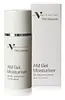
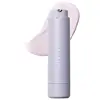
Skincare by Dr V Trio Blemish AM Gel Moisturizer Versus Fenty Beauty Hydra Vizor Invisible Face Moisturizer SPF 30 With Niacinamide
This acne day moisturizer is formulated around Niacinamide and Sodium Ascorbyl Phosphate to clear breakouts and calm redness.
This brightening day moisturizer is formulated around Niacinamide and Hyaluronic Acid to brighten dull-looking skin and hydrate skin.


What's inside
What's inside
 Key Ingredients
Benefits
Concerns
Ingredients Side-by-side
Water
Skin ConditioningPropylene Glycol
Humectant


Glycerin
Humectant

Niacinamide
Smoothing









Sodium Ascorbyl Phosphate
Antioxidant

Carbomer
Emulsion StabilisingSebacic Acid
BufferingPotassium Azeloyl Diglycinate
Skin Conditioning
Aloe Barbadensis Leaf Juice
Skin Conditioning
Panthenol
Skin Conditioning
Pantolactone
Humectant
Camellia Sinensis Leaf Extract
Antimicrobial
Allantoin
Skin Conditioning
Arnica Montana Flower Extract
Masking
Acetyl Hexapeptide-49
Skin Conditioning
Ceramide NP
Skin Conditioning
10-Hydroxydecanoic Acid
Skin Conditioning1,10-Decanediol
SolventOlive Glycerides
Emulsifying
Triethanolamine
BufferingCyclohexane
SolventButylene Glycol
Humectant
Potassium Sorbate
Preservative
Sodium Benzoate
Masking
Polysorbate 20
Emulsifying
Ethylhexylglycerin
Skin ConditioningCaprylyl Glycol
Emollient
Phenoxyethanol
Preservative
Water, Propylene Glycol, Glycerin, Niacinamide, Sodium Ascorbyl Phosphate, Carbomer, Sebacic Acid, Potassium Azeloyl Diglycinate, Aloe Barbadensis Leaf Juice, Panthenol, Pantolactone, Camellia Sinensis Leaf Extract, Allantoin, Arnica Montana Flower Extract, Acetyl Hexapeptide-49, Ceramide NP, 10-Hydroxydecanoic Acid, 1,10-Decanediol, Olive Glycerides, Triethanolamine, Cyclohexane, Butylene Glycol, Potassium Sorbate, Sodium Benzoate, Polysorbate 20, Ethylhexylglycerin, Caprylyl Glycol, Phenoxyethanol
Butyl Methoxydibenzoylmethane 3%
UV Absorber
Homosalate 9%
Skin Conditioning
Ethylhexyl Salicylate 4.5%
UV Absorber
Water
Skin ConditioningGlycerin
Humectant
Carthamus Tinctorius Oleosomes
Emollient
Pentylene Glycol
Skin Conditioning
Butylene Glycol
Humectant
C12-15 Alkyl Benzoate
AntimicrobialNiacinamide
Smoothing
Zea Mays Starch
Absorbent
Hyaluronic Acid
Humectant
Sodium Hyaluronate
Humectant
Citrullus Lanatus Seed Extract
Skin ConditioningAdansonia Digitata Pulp Extract
EmollientBarosma Betulina Leaf Extract
Perfuming
Aloe Barbadensis Leaf Juice
Skin Conditioning
Tocopheryl Acetate
Antioxidant
Gluconolactone
Skin Conditioning
Sorbitan Oleate
Emulsifying
Acrylates/C10-30 Alkyl Acrylate Crosspolymer
Emulsion StabilisingSodium Acrylate/Sodium Acryloyldimethyl Taurate Copolymer
Emulsion StabilisingDimethicone
Emollient
Isohexadecane
EmollientEthylhexyl Methoxycrylene
Skin Conditioning
Polysorbate 80
Emulsifying
Xanthan Gum
EmulsifyingSodium Hydroxide
BufferingCitric Acid
Buffering
Potassium Hydroxide
BufferingTocopherol
Antioxidant
Trisodium Ethylenediamine Disuccinate
Ethylhexylglycerin
Skin ConditioningSodium Benzoate
Masking
Potassium Sorbate
Preservative
Phenoxyethanol
Preservative
Parfum
Masking

Benzyl Salicylate
Perfuming
Citral
Perfuming
Hexyl Cinnamal
Perfuming
Limonene
Perfuming
Linalool
Perfuming
CI 17200
Cosmetic ColorantButyl Methoxydibenzoylmethane 3%, Homosalate 9%, Ethylhexyl Salicylate 4.5%, Water, Glycerin, Carthamus Tinctorius Oleosomes, Pentylene Glycol, Butylene Glycol, C12-15 Alkyl Benzoate, Niacinamide, Zea Mays Starch, Hyaluronic Acid, Sodium Hyaluronate, Citrullus Lanatus Seed Extract, Adansonia Digitata Pulp Extract, Barosma Betulina Leaf Extract, Aloe Barbadensis Leaf Juice, Tocopheryl Acetate, Gluconolactone, Sorbitan Oleate, Acrylates/C10-30 Alkyl Acrylate Crosspolymer, Sodium Acrylate/Sodium Acryloyldimethyl Taurate Copolymer, Dimethicone, Isohexadecane, Ethylhexyl Methoxycrylene, Polysorbate 80, Xanthan Gum, Sodium Hydroxide, Citric Acid, Potassium Hydroxide, Tocopherol, Trisodium Ethylenediamine Disuccinate, Ethylhexylglycerin, Sodium Benzoate, Potassium Sorbate, Phenoxyethanol, Parfum, Benzyl Salicylate, Citral, Hexyl Cinnamal, Limonene, Linalool, CI 17200
Reviews
Ingredients Explained
These ingredients are found in both products.
Ingredients higher up in an ingredient list are typically present in a larger amount.
Aloe Barbadensis Leaf Juice is the filtered, stabilized liquid pressed from the inner gel of the aloe vera leaf.
In cosmetics, it shows up as either soothing active or a water-replacement base. It is roughly 98-99% water and the last 1-2% is an interesting mix of polysaccharides, amino acids, vitamins, minerals, and enzymes.
The polysaccharides do most of the work: they bind water at the skin surface for a light, non-greasy hydration boost. And one of the polysaccharides, glycomannan, is linked to fibroblast stimulation + collagen synthesis. This is also why aloe has such a long track record in wound and burn healing.
This ingredient is also calming with anti-inflammatory and mild antimicrobial activity, making it a great pick for sensitive, irritated, or post-sun skin.
Realistic expectations matter though; the solid evidence is mostly limited to hydration, soothing, and wound support. Deeper claims about anti-aging or sun protection are not well backed, and science reviews note it does not prevent radiation-induced skin injury.
Because it plays well with almost everything, it's commonly used as a base alongside other actives like niacinamide or vitamin C.
Typical usage concentrations range from 0.5% (where hydration benefits already show up) all the way to 90%+ (where it replaces water as the main base).
The safety for this ingredient is well-establish as well. Overall, this is a great supporting ingredient for those who want a boost in hydration.
Learn more about Aloe Barbadensis Leaf JuiceButylene Glycol (or BG) is used within cosmetic products for a few different reasons:
Overall, Butylene Glycol is a safe and well-rounded ingredient that works well with other ingredients.
Though this ingredient works well with most skin types, some people with sensitive skin may experience a reaction such as allergic rashes, closed comedones, or itchiness.
Learn more about Butylene GlycolEthylhexylglycerin is created from glycerin. It is a multitasker ingredient that:
The CIR Expert Panel found minimal skin absorption or sensitization of any kind in a safety assessment. Though this ingredient is considered well-tolerated, a small number of cases of allergic dermatitis have been published since 2002. Just be sure to patch test if you are unsure.
Industry-reported use ranges from 8% in rinse-off products and 2% in leave-on formulations.
Learn more about EthylhexylglycerinGlycerin (or glycerol) is a compound naturally found in your skin. It's a powerhouse humectant that pulls water into the stratum corneum.
Topically, glycerin does several things at once:
Your skin makes glycerin on its own (mostly from sebaceous oil breakdown) and shuttles it to your outermost layer of skin, or your epidermis, via aquaporin-3.
Aquaporin-3 is a transporter that is essential for normal skin hydration, elasticity, and repair. Interestingly, mice lacking in AQP3 have dry and less elastic skin that can be fully corrected with glycerin.
This ingredient is non-irritating, plays well with almost every ingredient, and works across all skin types. Typical use is anywhere between 3-10% but can go up to 79% in some leave-on products.
Just know very high concentrations (>40%) can feel tacky in low humidity.
Glycerin is the name for this ingredient in American English. British English uses Glycerol/Glycerine.
Learn more about GlycerinNiacinamide is a multitasking form of vitamin B3 that strengthens the skin barrier, reduces pores and dark spots, regulates oil, and improves signs of aging.
And the best part? It's gentle and well-tolerated by most skin types, including sensitive and reactive skin.
You might have heard of "niacin flush", or the reddening of skin that causes itchiness. Niacinamide has not been found to cause this.
In very rare cases, some individuals may not be able to tolerate niacinamide at all or experience an allergic reaction to it.
If you are experiencing flaking, irritation, and dryness with this ingredient, be sure to double check all your products as this ingredient can be found in all categories of skincare.
When incorporating niacinamide into your routine, look out for concentration amounts. Typically, 5% niacinamide provides benefits such as fading dark spots. However, if you have sensitive skin, it is better to begin with a smaller concentration.
When you apply niacinamide to your skin, your body converts it into nicotinamide adenine dinucleotide (NAD). NAD is an essential coenzyme that is already found in your cells as "fuel" and powers countless biological processes.
In your skin, NAD helps repair cell damage, produce new healthy cells, support collagen production, strengthen the skin barrier, and fight environmental stressors (like UV and pollution).
Our natural NAD levels start to decline with age, leading to slower skin repair, visible aging, and a weaker skin barrier. By providing your skin niacinamide, you're recharging your skin's NAD levels. This leads to stronger, healthier, and younger looking skin.
Another name for vitamin B3 is nicotinamide. This vitamin is water-soluble and our bodies don't store it. We obtain Vitamin B3 from either food or skincare. Meat, fish, wheat, yeast, and leafy greens contain vitamin B3.
The type of niacinamide used in skincare is synthetically created.
Learn more about NiacinamidePhenoxyethanol is one of the most widely used preservatives in skincare (and for good reason!).
It has a large spectrum of antimicrobial activity and especially effective bacteria, yeast, and mold while only having a weak effect on your skin's natural microbiome.
On a cellular level, it disrupts the cell membranes of microbes by poking holes that make the cell leak. This shuts down the chemical reactions the microbe needs to make energy so it can no longer survive.
Another perk of this ingredient is that it stays functional across a wide pH range (3-10).
You'll often see it paired with boosters like Ethylhexylglycerin; one study showed that a 1:9 ratio of Ethylhexylglycerin to Phenoxyethanol damages bacterial membranes as effectively as doubling the Phenoxyethanol concentration on its own.
Typical use concentrations range from 0.3-1% depending on the formula, and this ingredient is capped at 1% int the EU.
Safety-wise, the fear mongering does not hold up to the evidence. The EU's Scientific Committee on Consumer Safety and FDA consider it safe as a preservative at up to 1%, including for children of all ages.
Adverse systemic effects only showed up in animal studies at exposures roughly 200x higher than what people get from cosmetics. And despite its very widespread use, this ingredient is a rare sensitizer and allergic reactions are uncommon.
Learn more about PhenoxyethanolPotassium Sorbate is a preservative used to prevent yeast and mold in products. It is commonly found in both cosmetic and food products.
This ingredient comes from potassium salt derived from sorbic acid. Sorbic acid is a natural antibiotic and effective against fungus.
Both potassium sorbate and sorbic acid can be found in baked goods, cheeses, dried meats, dried fruit, ice cream, pickles, wine, yogurt, and more.
You'll often find this ingredient used with other preservatives.
Learn more about Potassium SorbateSodium Benzoate is a preservative. It's used in both cosmetic and food products to inhibit the growth of mold and bacteria. It is typically produced synthetically.
Both the US FDA and EU Health Committee have approved the use of sodium benzoate. In the US, levels of 0.1% (of the total product) are allowed.
Sodium benzoate works as a preservative by inhibiting the growth of bacteria inside of cells. It prevents the cell from fermenting a type of sugar using an enzyme called phosphofructokinase.
It is the salt of benzoic acid. Foods containing sodium benzoate include soda, salad dressings, condiments, fruit juices, wines, and snack foods.
Studies for using ascorbic acid and sodium benzoate in cosmetics are lacking, especially in skincare routines with multiple steps.
We always recommend speaking with a professional, such as a dermatologist, if you have any concerns.
Learn more about Sodium BenzoateWater. It's the most common cosmetic ingredient of all. You'll usually see it at the top of ingredient lists, meaning that it makes up the largest part of the product.
So why is it so popular? Water most often acts as a solvent - this means that it helps dissolve other ingredients into the formulation.
You'll also recognize water as that liquid we all need to stay alive. If you see this, drink a glass of water. Remember to stay hydrated!
Learn more about Water

