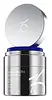
This anti-aging night moisturizer is formulated around Glycolic Acid and Niacinamide to soften the look of wrinkles and refine skin texture.
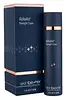
This anti-aging serum is formulated around Dipeptide Diaminobutyroyl Benzylamide Diacetate to soften the look of wrinkles.

What's inside
What's inside
 Key Ingredients
Benefits
Concerns
Ingredients Side-by-side
Water
Skin ConditioningSodium Glycolate
BufferingGlycolic Acid
Buffering











Cetearyl Olivate

Pentylene Glycol
Skin Conditioning
Cyclopentasiloxane
Emollient
Isohexadecane
EmollientSorbitan Olivate
Emulsifying
Tetrahexyldecyl Ascorbate
Antioxidant


Glycerin
Humectant
Ceresin
Emulsion StabilisingGlycol Palmitate
Emulsifying
Butylene Glycol
Humectant
Niacinamide
Smoothing

Squalane
Emollient
Methyl Gluceth-20
Humectant
Ethyl Lactyl Retinoate
Abrasive
Palmitoyl Tripeptide-1
Skin Conditioning
Palmitoyl Tetrapeptide-7
Skin Conditioning
Ceramide NP
Skin Conditioning
Hyaluronic Acid
Humectant
Ubiquinone
Antioxidant
Tocopherol
Antioxidant
Bisabolol
Antioxidant
Tocopheryl Acetate
Antioxidant
Superoxide Dismutase
Antioxidant
Butyrospermum Parkii Butter
Skin Conditioning


Allantoin Glycyrrhetinic Acid
Skin ProtectingSodium PCA
Humectant
Panthenol
Skin Conditioning
Camellia Sinensis Leaf Extract
Antimicrobial
Portulaca Oleracea Extract
Skin Conditioning
Linoleic Acid
Cleansing
Cholesterol
Emollient
Linolenic Acid
Cleansing

Magnesium Aluminum Silicate
Absorbent
Dimethyl Isosorbide
SolventDimethicone
Emollient
Glyceryl Stearate
Emollient
PEG-100 Stearate
Surfactant
Steareth-2
EmulsifyingHydroxyethylcellulose
Emulsion StabilisingAcacia Senegal Gum
MaskingXanthan Gum
EmulsifyingHydrated Silica
Abrasive
Carbomer
Emulsion StabilisingPolysorbate 20
Emulsifying
Tromethamine
BufferingDisodium EDTA
Ethylhexylglycerin
Skin ConditioningPhenoxyethanol
Preservative
CI 77891
Cosmetic ColorantWater, Sodium Glycolate, Glycolic Acid, Cetearyl Olivate, Pentylene Glycol, Cyclopentasiloxane, Isohexadecane, Sorbitan Olivate, Tetrahexyldecyl Ascorbate, Glycerin, Ceresin, Glycol Palmitate, Butylene Glycol, Niacinamide, Squalane, Methyl Gluceth-20, Ethyl Lactyl Retinoate, Palmitoyl Tripeptide-1, Palmitoyl Tetrapeptide-7, Ceramide NP, Hyaluronic Acid, Ubiquinone, Tocopherol, Bisabolol, Tocopheryl Acetate, Superoxide Dismutase, Butyrospermum Parkii Butter, Allantoin Glycyrrhetinic Acid, Sodium PCA, Panthenol, Camellia Sinensis Leaf Extract, Portulaca Oleracea Extract, Linoleic Acid, Cholesterol, Linolenic Acid, Magnesium Aluminum Silicate, Dimethyl Isosorbide, Dimethicone, Glyceryl Stearate, PEG-100 Stearate, Steareth-2, Hydroxyethylcellulose, Acacia Senegal Gum, Xanthan Gum, Hydrated Silica, Carbomer, Polysorbate 20, Tromethamine, Disodium EDTA, Ethylhexylglycerin, Phenoxyethanol, CI 77891
Water
Skin ConditioningCyclopentasiloxane
Emollient
Dipropylene Glycol
HumectantPropylene Glycol
Humectant
Dimethicone
Emollient
Glycerin
Humectant
Dimethicone Crosspolymer
Emulsion Stabilising
Dimethicone/PEG-10/15 Crosspolymer
PEG-12 Dimethicone Crosspolymer
Emulsifying
Butylene Glycol
Humectant
Dimethicone/Vinyl Dimethicone Crosspolymer
Skin Conditioning
Sodium Phosphate
BufferingPanthenyl Triacetate
Phospholipids
Skin Conditioning
Magnesium Sulfate
Hydrolyzed Sericin
Skin ConditioningEthyl Linoleate
Emollient
Buddleja Davidii Meristem Cell Culture
Skin ConditioningAngelica Polymorpha Sinensis Root Extract
Skin ConditioningDipeptide Diaminobutyroyl Benzylamide Diacetate
Skin Conditioning
Lactobacillus/Panax Ginseng Root Extract Ferment Filtrate
Skin ConditioningDisodium Acetyl Glucosamine Phosphate
Skin ConditioningAcetyl Tyrosine
Skin ConditioningDimethiconol
Emollient
Oleyl Alcohol
Emollient
Proline
Skin Conditioning
Parfum
Masking
Tocopherol
Antioxidant
Beta-Glucan
Skin Conditioning
Adenosine Triphosphate
Skin ConditioningHydrolyzed Vegetable Protein
Skin ConditioningSodium Chloride
MaskingXanthan Gum
EmulsifyingPhenoxyethanol
Preservative
Water, Cyclopentasiloxane, Dipropylene Glycol, Propylene Glycol, Dimethicone, Glycerin, Dimethicone Crosspolymer, Dimethicone/PEG-10/15 Crosspolymer, PEG-12 Dimethicone Crosspolymer, Butylene Glycol, Dimethicone/Vinyl Dimethicone Crosspolymer, Sodium Phosphate, Panthenyl Triacetate, Phospholipids, Magnesium Sulfate, Hydrolyzed Sericin, Ethyl Linoleate, Buddleja Davidii Meristem Cell Culture, Angelica Polymorpha Sinensis Root Extract, Dipeptide Diaminobutyroyl Benzylamide Diacetate, Lactobacillus/Panax Ginseng Root Extract Ferment Filtrate, Disodium Acetyl Glucosamine Phosphate, Acetyl Tyrosine, Dimethiconol, Oleyl Alcohol, Proline, Parfum, Tocopherol, Beta-Glucan, Adenosine Triphosphate, Hydrolyzed Vegetable Protein, Sodium Chloride, Xanthan Gum, Phenoxyethanol
Reviews
Ingredients Explained
These ingredients are found in both products.
Ingredients higher up in an ingredient list are typically present in a larger amount.
Butylene Glycol (or BG) is used within cosmetic products for a few different reasons:
Overall, Butylene Glycol is a safe and well-rounded ingredient that works well with other ingredients.
Though this ingredient works well with most skin types, some people with sensitive skin may experience a reaction such as allergic rashes, closed comedones, or itchiness.
Learn more about Butylene GlycolCyclopentasiloxane (D5) is a lightweight silicone that mostly acts as an emollient and solvent in cosmetics. Its the reason your products feel silky, fast-spreading, and non-greasy.
Since D5 is volatile, it does its thing and then evaporates off the skin quickly.
The safety profile of this ingredient is reassuring; the US CIR Expert Panel concluded D5 is safe as used in cosmetics and Health Canada concluded that D5 is not harmful to human health or the environment as currently used in cosmetics
There's a study that people mention about D5 in a rat study showing tumors. This study is related to long-term inhalation of high D5 levels.
Regulatory bodies have judged this study to be not applicable in topical skincare since skin absorption of D5 is very low and we're not really inhaling huge amounts of D5.
The only restriction for this ingredient is environmental. The European Chemicals Agency (ECHA) restricted D5 in wash-off cosmetics at or above 0.1% due to their persistence in water.
Learn more about CyclopentasiloxaneDimethicone is a type of synthetic silicone created from natural materials such as quartz. It is also known as polydimethylsiloxane.
What it does:
Dimethicone comes in different viscosities:
Depending on the viscosity, dimethicone has different properties.
Ingredients lists don't always show which type is used, so we recommend reaching out to the brand if you have questions about the viscosity.
This ingredient is unlikely to cause irritation because it does not get absorbed into skin. However, people with silicone allergies should be careful about using this ingredient.
Note: Dimethicone may contribute to pilling. This is because it is not oil or water soluble, so pilling may occur when layered with products. When mixed with heavy oils in a formula, the outcome is also quite greasy.
Learn more about DimethiconeGlycerin (or glycerol) is a compound naturally found in your skin. It's a powerhouse humectant that pulls water into the stratum corneum.
Topically, glycerin does several things at once:
Your skin makes glycerin on its own (mostly from sebaceous oil breakdown) and shuttles it to your outermost layer of skin, or your epidermis, via aquaporin-3.
Aquaporin-3 is a transporter that is essential for normal skin hydration, elasticity, and repair. Interestingly, mice lacking in AQP3 have dry and less elastic skin that can be fully corrected with glycerin.
This ingredient is non-irritating, plays well with almost every ingredient, and works across all skin types. Typical use is anywhere between 3-10% but can go up to 79% in some leave-on products.
Just know very high concentrations (>40%) can feel tacky in low humidity.
Glycerin is the name for this ingredient in American English. British English uses Glycerol/Glycerine.
Learn more about GlycerinPhenoxyethanol is one of the most widely used preservatives in skincare (and for good reason!).
It has a large spectrum of antimicrobial activity and especially effective bacteria, yeast, and mold while only having a weak effect on your skin's natural microbiome.
On a cellular level, it disrupts the cell membranes of microbes by poking holes that make the cell leak. This shuts down the chemical reactions the microbe needs to make energy so it can no longer survive.
Another perk of this ingredient is that it stays functional across a wide pH range (3-10).
You'll often see it paired with boosters like Ethylhexylglycerin; one study showed that a 1:9 ratio of Ethylhexylglycerin to Phenoxyethanol damages bacterial membranes as effectively as doubling the Phenoxyethanol concentration on its own.
Typical use concentrations range from 0.3-1% depending on the formula, and this ingredient is capped at 1% int the EU.
Safety-wise, the fear mongering does not hold up to the evidence. The EU's Scientific Committee on Consumer Safety and FDA consider it safe as a preservative at up to 1%, including for children of all ages.
Adverse systemic effects only showed up in animal studies at exposures roughly 200x higher than what people get from cosmetics. And despite its very widespread use, this ingredient is a rare sensitizer and allergic reactions are uncommon.
Learn more about PhenoxyethanolTocopherol is a fat-soluble antioxidant known as Vitamin E.
You'll find this ingredient in the vast majority of skincare (for good reason). It works to neutralize free radicals, or unstable molecules generated by UV exposure, pollution, and other environmental stressors, before they can cause oxidative damage to your skin cells.
Topically applied tocopherol has been shown to protect against UV damage by ramping up the skin's own natural defense enzymes.
It also acts as a skin conditioning agent; some studies show that regular topical use can improve the skin's water-binding capacity over 2-4 weeks.
This ingredient is especially loved for being a team player. When combined with Vitamin C, the photoprotective effect of both ingredients roughly doubles and the combo also helps reduce UV-induced DNA damage.
This ingredient has some brightening potential but it's more of a prevention ingredient than spot-fader. Cell studies show it can slow down melanin production but it's worth noting that it's not the most powerful brightener out there.
In formulations, it also serves as a stabilizer that helps protect other oxidation-prone ingredients from degrading.
Concentrations usually range from 0.1-1% in most leave-on products.
Learn more about TocopherolWater. It's the most common cosmetic ingredient of all. You'll usually see it at the top of ingredient lists, meaning that it makes up the largest part of the product.
So why is it so popular? Water most often acts as a solvent - this means that it helps dissolve other ingredients into the formulation.
You'll also recognize water as that liquid we all need to stay alive. If you see this, drink a glass of water. Remember to stay hydrated!
Learn more about WaterXanthan gum is used as a stabilizer and thickener within cosmetic products. It helps give products a sticky, thick feeling - preventing them from being too runny.
On the technical side of things, xanthan gum is a polysaccharide - a combination consisting of multiple sugar molecules bonded together.
Xanthan gum is a pretty common and great ingredient. It is a natural, non-toxic, non-irritating ingredient that is also commonly used in food products.
Learn more about Xanthan Gum

