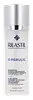
This anti-aging serum is formulated around Mandelic Acid and Ferulic Acid to soften the look of wrinkles and refine skin texture.
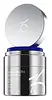
This anti-aging serum is formulated around Dipeptide Diaminobutyroyl Benzylamide Diacetate to soften the look of wrinkles.


What's inside
What's inside
 Key Ingredients
Benefits
Concerns
Ingredients Side-by-side
Water
Skin ConditioningDipropylene Glycol
HumectantIsodecyl Neopentanoate
EmollientGlycerin
Humectant


Mandelic Acid
Antimicrobial









Butylene Glycol
Humectant
Caprylic/Capric Triglyceride
Masking
Isostearyl Alcohol
Emollient

Butylene Glycol Cocoate
Emulsifying

Cetyl Ricinoleate
Emollient
Cyclopentasiloxane
Emollient
Triethanolamine
BufferingDimethicone
Emollient
Ferulic Acid
Antimicrobial
Propylene Glycol
Humectant
Hydrolyzed Wheat Protein
Skin ConditioningSodium Hydroxide
BufferingPhenoxyethanol
Preservative
Tocopheryl Acetate
Antioxidant
Ginkgo Biloba Leaf Extract
Skin Conditioning

Vitis Vinifera Fruit Extract
Skin ConditioningXanthan Gum
EmulsifyingAcrylates/C10-30 Alkyl Acrylate Crosspolymer
Emulsion StabilisingSodium Hyaluronate
Humectant
Ethylcellulose
Ethylhexylglycerin
Skin ConditioningDisodium EDTA
Carbomer
Emulsion StabilisingSodium Lactate
Buffering
Dipeptide Diaminobutyroyl Benzylamide Diacetate
Skin Conditioning
Polysorbate 20
Emulsifying
Pentylene Glycol
Skin Conditioning
Potassium Sorbate
Preservative
Sodium Benzoate
Masking
Superoxide Dismutase
Antioxidant
Tromethamine
BufferingPalmitoyl Pentapeptide-4
Skin Conditioning
Parfum
Masking

Water, Dipropylene Glycol, Isodecyl Neopentanoate, Glycerin, Mandelic Acid, Butylene Glycol, Caprylic/Capric Triglyceride, Isostearyl Alcohol, Butylene Glycol Cocoate, Cetyl Ricinoleate, Cyclopentasiloxane, Triethanolamine, Dimethicone, Ferulic Acid, Propylene Glycol, Hydrolyzed Wheat Protein, Sodium Hydroxide, Phenoxyethanol, Tocopheryl Acetate, Ginkgo Biloba Leaf Extract, Vitis Vinifera Fruit Extract, Xanthan Gum, Acrylates/C10-30 Alkyl Acrylate Crosspolymer, Sodium Hyaluronate, Ethylcellulose, Ethylhexylglycerin, Disodium EDTA, Carbomer, Sodium Lactate, Dipeptide Diaminobutyroyl Benzylamide Diacetate, Polysorbate 20, Pentylene Glycol, Potassium Sorbate, Sodium Benzoate, Superoxide Dismutase, Tromethamine, Palmitoyl Pentapeptide-4, Parfum
Water
Skin ConditioningCyclopentasiloxane
Emollient
Dipropylene Glycol
HumectantPropylene Glycol
Humectant
Dimethicone
Emollient
Glycerin
Humectant
Dimethicone Crosspolymer
Emulsion Stabilising
Dimethicone/PEG-10/15 Crosspolymer
PEG-12 Dimethicone Crosspolymer
Emulsifying
Butylene Glycol
Humectant
Dimethicone/Vinyl Dimethicone Crosspolymer
Skin Conditioning
Sodium Phosphate
BufferingPanthenyl Triacetate
Phospholipids
Skin Conditioning
Magnesium Sulfate
Hydrolyzed Sericin
Skin ConditioningEthyl Linoleate
Emollient
Buddleja Davidii Meristem Cell Culture
Skin ConditioningAngelica Polymorpha Sinensis Root Extract
Skin ConditioningDipeptide Diaminobutyroyl Benzylamide Diacetate
Skin Conditioning
Lactobacillus/Panax Ginseng Root Extract Ferment Filtrate
Skin ConditioningDisodium Acetyl Glucosamine Phosphate
Skin ConditioningAcetyl Tyrosine
Skin ConditioningDimethiconol
Emollient
Oleyl Alcohol
Emollient

Proline
Skin Conditioning
Parfum
Masking
Tocopherol
Antioxidant
Beta-Glucan
Skin Conditioning
Adenosine Triphosphate
Skin ConditioningHydrolyzed Vegetable Protein
Skin ConditioningSodium Chloride
MaskingXanthan Gum
EmulsifyingPhenoxyethanol
Preservative
Water, Cyclopentasiloxane, Dipropylene Glycol, Propylene Glycol, Dimethicone, Glycerin, Dimethicone Crosspolymer, Dimethicone/PEG-10/15 Crosspolymer, PEG-12 Dimethicone Crosspolymer, Butylene Glycol, Dimethicone/Vinyl Dimethicone Crosspolymer, Sodium Phosphate, Panthenyl Triacetate, Phospholipids, Magnesium Sulfate, Hydrolyzed Sericin, Ethyl Linoleate, Buddleja Davidii Meristem Cell Culture, Angelica Polymorpha Sinensis Root Extract, Dipeptide Diaminobutyroyl Benzylamide Diacetate, Lactobacillus/Panax Ginseng Root Extract Ferment Filtrate, Disodium Acetyl Glucosamine Phosphate, Acetyl Tyrosine, Dimethiconol, Oleyl Alcohol, Proline, Parfum, Tocopherol, Beta-Glucan, Adenosine Triphosphate, Hydrolyzed Vegetable Protein, Sodium Chloride, Xanthan Gum, Phenoxyethanol
Reviews
Ingredients Explained
These ingredients are found in both products.
Ingredients higher up in an ingredient list are typically present in a larger amount.
Butylene Glycol (or BG) is used within cosmetic products for a few different reasons:
Overall, Butylene Glycol is a safe and well-rounded ingredient that works well with other ingredients.
Though this ingredient works well with most skin types, some people with sensitive skin may experience a reaction such as allergic rashes, closed comedones, or itchiness.
Learn more about Butylene GlycolCyclopentasiloxane (D5) is a lightweight silicone that mostly acts as an emollient and solvent in cosmetics. Its the reason your products feel silky, fast-spreading, and non-greasy.
Since D5 is volatile, it does its thing and then evaporates off the skin quickly.
The safety profile of this ingredient is reassuring; the US CIR Expert Panel concluded D5 is safe as used in cosmetics and Health Canada concluded that D5 is not harmful to human health or the environment as currently used in cosmetics
There's a study that people mention about D5 in a rat study showing tumors. This study is related to long-term inhalation of high D5 levels.
Regulatory bodies have judged this study to be not applicable in topical skincare since skin absorption of D5 is very low and we're not really inhaling huge amounts of D5.
The only restriction for this ingredient is environmental. The European Chemicals Agency (ECHA) restricted D5 in wash-off cosmetics at or above 0.1% due to their persistence in water.
Learn more about CyclopentasiloxaneDimethicone is a type of synthetic silicone created from natural materials such as quartz. It is also known as polydimethylsiloxane.
What it does:
Dimethicone comes in different viscosities:
Depending on the viscosity, dimethicone has different properties.
Ingredients lists don't always show which type is used, so we recommend reaching out to the brand if you have questions about the viscosity.
This ingredient is unlikely to cause irritation because it does not get absorbed into skin. However, people with silicone allergies should be careful about using this ingredient.
Note: Dimethicone may contribute to pilling. This is because it is not oil or water soluble, so pilling may occur when layered with products. When mixed with heavy oils in a formula, the outcome is also quite greasy.
Learn more about DimethiconeThis small molecule peptide has similar benefits to Argireline, the "botox" peptide.
According to the manufacturer, this peptide mimics snake venom to freeze muscles. This prevents muscle movement and contractions to prohibit the formation of fine lines and wrinkles.
While this seems promising, research is lacking in proving this ingredient to be as effective as botox.
Learn more about Dipeptide Diaminobutyroyl Benzylamide DiacetateDipropylene Glycol is a synthetically created humectant, stabilizer, and solvent.
This ingredient helps:
Dipropylene glycol is technically an alcohol, but it belongs to the glycol family (often considered part of the ‘good’ alcohols). This means it is hydrating and gentle on skin unlike drying solvent alcohols like denatured alcohol.
As a masking agent, Dipropylene Glycol can be used to cover the smell of other ingredients. However, it does not have a scent.
Studies show Dipropylene Glycol is considered safe to use in skincare.
Learn more about Dipropylene GlycolGlycerin (or glycerol) is a compound naturally found in your skin. It's a powerhouse humectant that pulls water into the stratum corneum.
Topically, glycerin does several things at once:
Your skin makes glycerin on its own (mostly from sebaceous oil breakdown) and shuttles it to your outermost layer of skin, or your epidermis, via aquaporin-3.
Aquaporin-3 is a transporter that is essential for normal skin hydration, elasticity, and repair. Interestingly, mice lacking in AQP3 have dry and less elastic skin that can be fully corrected with glycerin.
This ingredient is non-irritating, plays well with almost every ingredient, and works across all skin types. Typical use is anywhere between 3-10% but can go up to 79% in some leave-on products.
Just know very high concentrations (>40%) can feel tacky in low humidity.
Glycerin is the name for this ingredient in American English. British English uses Glycerol/Glycerine.
Learn more about GlycerinParfum is a catch-all term for an ingredient or more that is used to give a scent to products.
Also called "fragrance", this ingredient can be a blend of hundreds of chemicals or plant oils. This means every product with "fragrance" or "parfum" in the ingredients list is a different mixture.
For instance, Habanolide is a proprietary trade name for a specific aroma chemical. When used as a fragrance ingredient in cosmetics, most aroma chemicals fall under the broad labeling category of “FRAGRANCE” or “PARFUM” according to EU and US regulations.
The term 'parfum' or 'fragrance' is not regulated in many countries. In many cases, it is up to the brand to define this term.
For instance, many brands choose to label themselves as "fragrance-free" because they are not using synthetic fragrances. However, their products may still contain ingredients such as essential oils that are considered a fragrance by INCI standards.
One example is Calendula flower extract. Calendula is an essential oil that still imparts a scent or 'fragrance'.
Depending on the blend, the ingredients in the mixture can cause allergies and sensitivities on the skin. Some ingredients that are known EU allergens include linalool and citronellol.
Parfum can also be used to mask or cover an unpleasant scent.
The bottom line is: not all fragrances/parfum/ingredients are created equally. If you are worried about fragrances, we recommend taking a closer look at an ingredient. And of course, we always recommend speaking with a professional.
Learn more about ParfumPhenoxyethanol is one of the most widely used preservatives in skincare (and for good reason!).
It has a large spectrum of antimicrobial activity and especially effective bacteria, yeast, and mold while only having a weak effect on your skin's natural microbiome.
On a cellular level, it disrupts the cell membranes of microbes by poking holes that make the cell leak. This shuts down the chemical reactions the microbe needs to make energy so it can no longer survive.
Another perk of this ingredient is that it stays functional across a wide pH range (3-10).
You'll often see it paired with boosters like Ethylhexylglycerin; one study showed that a 1:9 ratio of Ethylhexylglycerin to Phenoxyethanol damages bacterial membranes as effectively as doubling the Phenoxyethanol concentration on its own.
Typical use concentrations range from 0.3-1% depending on the formula, and this ingredient is capped at 1% int the EU.
Safety-wise, the fear mongering does not hold up to the evidence. The EU's Scientific Committee on Consumer Safety and FDA consider it safe as a preservative at up to 1%, including for children of all ages.
Adverse systemic effects only showed up in animal studies at exposures roughly 200x higher than what people get from cosmetics. And despite its very widespread use, this ingredient is a rare sensitizer and allergic reactions are uncommon.
Learn more about PhenoxyethanolPropylene Glycol is a synthetic, colorless, odorless liquid that has been a staple in cosmetics for decades. It is a skin conditioning agent, humectant, and solvent.
As a humectant, it draw water to the skin to reduce flaking and restore suppleness. It's also a solvent that helps dissolve other actives and keeps formulas stable across temperature changes.
The CIR Expert Panel has confirmed this ingredient to be nontoxic and clinical studies show no sensitization at cosmetic use concentrations.
True allergic reactions are quite rare: a 15-year retrospective study of 6,751 patients found only 0.31% had a positive reaction (and less than half were considered clinically relevant).
It seemed that when sensitization does occur, it's most commonly linked to topical medication (like corticosteroids) and not cosmetics. Allergic contact dermatitis also appears largely limited to individuals with underlying skin conditions.
Overall, propylene glycol is a well-studied ingredient that most people can tolerate without issue.
Learn more about Propylene GlycolWater. It's the most common cosmetic ingredient of all. You'll usually see it at the top of ingredient lists, meaning that it makes up the largest part of the product.
So why is it so popular? Water most often acts as a solvent - this means that it helps dissolve other ingredients into the formulation.
You'll also recognize water as that liquid we all need to stay alive. If you see this, drink a glass of water. Remember to stay hydrated!
Learn more about WaterXanthan gum is used as a stabilizer and thickener within cosmetic products. It helps give products a sticky, thick feeling - preventing them from being too runny.
On the technical side of things, xanthan gum is a polysaccharide - a combination consisting of multiple sugar molecules bonded together.
Xanthan gum is a pretty common and great ingredient. It is a natural, non-toxic, non-irritating ingredient that is also commonly used in food products.
Learn more about Xanthan Gum

