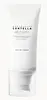
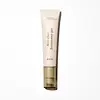
SKIN1004 Tone Brightening Tone-up Sunscreen SPF50+ PA++++ Versus Abib Airy Clear Sunscreen Gel SPF 30
This hybrid sunscreen covers the full UV range and blocks ~98% of UVB at SPF 50.
This chemical sunscreen covers most of the UV range, lighter on the deep UVA that drives aging.

What's inside
What's inside
 Key Ingredients
Benefits
Concerns
Ingredients Side-by-side
Water
Skin ConditioningDibutyl Adipate
EmollientTitanium Dioxide
Cosmetic Colorant

Propanediol
Solvent

Caprylic/Capric Triglyceride
Masking
Centella Asiatica Extract
Cleansing




C12-15 Alkyl Benzoate
AntimicrobialDiethylamino Hydroxybenzoyl Hexyl Benzoate
UV Filter
Ethylhexyl Triazone
UV Absorber
Niacinamide
Smoothing





Caprylyl Methicone
Skin Conditioning
Diethylhexyl Butamido Triazone
UV Absorber
1,2-Hexanediol
Skin Conditioning
Pentylene Glycol
Skin Conditioning
Corchorus Olitorius Leaf Extract
Skin ConditioningHordeum Vulgare Sprout Extract
Antioxidant
Nymphaea Alba Flower Extract
Skin ConditioningSodium Hyaluronate
Humectant
Coco-Caprylate/Caprate
Emollient
Glycerin
Humectant
Polyhydroxystearic Acid
Emulsifying

Dimethicone/Vinyl Dimethicone Crosspolymer
Skin Conditioning
Vp/Eicosene Copolymer
Dimethiconol
Emollient
Trisiloxane
Skin Conditioning
Stearic Acid
Cleansing
Alumina
Abrasive
Sodium Polyacryloyldimethyl Taurate
Emulsion StabilisingPolyacrylate Crosspolymer-6
Emulsion StabilisingHydroxypropyl Methylcellulose Stearoxy Ether
Dicaprylyl Carbonate
EmollientEthylhexylglycerin
Skin ConditioningXanthan Gum
EmulsifyingTriethoxycaprylylsilane
Adenosine
Skin Conditioning
Sodium Polyacrylate
Absorbent
Madecassoside
Antioxidant
Pvm/Ma Copolymer
Emulsion StabilisingPolyether-1
T-Butyl Alcohol
Perfuming




Tranexamic Acid
Astringent
Dipropylene Glycol
HumectantSodium Palmitoyl Proline
Skin ConditioningButylene Glycol
Humectant
CI 77492
Cosmetic ColorantCI 77491
Cosmetic ColorantWater, Dibutyl Adipate, Titanium Dioxide, Propanediol, Caprylic/Capric Triglyceride, Centella Asiatica Extract, C12-15 Alkyl Benzoate, Diethylamino Hydroxybenzoyl Hexyl Benzoate, Ethylhexyl Triazone, Niacinamide, Caprylyl Methicone, Diethylhexyl Butamido Triazone, 1,2-Hexanediol, Pentylene Glycol, Corchorus Olitorius Leaf Extract, Hordeum Vulgare Sprout Extract, Nymphaea Alba Flower Extract, Sodium Hyaluronate, Coco-Caprylate/Caprate, Glycerin, Polyhydroxystearic Acid, Dimethicone/Vinyl Dimethicone Crosspolymer, Vp/Eicosene Copolymer, Dimethiconol, Trisiloxane, Stearic Acid, Alumina, Sodium Polyacryloyldimethyl Taurate, Polyacrylate Crosspolymer-6, Hydroxypropyl Methylcellulose Stearoxy Ether, Dicaprylyl Carbonate, Ethylhexylglycerin, Xanthan Gum, Triethoxycaprylylsilane, Adenosine, Sodium Polyacrylate, Madecassoside, Pvm/Ma Copolymer, Polyether-1, T-Butyl Alcohol, Tranexamic Acid, Dipropylene Glycol, Sodium Palmitoyl Proline, Butylene Glycol, CI 77492, CI 77491
Butyl Methoxydibenzoylmethane 2.8%
UV Absorber
Homosalate 6.5%
Skin Conditioning
Ethylhexyl Salicylate 4.5%
UV Absorber
Octocrylene 8%
UV Absorber
Isododecane
EmollientButyloctyl Salicylate
Skin Conditioning
Dimethicone/Bis-Isobutyl PPG-20 Crosspolymer
Emollient
Dextrin Palmitate
Emulsifying
Dibutyl Adipate
EmollientMethyl Methacrylate Crosspolymer
Acrylates Copolymer
Benzotriazolyl Dodecyl P-Cresol
UV AbsorberPolyphenylsilsesquioxane
Trimethylsiloxysilicate
Emollient
Cedrus Atlantica Bark Oil
Masking


Tocopherol
Antioxidant
Cananga Odorata Flower Oil
Masking
Glycerin
Humectant
Squalane
Emollient
Tocopheryl Acetate
Antioxidant
Jasminum Officinale Oil
Masking
Ectoin
Skin Conditioning
Sodium Hyaluronate
Humectant
Butyl Methoxydibenzoylmethane 2.8%, Homosalate 6.5%, Ethylhexyl Salicylate 4.5%, Octocrylene 8%, Isododecane, Butyloctyl Salicylate, Dimethicone/Bis-Isobutyl PPG-20 Crosspolymer, Dextrin Palmitate, Dibutyl Adipate, Methyl Methacrylate Crosspolymer, Acrylates Copolymer, Benzotriazolyl Dodecyl P-Cresol, Polyphenylsilsesquioxane, Trimethylsiloxysilicate, Cedrus Atlantica Bark Oil, Tocopherol, Cananga Odorata Flower Oil, Glycerin, Squalane, Tocopheryl Acetate, Jasminum Officinale Oil, Ectoin, Sodium Hyaluronate
Reviews
Ingredients Explained
These ingredients are found in both products.
Ingredients higher up in an ingredient list are typically present in a larger amount.
Dibutyl Adipate is a lightweight, oil-soluble ester that acts as an emollient and solvent. It helps products spread more easily and leaves a soft, silky, dry-touch finish without being greasy.
You'll likely see this ingredient in sunscreens because it does a nice job dissolving UV filters and keeping them evenly distributed.
This ingredient has been found to be safe as used in cosmetics, wasn't a skin or eye irritant in clinical patch testing, and wasn't phototoxic.
In a clinical comedogenicity test, this ingredient tested negative so it isn't likely to clog pores.
Typical use levels are about 5-8% for sunscreens + nail products, but can range from 0.005%-8% depending on the product.
Learn more about Dibutyl AdipateGlycerin (or glycerol) is a compound naturally found in your skin. It's a powerhouse humectant that pulls water into the stratum corneum.
Topically, glycerin does several things at once:
Your skin makes glycerin on its own (mostly from sebaceous oil breakdown) and shuttles it to your outermost layer of skin, or your epidermis, via aquaporin-3.
Aquaporin-3 is a transporter that is essential for normal skin hydration, elasticity, and repair. Interestingly, mice lacking in AQP3 have dry and less elastic skin that can be fully corrected with glycerin.
This ingredient is non-irritating, plays well with almost every ingredient, and works across all skin types. Typical use is anywhere between 3-10% but can go up to 79% in some leave-on products.
Just know very high concentrations (>40%) can feel tacky in low humidity.
Glycerin is the name for this ingredient in American English. British English uses Glycerol/Glycerine.
Learn more about GlycerinSodium Hyaluronate is the salt form of hyaluronic acid. It is a long sugar chain that is naturally found in your skin, joints, and connective tissue that maintains hydration and elasticity.
In skincare, it works as a humectant. It pulls water from the environment and deeper layers of skin and binds it to the surface.
Interestingly, the size of the molecule affects its behavior:
Some clinical evidence links low molecular weight versions to improved wrinkle depth, elasticity, anti-inflammatory effects, and barrier repair.
Many serums use a blend of both weights so you can get surface hydration plus longer-lasting and deeper effects.
You'll typically see concentrations between 0.1-2% for this ingredient.
Learn more about Sodium Hyaluronate

