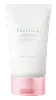
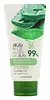
SKIN1004 Madagascar Centella Poremizing Light Gel Cream Versus The Face Shop Jeju Aloe Fresh Soothing Gel Tube
This pore-care moisturizer is formulated around Centella Asiatica Extract and Niacinamide to refine the look of pores and calm redness.

What's inside
What's inside
 Key Ingredients
Benefits
Concerns
Ingredients Side-by-side
Centella Asiatica Extract
Cleansing





Water
Skin ConditioningPropanediol
Solvent
Aloe Barbadensis Leaf Extract
Emollient
1,2-Hexanediol
Skin Conditioning
Niacinamide
Smoothing





Glycerin
Humectant
Xylitol
Humectant
Butylene Glycol
Humectant
Carbomer
Emulsion StabilisingTromethamine
BufferingSodium Polyacryloyldimethyl Taurate
Emulsion StabilisingBiosaccharide Gum-1
Humectant
Betaine
Humectant
Pvp
Emulsion StabilisingSedum Sarmentosum Extract
HumectantHydrogenated Polydecene
EmollientEthylhexylglycerin
Skin ConditioningAdenosine
Skin Conditioning
Hydroxyethylcellulose
Emulsion StabilisingCoccinia Indica Fruit Extract
Skin Conditioning
Eclipta Prostrata Extract
Skin Conditioning
Hydrolyzed Gardenia Florida Extract
Antioxidant
Hydrolyzed Malt Extract
Skin ConditioningDisodium EDTA
Hydrolyzed Viola Tricolor Extract
Skin ProtectingMelia Azadirachta Flower Extract
Skin ConditioningOcimum Sanctum Leaf Extract
Skin ConditioningMelia Azadirachta Leaf Extract
Skin ConditioningTrideceth-10
CleansingSea Water
HumectantPanthenol
Skin Conditioning
Curcuma Longa Root Extract
Antioxidant
Hyaluronic Acid
Humectant
Hydrolyzed Hyaluronic Acid
Humectant
Sodium Hyaluronate
Humectant
Xylitylglucoside
Humectant
Corallina Officinalis Extract
Skin Conditioning
Anhydroxylitol
Humectant
Oenothera Biennis Flower Extract
AstringentPueraria Lobata Root Extract
HumectantPinus Palustris Leaf Extract
TonicUlmus Davidiana Root Extract
Skin Conditioning
Castanea Crenata Shell Extract
Skin ConditioningHamamelis Virginiana Leaf Water
Astringent
Lavandula Angustifolia Flower Extract
Cleansing
Chamaecyparis Obtusa Water
MaskingChenopodium Quinoa Seed Extract
Skin Conditioning
Allantoin
Skin Conditioning
CI 77004
Cosmetic ColorantMineral Salts
Skin ConditioningCentella Asiatica Extract, Water, Propanediol, Aloe Barbadensis Leaf Extract, 1,2-Hexanediol, Niacinamide, Glycerin, Xylitol, Butylene Glycol, Carbomer, Tromethamine, Sodium Polyacryloyldimethyl Taurate, Biosaccharide Gum-1, Betaine, Pvp, Sedum Sarmentosum Extract, Hydrogenated Polydecene, Ethylhexylglycerin, Adenosine, Hydroxyethylcellulose, Coccinia Indica Fruit Extract, Eclipta Prostrata Extract, Hydrolyzed Gardenia Florida Extract, Hydrolyzed Malt Extract, Disodium EDTA, Hydrolyzed Viola Tricolor Extract, Melia Azadirachta Flower Extract, Ocimum Sanctum Leaf Extract, Melia Azadirachta Leaf Extract, Trideceth-10, Sea Water, Panthenol, Curcuma Longa Root Extract, Hyaluronic Acid, Hydrolyzed Hyaluronic Acid, Sodium Hyaluronate, Xylitylglucoside, Corallina Officinalis Extract, Anhydroxylitol, Oenothera Biennis Flower Extract, Pueraria Lobata Root Extract, Pinus Palustris Leaf Extract, Ulmus Davidiana Root Extract, Castanea Crenata Shell Extract, Hamamelis Virginiana Leaf Water, Lavandula Angustifolia Flower Extract, Chamaecyparis Obtusa Water, Chenopodium Quinoa Seed Extract, Allantoin, CI 77004, Mineral Salts
Aloe Barbadensis Leaf Extract
Emollient
Alcohol Denat.
Antimicrobial



Glycerin
Humectant
Polysorbate 20
Emulsifying
Carbomer
Emulsion StabilisingTriethanolamine
BufferingBis-PEG-18 Methyl Ether Dimethyl Silane
EmollientGlyceryl Polyacrylate
Allantoin
Skin Conditioning
Betaine
Humectant
Sodium Polyacrylate
Absorbent
Caprylyl Glycol
Emollient
Ethylhexylglycerin
Skin ConditioningCitrus Paradisi Seed Extract
Masking
Artemisia Princeps Extract
Skin Conditioning
Butylene Glycol
Humectant
Polyglutamic Acid
Skin Conditioning
Lactobacillus/Aloe Barbadensis Ferment Filtrate
Skin ConditioningDipropylene Glycol
HumectantPentylene Glycol
Skin Conditioning
Morus Alba Bark Extract
Skin ConditioningGlycine Soja Seed Extract
Skin Conditioning
Chamomilla Recutita Flower/Leaf Extract
AntimicrobialRosmarinus Officinalis Leaf Extract
AntimicrobialLavandula Angustifolia Flower Extract
Cleansing
Ocimum Basilicum Leaf Extract
Skin ConditioningSalvia Officinalis Extract
Antimicrobial
Water
Skin ConditioningDisodium EDTA
Phenoxyethanol
Preservative
Parfum
Masking
Chlorphenesin
Antimicrobial
Limonene
Perfuming
Linalool
Perfuming
Butylphenyl Methylpropional
Perfuming
Aloe Barbadensis Leaf Extract, Alcohol Denat., Glycerin, Polysorbate 20, Carbomer, Triethanolamine, Bis-PEG-18 Methyl Ether Dimethyl Silane, Glyceryl Polyacrylate, Allantoin, Betaine, Sodium Polyacrylate, Caprylyl Glycol, Ethylhexylglycerin, Citrus Paradisi Seed Extract, Artemisia Princeps Extract, Butylene Glycol, Polyglutamic Acid, Lactobacillus/Aloe Barbadensis Ferment Filtrate, Dipropylene Glycol, Pentylene Glycol, Morus Alba Bark Extract, Glycine Soja Seed Extract, Chamomilla Recutita Flower/Leaf Extract, Rosmarinus Officinalis Leaf Extract, Lavandula Angustifolia Flower Extract, Ocimum Basilicum Leaf Extract, Salvia Officinalis Extract, Water, Disodium EDTA, Phenoxyethanol, Parfum, Chlorphenesin, Limonene, Linalool, Butylphenyl Methylpropional
Reviews
Ingredients Explained
These ingredients are found in both products.
Ingredients higher up in an ingredient list are typically present in a larger amount.
Allantoin is a soothing ingredient known for its protective and moisturizing properties; it's basically a quiet workhorse ingredient you can find in a huge range of cosmetics.
Though it can be derived from the comfrey plant, allantoin is produced synthetically for cosmetic products to ensure purity.
Research shows it can encourage your skin cells to turn over and renew by stimulating keratinocyte and fibroblast proliferation.
It also has mild keratolytic properties to help loosen and shed dead skin cells without being harsh.
Studies also suggest allantoin can help calm inflammation by dialing down some of the chemical signals your skin sends out when it is irritated.
This ingredient is typically used in the 0.1-0.5% range, and the FDA recognizes it as a skin protectant in OTC products up to 2%.
Overall, allantoin is a wonderful addition to most routines; it is stable across a wide pH range (~4-8), works well with other ingredients, and is considered non-sensitizing/non-irritating.
Fun fact: Allantoin is naturally occurring in comfrey root, beets, chamomile, and wheat sprouts. Our bodies even produce it as a byproduct of uric acid metabolism.
Learn more about AllantoinAloe Barbadensis Leaf Extract is a botanical extract pulled from the leaves of aloe vera and one of the most studied plant ingredients in cosmetics.
The inner leaf gel it comes from is mostly water (~99-99.5%) and the remaining fraction is made up of pretty good stuff: polysaccharides, vitamins, phenolics, and enzymes.
Its headline job is hydration.
The star polysaccharide in aloe, acemannan, is a humectant that retains moisture and helps reduce trans-epidermal water loss.
Aloe also has real soothing credentials; it contains anti-inflammatory compounds like bradykinase and C-glucosyl chromone that help calm irritation and redness.
On the repair side, lab work shows that acemannan wakes up your skin's repair cells (fibroblasts), prompting them to multiply and speed up healing.
There's some human data for cosmetic benefit too: a cream containing 10% Aloe Barbadensis leaf extract improved skin hydration and elasticity in a real-use study.
Safety-wise, this ingredient is well-regarded with just one rare downside; there have been some case reports of acute eczema, contact urticaria, and dermatitis in people who applied aloe-derived ingredients topically. Those with a known aloe or Liliaceae sensitivity should patch test.
Typical use levels range widely, from under 1% up to 90%+ depending on the format and the effect you are after.
Learn more about Aloe Barbadensis Leaf ExtractBetaine is a humectant. Like hyaluronic acid, it helps attract and retain moisture in the skin. It’s known for being gentle and for helping the skin maintain balanced hydration.
Betaine is mainly used to improve hydration and support calmer skin. It helps skin cells regulate water balance because it functions as an osmolyte.
Some studies suggest betaine may support making skin tone more even.
Fun fact: Betaine naturally exists in the skin and the body. In cosmetic products, it can be either plant-derived (most commonly from sugar beets) or synthetically produced for consistency and stability.
Betaine is also known as trimethylglycine.
Learn more about BetaineButylene Glycol (or BG) is used within cosmetic products for a few different reasons:
Overall, Butylene Glycol is a safe and well-rounded ingredient that works well with other ingredients.
Though this ingredient works well with most skin types, some people with sensitive skin may experience a reaction such as allergic rashes, closed comedones, or itchiness.
Learn more about Butylene GlycolCarbomer is a synthetic thickening and gelling agent. It's basically the ingredient that gives a lot of serums, gels, creams, and sunscreens their smooth, non-sticky texture.
Although legally permitted at very high levels, carbomers are normally used at concentrations below 1%.
It also needs to be neutralized to actually thicken, and because it is a large molecule, it doesn't really penetrate the skin barrier.
Allergy-wise, the risk is very low. Clinical studies show carbomers have low potential for skin irritation/sensitization even at concentrations up to 100%.
A 2024 UK study patch-tested 1,302 patients and found true allergy to the parent group of carbomer to be rare with no confirmed relevant reactions.
Learn more about CarbomerDisodium EDTA is a chelating agent. It grabs onto and deactivates metal ions that sneak into your products from water, packaging, or air.
This ingredient mainly works behind the scenes and helps with:
On top of that, this ingredient can counteract the effects of hard water by binding to the minerals in it.
One thing worth knowing is that Disodium EDTA has been shown to be a mild penetration enhancer. It can help other ingredients absorb into skin more effectively which can be a double-edged sword (great for actives, but can also make the active too strong if you have sensitive skin).
Clinical patch testing showed no significant skin irritation at typical use concentrations and minimal dermal absorption.
You'll most likely see this ingredient near the end of an ingredient list. It's typically found in concentrations less than 1%.
Learn more about Disodium EDTAEthylhexylglycerin is created from glycerin. It is a multitasker ingredient that:
The CIR Expert Panel found minimal skin absorption or sensitization of any kind in a safety assessment. Though this ingredient is considered well-tolerated, a small number of cases of allergic dermatitis have been published since 2002. Just be sure to patch test if you are unsure.
Industry-reported use ranges from 8% in rinse-off products and 2% in leave-on formulations.
Learn more about EthylhexylglycerinGlycerin (or glycerol) is a compound naturally found in your skin. It's a powerhouse humectant that pulls water into the stratum corneum.
Topically, glycerin does several things at once:
Your skin makes glycerin on its own (mostly from sebaceous oil breakdown) and shuttles it to your outermost layer of skin, or your epidermis, via aquaporin-3.
Aquaporin-3 is a transporter that is essential for normal skin hydration, elasticity, and repair. Interestingly, mice lacking in AQP3 have dry and less elastic skin that can be fully corrected with glycerin.
This ingredient is non-irritating, plays well with almost every ingredient, and works across all skin types. Typical use is anywhere between 3-10% but can go up to 79% in some leave-on products.
Just know very high concentrations (>40%) can feel tacky in low humidity.
Glycerin is the name for this ingredient in American English. British English uses Glycerol/Glycerine.
Learn more about GlycerinLavandula Angustifolia Flower Extract comes from the lavender plant.
Many components of lavender flowers are antioxidants, such as ferulic acid, caffeic acid, and several flavonoids.
Traditional Iranian folk medicine uses Lavender extract to help treat inflammation.
Lavender extract may have a scent.
It contains linalool, a known allergen. However, lavender extract contains less linalool than lavender essential oil.
Learn more about Lavandula Angustifolia Flower ExtractWater. It's the most common cosmetic ingredient of all. You'll usually see it at the top of ingredient lists, meaning that it makes up the largest part of the product.
So why is it so popular? Water most often acts as a solvent - this means that it helps dissolve other ingredients into the formulation.
You'll also recognize water as that liquid we all need to stay alive. If you see this, drink a glass of water. Remember to stay hydrated!
Learn more about Water

